Building low carb habits builds your control over weight, energy, and hunger.
You can change what you eat, how you move, and how you plan meals.
Small daily acts join to form strong change over time.
This guide shows practical, people-first steps to lower carbs in real life—not a perfect, all-or-nothing rule.
Why Low Carb Habits Help with Weight Loss and Energy
When you lower refined carbohydrates—such as white bread, sweets, and sugary drinks—your body turns to stored fat instead of quick sugars.
This change can help:

• Blood sugar stay even
• Appetite feel steadier
• Fat drop while muscle holds strong
• Energy run evenly through the day
Studies find that low-carb ways bring weight loss and growth in healthy markers like blood sugar and triglycerides (source: Harvard T.H. Chan School of Public Health).
You do not need to cut carbs to zero or follow a strict keto plan to see gain from low carb habits.
Habit 1: Start Your Day with Protein First at Low Carb Breakfast
Many start with high-carb meals—cereal, toast, bagels, or pastries—that spike sugar and bring mid-morning dips and cravings.
Switch to a low carb, high-protein breakfast to get a strong start.
• Protein and good fats help you feel full.
• You may see less snacking later.
• Focus and energy show a steadier pace.
Low-carb breakfast ideas:
• Eggs scrambled with spinach, cheese, and avocado.
• Unsweetened Greek yogurt with few berries and nuts.
• Cottage cheese with cucumber, tomatoes, and olive oil.
• An omelet with mushrooms, peppers, and feta.
• Chia pudding with unsweetened almond milk, topped with seeds.
If you like sweet breakfasts, lower added sugar and refined carbs slowly.
Habit 2: Put Protein at Every Meal
Protein acts as the base for low carb habits.
It curbs hunger, keeps muscle strong, and works with your body’s burn.
Choose a clear protein for each meal:
• Chicken, turkey, or lean beef
• Fish and seafood
• Eggs or egg whites
• Greek yogurt or cottage cheese
• Tofu, tempeh, or edamame
• Lentils and beans (watch carb amounts if you go very low carb)
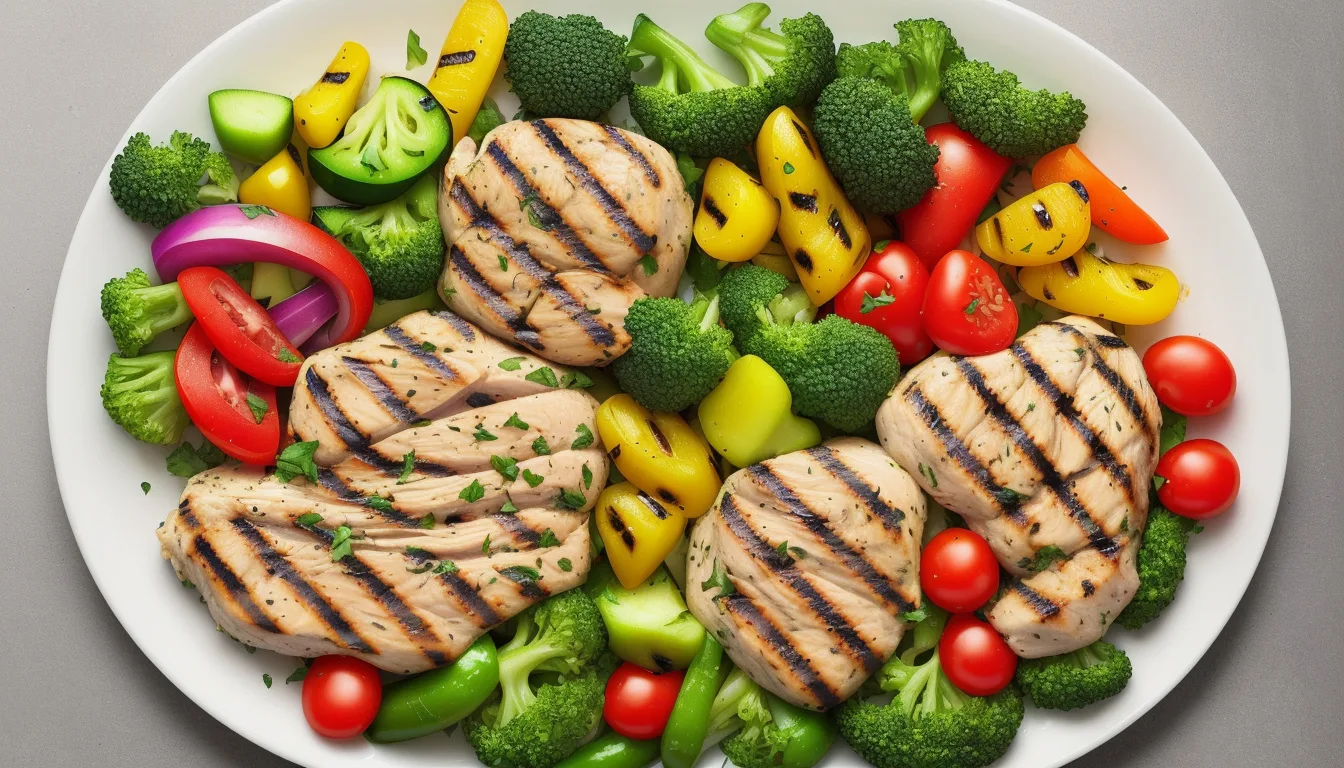
The simple rule is to let protein build your meal, then add non-starchy vegetables and good fats.
Let carbs fill a side role.
Habit 3: Trade Refined Carbs for Low Carb Choices
You do not have to give up meals you enjoy.
You merely change their base.
Simple low-carb trades:
• Bread becomes lettuce wraps, low-carb tortillas, or portobello “buns”
• Rice changes into cauliflower or broccoli rice
• Pasta swaps for zucchini noodles, spaghetti squash, or shirataki noodles
• Mashed potatoes trade for mashed cauliflower
• Chips and crackers turn into nuts, seeds, pork rinds, or veggie sticks and dip
• Sugary cereal turns into high-protein yogurt with nuts and seeds
Begin with one major carb change a day.
Swap a sandwich for a lettuce wrap, or rice for cauliflower rice, and build from there.
Habit 4: Make Half Your Plate Non-Starchy Vegetables
Low carb eating does not mean small portions.
Non-starchy veggies fill you with low carbs and lots of fiber and little calories.
At lunch and dinner, try to fill half your plate with:
• Leafy greens (spinach, kale, romaine, arugula)
• Broccoli, cauliflower, or Brussels sprouts
• Zucchini, eggplant, asparagus, or green beans
• Peppers, mushrooms, cucumbers, or celery
Roast them in olive oil, stir-fry in butter, toss in salads, or add to omelets or soups.
Let vegetables become your natural side dish.
Habit 5: Drop Liquid Sugar and Hidden Carbs
Cutting out sugary drinks and hidden carb drinks makes a big change.
These drinks add sugar and calories without filling you up.
Watch out for:
• Soda and energy drinks
• Iced tea or coffee drinks with sweeteners
• Fruit juices and juice drinks
• Smoothies made with fruit juice or sweetened yogurt
• Alcohol mixers with soda or juice
Switch these for:
• Water or sparkling water (choose unsweetened flavored ones)
• Black coffee (or with a dash of cream)
• Unsweetened tea (herbal, green, or black)
• Electrolyte drinks without added sugar
Cutting drink calories can create a good deficit for weight loss.
Habit 6: Plan Low-Carb Snacks Before Hunger Knocks
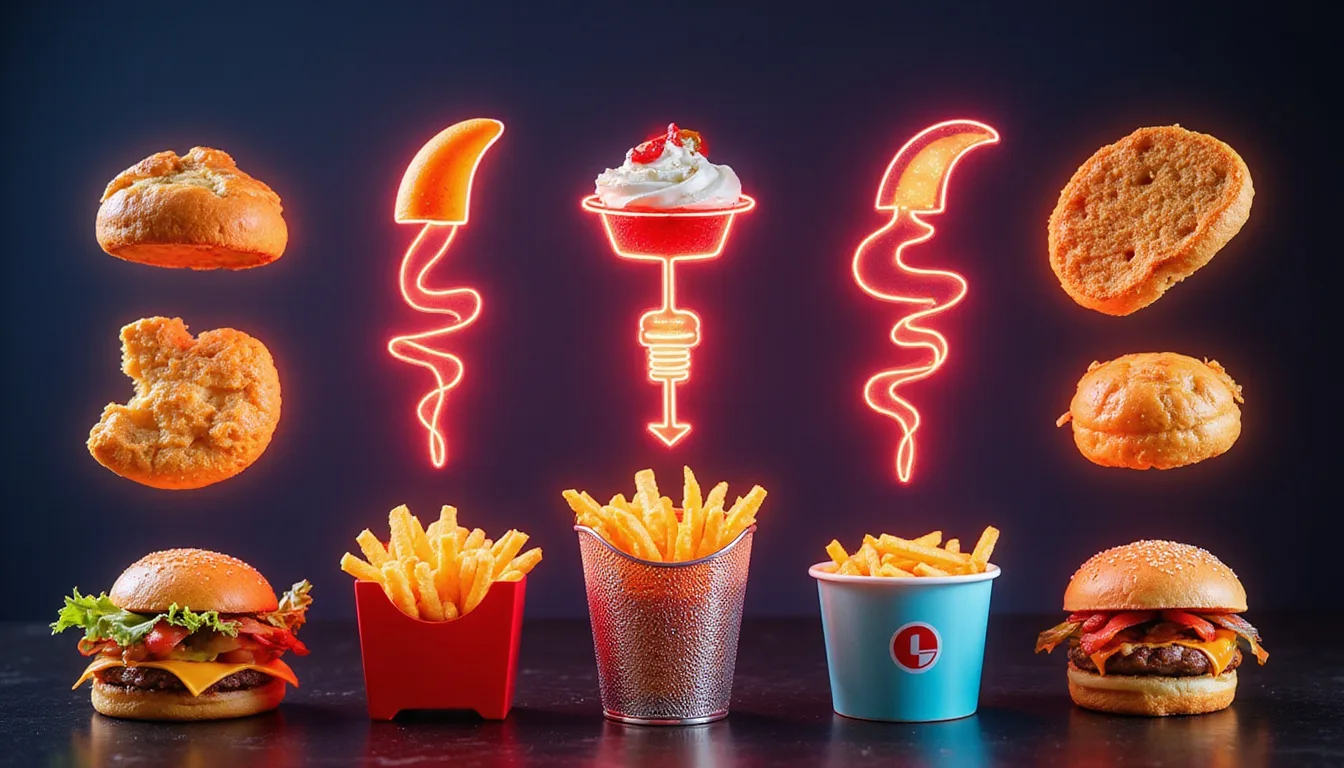
When hunger arrives, we often grab quick, high carb snacks: chips, crackers, pastries, or candy.
Plan low-carb snacks ahead so that choices come fast when hunger calls.
Good low-carb snack ideas:
• Hard-boiled eggs
• String cheese or cheese slices
• A small handful of nuts (almonds, walnuts, or pistachios)
• Deli turkey or chicken roll-ups with cheese
• Veggie sticks with guacamole, salsa, or hummus
• Greek yogurt with cinnamon
Keep snacks in your bag, car, or at your desk so a choice is near when cravings come.
Habit 7: Use the “Plate Method” to Keep Carbs in Check
Instead of weighing every gram, use a clear visual cue at meals.
This method keeps low-carb acts simple and strong.
Low-Carb Plate Method:
• ½ plate holds non-starchy vegetables
• ¼ plate holds protein
• ¼ plate holds higher-carb items (whole grains, fruit, or starchy veggies) or more low-carb veggies if you wish
This method sets carb portions without apps or math.
With time, it feels normal.
Habit 8: Check Labels for Hidden Carbs
Packaged foods may hide more carbs than you expect—often in sugars or starches made for taste or texture.
When you shop, scan for:
• Total carbohydrates and fiber (net carbs = total carbs minus fiber)
• Added sugars in grams
• Sugar names like dextrose, maltose, or corn syrup in the ingredients
You need not shun all packaged foods.
Staying alert can help you choose better and avoid hidden sugar traps.
Habit 9: Batch Cook Low-Carb Meals for the Week
Many diets break under busy days.
Low carb meals can be the easy choice when you plan ahead.
Set aside 1–2 hours once or twice a week to:
- Cook a large batch of protein (like chicken thighs, ground turkey, tofu, or salmon).
- Roast a pan of mixed vegetables.
- Make a simple sauce (pesto, salsa, olive oil with lemon, or tahini dressing).
- Divide meals into portions for quick grabs.
When you open your fridge and see low-carb meals, plus tired times, the choice is clear.

Habit 10: List Low-Carb Meals That You Enjoy
Keeping low carb habits works best when they feel good.
Write down meals you like to eat:
• 3 low-carb breakfasts you like
• 3–5 low-carb lunches you can buy or pack
• 5–7 low-carb dinners your family enjoys
For example:
• A burger without a bun, served with cheese, salad, and pickles
• Taco bowls with lettuce, ground meat, salsa, cheese, and avocado
• A stir-fry with chicken, veggies, and a low-sugar sauce over cauliflower rice
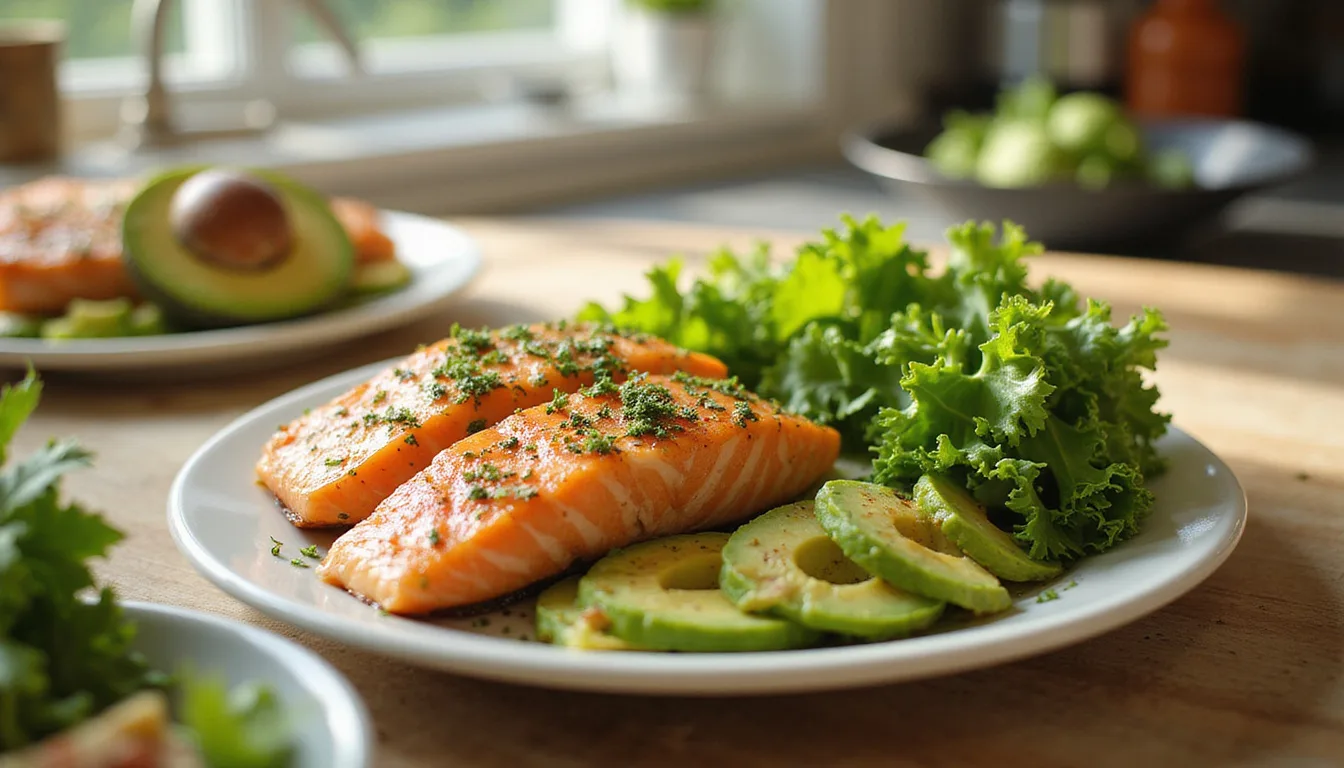
• Grilled salmon with roasted Brussels sprouts and a side salad
Keep this list on your phone or near the fridge.
When you feel tired or unready, choose from your list instead of ordering high-carb takeout.
Habit 11: Use Movement to Back Your Low-Carb Lifestyle
Food carries much of the work for weight loss, but light exercise makes the path smoother when you eat lower carbs.
Focus on:
• Walking more: 6,000–8,000 steps a day works well, especially if you sit much.
• Strength work 2–3 times a week: keeping or building muscle supports your burn and helps the body work with sugar.
• Light movement after meals: a 10–15 minute walk after eating can keep sugar spikes low and go well with low carb eating.
You do not need hard or long workouts; small, steady moves matter.
Habit 12: Adjust Carbs for Your Life, Not for Comparisons
There is no one perfect carb amount for all.
Your best number takes steps from:
• How active you are
• Your age and sex
• Health issues (like diabetes or insulin troubles)
• How your body feels at different carb marks
Common ranges include:
• Moderately low: 75–130 g carbs/day, which gives wiggle room
• Low carb: 50–75 g carbs/day, which may suit weight loss and hunger control
• Very low carb / keto: Under 50 g carbs/day, which may work but can be hard to keep
Try a range that fits you.
Watch your energy, hunger, sleep, and mood as you try different levels.
Habit 13: Eat Slowly and Listen to Hunger
Low carb eating helps lower cravings, but you can still eat too much—especially high-calorie foods like nuts, cheese, or oils.
Support your low-carb path with mindful eating:
• Sit down when you eat; do not graze.
• Eat slowly and pause mid-meal.
• Check your hunger level before and after eating on a scale from 1 to 10.
• Stop when you feel nicely full, not stuffed.
You do not have to finish every plate.
When low-carb meals join with body signals, weight loss and energy flow better.
Habit 14: Plan Ahead for Social Days and Times Off the Plan
Life goes on when you build low carb habits.
Birthdays, dinners out, and busy days still come.
The key is to plan, not to chase perfection.
Simple ideas:
• Look up menus ahead and pick a dish with protein and vegetables.
• Ask for swaps (salad instead of fries, extra veggies instead of rice).
• Set in your mind if you will choose dessert or a drink, not both.
• If you eat more carbs one time, choose differently for the next meal.
One high-carb meal does not erase progress, just as one low-carb meal does not make it.
It is your long-term pattern that counts.
Sample Day of Low-Carb Habits in Action
A sample day can show how easy low-carb living can be:
• Breakfast: An omelet with spinach, mushrooms, and cheese; black coffee
• Snack: Greek yogurt with a few walnuts
• Lunch: A grilled chicken salad with mixed greens, cucumbers, and peppers; dressed with olive oil and feta
• Snack: Veggie sticks with guacamole
• Dinner: A burger without a bun with cheese, sautéed onions, and roasted broccoli
• Drinks: Water, sparkling water, or unsweetened tea
This plan keeps carbs low, protein high, and gives you whole foods and vegetables without a crash diet feel.
FAQ: Common Questions About Low Carb Habits
-
What are some easy low carb habits for a beginner?
• Swap sugary drinks for water or unsweetened drinks.
• Choose a breakfast that is mostly protein (such as eggs, yogurt, or cottage cheese).
• Trade one carb a day (rice becomes cauliflower rice; bread becomes a lettuce wrap).
• Add a serving of non-starchy veggies at lunch and dinner.
Start with one or two changes, then add more when you feel ready. -
How many carbs should I eat for low carb weight loss?
There is no set number. Many find that around 50–100 grams of carbs per day, focused on whole foods, can work well.
Focus on vegetables, a bit of fruit, and small portions of whole grains or legumes.
If you have health issues like diabetes, talk with a doctor before you change your intake much. -
Can low carb eating boost energy instead of making you tired?
Yes. Your body can adjust to a new fuel source.
At first, in the first week or two, you might feel slow.
To help your body adjust, stay well hydrated, try to get enough calories from protein and healthy fats, and add foods like olive oil, avocado, or fatty fish.
Most people soon see steadier energy and fewer dips in the middle of the day.
Make Low Carb Habits Your New Normal
Lasting weight loss and steady energy come not from a perfect week but through everyday low carb habits.
You do not need to change all things at once.
Begin by:
• Picking a breakfast with protein and low carbs.
• Trading one refined carb for a lower-carb choice.
• Filling half your dinner plate with non-starchy vegetables.
• Planning 2–3 low-carb meals you like.
Step by step, each change stacks with the last.
This process reshapes hunger, energy, and body feel over time.
Pick two habits from this guide to start today.
After a week, add one more.
Step by step, your low-carb living grows into a routine that fits your day and helps you feel better.
[center]Always consult with your doctor prior to making drastic diet changes.[/center]
[center]As an Amazon Affiliate, Savvy Keto makes a small commision (at no extra cost to you) on any purchases you make thru affiliated links you click on.[/center]