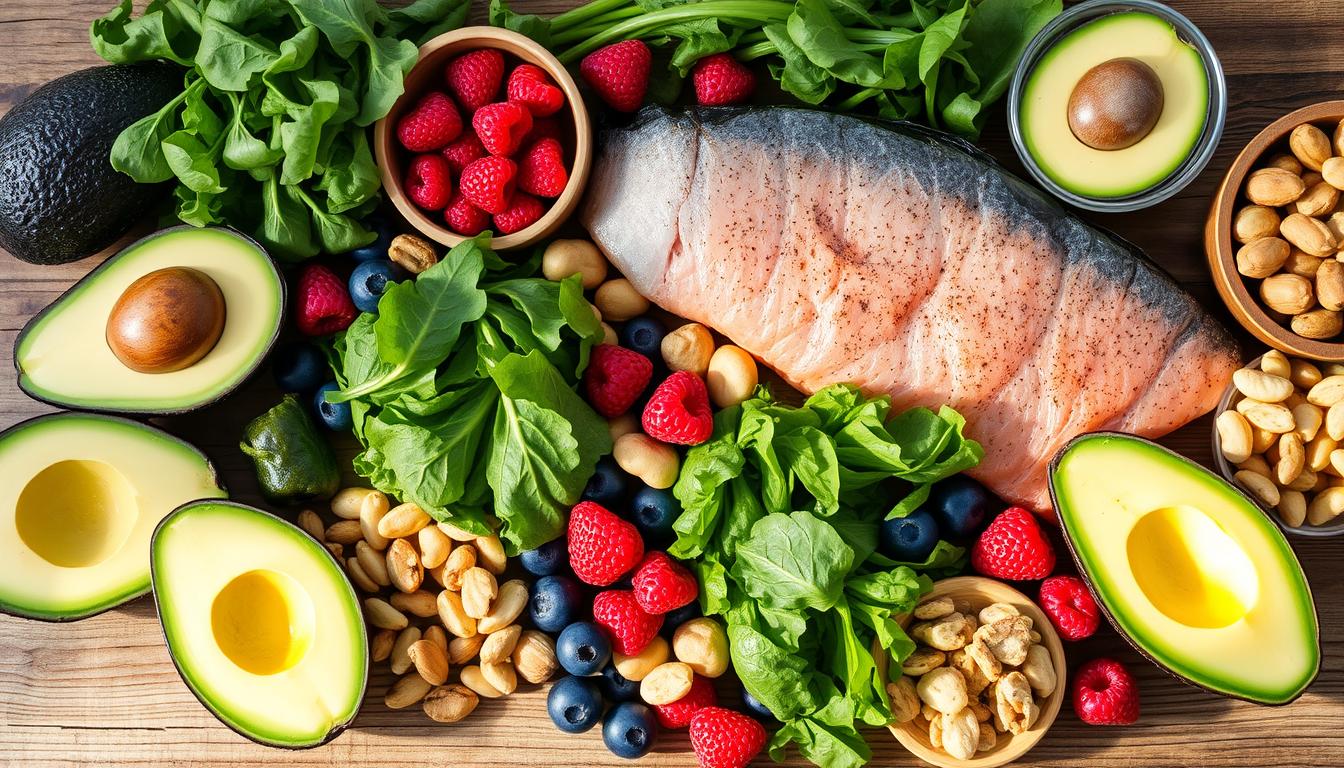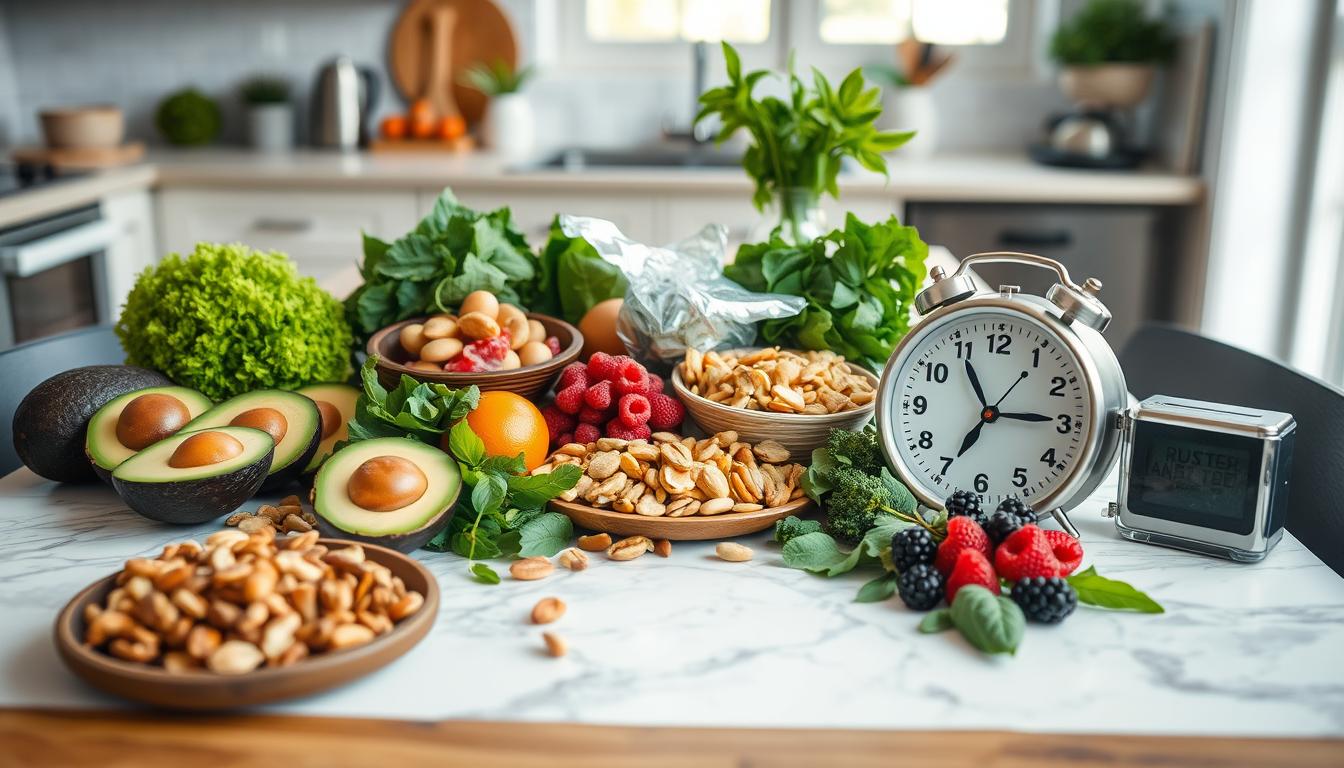
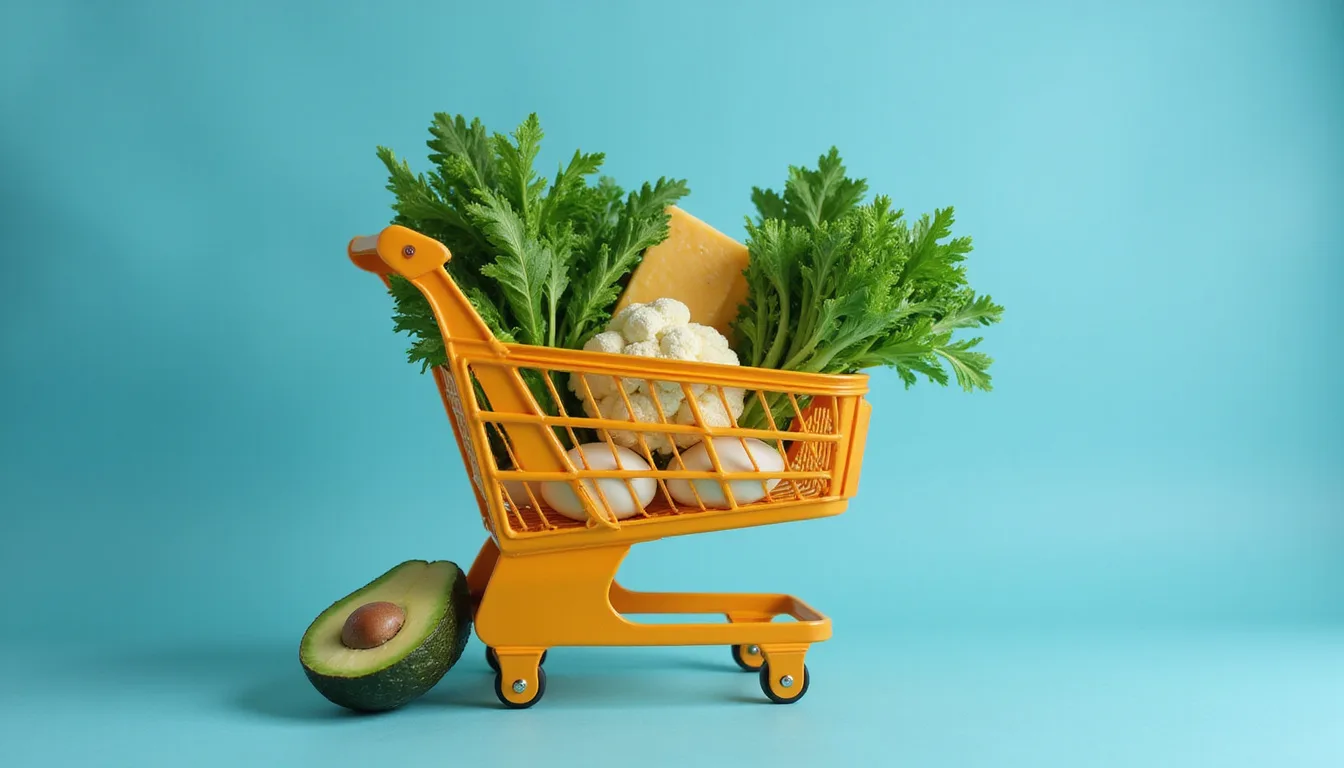
Low carb grocery shopping is simple. It does not confuse you, cost a lot, or waste your time. A clear plan, a few reliable foods, and smart swaps help your steps. This guide shows you each step. You plan your list, move through the aisles, and save money along the way.
Why low carb grocery shopping feels hard (and how to fix it)
Many people find low carb hard because:

• Packaged foods hide sugars.
• Labels like “keto” or “low carb” come at high prices or can mislead you.
• Old habits (pasta, bread, cereal) block your new goals.
The answer is to stop hunting for special diet items. You focus on whole foods and a few trusted low carb picks. When you know what to buy and what to skip, low carb shopping turns from a puzzle to a clear routine.
Step 1: Plan before you shop
A plan saves money and helps you stick to your carb goals.
Set a simple weekly structure
You do not need a strict meal plan—just a clear framework such as:
• 2–3 protein types (chicken thighs, ground beef, eggs)
• 3–4 low carb vegetables (broccoli, spinach, zucchini, peppers)
• 2–3 fat sources (olive oil, butter, avocado, nuts)
• 1–2 quick items (a roasted chicken, pre-washed salad mix)
Put these into simple meals:
Grilled chicken with roasted broccoli and a side salad; or eggs with spinach and cheese, and so on.
Make a focused shopping list
Break your list into parts like the store layout:
• Produce
• Meat & eggs
• Dairy
• Pantry
• Frozen
• Treats or special items
A clear list helps you skip carb-heavy impulse buys and snack items you do not truly need.
Step 2: Core low carb staples to keep on hand
Keeping a set of staple foods makes shopping faster and saves money. You use the same ingredients in many ways instead of starting from scratch each week.
Protein staples
Pick foods with little processing:
• Eggs – They are cheap and work in many dishes.
• Chicken thighs or drumsticks – They are mild in taste and lower in cost than breasts.
• Ground beef, turkey, or pork – They are good for burgers, meatballs, or skillet meals.
• Canned tuna, salmon, or sardines – They cost little and keep on your shelf.
• Pork shoulder or chuck roast – They work well in slow cooker meals in large batches.
• Tofu and tempeh – They work for low carb meals that do not use meat.
• Deli meat without added sugar – Check labels to avoid extra sugar and fillers.
Low carb vegetables
Non-starchy vegetables give you fiber, volume, and vitamins:
• Leafy greens: spinach, romaine, mixed greens, kale
• Brassicas: broccoli, cauliflower, cabbage, Brussels sprouts
• Others: zucchini, eggplant, bell peppers, green beans, asparagus, cucumber, mushrooms, celery
Frozen versions often cost less and keep similar nutrients.
Healthy fats
Fats fill you and add taste:
• Oils: extra-virgin olive oil, avocado oil, coconut oil
• Butter or ghee
• Avocados
• Nuts and seeds: almonds, walnuts, pecans, chia seeds, flaxseeds, pumpkin seeds
• Nut butters: peanut, almond, or sunflower (choose ones with no added sugar)
Dairy and dairy alternatives
If you eat dairy:
• Full-fat plain Greek yogurt
• Cheese (cheddar, mozzarella, feta, parmesan)
• Cottage cheese (check what is inside)
• Heavy cream or half-and-half for coffee or recipes
If you do not eat dairy:
• Unsweetened almond milk, coconut milk, or another low carb milk
• Dairy-free unsweetened yoghurt (watch the carbs)
Pantry staples
These help you make meals that are quick and fun:
• Canned tomatoes (with no extra sugar)
• Tomato paste or passata (check the carb count)
• Broth or stock (chicken, beef, or vegetable)
• Full-fat canned coconut milk
• A set of herbs and spices: garlic powder, onion powder, paprika, cumin, oregano, basil, chili powder
• Condiments with low sugar: mustard, hot sauce, some salsas, or mayo with no extra sugar
• Vinegars: apple cider, red wine, white, balsamic (use them in small amounts)
• Soy sauce, tamari, or coconut aminos for stir-fries
• Sugar-free sweeteners such as stevia, erythritol, or monk fruit blends
Step 3: Smart low carb swaps for everyday foods
You do not need to change your whole diet. Swap high carb foods for low carb versions and keep the meals you love.
Bread, pasta, and rice
• Instead of regular pasta → Try zucchini noodles, spaghetti squash, shirataki noodles, or extra vegetables with meat sauce.
• Instead of rice → Try cauliflower rice, riced broccoli, or “rice” made from cabbage.
• Instead of bread → Try lettuce wraps, low carb tortillas, chaffles (egg and cheese waffles), or open-faced meals without bread.
Breakfast foods
• Instead of sugary cereal → Try eggs with vegetables and cheese, Greek yogurt with nuts and seeds, or chia pudding made with unsweetened almond milk.
• Instead of toast and jam → Try scrambled eggs with avocado or cottage cheese with cucumber and herbs.
Snacks
• Instead of chips and crackers → Try nuts, seeds, pork rinds, cheese slices, or cucumber rounds with dip.
• Instead of candy → Enjoy a few berries, sugar-free chocolate (check what is inside), or Greek yogurt with a dash of sugar-free sweetener.
Drinks
• Instead of soda and juice → Drink sparkling water with a squeeze of lemon or lime, unsweetened iced tea, black coffee, or coffee with a little cream.
• Instead of sweetened lattes → Try plain cold brew or coffee with heavy cream and a sugar-free sweetener.
Step 4: Navigating the store: where to shop and what to skip
Your grocery trip gets simpler when you know where to look.
Stick mostly to the perimeter
Low carb must-haves stick to the edges of the store:
• Produce section
• Meat and seafood area
• Dairy and eggs section
Start your trip here. Your cart fills with whole, low carb foods before you reach the processed aisles.
Use the aisles smartly
Aisles can still help. Here you will get:
• Oils, nuts, and seeds
• Canned fish, tomatoes, and broth
• Spices and seasonings
• Coffee and tea
• Frozen vegetables
Keep your list in your hand and ignore snacks like “keto cookies” and “low carb bars” unless you planned them before.

Read labels for hidden carbs
When you doubt a food item, check its package. Look at:
• Total carbs along with fiber to learn the net carbs.
• The list of ingredients; watch for sugar, honey, corn syrup, maltodextrin, rice flour, or starch.
• Serving size; a low amount of carbs may grow if you eat extra.
Budget-friendly low carb: how to save money
Low carb shopping may get a bad name for costing more, yet it does not have to. The secret is to choose simple foods over special items.
Buy whole foods, not diet products
Packaged low carb snacks, breads, or desserts usually cost more, leave you less full, and come with more processing. A bag of almonds, a carton of eggs, or frozen vegetables win in cost and quality.
Pick cheaper cuts and bulk sizes
Some great low carb proteins cost less:
• Chicken thighs, drumsticks, or whole chickens usually cost less than boneless breasts.
• Pork shoulder, chuck roast, and ground meats work for stews and batch meals.
• Buying family packs lets you portion and freeze extras at home.
Mix fresh and frozen produce
Frozen vegetables often cost less, come in ready-to-use form, and last longer. Keep both types so you can cook with your freezer foods when you are in a hurry.
Shop store brands
Store brands for nuts, seeds, canned fish, tomatoes, oils, and frozen vegetables tend to work as well as big names and save you money.
Use a simple weekly template
Repeat meals and ingredients week by week. For example:
• Breakfast: eggs with vegetables and cheese
• Lunch: salad with protein (canned tuna or leftover chicken)
• Dinner: protein with a low carb vegetable and a fat (sauce, cheese, butter)
Keeping a routine puts you in a place to buy more in bulk and to waste less.
Sample low carb grocery list
This list is an example for one or two people for a week. Change the amounts if you need more.
Produce
• 1 bag of spinach or mixed greens
• 1 head of lettuce (romaine or iceberg)
• 1 head of broccoli
• 1 head of cauliflower or a bag of frozen cauliflower rice
• 2–3 bell peppers
• 2 zucchini
• 1 cucumber
• 1 bag of frozen green beans
• 2 avocados
• A small container of berries (if you choose)
Meat, seafood, and eggs
• 1 dozen eggs
• 1 pack of chicken thighs (choose a family pack if on sale)
• 1–2 lb of ground beef or turkey
• 2 cans of tuna or salmon
• 1 roasted chicken (if you need ease)
Dairy and alternatives
• 1 carton of heavy cream or half-and-half
• 1 block of cheese (cheddar, mozzarella, or pepper jack)
• 1 tub of plain full-fat Greek yogurt
• 1 carton of unsweetened almond milk
Fats, nuts, and seeds
• Olive oil or avocado oil
• 1 bag of almonds or mixed nuts
• 1 bag of chia seeds or ground flax (for puddings or thickening yogurt)
Pantry
• 2 cans of diced tomatoes (with no extra sugar)
• 1 can of coconut milk
• 1 carton of chicken or beef broth
• Mustard, hot sauce, or a low sugar salsa
• Salt, pepper, garlic powder, onion powder, Italian seasoning, and chili powder
This list supports breakfasts (like eggs or yogurt bowls), lunches (salads, tuna salad, or leftovers), and dinners such as stir-fries, skillet meals, soups, or casseroles.
Quick low carb meal ideas using these staples
Make your cart count by turning it into easy meals.
Breakfast
• Veggie omelet: Use eggs, spinach, peppers, and cheese cooked with butter.
• Greek yogurt bowl: Top full-fat plain Greek yogurt with a few berries, some nuts or seeds, and a little sugar-free sweetener if you wish.
• Chia pudding: Mix chia seeds with unsweetened almond milk, a drop of vanilla, and your sweetener. Let it rest in the fridge overnight.
Lunch
• Big salad bowl: Use lettuce or mixed greens, some leftover chicken, avocado pieces, cheese, and dress with olive oil and vinegar.
• Tuna salad wraps: Mix tuna with mayo, chopped celery, and spices. Serve this in lettuce leaves or over cucumber slices.
• Egg salad plate: Chop boiled eggs and mix with mayo, a bit of mustard, and pickles. Serve with extra sliced vegetables.
Dinner
• One-pan chicken and vegetables: Roast chicken thighs with broccoli, cauliflower, and a drizzle of olive oil.
• Low carb chili: Use ground beef, canned tomatoes, spices, and peppers. Skip or use few beans to keep carbs lower.
• Stir-fry: Combine ground meat or sliced chicken with mixed frozen vegetables and a splash of soy sauce or coconut aminos. Serve this over cauliflower rice.
Common mistakes in low carb grocery shopping
Watch for these slips so your plan stays clear and steady:
-
Relying only on “keto” items
These often cost more and may not fill you as well as whole foods. -
Ignoring vegetables
Low carb does not mean only meat. Vegetables give fiber, volume, and vitamins. -
Buying too many snack foods
Even low carb snacks can add up when they take the place of balanced meals. -
Skipping meal basics
Not having eggs, enough protein, or vegetables can force you to choose quick, higher carb foods later. -
Not checking labels
Sauces, condiments, and yogurts that seem healthy may hide extra sugar.
Simple checklist for low carb grocery shopping
Keep this list in mind when you enter the store:
- Do I have at least 2–3 proteins for the week?
- Do I have 3–4 low carb vegetables, fresh or frozen?
- Do I have healthy fats like oils, butter, or avocado?
- Do I have quick breakfast options such as eggs or yogurt?
- Did I add a few quick items for busy days such as a roasted chicken, a salad mix, or frozen vegetables?
- Have I left out extra special “keto” items?
If you can answer “yes” to most, your week is set for low carb eating.
FAQ about low carb grocery shopping
-
How do I start low carb grocery shopping on a tight budget?
Keep it simple with eggs, canned tuna, cheaper cuts (like chicken thighs and ground beef), frozen vegetables, and store-brand nuts and oils. Skip expensive snack items. Focus on meals like eggs with vegetables, tuna salad, stir-fries, and soups that use less. -
What should I avoid in a low carb food shop?
Avoid obvious carb-rich foods like bread, pasta, rice, cereal, regular tortillas, cookies, and sugary drinks. Also check sauces, flavored yogurts, granola bars, and snack mixes for extra sugars. -
Are low carb grocery lists too strict for families?
A low carb list can work for a family. The base stays the same – proteins, vegetables, and healthy fats – and you add sides like rice, pasta, or bread for those who need more carbs. This way you cook one main meal and let each person choose extra carbs if needed.
Turn your next grocery trip into a low carb reset
Low carb grocery shopping does not need perfection or high-priced items. With a short list of reliable basics, some smart swaps, and a weekly plan, you can walk into any store and leave with what you need for satisfying, lower carb meals.
Use this guide as your plan for the next trip: Keep your focus on proteins, fill your cart with low carb vegetables, choose healthy fats, and ignore extra processed items. Start small—swap your usual pasta or cereal for eggs, vegetables, and cauliflower rice this week. Your future self, less stressed, better fueled, and more in control, will thank you.
[center]Always consult with your doctor prior to making drastic diet changes.[/center]
[center]As an Amazon Affiliate, Savvy Keto makes a small commision (at no extra cost to you) on any purchases you make thru affiliated links you click on.[/center]