

If you are done with one-size-fits-all diets and want a smart way to change, low carb coaching can make a big difference.
Low carb coaching links meal planning, habit shifts, and regular support.
This guide shows what low carb coaching is, how it works, who gains most, and how to pick a coach for lasting change.
What is low carb coaching?
Low carb coaching gives you one-on-one support to cut back on carbs in a way that fits your life, taste, and health needs.
Instead of following strict plans or quick fixes, coaching helps you form new habits.
You choose good foods, measure portions well, set up meals for energy, and work through problems like cravings, social meals, and stalls in progress.

Why choose coaching instead of a diet plan?
• Support: Check-ins keep you on track.
• Custom fit: A coach adapts tips to your health history, daily activity, and food likes.
• Habit building: Coaches show you ways to form habits that stick and help you avoid setbacks.
• Learning: You see how food impacts hunger, energy, and mood—not just what to cut out.
Benefits of a low carb coaching approach
A strong low carb coaching plan brings more than weight loss. Many people find:
• Steady weight loss driven by better appetite control instead of calorie counting.
• More consistent energy during the day as smaller carb ups and downs lower crashes.
• Firmer blood sugar control for those with insulin resistance, prediabetes, or type 2 diabetes.
• Fewer cravings and less hunger when protein, good fats, and fiber take center stage.
• Easier meal routines and less time wasted on food decisions.
Scientific perspective
Studies show that reducing carbs helps with weight loss and metabolic health when done safely.
For a view of low-carb diets and their benefits, see Harvard Health’s summary of current evidence (https://www.health.harvard.edu/staying-healthy/low-carb-diets) (Harvard Health).
How low carb coaching works: the typical process
Low carb coaching follows a clear, step-by-step approach:
- Assessment: A coach looks at your health history, medicines, current food habits, daily activity, sleep, and aims.
- Goal setting: Together you set short and long-term goals that focus on clear outcomes like energy, weight, sleep, and blood sugar.
- Learning: You study macronutrients, portions, reading labels, and spotting hidden sugars.
- Meal strategy: The coach sets a carb range that fits you—from moderate to lower—and shows sample meals.
- Skill-building: You get tips for shopping lists, meal prep, eating out, and mindful eating.
- Monitoring and change: Regular talks help adjust the plan based on progress, side effects, or life changes.
Who benefits most from low carb coaching?
Low carb coaching is not one-size-fits-all but works best for:
• People who fight hunger and strong cravings.
• Those with insulin resistance, metabolic syndrome, prediabetes, or type 2 diabetes.
• Anyone who needs steadier energy and fewer blood sugar swings during the day.
• People who have tried simple calorie cuts and then gained weight back.
• Busy workers who need real meal ideas instead of advice that stays on paper.
Common misconceptions and safety considerations
• Myth: Low carb coaching means never eating any carbs.
Reality: Most plans stress carb quality and timing, not full removal.
Good carbs like many vegetables and some fruits stay in the plan.
• Myth: Low carb diets lose fiber or key nutrients.
Reality: A good low carb plan adds fiber from vegetables, nuts, seeds, and low-sugar fruits along with other nutrient-rich foods.
• Safety note: If you use glucose-lowering medicines (like insulin or sulfonylureas), shifting carbs may need a change in your meds.
Work with your doctor and your coach to keep safety in mind.
Types of low carb strategies coaches might use
Coaches set your carb goals based on your aims and health factors. Some types include:
• Moderate low carb: 100–150 grams a day—easy to follow and good for overall health and weight loss.
• Lower carb: 50–100 grams a day—helps with faster weight loss and blood sugar control.
• Ketogenic-style coaching: 20–50 grams a day—used in special cases and needs close care.
Practical daily habits taught in low carb coaching
• Begin meals with vegetables and protein to calm blood sugar spikes.
• Switch refined carbs (white bread, sweets, sugary drinks) with whole-food choices.
• Add healthy fats (olive oil, avocado, nuts) at meals to keep you full.
• Watch the size of carb-heavy portions instead of cutting them out completely.
• Plan snacks that combine protein and fat—like Greek yogurt with nuts or cheese with cucumber—to keep your energy steady.
6-step starter plan: How to begin with low carb coaching
- Write down your current eating habits for one week to see patterns.
- Book a first coaching session to review your health details and set clear, real goals.
- Choose a carb range that fits your health needs (your coach will help pick a start point).
- Swap one high-carb item in your meal for a low-carb, whole-food choice (for example, replace fries with a side salad).
- Create a simple meal plan for one week with easy breakfasts, lunches, and 30-minute dinners.
- Set up weekly check-ins during the first month and then every two weeks as you progress.
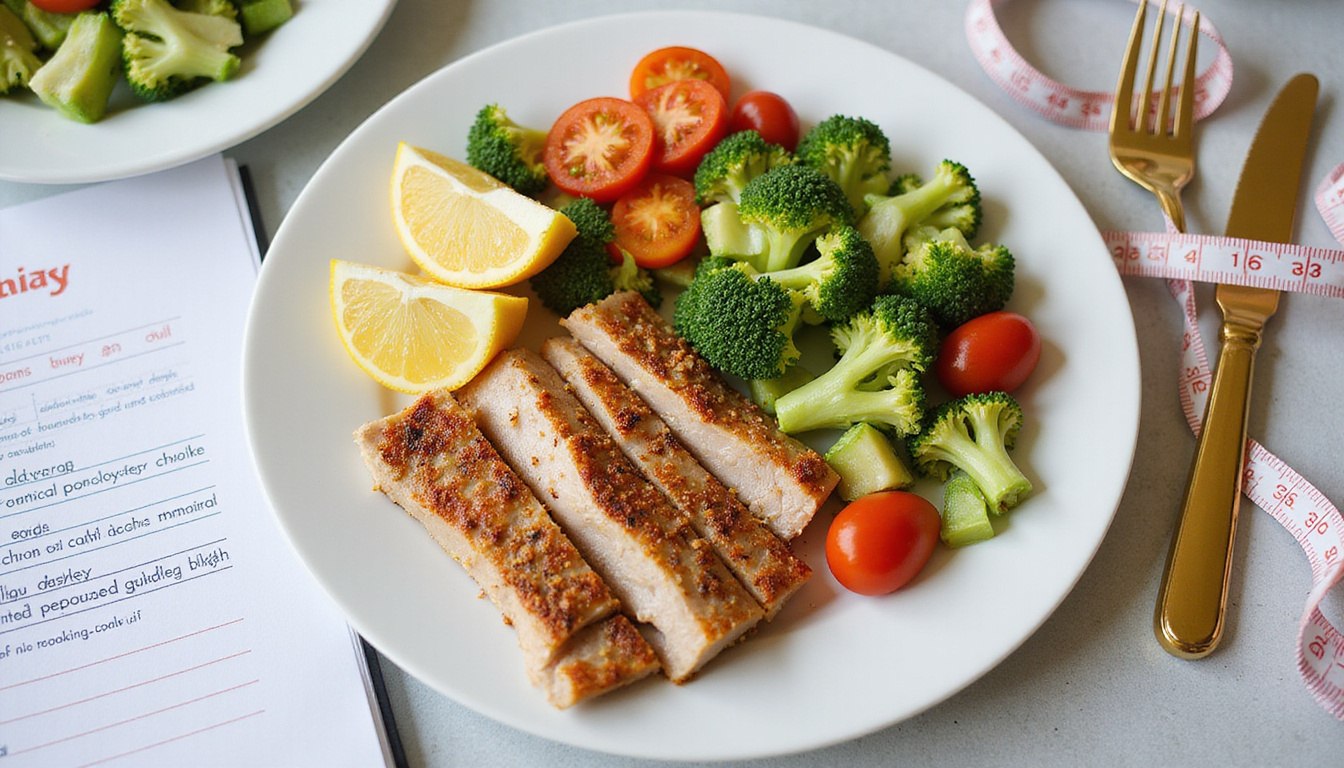
Meal examples to illustrate low carb coaching choices
• Breakfast: An omelet with spinach, mushrooms, and feta—protein mixed with vegetables.
• Lunch: A salad with grilled chicken, greens, tomatoes, avocado, and olive oil dressing.
• Snack: Cottage cheese with a few raspberries and a light sprinkle of chia seeds.
• Dinner: Baked salmon, roasted Brussels sprouts, and mashed cauliflower.
Tracking progress beyond the scale
Low carb coaching looks at various results:
• How steady your energy feels during the day.
• Blood sugar or fasting glucose readings for those who monitor.
• How your waist feels and how your clothes fit.
• Sleep quality and mood.
• How well you stick to meals and healthy habits.
How to choose the right low carb coach
Look for these points:
• Credentials and experience: Pick registered dietitians, certified health coaches, or clinicians with low carb skills.
• Health care skills: Your coach should work well with your doctor, especially if you have diabetes or take medications.
• Habit-building methods: Coaches who teach skills like meal planning and coping strategies tend to bring long-lasting results.
• An evidence-based plan: Avoid coaches who promise wild results that do not last.
• Good fit: Choose a coach who listens well and fits in with your way of life.
Red flags to avoid
• Claims of fast, sure weight loss with no mention of risks.
• Rigid meal plans that ignore your tastes and health needs.
• Ignoring medicine interactions or refusing to team with your health care provider.
• Advice that is so strict it makes social meals or travel hard.
Success stories and what they share in common
People who do well with low carb coaching say they:
• Focus on steady change rather than perfection.
• Learn to handle social gatherings with no guilt.
• Use data (like food logs or glucose readings) to adjust their plan.
• Put sleep and stress management first, since these affect hunger and energy.
Addressing common barriers
• Hunger: Add more protein and good fats at meals; wait 30–60 minutes after eating to see full satisfaction.
• Social events: Bring your own dish, choose meals with protein first, and plan a lighter meal afterward if needed.
• Travel: Pack snacks you can carry, like nuts, jerky, or small packets of nut butter.
• Plateaus: Recheck your meal sizes, sleep, stress, and activity; try small adjustments in your carbs with your coach.
FAQ (three short Q&A using keyword variations)
Q: What is low carb coaching and how is it different from a diet plan?
A: Low carb coaching is a one-on-one service that shows you how to cut carbs smartly with ongoing support and health checks. It is not just a set-of-rules plan.
Q: Can a low-carb coaching program help with blood sugar and energy?
A: Yes. A well-planned low-carb program helps steady blood sugar and cuts down on energy drops by keeping meals balanced.
Q: How do I find a qualified low-carb coach who knows about health issues?
A: Look for certified professionals (like registered dietitians or certified health coaches) who have experience with carb management and who work with your doctor.
Measuring long-term sustainability
Lasting change means new habits that stick for months and years. Work with a coach who stresses:
• Menus that can change with your tastes.
• Tactics to keep you on track after you meet your early goals.
• Ideas for handling setbacks when travel, stress, or holidays come into play.
A brief note about calories and exercise
Low carb coaching does not ignore calories or physical activity—it reshapes them.
Fewer carbs can lower hunger and naturally cut calories.
Exercise stays key for health and helps with insulin use.
Your coach will adjust carb needs if you are very active or a sports person.
When to involve your healthcare provider
If you have diabetes, are pregnant or breastfeeding, have kidney issues, or take medicines that affect blood sugar, talk with your doctor before making big changes in your diet.
Low carb coaching works with medical care, not on its own.
Summary: Is low carb coaching right for you?
If you want a real way to lose weight, gain more energy, and stabilize blood sugar that fits into your life, low carb coaching brings tailored advice, practical skills, and steady support.
It works best when standard diets have failed or when health needs make carb management key.
Call to action
Ready to stop guessing and build a meal plan that gives steady energy and lasting weight loss?
Consider booking a talk with a qualified low carb coach who can check your needs, set up a plan, and guide you during the early weeks.
Small, steady steps with the right coach can lead to real change.
Reach out to a certified low carb coach and start your path to more energy and better health today.
[center]Always consult with your doctor prior to making drastic diet changes.[/center]
[center]As an Amazon Affiliate, Savvy Keto makes a small commision (at no extra cost to you) on any purchases you make thru affiliated links you click on.[/center]