If you have tried baking low carb bread before, you know how disappointing it is when loaves come out dense, dry, or eggy. The good news is that it does not need to be that way. With the right mix of low-carb flours, binders, and moisture, you can create soft, tasty loaves that slice, toast, and hold up in a sandwich like traditional bread—without a heavy carb load.
This guide shows the key secrets behind good low carb bread and then walks you through simple, reliable recipes you can try today.
Why Low Carb Bread Is So Tricky (and How to Fix It)

Traditional bread depends on wheat flour and gluten to build structure and give chew. Remove these, and you lose:
- Gluten’s stretch and strength
- Starch’s body and softness
- Natural browning and aroma from wheat
Low carb bread recipes must replace these traits with smart substitutes:
- Structure: Nut and seed flours, fiber, and protein powders
- Binding: Eggs, psyllium husk, xanthan gum, flax, or chia
- Moisture: Healthy fats, yogurt, and the right liquid mix
- Flavor & color: Butter, olive oil, sweeteners, and the toasting process
Knowing these roles is the first step to better low carb baking.
Core Ingredients That Make or Break Low Carb Bread
1. Almond Flour: The Softness Hero
Almond flour is a must in low carb bread:
- Low in carbs yet rich in fat and protein
- Gives a soft, moist crumb
- Works best with other fibers and binders so it does not crumble
Use finely ground blanched almond flour, not almond meal, for the best feel.
2. Coconut Flour: Powerful but Tricky
Coconut flour cuts down carbs but soaks up moisture:
- Use only small amounts (often 1/4–1/3 of wheat flour volume)
- Adds body and fiber but may dry out the bread
- Always mix with extra eggs and liquids
A little coconut flour goes far; too much makes the bread sponge-like and dry.
3. Psyllium Husk: The Secret for “Real Bread” Texture
Psyllium husk powder works like gluten in the recipe:
- It adds chew and spring
- Helps the bread rise well and slice cleanly
Use powdered psyllium husk and not whole husks. Stick to recipe amounts at first to avoid a gummy result.
4. Eggs: Structure, Moisture, and Lift
Eggs bring structure and moistness:
- They add protein for support
- They offer moisture and richness
- They help mix ingredients into a fine crumb
Eggs are key in most low carb bread recipes. If you do not like an “eggy” taste, you can use more yolks than whites, add herbs, garlic, or low amounts of sweetener, and mix in extra fats like butter or cream cheese.
5. Leavening Agents: Baking Powder, Yeast, or Both
Baking powder usually makes the bread rise. Some recipes add yeast to bring flavor:
- Baking powder gives lift in most recipes
- Yeast brings a traditional bread aroma, even if the rise is small (since gluten is not present)
Using both can hit the best balance: baking powder lifts, while yeast brings flavor.
6. Fats and Dairy: Moist, Tender Crumbs
Butter, olive oil, cream cheese, and yogurt do more than add taste:
- They keep the bread soft and tender
- They improve the aroma and taste
- They help the bread stay fresh longer
A mix of fats (like butter plus olive oil) can work well for flavor and feel.
Secret #1: Balance Almond and Coconut Flour
Many low carb bread failures happen when you use too much of one flour.
- All almond flour gives a soft loaf that can be dense and crumbly
- All coconut flour makes a very dry, spongy loaf unless balanced with eggs and fat
A good blend to try is:
- 2 parts almond flour
- 1 part coconut flour
You can adjust this mix: more almond flour makes it softer, while more coconut flour cuts carbs and adds fiber.
Secret #2: Do Not Skip the Psyllium
For a loaf that:
- Rises high
- Has a nice "bready" chew
- Slices and toasts well
psyllium husk powder is a must.
Use a modest amount (usually 1–3 tablespoons per loaf), and always:
- Measure clearly
- Let the dough rest for a few minutes so the psyllium can soak up liquid
- Mix just until thick, not more
Secret #3: Add Moisture and Flavor Boosters
Low carb bread can dry out fast. To keep it moist:
- Stir in sour cream, yogurt, or cream cheese
- Use butter, olive oil, or avocado oil for softness
- Mix in small amounts of low carb sweetener to copy a balanced bakery taste in savory loaves
These steps help your bread stay soft for days instead of turning into a hard brick overnight.
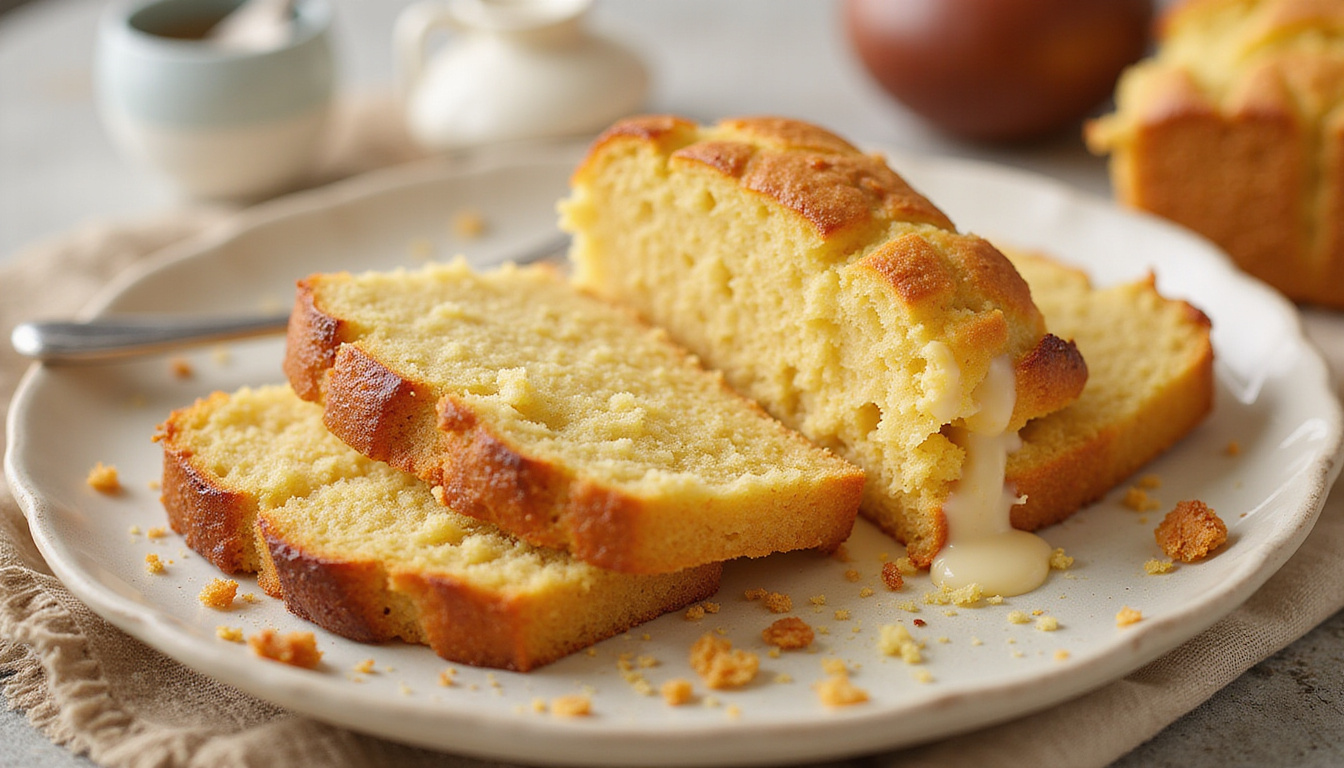
Simple Everyday Low Carb Bread (Soft Sandwich Loaf)
This recipe yields a versatile loaf that works for toast, sandwiches, and grilled cheese.
Ingredients
- 1 ½ cups blanched almond flour
- 3 tbsp coconut flour
- 2 tbsp psyllium husk powder
- 2 tsp baking powder (use gluten-free if needed)
- ½ tsp salt
- 4 large eggs (room temperature)
- ½ cup unsweetened almond milk (or water)
- 3 tbsp melted butter or olive oil
- 2 tbsp sour cream or plain Greek yogurt
- 1 tsp apple cider vinegar
Optional for added taste:
- 1–2 tsp erythritol or allulose (for a bakery feel, not extra sweetness)
- ½ tsp garlic powder, ½ tsp onion powder, or dried herbs
Instructions
- Preheat your oven to 350°F (175°C). Line an 8×4-inch loaf pan with parchment and lightly grease it.
- In a bowl, whisk almond flour, coconut flour, psyllium, baking powder, and salt until mixed well.
- In another bowl, beat the eggs. Then add almond milk, melted butter/olive oil, sour cream/yogurt, and apple cider vinegar. Mix until smooth.
- Add the dry mix to the wet mix and stir until just combined. The batter thickens in 2–3 minutes as the psyllium absorbs the liquid. If the batter feels too stiff, stir in 1–2 extra tablespoons of almond milk.
- Pour the batter into the pan and smooth the top. Bake for 35–45 minutes until the top turns golden and a toothpick inserted in the center comes out mostly clean.
- Let the bread cool in the pan for 15 minutes before transferring to a rack. Cool completely before slicing to get the best texture.
Macros (approximate per slice, 12 slices)
- 120–130 calories
- 3–4 g net carbs
- 9–11 g fat
- 5–6 g protein
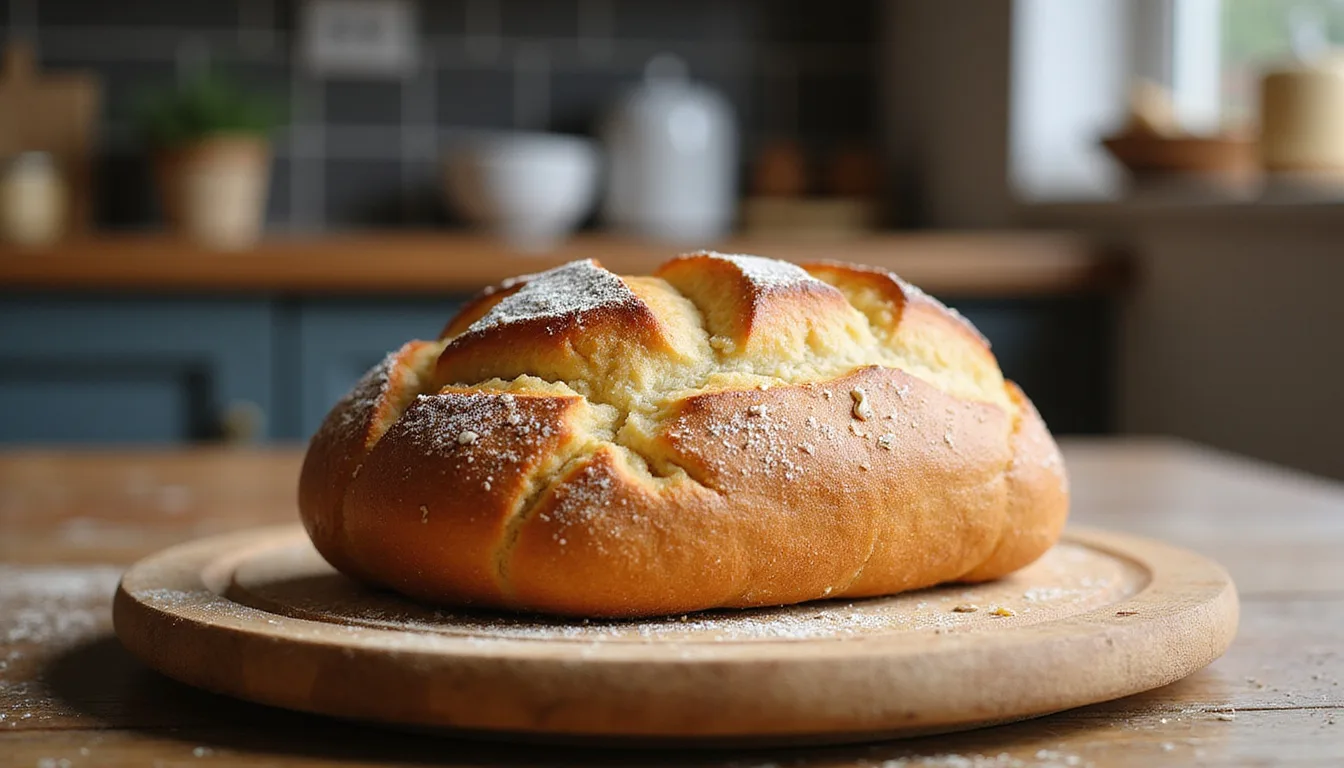
Rustic Keto Psyllium Bread (Chewier “Artisan” Style)
This recipe produces a chewier, more rustic loaf with a firm crust. It uses psyllium and a bit of yeast to bring in flavor.
Ingredients
- 1 ¾ cups almond flour
- ¼ cup ground golden flaxseed
- 3 tbsp psyllium husk powder
- 2 tsp baking powder
- 1 tsp salt
- 3 large egg whites
- 1 cup warm water (about 105–110°F / 40–43°C)
- 1 tbsp olive oil
- 1 tsp active dry yeast (optional, for added taste)
- 1 tsp inulin or a pinch of low carb sweetener (to feed the yeast, if using)
Instructions
- If you use yeast, stir it into the warm water with the inulin or sweetener. Let it sit for 5–10 minutes until you see foam.
- In a bowl, whisk almond flour, ground flaxseed, psyllium, baking powder, and salt.
- Lightly beat the egg whites until they form some froth (stiff peaks are not needed).
- Mix the egg whites, olive oil, and the yeast mixture (or plain warm water) into the dry ingredients. Stir until a thick dough appears and let it sit for 5 minutes.
- With wet hands, shape the dough into a round or oval loaf and place it on a parchment-lined baking sheet. Score a shallow X on the top.
- Bake at 375°F (190°C) for 45–55 minutes until the crust feels firm and the loaf sounds hollow when tapped.
- Let the loaf cool on a rack for at least 1 hour before slicing to set its structure.
This bread is great for toast, bruschetta, and open-faced sandwiches.
Ultra-Quick Low Carb Mug Bread (90-Second Fix)
When you need low carb bread in minutes, mug bread works well.
Ingredients (single serving)
- 3 tbsp almond flour
- ½ tbsp coconut flour
- ½ tsp baking powder
- A pinch of salt
- 1 tbsp melted butter or olive oil
- 1 egg
- 1 tbsp water or almond milk
Optional: a pinch of garlic powder or Italian seasoning for a savory touch.
Instructions
- Mix all ingredients in a microwave-safe mug or small bowl until smooth.
- Microwave the mix on high for 90 seconds. (Microwave power varies; add 10–15 seconds if needed.)
- Let it cool for 1–2 minutes before slicing into 2–3 rounds.
- For a crisper texture, toast slices in a pan with butter or in a toaster oven.
This mug bread works well in breakfast sandwiches, burgers, or as a side with soup.
Flavor Variations: Make Low Carb Bread Anything but Boring
Once you have learned one base low carb bread recipe, you can easily change the flavors.
Savory Upgrades
- Herb and garlic: Stir in 1 tsp garlic powder, 1 tsp Italian seasoning, and 2 tbsp grated Parmesan.
- Olive and rosemary: Mix in 2 tbsp chopped olives and 1 tbsp fresh rosemary.
- Cheddar jalapeño: Fold in ¼ cup shredded cheddar and 1–2 tbsp finely chopped jalapeño (remove the seeds).
Slightly Sweet (Still Low Carb)
- Mix in 1–2 tbsp low carb sweetener
- Add 1 tsp vanilla extract and ½ tsp cinnamon
- Stir in a handful of chopped nuts for some crunch
These tweaks work especially well in muffin-tin or mini-loaf versions for portion control.
Storage, Freezing, and Reheating Tips
To keep your low carb bread soft and tasty:
- Room temperature: Place in an airtight container for up to 2–3 days.
- Refrigeration: Keeps it fresh for up to a week, but it may dry out—slice and toast before eating.
- Freezing: Slice the bread, then store with parchment between slices in a zip bag. It lasts 1–2 months.
- Reheating: Toast slices straight from the freezer or warm them in an oven at about 300°F (150°C).
Since low carb bread is higher in fat and has fewer preservatives than store-bought bread, it does not keep as long. Freezing in portions is a handy method.
How Low Carb Bread Fits Into Your Diet
Low carb bread can help with several eating styles:
- For keto diets: Most slices have just 1–4 g net carbs
- For diabetes management: It may lower blood sugar spikes after eating compared to regular bread (but always watch your own levels)
- For weight management: The extra protein and fat help you feel full for longer
The American Diabetes Association notes that both the quality of carbs and the portion size affect blood sugar. Swapping high carb bread with a well-made low carb version is one way to manage your carb intake.
Common Mistakes When Baking Low Carb Bread
Avoid these errors for better results:
- Overbaking: Low carb loaves dry out fast. Check them early in the baking process.
- Using coarse almond meal: It leads to a grainy and heavy texture. Stick to fine almond flour.
- Adding too much psyllium: It can make your bread gummy. Follow the recipe closely.
- Slicing before cooling fully: This may make the inside gummy or dense.
- Expecting the same texture as white bread: Low carb bread has a unique feel that is different yet delicious.
Quick Reference: Low Carb Bread Success Checklist
- Use fine almond flour with a modest amount of coconut flour
- Add psyllium or ground flax to support structure
- Include enough eggs and healthy fats
- Mix in a small pinch of sweetener for balanced flavor in savory loaves
- Bake just until done and then cool completely
- Slice, freeze, and toast for the best ease and texture
FAQ: Low Carb Bread
1. Is low carb bread healthy for daily use?
Low carb bread made from almond flour, coconut flour, psyllium, and healthy fats can be a good choice. It is usually:
- Lower in carbs and richer in fiber
- Higher in protein and healthy fats
- More filling than regular bread
Keep in mind that the energy level is higher, so portion size matters if you watch calories.
2. What is the lowest carb bread I can make at home?
For an ultra-low carb bread, use mostly almond flour and psyllium. Stick with very little coconut flour and do not use extra starches. Look up recipes labeled “keto bread” or “zero carb style bread” for very low net carbs per slice.
3. Can I replace regular bread with keto bread in all recipes?
Most uses work well with homemade keto or low carb bread:
- Sandwiches and toast
- French toast (egg-based loaves work well)
- Croutons for salads or casseroles
- Bread crumbs (dry and pulsed in a food processor)
The only case where it might not work is in recipes that need strong gluten structure (like pizza dough or airy baguettes). Expect a different texture that is still tasty.
Start Baking Soft, Tasty Low Carb Bread Today
You do not have to give up bread to eat low carb. With sound recipes and knowing how alternative ingredients work, you can bake bread that is satisfying:
- Soft enough for sandwiches
- Strong enough for toast
- Flavorful enough to enjoy alone
Pick one of the recipes above, get your ingredients ready, and bake a loaf this week. Once you taste how simple and flavor-filled homemade low carb bread can feel, you will not wish for store-bought substitutes again.
[center]Always consult with your doctor prior to making drastic diet changes.[/center]
[center]As an Amazon Affiliate, Savvy Keto makes a small commision (at no extra cost to you) on any purchases you make thru affiliated links you click on.[/center]