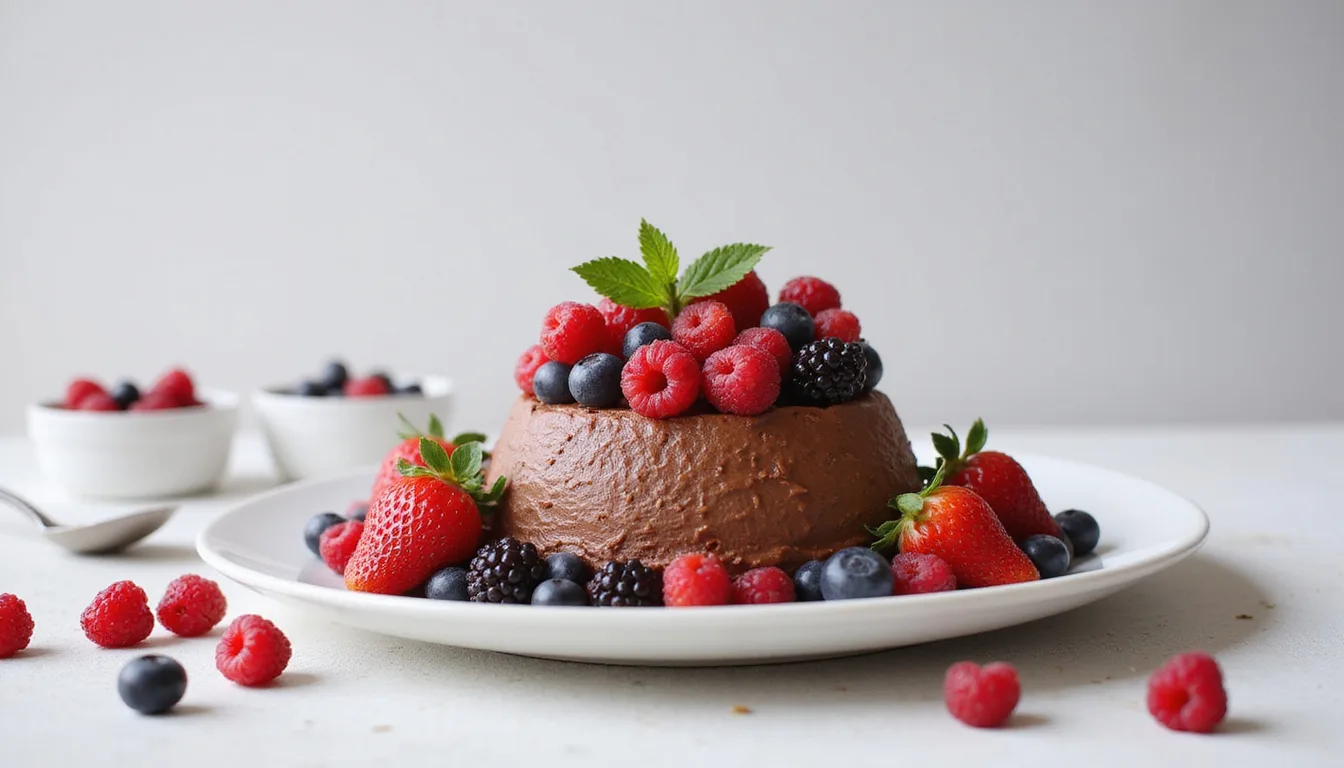

If you enjoy desserts and want to cut carbs without losing flavor, try low carb baking. With the right mix of ingredients and smart techniques, it makes moist cakes, soft cookies, and smooth frostings that please your sweet tooth and fit a healthy routine.
Why low carb baking works (and why it sometimes fails)
Low carb baking swaps refined wheat flour and sugar for ingredients with fewer digestible carbs and a lower glycemic response. This choice is strong but can bring issues. Many low-carb flours and sweeteners act in new ways, and gluten—the protein that gives chew—is missing. When recipes are not adjusted with care, the end product may seem dry, crumbly, rubbery, or too sweet.

Knowing these shifts helps you fix your recipe.
• Almond flour stays denser and moist than wheat flour.
• Coconut flour drinks up liquid fast.
• Erythritol can bring a cooling aftertaste.
• Eggs build structure when gluten is missing.
• Psyllium husk or xanthan gum can mimic elasticity.
Master these points to craft low carb desserts that feel rich instead of like "diet food."
Essential pantry staples for successful low carb baking
- Almond flour (finely ground, blanched)
- Coconut flour (use sparingly)
- All-purpose low-carb flour blends (optional)
- Psyllium husk powder or xanthan gum
- Eggs (or egg replacers for vegan variations)
- Butter, coconut oil, or a good neutral oil
- Low-carb sweeteners: allulose, erythritol, monk fruit blend, stevia
- Unsweetened cocoa powder and sugar-free chocolate
- Cream cheese, mascarpone, heavy cream for frostings
- Baking powder and baking soda
- Natural extracts (vanilla, almond), citrus zest, and salt
Core secrets that change texture and taste
- Swap ingredients, do not rely on a one-to-one change.
• Use almond flour as a one-to-one swap in some recipes but lower the liquid a bit.
• Use coconut flour at about one-fourth the amount because it soaks up liquid. - Mix flours for a good result.
• Blends like almond flour with coconut flour or almond flour with oat fiber give a better crumb than one flour alone.
• Coconut flour adds firmness while almond flour adds moisture. - Use binders with care.
• Psyllium husk, xanthan gum, or ground flaxseed fill in for gluten’s role.
• A small measure (1/4–1 tsp per cup of flour) improves chew without making the dessert gummy. - Use eggs and fats.
• Eggs create lift and build the mix; fat keeps things moist.
• Do not cut them out unless you are making a low-fat version. - Mix sweeteners for a better taste.
• Pure erythritol may give a cooling kick.
• A blend with allulose or monk fruit brings a taste closer to sugar.
• Allulose browns like sugar, which works well for cookies and caramel sauces. - Measure by weight.
• Cup measurements vary.
• Using grams gives repeatable results. - Watch oven temperature and doneness.
• Low carb items can darken fast because of high fat.
• Adjust the heat if browning happens quickly, and check doneness with a toothpick or internal temperature. - Cool items for neat slices.
• Many low carb treats, such as cheesecakes, bars, and fat bombs, firm up in the fridge.
• Chilling makes slicing easier.
Practical swaps and conversion rules
- Almond flour: Use it as the main flour in many recipes. For a standard cake that calls for 2 cups of wheat flour, begin with 2–2.5 cups almond flour and lower the liquids.
- Coconut flour: Use about 1/4–1/3 the amount of wheat flour. For each cup of coconut flour, add 4–6 eggs and more fat to balance the mix.
- Psyllium husk: Add 1–2 tsp per cup of low carb flour to improve structure.
- Sweeteners: Replace sugar with a blend of about 60–70% erythritol and 30–40% allulose or monk fruit to get balanced sweetness and browning.
- Baking time: Expect shorter bake times for small cookies and slightly longer times for dense loaves. Check early.
A step-by-step guide: converting a classic chocolate chip cookie
- Start with a familiar cookie recipe. Replace one cup of wheat flour with 1 cup almond flour plus 2 tbsp coconut flour to balance moisture absorption.
- Mix 3/4 cup erythritol with 1/4 cup allulose to match sugar’s body and browning.
- Add 1/2 tsp xanthan gum to bond the ingredients and improve chew.
- Keep the butter and eggs the same; chill the dough for 30 minutes before baking to prevent spreading.
- Bake at 325°F (about 160°C) and check for doneness at 10 minutes, adjusting time if needed.
How to avoid the classic low-carb pitfalls
- Dry crumb: Using too much coconut flour or not enough fat/eggs can dry out a dessert. Try adding extra liquid or extra egg yolks.
- Gummy texture: An excess of psyllium or xanthan gum can cause gumminess. Reduce the binder and add a bit more dry mix.
- Metallic or bitter aftertaste: Some sweeteners like stevia blends or sucralose can taste off in high amounts. Use mixes and test with small batches.
- No browning: Use allulose or a browning agent such as a small bit of honey (if your carb count allows) or raise the oven heat slightly for short periods.
Flavor boosters that make low carb desserts feel rich
- Brown butter adds depth to cookies, brownies, and cakes without extra carbs.
- A bit of molasses or a pinch of dark sugar can boost taste if the carb count allows.
- Roasted nuts, toasted coconut, and citrus zest bring extra character without extra sugar.
- Vanilla bean paste or quality extracts give a richer flavor.
Healthy considerations and nutrition balance
Low carb baking cuts digestible carbohydrates but does not mean “healthy.” Many low carb treats remain high in calories because of nuts, butter, and cream. If you monitor blood sugar or calories, watch your portion sizes and ingredient amounts. People with diabetes or other health issues should seek proper guidance. For example, the Mayo Clinic gives a balanced view of low carb diets (https://www.mayoclinic.org/healthy-lifestyle/nutrition-and-healthy-eating/in-depth/low-carb-diet/art-20045831) (Mayo Clinic).
A weekly prep plan for stress-free low carb desserts
- Mix a flour blend: Combine almond flour, oat fiber, and a small touch of coconut flour to create a versatile base.
- Divide sweetener blends into small jars for quick measuring later.
- Bake a tray of cookies and freeze them in single-serving packs for easy treats.
- Make no-bake bars and store them in the fridge—they work very well on hot days and help save time in the oven.
One simple numbered recipe: 6-ingredient low carb lemon bars
- Crust:
• 1 1/2 cups almond flour, 3 tbsp melted butter, 2 tbsp erythritol
• Press this mix into an 8×8 pan and bake for 10 minutes at 350°F. - Filling:
• 3 eggs, 1/2 cup lemon juice, 1/2 cup allulose, 2 tbsp coconut flour
• Whisk thoroughly and pour over the crust. - Bake for 18–22 minutes until the filling sets. Cool completely before cutting.
Storage, serving, and presentation tips
- Store denser cakes and bars in the fridge so they hold their shape; cookies often remain fine at room temperature for 2–3 days.
- Freeze portions for long-term storage—individual slices thaw quickly while maintaining texture.
- For a quick refresh, reheat items gently in a low oven (300°F) for 5–10 minutes.
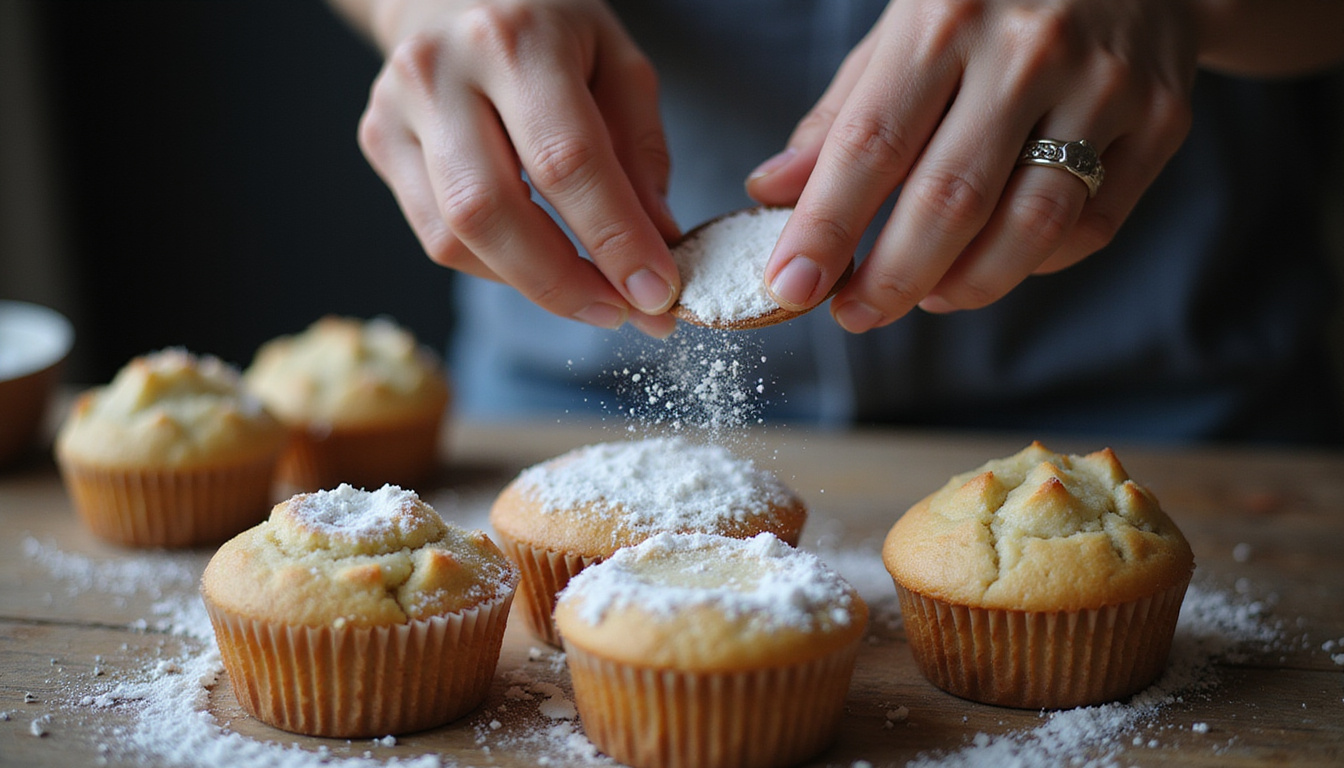
- A light dusting of powdered erythritol, a few fresh berries, or a dab of whipped cream can make your treat look refined.
Common low carb baking tools that pay off
- A digital scale for exact measurements
- Silicone spatulas and flexible pans to help remove delicate baked goods
- A microplane for zesting and fine grating
- A small offset spatula for frosting sugar-free cakes
Expert troubleshooting: Fix a cakey or crumbly dessert
- If a cake crumbles, add 1–2 extra egg yolks and a spoon of fat; consider a slight increase in the binder.
- If your dessert turns gummy, cut back on the psyllium or xanthan gum, add a touch more leavening, and beat the eggs well to incorporate air.
- If your baked item feels flat and dense, fold in whipped egg whites or check that your baking powder is fresh.
Three FAQs (short Q&A) — using keyword variations
Q1: What are the best flour substitutes for low carb baking?
A1: Almond flour and coconut flour are the most common choices. Almond flour gives richness and moisture, while coconut flour soaks up liquid and needs extra eggs. Mixing different flours with a binder like psyllium husk improves the texture.
Q2: Can beginners succeed with low carb baking recipes?
A2: Yes. Begin with recipes designed for low carb baking. Follow the steps, measure by weight, use the recommended sweetener blends, and allow time for chilling. With practice, you learn how each ingredient behaves.
Q3: Is low carb baking safe for people with diabetes?
A3: Low carb baking can help with blood sugar control but is not a replacement for medical advice. Watch your portions and net carbs, and consult your doctor. Trusted sources like the Mayo Clinic (https://www.mayoclinic.org/healthy-lifestyle/nutrition-and-healthy-eating/in-depth/low-carb-diet/art-20045831) (Mayo Clinic) offer good guidance.
One authoritative resource cited
For a balanced view on low carb diets, see the Mayo Clinic’s guide (https://www.mayoclinic.org/healthy-lifestyle/nutrition-and-healthy-eating/in-depth/low-carb-diet/art-20045831) (Mayo Clinic). It can help if you wish to combine low carb baking with broader nutritional goals.
Real-life tasting notes: What to expect
- Cookies: They are a bit denser than wheat cookies but have a richer taste. Browning may be light if you use allulose.
- Cakes: They turn out tender when almond flour and extra eggs are used; you may notice less spring.
- Brownies: These often come out fudgy and rich because of high cocoa and fat levels—check them early to avoid overbaking.
- Cheesecakes: With no sugary crust, they can be excellent for low carb recipes.
Final tips from experienced low carb bakers
- Keep a small notebook. Write down any changes you make in flour ratios, sweetener mixes, or bake times to improve your recipes faster.
- Taste the mix as you go. Adjust the sugar and salt before baking to keep surprises at bay.
- Remember that success takes time; small, steady tweaks will improve your low carb baking.
Conclusion / Call to action
Low carb baking is a fun and smart way to enjoy desserts without a sugar spike. With simple ingredient swaps, balanced sweeteners, and the right binders and flours, you can produce moist cakes, soft cookies, and creamy frostings that work well in a healthy eating plan. Ready to try? Start by stocking the pantry staples above, pick one conversion tip, and bake a small batch. You may also download a free 7-day low carb dessert plan or sign up for weekly recipes to see how guilt-free treats can be very tasty—one smart change at a time.
[center]Always consult with your doctor prior to making drastic diet changes.[/center]
[center]As an Amazon Affiliate, Savvy Keto makes a small commision (at no extra cost to you) on any purchases you make thru affiliated links you click on.[/center]