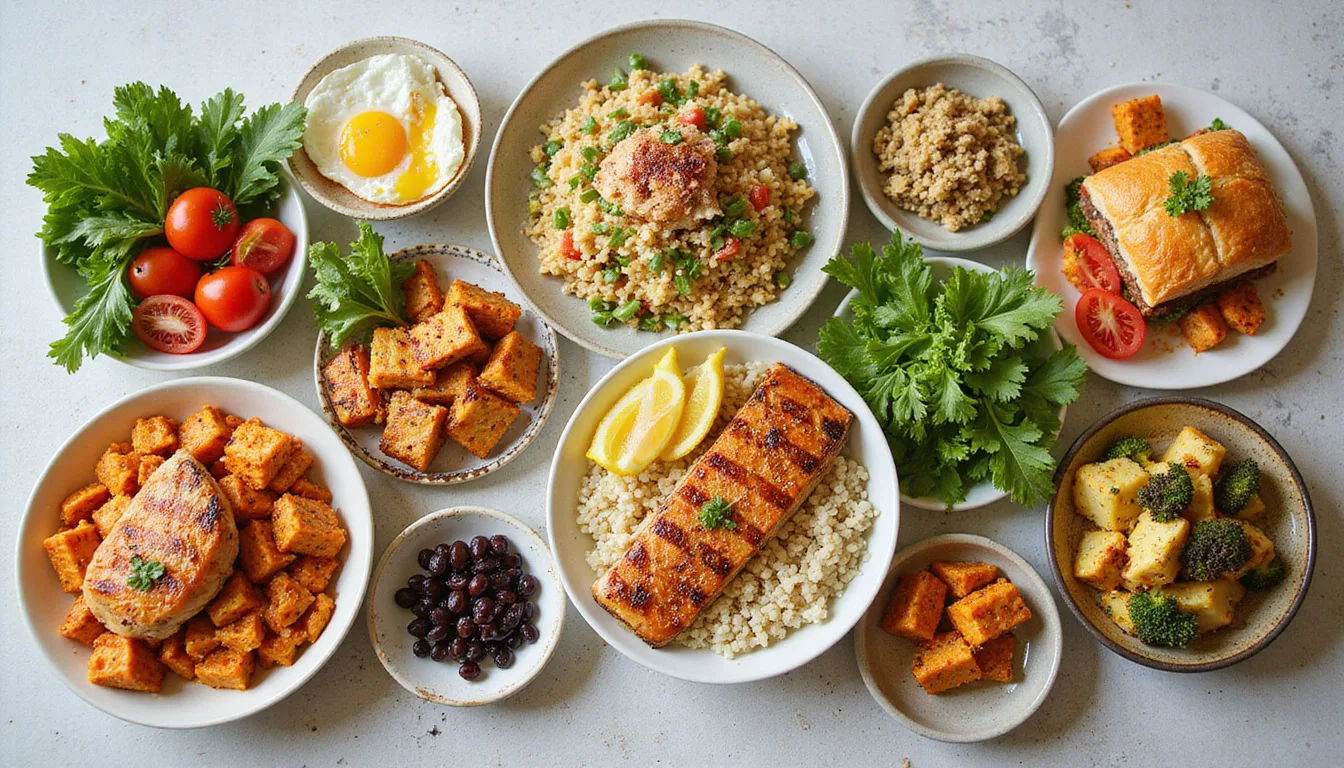
Lean proteins work as key tools to help you lose fat, build muscle, and feel more awake. They sit at the center of your meals and join with other food parts to form a balanced plate. You build meals with lean proteins to help you feel full, trim cravings, and support a strong, working body.
Below you see 10 simple meals that use lean proteins as the star. You also find tips, a mini FAQ, and a clear plan to use these meals each week.
Why Lean Proteins Matter for Fat Loss and Muscle

Lean proteins are foods rich in protein while staying low in extra fats and calories. For example:
- Skinless chicken and turkey
- White fish (cod, tilapia, haddock) and some oily fish (salmon, tuna)
- Egg whites and eggs in small amounts
- Greek yogurt and cottage cheese
- Tofu, tempeh, beans, and lentils
- Lean cuts of beef and pork (sirloin, tenderloin, loin chops)
How Lean Proteins Support Fat Loss
- Protein fills you up. Meals built with lean proteins help you feel full longer, and you eat less between meals.
- Protein burns more calories during digestion than carbs or fats (source: Harvard T.H. Chan School of Public Health).
- Protein helps keep blood sugar levels steady so you avoid big ups and downs that may trigger extra hunger.
How Lean Proteins Build and Protect Muscle
- When you work out, muscles break down. Protein gives your body the blocks (amino acids) to rebuild and grow.
- In a low-calorie plan, lean proteins help stop the body from using muscles for fuel.
- Meals with 20–40g of protein support muscle repair after exercise.
10 Simple Lean Protein Meals for Fat Loss and Muscle
These meals put lean proteins first, using simple ingredients and short prep times. Most of the meals can be ready ahead or in under 30 minutes.
1. Grilled Chicken Power Bowl
A well-rounded meal that you can change up each time.
Ingredients per serving:
- 4–6 oz grilled skinless chicken breast
- 1 cup mixed salad greens or baby spinach
- ½ cup cooked quinoa or brown rice
- ½ cup chopped cucumber, tomato, and bell pepper
- 2 tbsp hummus or light vinaigrette
Why it works:
• Chicken brings a lean protein base.
• Quinoa or brown rice adds fiber and slow-burning carbs.
• Veggies add volume and key nutrients while keeping calories low.
Quick tip: Grill 3–4 chicken breasts at one time and slice them for many meals during the week.
2. Turkey and Vegetable Egg White Scramble
A high-protein breakfast that fills you until lunch.
Ingredients:
- 3–4 egg whites (or 1 whole egg + 2 egg whites)
- 2–3 oz lean ground turkey (93% lean or higher) or turkey breast
- ½ cup chopped spinach
- ¼ cup diced onion and bell pepper
- 1 tsp olive oil or cooking spray
Why it works:
• Egg whites and lean turkey pack strong protein with little extra fat.
• Veggies add bulk and fiber as extra help to stay full.
• Ideal for before or after exercise to support muscles and calm hunger.
Variation: Swap turkey with black beans or tofu for a plant-based spin.
3. Greek Yogurt Parfait with Berries and Nuts
Good for breakfast, a snack, or a light lunch.
Ingredients:
- 1 cup plain nonfat Greek yogurt
- ½ cup mixed berries (strawberries, blueberries, raspberries)
- 1–2 tbsp chopped almonds or walnuts
- 1 tsp honey or stevia (optional)
- 1 tbsp chia or flax seeds (optional)
Why it works:
• Greek yogurt is a ready source of lean protein.
• Berries bring natural sweetness and antioxidants with low sugar.
• Nuts and seeds add a bit of healthy fat to keep you satisfied.
Tip: Keep an eye on nut portions since they add extra calories.
4. Baked Salmon with Asparagus and Sweet Potato
A meal rich in protein and healthy fats that feels satisfying.
Ingredients:
- 4–6 oz salmon fillet
- 1 cup asparagus spears
- ½ medium sweet potato, cubed
- 1–2 tsp olive oil
- Lemon, garlic, salt, and pepper
Why it works:
• Salmon provides high-quality protein and omega-3 fats that work with your body.
• Asparagus gives fiber at very few calories.
• Sweet potato brings slow-burning carbs that help after training.
Cooking method: Roast all ingredients on one sheet pan at about 400°F (200°C) for 15–20 minutes.
5. Tofu Stir-Fry with Broccoli and Brown Rice
A plant-based meal that works for meal prep.
Ingredients:
- 4–6 oz firm tofu, pressed and cubed
- 1 cup broccoli florets
- ½ cup sliced carrots and snap peas
- ½ cup cooked brown rice or cauliflower rice
- 1–2 tsp avocado or olive oil
- Low-sodium soy sauce, garlic, and ginger
Why it works:
• Tofu gives a flexible and lean protein source when pressed well.
• Stir-fry with plenty of vegetables keeps the dish filling.
• Brown or cauliflower rice lets you choose your carb level.
Tip: For a firmer taste, bake marinated tofu at 375°F (190°C) for 20–25 minutes.
6. Lean Beef Lettuce Wrap Tacos
A lighter version of taco night that still brings taste.
Ingredients:
- 4–6 oz 90–96% lean ground beef or lean ground turkey
- Romaine or butter lettuce leaves (for wraps)
- ¼ cup diced onion and tomato
- ¼ avocado, sliced (optional)
- Taco seasoning (look for a low-salt mix)
- Salsa and a spoon of Greek yogurt in place of sour cream
Why it works:
• Lean ground beef gives iron, B vitamins, and protein in one.
• Using lettuce cuts calories compared to tortillas while keeping fun flavor.
• Greek yogurt adds a creamy texture and extra protein.
Variation: Use black beans and a little cheese for a plant-based version.
7. Cottage Cheese and Veggie Protein Snack Plate
A plate that treats you like a small meal.
Ingredients:
- 1 cup low-fat cottage cheese
- Sliced cucumber, cherry tomatoes, and baby carrots
- A few whole grain crackers or rice cakes
- Salt, pepper, and herbs (like dill or chives)
Why it works:
• Cottage cheese holds slow-digesting protein that fills you up over time.
• Raw vegetables add crunch and volume with very few calories.
• Crackers give a slight touch of complex carbs to fuel you.
Use it as a snack in the afternoon to avoid that 3–4 pm drop or to keep late-night hunger away.
8. Shrimp and Veggie Zoodles (Zucchini Noodles)
A light dish that cooks quickly with high protein.
Ingredients:
- 4–6 oz shrimp, peeled and deveined
- 1–2 medium zucchini, turned into noodles
- ½ cup cherry tomatoes
- 1 tbsp olive oil
- Garlic, lemon, salt, pepper, and red pepper flakes
Why it works:
• Shrimp send high protein with very few calories.
• Zucchini noodles cut calories in half when compared to pasta.
• Olive oil helps you grab extra vitamins as you eat.
Time saver: Use pre-spiralized zucchini to cut time in the kitchen.
9. Lentil and Chicken Sausage Soup
A hearty soup that feels like a full meal.
Ingredients:
- ½ cup dry lentils (which gives about 1 cup cooked)
- 3–4 oz sliced chicken sausage (choose low fat and salt)
- 1 cup low-sodium chicken or vegetable broth
- ½ cup diced carrots, celery, and onion
- Garlic, thyme, bay leaf, salt, and pepper
Why it works:
• Lentils add plant protein and fiber that help with fullness and digestion.
• Chicken sausage adds extra protein and rich taste with less fat than pork varieties.
• A soup fills you with its water content and volume.
Meal prep tip: Prepare a large pot and divide it into containers for 3–4 lunches.
10. Baked Cod with Lemon, Green Beans, and Couscous
A light dinner that works when you want to keep it simple.
Ingredients:
- 4–6 oz cod or another white fish
- 1 cup green beans
- ½ cup cooked whole wheat couscous
- Lemon slices, garlic, salt, pepper, and herbs
- 1 tsp olive oil or cooking spray
Why it works:
• White fish is one of the leanest proteins.
• Green beans add fiber and a crunchy bite.
• Whole wheat couscous brings a fast-cooking carb to balance the meal.
Time to table: About 20 minutes in all, with baking and couscous ready in time.
How Much Lean Protein Do You Need?
Your perfect amount depends on your weight, exercise, and goals. In general, for fat loss and muscle support:
• Active adults may choose roughly 0.7–1.0 grams of protein per pound of body weight
(1.6–2.2 g per kg).
For instance, a 160-lb (73-kg) person can aim for:
• 112–160 grams of protein each day
• Split into 3–5 meals or snacks, that makes about 25–40 grams per meal
If these numbers seem high, build each meal around lean proteins and you will hit your targets more easily.
Tips for Using Lean Proteins Every Day
Building a daily habit with lean proteins supports steady fat loss and muscle gain.
1. Build Your Meal with Protein First
Ask first, “What will serve as my protein source here?”
Then add a fiber-rich carb (like vegetables, fruit, whole grains, or beans) and a bit of healthy fat (such as olive oil, avocado, nuts, or seeds) to round out the meal.
2. Keep 2–3 Lean Proteins Ready
Choose a few foods you enjoy and have them on hand:
• Cooked chicken breast (remove the skin)
• Cans of tuna or salmon
• Greek yogurt tubs
• Eggs or egg whites
• Frozen shrimp or fish
• Tofu or tempeh
• Lean ground turkey or beef
When lean proteins are ready, the thought “What should I eat now?” will vanish.
3. Use Simple Spices and Shortcuts
You do not need long recipes. Use:
• Spice mixes (think taco spices, Italian herbs, curry powder)
• Pre-cut vegetables and salad kits
• Frozen veggies for the microwave
• Ready-to-eat items like rotisserie chicken (skin off), pre-cooked lentils, or canned beans
Use herbs, garlic, citrus, and spices to keep meals interesting.
4. Plan Your Main Meals
Pick 2–3 lean protein meals from this list that:
• You truly enjoy
• Fit your daily schedule and cooking time
• Match your taste preferences
Rotate these meals during the week as your main choices, and fill other meal times with simple snacks or leftovers.
Common Mistakes When Using Lean Proteins for Fat Loss
Avoid these common pitfalls:
- Relying only on protein shakes – Shakes work, but whole-food lean proteins fill you better and hold extra nutrients.
- Skipping vegetables and fiber – Protein on its own might not fill you, so always add veggies or high-fiber carbs.
- Using too many extra toppings – Heavy sauces, too much cheese, oils, or dressings can boost calories. Watch your portions.
- Eating too little overall – Extreme calorie drops with high protein can lead to low energy and overeating. Keep a moderate deficit.
- Missing consistency – One high-protein day does not shift much; stick to steady habits for weeks and months.
FAQ: Lean Proteins, Fat Loss, and Muscle
1. What are examples of lean proteins for weight loss?
Good lean proteins for weight loss include skinless chicken breast, turkey breast, white fish (like cod and tilapia), shrimp, egg whites, nonfat Greek yogurt, low-fat cottage cheese, tofu, tempeh, lentils, and beans. Lean cuts of beef (sirloin, tenderloin, 90%+ ground beef) and pork loin also count when kept in check by portion.
2. How much lean protein should I eat per meal to build muscle?
Many reach for 20–40 grams of lean protein per meal, eaten 3–5 times each day. This range supports muscle repair and recovery, especially if you add strength training.
3. Can lean protein meals alone help lose belly fat?
Lean protein meals work hard by filling you, supporting muscles, and slightly raising calorie burn. But they must join with:
• A steady overall calorie drop
• Plenty of fiber and vegetables
• Regular resistance training and daily movement
Lean proteins support a complete lifestyle plan for fat loss.
Take Action: Build Your Next Week Around Lean Proteins
You now have 10 simple meals built around lean proteins and a clear view of why they matter for fat loss and muscle. The next step is simple:
• Choose 2 breakfasts, 3 lunches, and 3 dinners from the ideas above.
• Make a brief shopping list focused on lean proteins and vegetables.
• Prepare at least one batch-cooked item (like grilled chicken, tofu, or soup) this week.
Begin small, stay steady, and let lean protein meals form the base of your eating plan. Stick with one week of planning around lean proteins and you will feel the change in hunger, energy, and muscle repair as you work toward a leaner, stronger body.
[center]Always consult with your doctor prior to making drastic diet changes.[/center]
[center]As an Amazon Affiliate, Savvy Keto makes a small commision (at no extra cost to you) on any purchases you make thru affiliated links you click on.[/center]