Keto weight loss grows popular because it shows quick, clear results in the first few weeks. It works better when you follow a solid, science-based plan that burns fat, keeps muscle, and still lets you feel like yourself.
This guide gives you 9 tested ways to make keto work both fast and smart. You will feel good and strong along the way.
What Is Keto Weight Loss, Really?

The keto diet uses very few carbs, high fat, and moderate protein. When you drop carbs low enough, your body shifts from using sugar to burning fat. Your liver then makes ketones, and the body enters a state called ketosis.
Keto weight loss happens because your body:
• Lowers insulin, the hormone that stores fat
• Burns more fat for energy
• Eats less and cuts cravings
• Keeps blood sugar stable
Research shows keto can lead to more weight loss at first than low-fat diets. This tends to be the case for people with obesity or insulin resistance (source: Harvard T.H. Chan School of Public Health).
Let’s change that science into 9 easy steps you can use.
1. Set Your Keto Macros for Fat Loss, Not Just “Keto”
Many try low-carb and believe it is keto. For solid keto weight loss, your targets matter.
Start with these baseline macro guidelines
For most adults going for fat loss:
• Carbs: 20–30 grams of net carbs per day (total carbs minus fiber and sugar alcohols)
• Protein: 0.8–1.0 grams per pound of your goal weight
• Fat: Use enough fat so you feel full (usually 60–75% of total calories)
For example, for a 180 lb person aiming for 150 lb:
• Protein: 120–150 g/day
• Net carbs: 20–30 g/day
• Fat: Fill the rest of your calories (usually 90–120 g/day to start)
Each part works together. Low carbs push your body to burn fat. Enough protein helps keep muscle and the burn high. The right fat amount makes your body use stored fat, not only what you eat.
Try a tracking app for 2–4 weeks so you see real patterns and make smart changes.
2. Prioritize Real Food Fats over “Dirty Keto”
You may drop weight eating fast-food burgers without buns and processed cheese. Yet this style can lead to plateaus, strong cravings, and poor well-being.
For long-lasting keto fat loss, choose whole, nutrient-rich foods.
Build your meals around:
• Healthy fats:
• Avocado and olive oil
• Coconut oil and MCT oil
• Grass-fed butter or ghee
• Nuts and seeds (almonds, walnuts, chia, flax)
• High-quality proteins:
• Eggs
• Fatty fish (salmon, mackerel, sardines)
• Poultry and beef
• Greek yogurt (unsweetened, full-fat)
• Low-carb vegetables:
• Leafy greens (spinach, kale, arugula)
• Cruciferous veggies (broccoli, cauliflower, Brussels sprouts)
• Zucchini, cucumber, peppers, asparagus
Eat well instead of relying on cheese and bacon every time. Your body and skin will feel the difference, and your health goes up in the long run.
3. Master Electrolytes to Avoid the “Keto Flu”
What many call the “keto flu” comes from low water and lost electrolytes during the first 3–7 days as glycogen drops.
You may feel tired, get headaches, experience brain fog, feel irritable, or have muscle cramps. These signs show you need more electrolytes.
Key electrolytes to check
• Sodium: 3,000–5,000 mg/day (from salt, broth, pickles)
• Potassium: 3,000–4,000 mg/day (from leafy greens, avocado, salmon)
• Magnesium: 300–400 mg/day (from supplements, nuts, seeds, leafy greens)
Simple tips:
• Salt your food more than usual
• Sip a cup of salted broth each day for the first couple of weeks
• A magnesium supplement at night may help sleep and stop cramps
Getting these right can help you push through the first tough days.
4. Use Intermittent Fasting Strategically (Not Compulsively)
Intermittent fasting (IF) is not an absolute must for keto weight loss, but it can help reduce fat and keep hunger low.
Many find that keto cuts hunger naturally. IF builds on that by lengthening the time your body burns mostly fat.
A simple, sustainable approach
• Start with a 12-hour fast. For example, finish dinner by 7:00 pm and have breakfast at 7:00 am.
• Move to a 14–16 hour fast: similar approaches like skipping breakfast or starting it later work well.
• An eating window might be 10:00 am–6:00 pm or 12:00 pm–8:00 pm.
In your fasting period, stick with:
• Water (still or sparkling)
• Black coffee or plain tea
• Electrolytes (without sugar)
Do not push too hard or stress over hunger. Use IF as a way to support your keto plan, not as a strict rule.
5. Lift Weights to Protect Muscle and Rev Up Your Metabolism
When you lose weight, your body may shed both fat and muscle unless you give muscle a reason to stick around.
Strength training:
• Keeps your lean mass while you lower calories
• Helps maintain a higher metabolic rate
• Improves how your body uses insulin
• Makes the weight loss look better in the mirror
Basic strength routine for keto weight loss
Aim for 2–4 sessions per week. Focus on movements like:
• Squats or leg press
• Deadlifts or hip thrusts
• Push exercises (push-ups, bench press)
• Pull exercises (rows, pull-downs)
• Overhead presses
Even 30–40 minutes per session can keep your muscles safe as the fat burns.
6. Optimize Your Calorie Intake—Don’t Just Count Carbs
At first, keto weight loss is fast because you drop water weight and you naturally eat less. But later, weight loss may slow if you treat fat as if it is free.
How to set your calorie target
A simple start for fat loss:
• Women: 10–12 calories per pound of current body weight
• Men: 11–13 calories per pound of current body weight
For a 180 lb man:
180 x 12 gives about 2,160 calories per day (and then adjust as needed).
Look for signs that you might be eating too many keto-friendly fats:
• The scale does not change for 3–4 weeks
• You often snack on nuts, cheese, or fat bombs
• You eat keto desserts every day instead of now and then
Track your food for a week. This will help you see if extra calories sneak in from calorie-dense fats.
7. Plan for Fiber and Digestion on a Low-Carb Diet
A common complaint on keto is digestive issues or constipation. This usually means you lack fiber and water.
Keep digestion moving with:
• Non-starchy vegetables: Aim for 4–6 cups per day (raw volume)
• Fiber-rich, low-carb foods:
• Chia seeds, flaxseeds
• Avocado
• Almonds, walnuts (in moderation)
• Hydration: Drink 2–3 liters of water per day
• Extra help:
• Magnesium citrate or glycinate
• Probiotic foods (unsweetened yogurt, fermented veggies)
Fiber need not come from bread or cereal. With a little care, you can fit fiber into your keto plan and feel better.
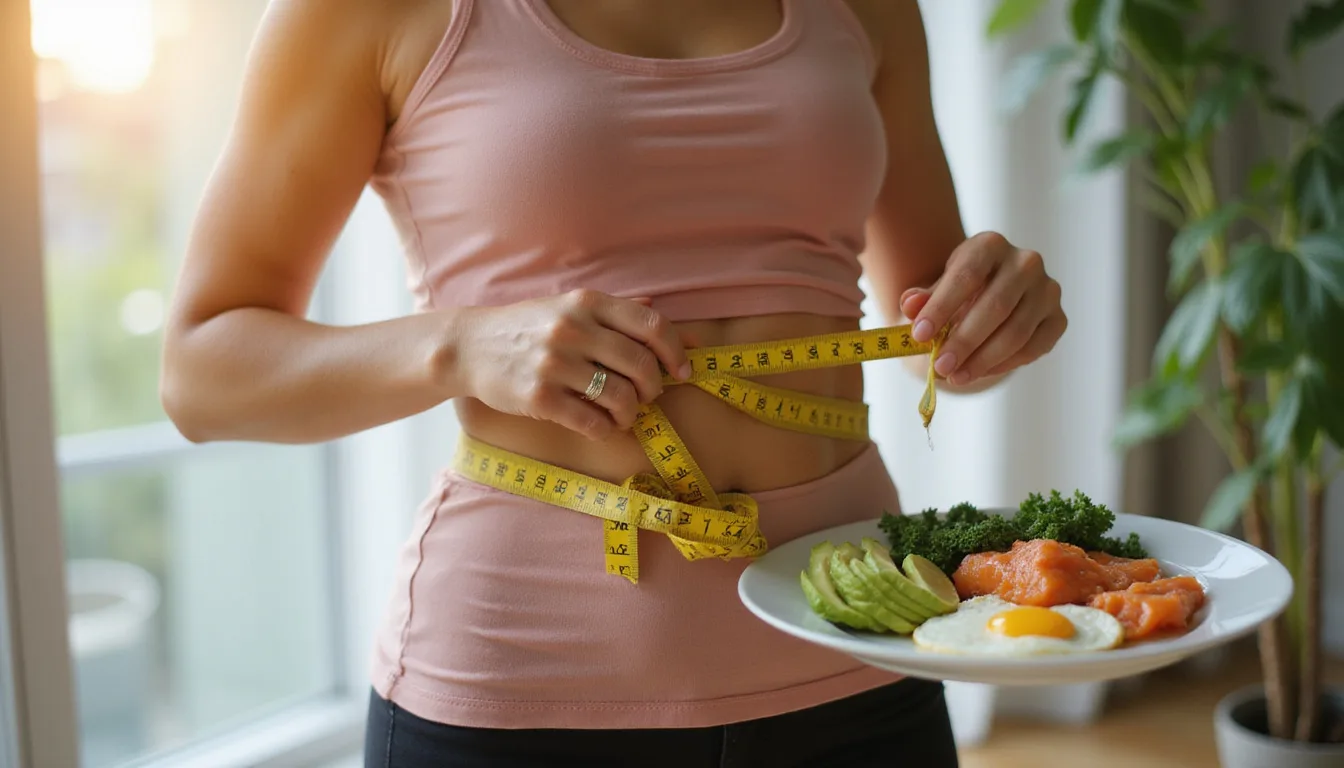
8. Measure Progress the Right Way (Not Just the Scale)
If you only watch a scale, confusion may follow. Keto weight loss changes body shape and water levels in many ways.
Try several methods:
• Scale weight: Watch trends rather than daily changes
• Measurements:
• Use a tape to check waist, hips, thighs, chest, and upper arms
• Take these every 2 weeks
• Progress photos: Use the same lighting and clothes every 2–4 weeks
• Non-scale wins:
• Higher energy
• Better clothing fit
• Fewer cravings
• Clearer mind
Many people lose inches and gain a lean look even when the scale barely moves because they hold muscle as they lose fat.
9. Build a Sustainable Keto Lifestyle, Not a 30-Day Crash
The best plan is not a 14-day sprint but a fit routine you keep for 6–12 months.
To live well with keto:
Customize your approach
• Choose if you want strict keto (20g net carbs) or low-carb (50–75g net) based on:
• How much weight you need to lose
• How your body reacts
• Your lifestyle and food habits
• Pick a meal plan you enjoy:
• Mediterranean-style keto (more fish, olive oil, veggies)
• Classic keto (eggs, meat, cheese, nuts)
• Dairy-light keto (if dairy bothers you)
Plan for real life
• Make a clear plan for restaurants (for example, a burger without the bun, a salad, and grilled protein with veggies).
• Decide ahead of time your approach to holidays and gatherings.
• Keep a steady view: one higher-carb meal is a pause, not a setback.
Think in phases:
- Adaptation (Weeks 1–4): Get into ketosis, steady your energy, and learn your targets.
- Active fat loss (Months 2–6+): Stay consistent and adjust calories and carbs as needed.
- Maintenance (After your goal): Slowly test more carbs and find a balance for life.
Sample One-Day Keto Weight Loss Menu
Here is a simple day that follows these steps.
Breakfast (optional if fasting):
• 2–3 eggs cooked in olive oil or butter
• ½ avocado
• Spinach lightly cooked with garlic and oil
Lunch:
• Grilled chicken thigh or salmon
• Big salad with mixed greens (arugula, lettuce, cucumber, peppers)
• Dressing made with olive oil, lemon, salt, and pepper
• A sprinkle of feta or olives
Snack (if needed):
• A small handful of almonds or walnuts
• A cup of green tea or black coffee
Dinner:
• A burger without a bun or baked chicken with skin
• Roasted broccoli and cauliflower in olive oil
• Zucchini “noodles” with a basil sauce
Electrolytes & hydration:
• Water all day
• One cup of broth or an unsweetened electrolyte drink
• Salt your food well
This plan keeps carbs low, protein just right, fat measured, and food full of nutrients. It suits keto weight loss and good health.
FAQ: Keto Weight Loss Questions Answered
-
How fast does keto weight loss happen in the first month?
Many people lose 5–10 pounds in the first 2 weeks. Most of this is water and glycogen loss. After that, the loss is generally 1–2 pounds of fat per week. Your starting weight, how well you follow, activity levels, and calories will change your results. Focus on trends over a month. -
Why did my keto weight loss stall after initial success?
Common issues include:
• Eating too many calories from nuts, cheese, oils, and keto treats
• Carbs gradually rising above your limit
• Not doing strength work, which may lose muscle and lower your burn
• High stress, poor sleep, and hormone shifts
Check your targets, tighten your carb sources, and track closely for 1–2 weeks to see the cause.
- Is keto safe for long-term weight loss and maintenance?
For many healthy adults, a well-planned keto or low-carb diet is safe long term if you focus on whole foods, enough fiber, and good nutrients. People with diabetes, kidney issues, or certain medications should check with a healthcare professional. Some switch from strict keto to a moderate low-carb plan after reaching their weight goal.
Turn These Strategies into Your Keto Transformation
You now have a clear plan for effective keto weight loss:
- Set smart macros.
- Eat whole, nutrient-rich foods.
- Manage your electrolytes.
- Use intermittent fasting if it suits you.
- Strength train to protect muscle.
- Keep an eye on your calories—fat has its own cost.
- Support digestion with fiber and water.
- Track progress in many ways.
- Build a plan that fits your life, not one that only lasts a month.
The next step is to start. Pick a day within the next three days, write down your macro targets, plan 3–5 simple meals you enjoy, and follow this route for at least 30 days. If you stay steady, you will see changes on the scale, in the mirror, and feel more energy, focus, and confidence.
Begin your keto weight loss journey today. Use these 9 tested steps and give yourself time and consistency to melt fat and keep it off for good.
[center]Always consult with your doctor prior to making drastic diet changes.[/center]
[center]As an Amazon Affiliate, Savvy Keto makes a small commision (at no extra cost to you) on any purchases you make thru affiliated links you click on.[/center]