
If you’ve begun a low-carb or keto diet, you may have heard the term keto flu.
It feels like a mild flu when you cut your carbs.
Your body shifts from burning sugar to burning fat and ketones.
This change can drop your fluid and minerals, shift your hormones, and make your energy low.
Most people see these signs for a short time.
You can fix them by drinking water, using salts, and tweaking your habits.
What is the keto flu?
The keto flu is not a virus.
It is a set of signs that show when your body switches its fuel source.
This switch can bring fatigue, headaches, dizziness, and other unwelcome feelings.

Why the keto flu happens
Knowing why it occurs helps you stop the signs:
- Glycogen drop: Cut your carbs and your body uses up glycogen.
Glycogen holds water, so you lose water fast. - Salt loss: Losing water pushes out sodium, potassium, and magnesium.
- Hormone shifts: Low insulin and higher stress hormones can cause lightheadedness, sleep changes, and mood swings.
- Adaptation time: Your brain and muscles need time to use ketones well.
Common symptoms of the keto flu
Signs change with each person.
Many feel:
- Headache
- Tiredness and foggy thoughts
- Dizziness or feeling faint
- Muscle cramps
- Nausea and upset stomach
- Trouble sleeping
- Irritability and mood shifts
Most feel the worst in the first 3–7 days.
Some signs may last a few weeks until your body adapts.
Quick recovery hacks for beating the keto flu
For faster relief, try these steps that fix the main issues: low water, missing salts, and stress from change.
-
Drink water in small sips
Keep water in your day.
Add a pinch of salt or a squeeze of lemon to hold the water in your body. -
Replace your salts
Get sodium, potassium, and magnesium back.
Good choices are:
• Warm broth (sodium and chloride)
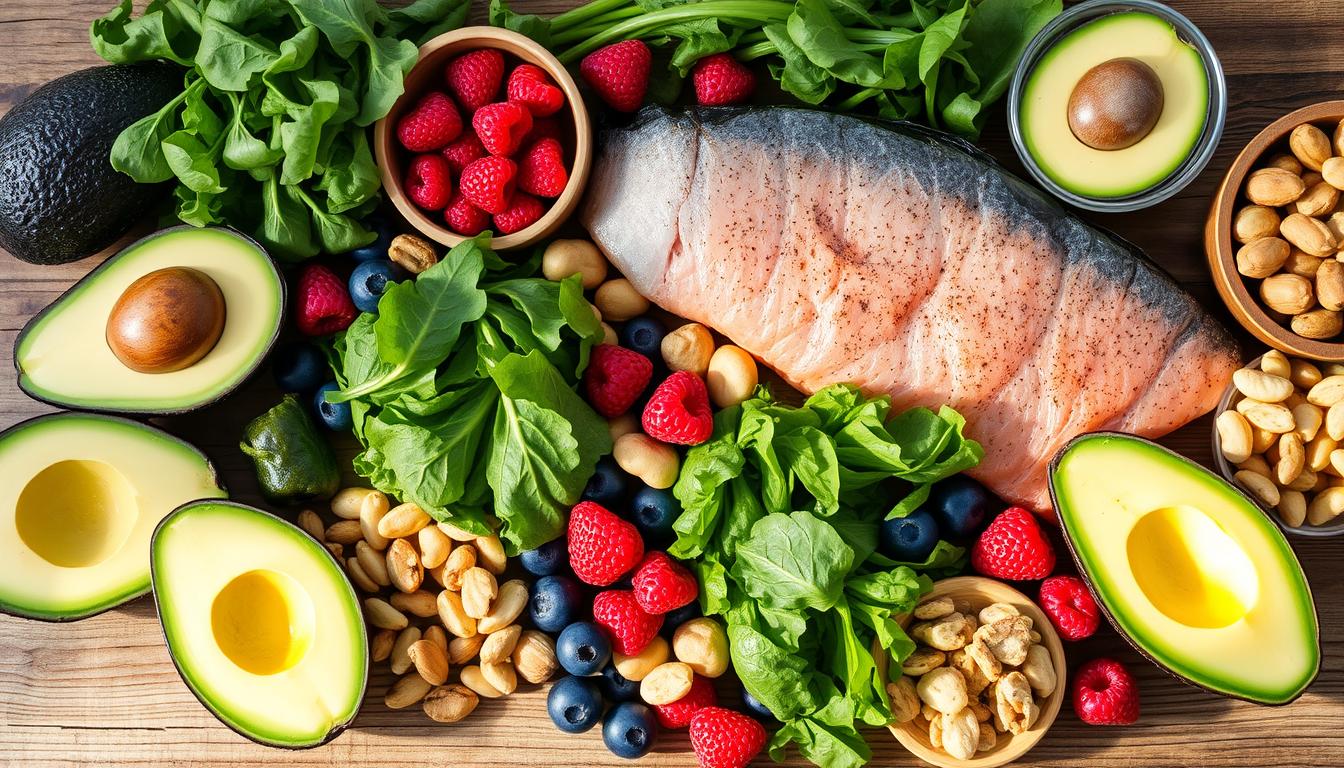
• Avocado and spinach (potassium)
• Magnesium pills or foods like nuts and seeds -
Do not cut carbs too fast
A sudden drop in carbs may cause a strong keto flu.
If you feel a lot, lower your carbs little by little over a week. -
Eat enough fat and calories
Fat gives you the needed energy during the change.
Low calories can make tiredness and mood dips worse. -
Sleep well and ease stress
Bad sleep and too much stress add to the problem.
Keep a good sleep plan and try short relaxing breaks, or gentle walks or yoga. -
Consider a small carb boost if needed
A small boost of 20–50 grams of carbs once a day can calm strong signs.
This can work without ending ketosis for many. -
Begin with light exercise and then add more
Gentle movement helps your mood and blood flow.
Avoid heavy workouts early on to keep fatigue low. -
Use MCT oil or extra ketones for a short time
MCT oil gives your brain a quick source of ketones to ease fog.
Extra ketones can help too but are not for everyone.
Tip: If you worry about your health, talk to a doctor.
The Mayo Clinic has good advice on keto diets.
See: https://www.mayoclinic.org/healthy-lifestyle/nutrition-and-healthy-eating/expert-answers/ketogenic-diet/faq-20474264
Top 10 quick keto flu remedies (numbered list)
- Sip water with salt or drink bone broth all day to add sodium.
- Take a quality magnesium pill (200–400 mg at night).
- Eat foods with lots of potassium like leafy greens, avocado, and salmon.
- Add fats in your diet so you have enough energy.
- Rest or take a nap when you feel tired.
- Cut back on caffeine if it makes you jittery or stops sleep.
- Mix 1–2 tablespoons of MCT oil in your coffee or yogurt.
- Take a light walk to get your blood flowing.
- Keep your meals simple and steady so your stomach does not upset.
- If you feel dizzy or faint, stop and sip an electrolyte drink.
If it is very bad, see a doctor.
Sample 48-hour plan to recover fast
Day 1 (onset)
• Morning: Drink 500 ml of water with a pinch of salt.
Eat eggs cooked in butter with half an avocado.
• Midday: Enjoy a bowl of soup or bone broth with fresh spinach; take a 20-minute walk.
• Afternoon: Have your magnesium pill with a handful of nuts.
• Evening: Enjoy baked salmon with asparagus.
Go to bed early.
Day 2 (stabilize)
• Morning: Have coffee with MCT oil or a similar high-fat drink.
• Midday: Eat a salad with greens, olives, and olive oil to add more salts and fat.
• Afternoon: Keep up with water and do light stretches.
• Evening: Return to a normal keto meal plan, keeping an eye on your salts.
Foods and drinks that help (and a few to avoid)
Helpful:
• Warm broth and soups (for salts)
• Avocado, spinach, and mushrooms (for potassium)
• Nuts, seeds, and dark greens (for magnesium)
• Fatty fish and olive oil (for healthful fats)
• Eggs and cheese (for feeling full and nutrients)
Avoid:
• Packaged “keto” snacks with fake sweeteners or bad oils
They may upset your stomach or mood.
• Too much caffeine and alcohol
They lower water levels and disturb sleep.
• Extremely low calorie meals
They can raise stress hormones and keep signs longer.
When to see a doctor
Most signs come and go on their own.
Visit a doctor if you experience:
• Fainting, heavy dizziness, or chest pain
• Extreme weakness or confusion
• Signs of strong dehydration (little urine, fast heartbeat)
• Signs that stay beyond two weeks despite changes
If you have diabetes, kidney or heart problems, are pregnant, or take drugs that change salts or blood sugar, talk to a doctor before starting keto.
Preventing keto flu before it starts
Before you cut carbs, these steps can ease the change:
• Drink more water and add salts in the days before you start.
• Lower your carbs slowly over 3–7 days, not all at once.
• Plan meals with more fat and salt-rich foods.
• Do light exercise and get extra sleep in the first week.
Realistic timeline: how long does keto flu last?
Most people have the worst signs from day 1 to day 7.
Many feel better by day 3–5 as water levels and salts balance out.
Some mild signs, like brief tiredness or sleep shifts, may last 2–4 weeks until your body adapts.
If signs last longer or become severe, see your doctor.
Common myths about the keto flu
• Myth: Everyone suffers from a strong keto flu.
Fact: The strength of signs varies a lot; many feel only slight or no signs.
• Myth: The keto flu makes the diet unsafe.
Fact: It is a normal change for many on low-carb diets.
Still, a doctor’s advice is wise if needed.
• Myth: Only salts matter.
Fact: Salts are key, but getting enough calories, fat, sleep, and rest all play a part.
FAQ — quick answers to common keto flu questions
Q: What are the common keto flu signs?
A: Many people see headache, tiredness, dizziness, muscle cramps, nausea, and foggy thoughts.
Fixing these quickly can be done with water and salts.
Q: What are the best fixes for keto flu?
A: Good fixes include drinking broth, raising sodium, taking magnesium, eating foods like avocado and spinach, and increasing healthy fats.
Sometimes a small amount of carbs can help if needed.
Q: How long will the keto flu last and how can I cut it short?
A: Usually, the keto flu lasts 3–7 days.
Some signs may go on for a few more weeks.
You can help by drinking water, using salts, easing into fewer carbs, and getting enough sleep and calories.
Practical tips for long-term success
• Keep a simple record of weight, water intake, and energy.
Do not stress over small daily changes.
• Have a small emergency supply at hand: packets of broth, magnesium supplements, and a piece of fruit rich in potassium if you need a fast fix.
• Look again at your ratio of macros and calories if tiredness stays.
A low calorie count can mimic longer keto flu feelings.
• Think about talking to a diet expert to adjust your plan safely.
Bottom line
The keto flu is a temporary side effect when you begin a keto or very low-carb diet.
Most people feel better quickly by drinking enough water, getting the right salts, enough calories, and taking time to rest.
With a few smart steps—salt and broth, magnesium, potassium-rich foods, and a gentle pace—you can cut the signs and feel better as you pursue your health goals.
For advice tailored to your needs, and if you have ongoing health issues or use medications, talk with a doctor before you start a low-carb routine.
See: https://www.mayoclinic.org/healthy-lifestyle/nutrition-and-healthy-eating/expert-answers/ketogenic-diet/faq-20474264
Ready to fix the keto flu and keep moving?
Start with one small change today: sip warm bone broth, take your magnesium, and plan a calm evening.
If you need a tailored plan or meal ideas to cut the signs, sign up for my weekly keto recovery guide.
This guide gives simple tips, easy recipes, and step-by-step help to get you used to keto faster and keep you feeling good.
[center]Always consult with your doctor prior to making drastic diet changes.[/center]
[center]As an Amazon Affiliate, Savvy Keto makes a small commision (at no extra cost to you) on any purchases you make thru affiliated links you click on.[/center]