Hidden Carbs Lurking in Everyday Foods That Secretly Sabotage Weight Loss
If you cut back on carbs but the scale stays the same, hidden carbs may sneak into your meals. They hide in sauces, dressings, “healthy” snacks, and even foods shown as low-carb. Knowing where these carbs come from can help move past fat loss plateaus.
This guide helps you see common places for hidden carbs. It shows you how to read labels and choose swap items so your effort shows in your results.
What Are Hidden Carbs, Really?

Hidden carbs are carbs that hide in your food.
• They do not appear in the top ingredients.
• They hide behind labels like “low sugar” or “keto-friendly.”
• Small amounts add up over the day.
• Tiny serving sizes may mislead you.
If your diet needs 20–100 grams of carbs per day, an extra 10–20 grams can block fat loss or push you out of ketosis.
Many hidden carbs come from foods that seem safe—like salad dressings, flavored drinks, or restaurant veggies.
Why Hidden Carbs Stall Weight Loss
Weight loss depends on energy in and energy out. Carbs matter because they change your body in simple ways:
-
Insulin response
Carbs, especially refined ones, spike blood sugar. This prompts insulin. High insulin makes fat less available for fuel. -
Appetite and cravings
Sugar and refined starches boost hunger. This starts cravings and makes sticking to your plan harder. -
Total carb creep
You may plan 50 grams per day. Hidden carbs might add 25–40 grams. Then you live in a no-man’s land: not low enough to see results and low enough to feel cut back. -
Water and glycogen
Carbs store as glycogen in muscles and liver with water. Extra carbs keep these high. Water retention then hides fat loss on the scale.
Knowing hidden carbs does not mean you must stress. It means you see the real numbers so you know what to expect.
Top Everyday Foods Loaded with Hidden Carbs
1. Sauces, Condiments, and Dressings
Many eat the main food (like grilled chicken) and forget the sauce. Common hidden carb spots:
-
Ketchup
Shows 3–4 grams of sugar per tablespoon (and many use more than one). -
BBQ sauce
Two tablespoons can add 6–12 grams of carbs. Most come from added sugar or high-fructose corn syrup. -
“Light” or low-fat salad dressings
Fat is removed and sugar or starch gets added for texture and taste. A “fat-free” version may have more carbs than a full-fat one. -
Sweet chili, teriyaki, hoisin, and similar Asian sauces
They hide lots of sugar, even when a little is used. -
Store-bought marinades and glazes
They mix sugar, honey, fruit juice, or maltodextrin.
What you can do instead:
• Use oil and vinegar dressings (olive oil, vinegar, and herbs).
• Seek sauces labeled “no sugar added” and check labels closely.
• Choose mustard, plain mayo (without extra sugar), olive oil, or pesto.
• Make simple sauces at home to control what goes in.
2. “Healthy” Breakfast Foods
Breakfast items that seem wholesome can hide many extra carbs.
-
Granola and “protein granola”
Even natural or organic granola can have 20–40 grams of carbs per serving. Many eat more than one serving. -
Instant oatmeal packets
Flavored kinds use sugar, dried fruit, or syrups that add extra carbs. -
Smoothies and smoothie bowls
Bananas, mango, and juice make even a green smoothie high in carbs. Add granola, honey, and dried fruit, and the number goes up. -
Yogurt
Flavored or fruit-on-bottom types add as much sugar as a dessert, and some “Greek-style” brands add sugar or starch.
Better breakfast ideas:
• Plain Greek yogurt (full-fat or low-carb) with berries and nuts.
• Eggs any style, or an omelet with low-carb veggies and cheese.
• Chia pudding made with unsweetened almond or coconut milk, sweetened lightly with stevia or monk fruit if you wish.
3. Coffee Shop Drinks and Flavored Beverages
Many hidden carbs come from drinks that do not feel like food.
-
Flavored lattes, mochas, and frappes
Syrups, milk, whipped cream, and drizzles can change a coffee into a 30–60 gram carb load. -
“Skinny” or low-fat drinks
They cut fat but not sugar; the carb load may stay the same. -
Bottled teas and vitamin drinks
Many mix in added sugar or fruit juice concentrates. -
Juices marked “no sugar added”
They still carry natural fruit sugar (fructose).
How to cut hidden carbs in drinks:
• Order coffee or espresso with heavy cream or unsweetened almond milk and ask for sugar-free syrups (use them little).
• Pick unsweetened tea, sparkling water, or plain water with lemon.
• Read labels for total carbohydrates and not only sugars. Some drinks hide starch or maltodextrin that count as carbs.
4. Restaurant Veggies and Side Dishes
Veggies are healthy, but restaurant methods can hide extra carbs.
-
Glazed or candied vegetables (like carrots, sweet potatoes, Brussels sprouts)
They are roasted with honey, brown sugar, or maple syrup. -
Starchy sides shown as “veggies”
Corn, peas, and potatoes hold more starch than broccoli or spinach. -
Veggies in creamy sauces
Sauces may use flour, cornstarch, or a roux. -
Soups
Tomato soup, chowders, and vegetable soups often mix in sugar, potatoes, pasta, or beans.
Smarter restaurant choices:
• Ask for non-starchy vegetables, steamed or sautéed in butter or olive oil.
• Request the sauce on the side.
• Choose broth-based soups (like chicken or beef broth with veggies) and check that there are no noodles or extra starch.
5. “Keto” or “Low-Carb” Packaged Foods
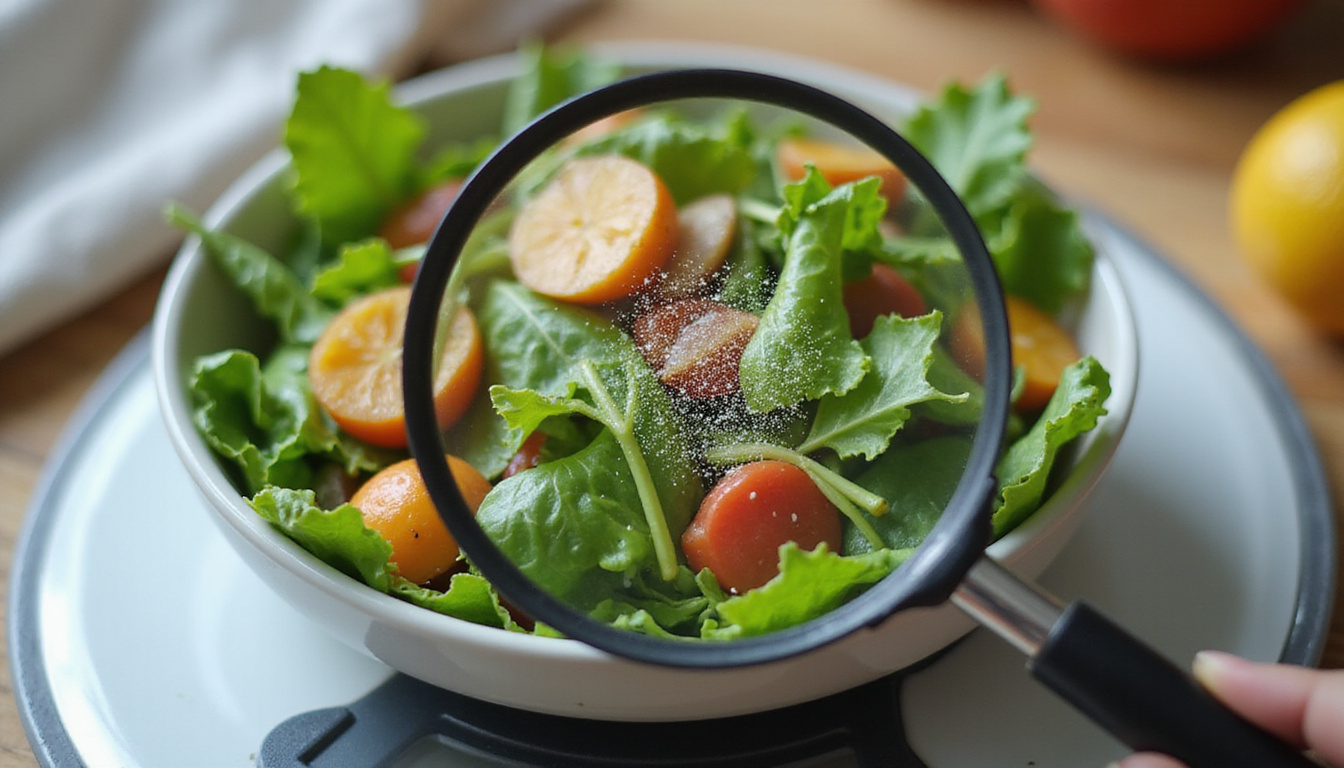
Some items for low-carb dieters hide extra carbs.
-
Low-carb tortillas, breads, and wraps
They may show lower net carbs, but still have starch and wheat that add up. -
Keto bars and snacks
They may use sugar alcohols (like maltitol) and fibers that your body partially absorbs. This can raise effective carbs and cause digestion issues. -
Low-carb ice cream
It often shows net carbs after subtracting sugar alcohols and fibers. Still, total carbs can be high if you eat more than the small serving. -
Protein bars
High protein does not mean low carb. Many include syrups and starch.
How to check these products:
• Look at total carbohydrates first.
• Check the ingredients for maltodextrin, dextrose, rice flour, tapioca starch, or similar fillers.
• Be honest with your portion size—if you eat the whole bar, count the full amount.
6. Nuts, Seeds, and Nut Butters
Nuts and seeds are low-carb when eaten in small amounts. But hidden carbs appear when:
• Nut butters include added sugar, honey, or syrups.
• You eat too much, as one serving is often 1–2 tablespoons.
• Some nuts, like cashews or pistachios, have more carbs.
Approximate net carbs per 1 oz (28 g) serving:
• Almonds: about 2.5–3 g net carbs
• Pecans: about 1.5 g
• Walnuts: about 2 g
• Cashews: about 8–9 g
• Pistachios: about 5–6 g
Tips:
• Choose nut butters with only nuts and salt on the list.
• Measure portions, at least in the beginning.
• Use lower-carb nuts such as pecans, macadamias, and almonds.
7. Processed Meats and “Healthy” Deli Options
Meats are mostly low in carbs, but processing may add extra carbs.
-
Deli meats and sliced turkey/ham
Some get extra sugar, fillers, or starch. -
Sausages and hot dogs
They may mix in breadcrumbs, flour, or sweeteners. -
Marinated or seasoned meats
They come coated in sugary sauces or rubs.
How to avoid surprises:
• Check labels for carbs per serving. Pure meats should show 0–1 g.
• Stay away from choices with honey, brown sugar, maple, or words like “sweet.”
• Pick plain cuts of meat and add your own seasonings.
8. Gluten-Free and “Whole Grain” Products
If your focus is on carbs instead of gluten, note that gluten-free does not equal low-carb.
-
Gluten-free bread, crackers, and baked goods
They often use rice flour, potato starch, or tapioca starch. These add carbs that your body absorbs fast. -
Whole grain cereals and crackers
They have more fiber and nutrients than refined products, yet a serving can add 20–45 grams of carbs.
Labels like “multigrain,” “stone-ground,” and “made with ancient grains” may sound good, but they do not lower the carb count much.
How to Read Labels to Catch Hidden Carbs
Use a simple method to read labels and spot hidden carbs. Try this quick guide:
-
Start with the serving size
Hidden carbs often appear here. Ask yourself:
• Is this a portion I will really eat?
• Will I likely double or triple this amount? -
Check total carbohydrates, not just sugars
Total Carbs = Sugar + Starch + Fiber + Sugar Alcohols
• If you count net carbs, subtract fiber and sometimes certain sugar alcohols.
• Some sugar alcohols (like maltitol) still affect blood sugar. -
Scan the ingredients for extra carb clues
Watch for words such as:
• Sugar, brown sugar, cane sugar, or coconut sugar
• High-fructose corn syrup or corn syrup solids
• Honey, agave, molasses, or maple syrup
• Fruit juice or fruit juice concentrate
• Maltodextrin, dextrose, glucose, or rice syrup
• Flour (wheat, rice, oat, corn), starch, or modified food starch -
Check marketing claims with a careful eye
Words like “no sugar added” may hide natural sugars.
“Low fat” or “fat free” can mean more carbs.
“Made with whole grains” does not mean a lower carb count.
Always verify with the actual numbers.
For extra help on counting carbs and reading labels, you can refer to guides from groups such as the American Diabetes Association (American Diabetes Association).
Common Daily Habits That Add Hidden Carbs
Hidden carbs can build up with small choices all day. A typical day might look like this:
-
Morning
• Flavored latte: +25 g
• “Healthy” granola with yogurt: +45 g -
Lunch
• Salad with sweet vinaigrette and dried fruit: +35 g
• Side of glazed carrots: +12 g -
Afternoon snack
• “Protein” bar: +18 g -
Dinner
• Grilled chicken with BBQ sauce: +10 g
• Two low-carb tortillas: +16 g
Total hidden carbs may reach around 160 grams. Even if you skip pasta and dessert, these extra choices can add up.
Practical Strategies to Reduce Hidden Carbs Without Feeling Deprived
You do not need a perfect diet. You need a clear and steady plan. Try these steps:
1. Control What You Can at Home
• Cook more meals yourself using whole, single-ingredient foods.
• Build low-carb staples at home:
– Grilled meats or tofu
– Non-starchy vegetables like broccoli, zucchini, spinach, or cauliflower
– Fats like olive oil, avocado, butter, or nuts
2. Simplify Your Meals
Fewer ingredients mean fewer hidden carbs. Simple meals such as:
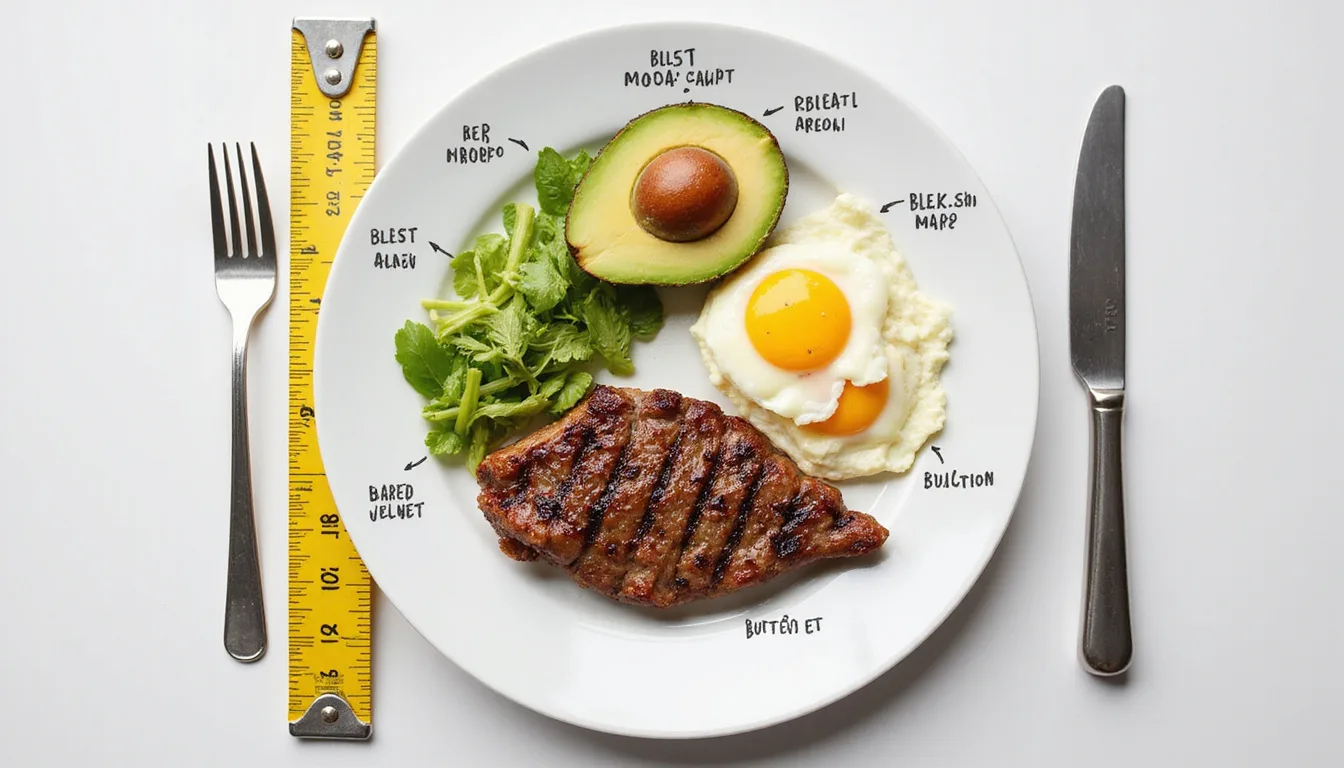
• Steak, steamed broccoli, and butter
• Chicken thighs with a salad dressed in olive oil and vinegar
• Salmon with asparagus and a side salad
are easier to track and can fill you well.
3. Watch Your Extras
Think before you add extra items:
• What sauces or dressings are you adding?
• Are you drinking extra calories?
• Are there toppings such as croutons, dried fruit, honey, or glazes that you can skip or change?
4. Pick Your Non-Negotiables
Strict limits can backfire. Decide on your key carbs:
• A measured serving of fruit?
• One small dessert each week?
• A serving of rice or potatoes on days you exercise?
Make your choices and then cut back on hidden carbs in other parts of your diet.
Quick Reference: Common Hidden Carb Sources
Keep this short list nearby:
• Sauces: ketchup, BBQ, sweet chili, teriyaki, glazes
• Condiments: sweet dressings, “fat-free” products
• Drinks: flavored lattes, blended coffees, bottled teas, juices
• Breakfasts: granola, flavored oatmeal, sweetened yogurt, smoothie bowls
• Packaged foods: protein bars, keto snacks, low-fat items
• Restaurant sides: glazes, breading, starchy veggies, soups
• Packaged products: gluten-free and “whole grain” goods
• Nut butters with added sugar
• Processed meats with fillers and sweeteners
Swap these for lower-carb choices when you can. This shift may help your progress without major changes.
FAQ: Hidden Carbs and Weight Loss
1. How do I avoid hidden carbs on a low-carb diet?
Stick to whole foods such as meat, eggs, fish, non-starchy vegetables, and healthy fats. Read labels carefully for total carbohydrates and watch for sugars, syrups, and starches. Limit packaged and restaurant items where ingredients are hard to track. Keeping a simple food journal for a short time can show you where extra carbs hide.
2. What foods hide carbohydrates that most people miss?
Common hidden carb foods include:
• Sauces like BBQ, teriyaki, or ketchup
• Sweet dressings and marinades
• Coffee shop drinks with flavored syrups and milk
• Flavored yogurts, granola, cereal bars, and so-called “protein” snacks
• Restaurant vegetable sides with glazes or thick sauces
• Gluten-free breads and crackers made with rice or potato starch
Watch portion sizes and ingredients closely.
3. Can hidden carbs affect ketosis and stall fat loss?
Yes. If you try a ketogenic diet with under 20–50 grams of carbs per day, hidden carbs can add up quickly. They can knock you out of ketosis, boost hunger and cravings, and slow fat loss. Tracking every source of carbs—including sauces, drinks, and snacks—helps keep you in your target range.
Take Control of Hidden Carbs and Unlock Consistent Progress
You do not have to guess the amount of carbs you eat. Now you know where hidden carbs hide—in sauces, “healthy” snacks, drinks, and even in foods shown as low-carb. By reading labels, keeping meals simple, and choosing whole foods more often, you can cut extra carbs without feeling overly restricted.
If you want to break through a weight-loss plateau, try this: track everything you eat and drink for seven days. Write down all condiments, beverages, and snacks. Then change the parts that add the most hidden carbs.
Soon, you will see your energy rise, your cravings fall, and progress on the scale appear. Start today by checking your pantry, reviewing your favorite items, and writing a short shopping list of lower-carb swaps. Small, informed changes add up to clear, visible results.
[center]Always consult with your doctor prior to making drastic diet changes.[/center]
[center]As an Amazon Affiliate, Savvy Keto makes a small commision (at no extra cost to you) on any purchases you make thru affiliated links you click on.[/center]