Your brain runs on fat. But not all fats are the same. The right fats help sharpen memory, steady mood, and protect the mind as you age. In this piece you learn about nine surprising foods rich in healthy fats that go beyond salmon and avocados. You also see simple ways to add them to your meals.
Why healthy fats matter for brain health
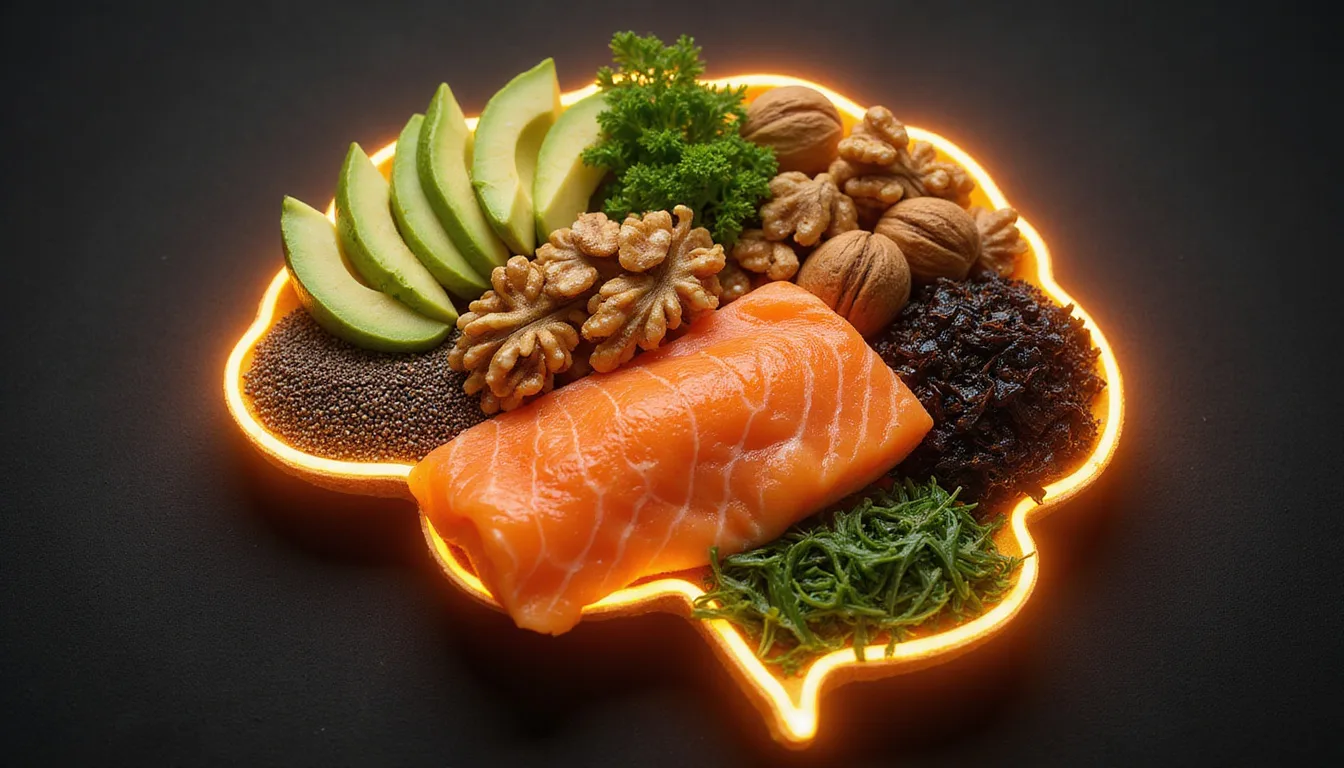
Fats make up almost 60% of the brain’s dry weight. They build cell membranes, support neurotransmitters, and lower inflammation. Omega-3 fatty acids (EPA and DHA), monounsaturated fats, and some medium-chain triglycerides fuel the brain in ways that refined carbs and trans fats do not. Choosing foods with these lipids can improve attention, speed of processing, and long-term brain health (Harvard T.H. Chan School of Public Health).

How to think about fats: quality over quantity
When people hear “fat,” they worry about calories, but quality matters more for brain outcomes. Replace processed fats and sugary snacks with real-food sources of healthy fats. Pair fats with fiber and protein to keep blood sugar steady and help the body use nutrients. Below are nine surprising choices that bring smart fats and other brain-supporting nutrients.
-
Sardines — small fish, big brain help
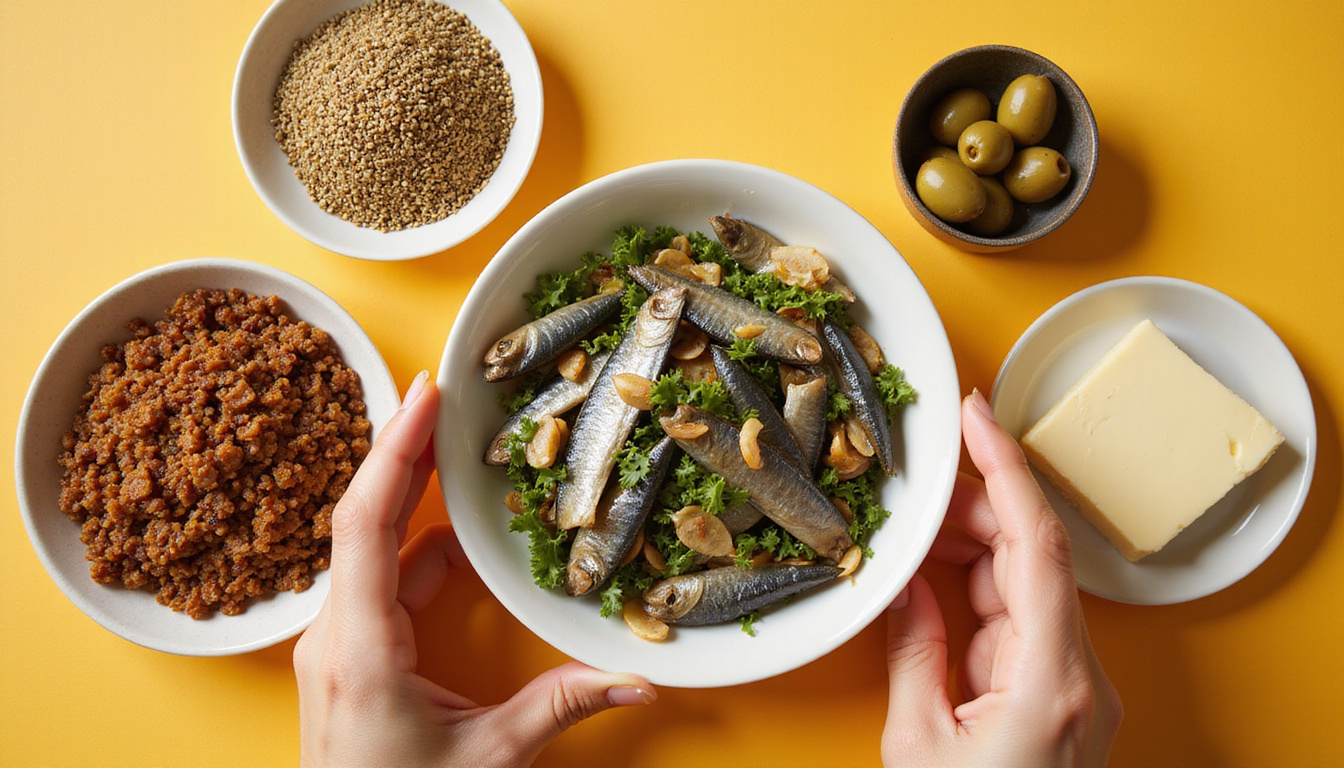
Why they are surprising: Sardines get less praise than salmon or tuna. They pack EPA and DHA, the omega-3s that the brain uses. They sit low on the food chain, so they have fewer toxins. They come canned, which keeps them affordable and easy to store.
How to use them: Toss canned sardines into salads, mash them on whole-grain toast with lemon and capers, or blend them into a quick pasta sauce. -
Walnuts — the handy omega-3 nut
Why they are surprising: Many choose almonds for a snack, but walnuts supply alpha-linolenic acid (ALA). ALA is a plant omega-3 that helps the brain.
How to use them: Mix chopped walnuts into oatmeal or yogurt, blend them in pesto instead of pine nuts, or eat a small handful to get fats and fiber. -
Pasture-raised egg yolks — not just for protein
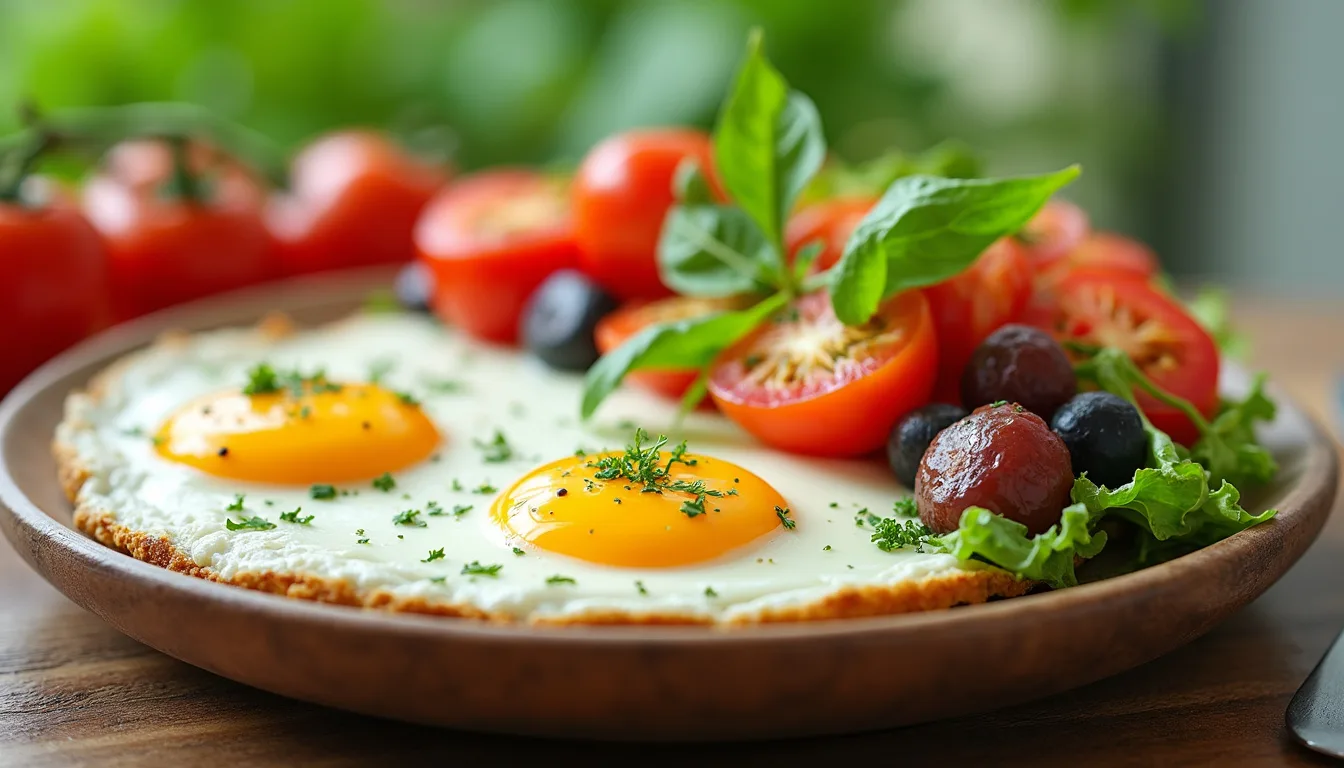
Why they are surprising: Eggs get praise mainly for protein. Yet the yolk packs choline, a nutrient that helps create neurotransmitters, and fats that build cell membranes.
How to use them: Enjoy soft-boiled eggs on toast, make a veggie frittata, or add a poached egg to grain bowls. -
Dark chocolate (70% cocoa or higher) — a brain-boosting treat
Why it is surprising: Chocolate gets a bad name. But dark chocolate holds cocoa flavanols and cacao butter. These help send more blood to the brain and support quick thinking.
How to use it: Choose dark chocolate with little added sugar. Use small pieces on yogurt, or melt it into a nut mix dusted with cocoa. -
Extra-virgin olive oil — the taste of Mediterranean brain health
Why it is surprising: Olive oil is well known for heart health. Its monounsaturated fats and polyphenols also help the brain. Regular use links to better memory and slower mind decline (observational studies).
How to use it: Drizzle it on salads, use it for low-heat cooking, or whisk it into a simple dressing for vegetables and whole grains. -
Pumpkin seeds — tiny yet mighty
Why they are surprising: Seeds have many fatty acids and minerals in a small form. Pumpkin seeds bring omega-3s, omega-6s, zinc, and magnesium. These minerals help nerve function.
How to use them: Sprinkle them on roasted vegetables, blend them in smoothies, or toast them with spices for a crisp treat. -
Full-fat plain yogurt or kefir — dairy fat with live cultures
Why it is surprising: Yogurt is known for live cultures and protein. Yet the full-fat kind brings fat-soluble vitamins and fats that help the brain use nutrients. The gut and brain work together to support mood and thought.
How to use it: Switch from low-fat flavored yogurt to full-fat plain yogurt. Mix with berries and a bit of ground flaxseed for more omega-3s. -
Coconut (meat and oil) — medium-chain fats for quick energy
Why it is surprising: Coconut fats are mainly medium-chain triglycerides (MCTs). The body can change these fats into ketones, which offer an alternative fuel for the brain. MCTs help with short-term thinking tasks.
How to use it: Add shredded coconut to smoothies, use virgin coconut oil in baking or stir-fries, or stir a spoonful into your morning coffee for lasting energy. -
Grass-fed butter or ghee — the old-fashioned fat that earns its spot
Why it is surprising: Butter sometimes gets a bad name. When it comes from grass-fed cows, it has higher vitamin K2, conjugated linoleic acid (CLA), and fat-soluble vitamins. In small amounts, these fats build cells and work with whole foods for brain health.
How to use it: Top roasted greens with a pat of ghee, cook eggs in grass-fed butter, or use a little to add flavor and vitamins.
Quick swaps and simple strategies
• Use extra-virgin olive oil or avocado oil in place of vegetable shortening or margarine when you cook.
• Swap a sugary snack for a small handful of walnuts mixed with dark chocolate chips to get antioxidants and healthy fats.
• Choose sardines or anchovies instead of deli meats on sandwiches or salads.
• Pick full-fat plain yogurt and thin it with water or sparkling water for a creamy, low-sugar drink.
• Add a soft-boiled pasture-raised egg to grain bowls rather than relying on processed dressings for taste.
Balancing fats with a brain-healthy diet
The above foods work best in a diet rich in vegetables, whole grains, lean proteins, and few processed items. A Mediterranean-style plate—full of vegetables, legumes, whole grains, nuts, and olive oil, with moderate fish and dairy—seems to guard cognition, as seen in research (Harvard T.H. Chan School of Public Health). Fats should work with a varied plate and not take over it.
Cooking tips to keep fats intact
• Cook on low heat when using delicate oils. Extra-virgin olive oil is best in dressings or when the heat is low; use refined oils for high-heat frying.
• Keep nuts and seeds in the fridge if you buy them in bulk to keep their oils from going bad.
• If you use canned fish and wish to lower the salt, rinse lightly. Pair with foods rich in vitamin C (like lemon or bell pepper) to help the body use iron.
• Enjoy dark chocolate in small amounts to get the brain benefits without extra calories or sugar.
Safety notes and when to ask a clinician
Most people can eat these healthy fats with no worry. Still, check with a doctor if:
• You take blood thinners. High omega-3 amounts or high vitamin K foods might need care.
• You have severe nut allergies. In that case, try seeds instead.
• You have a lipid disorder. Discuss saturated fat use with your provider and focus on omega-3 and monounsaturated fats.
Quick recipe ideas to try this week
• Sardine toast: mix mashed sardines with lemon zest and chopped parsley on whole-grain bread.
• Walnut-banana overnight oats: combine oats, milk, mashed banana, chopped walnuts, and cinnamon.
• Avocado-egg grain bowl: combine quinoa, sautéed greens, sliced avocado, a soft-boiled egg, and a drizzle of olive oil.
• Dark chocolate yogurt parfait: mix full-fat plain yogurt with fresh berries, shave 70% dark chocolate over it, and add pumpkin seeds.
• Coconut curry with veggies and chickpeas: cook using light coconut milk, then finish with lime and cilantro.
FAQ — Quick answers to common questions
Q1: What is a healthy fat?
A1: A healthy fat is mainly a monounsaturated or a polyunsaturated fat (this includes omega-3s) and some medium-chain triglycerides. These fats support brain and heart health. They come from foods like olive oil, walnuts, fatty fish, and avocados.
Q2: Which healthy fats help brain function the most?
A2: Omega-3 fatty acids (EPA and DHA) show the best links to brain benefits. Monounsaturated fats and some MCTs also help. Good food sources include fatty fish, walnuts, extra-virgin olive oil, and coconut (in moderation).
Q3: How can I add healthy fats to my meals without gaining weight?
A3: Keep portions small. Pair fats with fiber and protein to stay full. Swap processed snacks for whole-food fat sources (like a small handful of walnuts instead of chips). Use fats to help the body use other nutrients without adding too many calories.
Evidence and further reading
For more information on how different fats affect health, see the guidance from the Harvard T.H. Chan School of Public Health on dietary fats and cholesterol (source).
Conclusion and call to action
Healthy fats are more than a calorie source; they are fuel for your brain. With choices such as sardines, walnuts, dark chocolate, and coconut, you can support memory, focus, and long-term brain strength while keeping meals tasty. Start with two items from this list and mix them into your meals this week. If you find these tips useful, sign up for weekly recipes and brain-friendly meal plans that make it simple to eat smart—your brain will thank you.
[center]Always consult with your doctor prior to making drastic diet changes.[/center]
[center]As an Amazon Affiliate, Savvy Keto makes a small commision (at no extra cost to you) on any purchases you make thru affiliated links you click on.[/center]