Gut Microbiome Secrets to Boost Immunity, Energy, and Mental Clarity
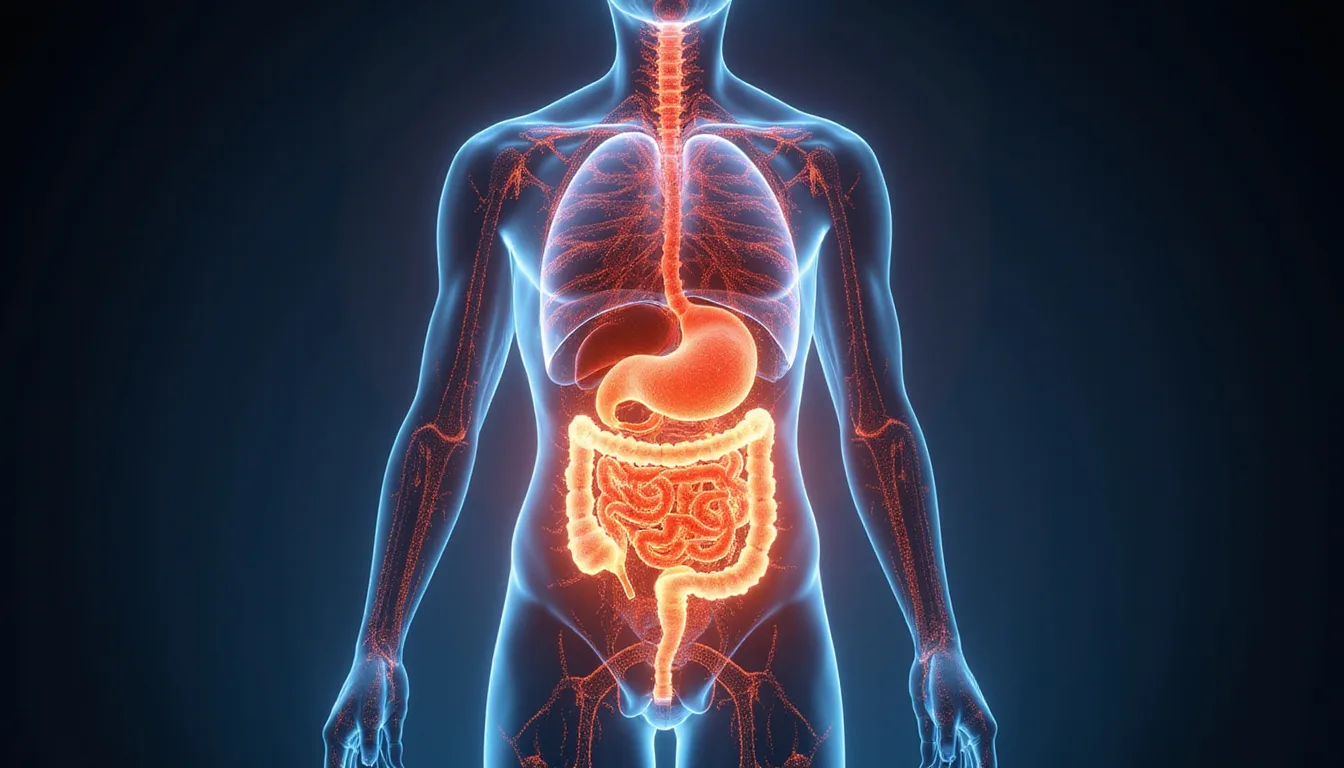
Your gut microbiome lives inside your digestive tract. Bacteria and fungi work together here. They help break down food and guide your immune cells. They set your energy level and clear your mind. When the microbes stay close and balanced, you feel strong and alert. When they stray from balance, tiredness, foggy thinking, and frequent sickness appear.
This article shows what happens in your gut. It shows why the gut matters for your whole body. It shows clear, evidence-based steps you can start now.
What Exactly Is the Gut Microbiome?

The gut microbiome forms an ecosystem in your large intestine. It includes:
- Bacteria
- Viruses
- Fungi
- Archaea (old single-celled life)
Each person has a unique gut fingerprint. Your birth method, early feeding, diet, stress, sleep, medications, and environment shape it.
A healthy gut stays diverse and stable. It holds many helpful species that support digestion, immune strength, and mind function. When balance fails, inflammation and many health issues grow.
How Your Gut Microbiome Shapes Immunity
Up to 70–80% of your immune cells sit in the gut lining. The microbes and immune cells work side by side.
1. Training and Regulating Immune Responses
The gut learns for your immune cells. It teaches cells to accept safe foods and your own body parts. It helps cells fight true threats like germs. It guides your immune cells so that they do not overreact or underreact.
Some helpful bacteria make small molecules. These small molecules keep inflammation low, build a strong gut wall, and help key cells work to balance immunity.
2. Reinforcing the Gut Barrier
Think of your gut lining as a guarded border. Helpful microbes build tight links between cells and stop leaks. A strong barrier stops food particles, toxins, and micro pieces from entering the blood. Bad bacteria can damage this border. A damaged barrier leads to low but constant inflammation and weak defenses.
3. Defending Against Pathogens
A healthy microbiome keeps harmful germs at bay. The good microbes take food and space that could feed enemies. They make natural substances that kill germs. They help form a protective mucus in the gut.
Research shows that an unbalanced gut links to bowel problems, allergies, and self-attacks by the body. (Source: NIH – Human Microbiome Project)
Gut Microbiome and Daily Energy: Why You Feel Drained or Energized
Your energy comes from how well your gut breaks down food. The gut helps extract and manage your energy.
1. Nutrient Absorption and Energy Harvest
Good gut bacteria break down fibers and complex carbs. They create molecules that your cells use for energy. They help make or boost the absorption of key nutrients such as:
- B vitamins (B12, B6, folate)
- Vitamin K
- Minerals like magnesium and iron
When the gut is unbalanced, you may not absorb enough nutrients. You then feel tired and slow, even on a healthy diet.
2. Inflammation and Mitochondrial Efficiency
Ongoing inflammation uses up your energy. Your body spends more energy with an active immune system. An unbalanced gut can raise gut leaks and inflammation. This stress harms your mitochondria—the cells’ small power plants. As a result, you feel low, heavy, and unmotivated even when tests show normal results.
A balanced gut lowers inflammation and helps cells make energy in the best way.
3. Blood Sugar Balance
Gut microbes shape how quickly you break down carbs. Some bacteria slow down carb absorption. They help keep your blood sugar steady. When blood sugar jumps up and down, you feel quick bursts of energy followed by crashes, low mood, and cravings. A balanced gut stays close to a steady, lasting energy all day.
The Gut–Brain Axis: Microbes, Mood, and Mental Clarity
The gut and brain share a two-way street called the gut–brain axis. The microbes send signals that reach your mind.
1. Neurotransmitter Production
Many brain messengers form in the gut. About 90% of the body’s serotonin is made in the gut. Gut bacteria help form messengers like:
- GABA (which calms you)
- Dopamine (which fuels reward)
- Acetylcholine (which helps learning and memory)
Even if these messengers do not cross the brain directly, they send signals along nerves and hormones.
2. The Vagus Nerve: Gut Talk to the Brain
The vagus nerve carries messages from the gut to the brain. Good bacteria can spark signals that bring calm and balance. In animal work, some probiotic strains reduced anxiety-like signs through vagal signals.
When the gut falls out of balance, these signals may lead to anxiety, irritability, and foggy thinking.
3. Inflammation and Brain Fog
Inflammation in the gut may spread to the blood. The inflamed blood then carries signals that change how brain messengers work. It may also loosen the tight barrier around your brain. With time, constant inflammation links to weak thinking and mood shifts.
Many people with an unbalanced gut report poor focus, memory slips, slow thought, and increased anxiety.
Improving the gut often brings sharper thinking and steadier emotions.
Signs Your Gut Microbiome May Be Out of Balance
You do not need a lab test to sense gut imbalance. Look for these signs:
- Frequent bloating or gas
- Irregular bowel movements (constipation, diarrhea, or both)
- Unexplained tiredness and energy dips
- Brain fog, poor focus, or forgetfulness
- Frequent colds or hard recovery
- Food sensitivities or intolerances
- Skin issues such as acne, eczema, or rashes
- Mood changes like anxiety, low mood, or irritability
When many signs appear together, a focus on your gut may help.
Food-Based Strategies to Nourish Your Gut Microbiome
Food is a powerful tool to shift your gut into balance. Small changes can work in days and grow over weeks and months.
1. Eat More Fiber-Rich, Plant-Based Foods
Many gut microbes thrive on fiber. Focus on a range of colorful plants:
- Vegetables: onions, garlic, leeks, asparagus, artichokes, broccoli, Brussels sprouts, greens, squash
- Fruits: berries, apples, pears, kiwi, pomegranate
- Legumes: lentils, chickpeas, black beans, kidney beans
- Whole grains: oats, barley, quinoa, brown rice, buckwheat
- Nuts and seeds: almonds, walnuts, chia seeds, flaxseeds
Aim for 25–35 grams of fiber each day. Add fiber slowly to avoid discomfort. A range of plants builds a range of microbes.
2. Embrace Fermented Foods
Fermented foods carry live microbes that support your gut. Examples include:
- Yogurt with live cultures (unsweetened)
- Kefir (dairy or non-dairy)
- Sauerkraut and kimchi (raw and unpasteurized)
- Miso and tempeh
- Kombucha (with low sugar)
Use small amounts first. Build up to a few servings daily or each week as you like.
3. Feed Your Microbes with Prebiotics and Polyphenols
Prebiotics are fibers that gut bacteria like best. Find them in:
- Garlic, onions, and leeks
- Asparagus, chicory root, and Jerusalem artichokes
- Green bananas and plantains
- Oats and barley
Polyphenols are plant compounds with antioxidant strength. They appear in:
- Berries, cherries, and plums
- Green or black tea
- Dark chocolate (70%+ cocoa and low sugar)
- Olive oil
- Herbs and spices like turmeric, rosemary, and oregano
These fibers and compounds help shift your gut closer to balance and lower inflammation.

4. Reduce Ultra-Processed and High-Sugar Foods
Ultra-processed foods and excess sugar can harm your gut. They help less useful and inflammatory bacteria grow. They cut down the variety of microbes and cause blood sugar swings and inflammation.
Try to cut back on:
- Sugary drinks and juices
- Candy, pastries, and desserts
- Packaged snacks (chips, crackers, instant noodles)
- Processed meats and fast food
Focus on real, whole foods instead.
Lifestyle Habits That Support a Healthy Gut Microbiome
Food plays a major role, but daily habits guide your gut too. They work close with your immunity, energy, and clear mind.
1. Prioritize Quality Sleep
Your gut follows a daily rhythm, too. Irregular sleep can disturb the gut balance. Poor sleep makes stress hormones rise and can harm the gut wall. Aim for 7–9 hours each night. Keep a consistent sleep schedule and choose a quiet, dark, and cool room.
2. Manage Stress in a Sustainable Way
Long-term stress changes gut function. Stress can change how food moves in the gut, alter fluid levels, and reduce good bacteria.
Take moments for:
- Deep breathing or meditation for 5–10 minutes daily
- Gentle movement, such as walking, yoga, or tai chi
- Time outdoors
- Talking with a friend or writing thoughts down
Lower stress helps your gut, and a healthy gut helps lift your mood.
3. Move Your Body Regularly
Regular exercise builds a diverse gut. Aim for 150 minutes of moderate aerobic work each week. Include strength work 2–3 days a week. Stand up or walk briefly every 30–60 minutes during the day. Exercise also steadies blood sugar and mood.
4. Use Antibiotics Thoughtfully
Antibiotics can save lives, but they also cut down many gut microbes. They may allow resistant types to grow. Use them only when needed and follow your provider’s advice. Help your recovery with a fiber-rich diet and a careful use of probiotics after antibiotics.
Probiotics, Prebiotics, and Supplements: Do You Need Them?
Supplements can support the gut, but they do not replace a good diet and habits.
Probiotics
Probiotics are live microbes that help when taken in enough amounts. They may help if you:
- Recover from antibiotics
- Have regular gut discomfort like bloating or irregularity
- Get frequent infections or mild mood dips linked to the gut
Look for products with several strains (such as Lactobacillus and Bifidobacterium). Check that they list the CFUs clearly and have quality tests from a third party.
Prebiotic Supplements
Prebiotic fibers (inulin, FOS, GOS) feed good microbes. They may help if:
- You do not get enough fiber from food
- You want to support your probiotic use
- You need help with mild digestion issues like constipation
Start with a small dose and increase slowly.
Other Helpful Nutrients
• Omega-3 fatty acids from fish oil or algae help lower inflammation in both brain and gut.
• Vitamin D helps immune cells and keeps the gut wall strong.
• Magnesium helps calm the body, supports sleep, and aids regular bowel movement.
Ask your provider before you start new supplements, especially if you have a health condition or take other medicines.
Daily Routine Blueprint to Support Your Gut Microbiome
Follow this simple daily plan to support your gut:
-
Morning
- Drink water, perhaps with a squeeze of lemon.
- Eat a meal with protein and fiber, such as oats with berries and seeds or a tofu scramble with vegetables.
-
Midday
- Eat a colorful, plant-rich lunch (a salad with beans, whole grains, and healthy fats).
- Take a short walk after eating to help digestion and steady blood sugar.
-
Afternoon
- Choose nuts, seeds, or fruit instead of a sugary snack.
- Take a brief break for deep breathing for 3–5 minutes.
-
Evening
- Build dinner around vegetables, legumes or clean protein, and whole grains.
- Include a small serving of fermented food if you can eat it well.
- Wind down with a calm routine and stick to a steady bedtime.
-
Throughout the Week
- Move your body most days.
- Cut back on ultra-processed foods and extra sugars.
- Make time for social contact and being outdoors.
Small daily steps can shift your gut to balance much better than a short, intense detox.
FAQ: Gut Microbiome, Immunity, and Brain Health
-
How long does it take to improve the gut for better immunity and energy?
Changing your gut can start in a few days when you add more fiber and fermented foods. Many feel better digestion and more energy in 2–4 weeks. Clearer immune response and thinking may build over 2–3 months or more, based on your start and steady actions. -
Can changing my gut help with brain fog and mood?
Yes. The gut talks with the brain via nerves and hormones. When gut signals change, brain messengers shift too. Fixing your gut with plants, fermented foods, calm routines, and good sleep helps bring clearer thinking and steadier mood. -
What diet supports a healthy gut?
No one food is key. A pattern of many colorful plants, fiber, frequent fermented foods, healthy fats, and few processed, high-sugar foods works best. Many studies point to plant-forward and Mediterranean-type diets for gut and general health.
Take Action: Start Supporting Your Gut Today
Your gut is not fixed. Every meal, every sleep, every walk, and every moment of calm tells your gut what to do. These small signals can bring changes to your immunity, energy, and clear mind.
You can begin with one or two small steps today:
- Add an extra serving of vegetables or beans.
- Swap a sugary treat for nuts and fruit.
- Include a small portion of fermented food several times this week.
- Stick to a regular bedtime and take a 10-minute walk each day.
Build on each step as you feel the change. If you need a plan for your unique goals, work with a trusted practitioner. Use this guide as a starting point and keep trying new ways.
Your best thinking, strong immune cells, and steady energy all come from a healthy gut. Start caring for your gut today, and watch the benefits spread through your life.
[center]Always consult with your doctor prior to making drastic diet changes.[/center]
[center]As an Amazon Affiliate, Savvy Keto makes a small commision (at no extra cost to you) on any purchases you make thru affiliated links you click on.[/center]