
Maintaining good glycemic control need not confuse you or push you to extremes.
You manage diabetes, prediabetes, or insulin resistance, or you just want more energy and long-term health.
You stabilize blood sugar to do something strong for your body.
Your goal is not perfection.
Your aim is to build a few habits you can keep each day.
These habits keep your glucose levels steady, your mood smooth, and your cravings in check.
Below you will learn how blood sugar works in clear, simple terms.
Then you go through 7 practical habits you can set up today that help with glycemic control – all without fad diets or hard-to-follow rules.
What Is Glycemic Control and Why Does It Matter?

We call glycemic control the process in which your body keeps glucose in a healthy range over time.
Glucose acts as the main fuel for your cells and hormones like insulin and glucagon keep that fuel level steady.
When glycemic control is weak, your blood sugar jumps high (hyperglycemia) or falls low (hypoglycemia).
Over months and years, many high readings can hurt blood vessels and nerves. This damage may bring:
- Type 2 diabetes and problems that come with it
- Heart disease and stroke
- Kidney harm
- Vision troubles
- Nerve issues in the hands and feet
When blood sugar is steady, you see:
- More regular energy
- Fewer energy crashes and midday slumps
- Calm focus and mood
- Fewer cravings and less overeating
- Easier weight control
You do not need to use a perfect diet or a personal chef to reach better glycemic control.
What you need is a few steady, real habits around food, movement, sleep, and stress.
Habit 1: Build Blood Sugar–Friendly Meals (The “3-Part Plate”)
What and how you eat lay the bedrock for glycemic control.
You do not count every gram or follow a strict plan.
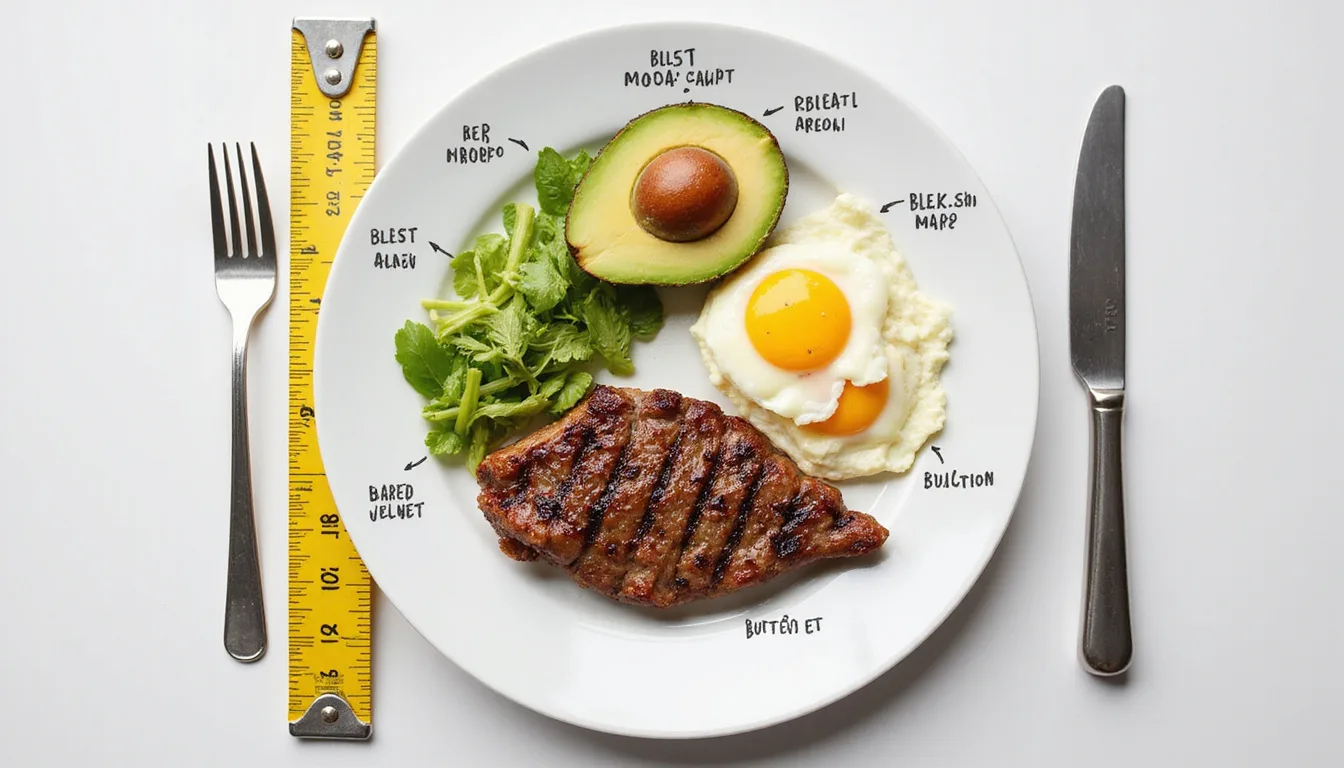
Instead, use a simple 3-part plate to shape most meals:
-
Half your plate: non-starchy vegetables
• Examples: leafy greens, broccoli, cauliflower, peppers, zucchini, cabbage, green beans, cucumbers
• They supply fiber, bulk, and nutrients and do not push blood sugar much. -
One-quarter: lean protein
• Examples: chicken, turkey, fish, eggs, tofu, tempeh, Greek yogurt, cottage cheese, and beans (which also count as carbs)
• Protein slows digestion and helps keep blood sugar spikes in check while you feel full longer. -
One-quarter: high-fiber carbohydrates
• Examples: lentils, beans, chickpeas, quinoa, oats, brown or wild rice, sweet potato, whole-grain bread or pasta
• Fiber slows the rise in blood glucose and helps over time.
Key pointers for meals:
• Skip refined carbs (white bread, sugary cereal, pastries) and choose whole, less processed carbs.
• Put protein and fat together with carbs to slow their absorption.
• A dash of vinegar or lemon on your salad can help lower the glucose jump after the meal.
• Eat until you are satisfied, not stuffed. Large meals may cause larger increases.
Shift even a few meals a week toward this pattern, and you will start to see better glycemic control.
Habit 2: Time Your Carbs Wisely and Balance Portions
Carbs affect blood glucose the fastest.
You do not need to cut them out.
You manage them by minding timing and portion sizes.
• Spread out the carbs during the day.
Large meals full of carbs (a big bowl of pasta or a high stack of pancakes with syrup) may push blood sugar high.
As insulin works to lower it, you might feel an energy drop.
A better way is:
- Divide your carbs over 3 meals and 1–2 snacks.
- Try to use similar carb portions at each meal to avoid big ups and downs.
• Choose high-fiber, lower-glycemic carbs.
The glycemic index (GI) shows how quickly carbs raise blood sugar.
Use it as a guide:
- Pick lower-GI foods like oats, beans, lentils, barley, quinoa, most fruits, and non-starchy vegetables.
- Use high-GI foods (white bread, sugary drinks, candy, many breakfast cereals, white rice) only rarely.
Often, switching choices such as:
- White rice with brown or wild rice or quinoa
- Regular pasta with whole-grain or lentil/chickpea pasta
- Sugary cereal with plain oats, nuts, and berries
can make daily blood sugar more steady.
• Pair carbs with protein, fat, and fiber at every meal.
This means add protein (eggs, yogurt, lean meat, or tofu) along with a healthy fat (olive oil, avocado, nuts, seeds) and fiber (vegetables, legumes, whole grains).
This mix slows digestion and keeps blood sugar jumps smaller after you eat.
Habit 3: Move Your Body Every Day (Especially After Meals)
Moving your body every day is one of the most effective ways to support glycemic control.
It can work much like a medicine by raising insulin sensitivity.
When you move, your muscles use glucose as fuel.
That lowers blood sugar.
Your cells also get better at taking in glucose when insulin works.
Two types of movement matter:
-
Post-meal walking
• Try 10–20 minutes of light or moderate walking after larger meals.
• This walk helps reduce the sugar spike after eating.
• It works well for people with type 2 diabetes or prediabetes. -
Regular moderate exercise
• Aim for 150 minutes per week of moderate-intensity work like brisk walking, cycling, swimming, or dancing.
• Add 2 days of bodyweight exercises, bands, or weights to build muscle.
• More muscle helps all your cells use sugar better.
You do not need a gym.
Short walks, taking stairs, light home workouts, or even dancing in your living room all work.
Sticking to a routine matters more than how hard you work each time.
Habit 4: Prioritize Sleep for Better Insulin Sensitivity
Sleep often gets overlooked, yet poor sleep can quickly hurt glycemic control—even in healthy people.
Research shows that short or broken sleep for a few nights can:
• Lower insulin sensitivity
• Raise hunger and cravings (especially for high-sugar or high-carb foods)
• Increase fasting blood sugar
Try these steps to help blood sugar stay steady:
• Get 7–9 hours of good sleep most nights.
• Keep a set sleep time even on weekends.
• Build a wind-down routine: use dim lights, avoid heavy meals and alcohol near bedtime, and cut off screens 30–60 minutes before sleep.
• Keep your bedroom cool, dark, and quiet.
If you struggle with long-lasting insomnia or might have sleep apnea because of snoring, pauses in breathing, or daytime sleepiness, talk with your healthcare provider.
Taking care of sleep issues can change glycemic control a lot.
Habit 5: Manage Stress to Reduce Blood Sugar Surges
Stress is not just in your mind; it affects your body.
When you feel stressed for long, your body puts out hormones such as cortisol and adrenaline.
These hormones raise blood sugar to help your body get ready for a quick reaction.
Over time, high stress can spoil glycemic control, even if your food is good.
You cannot wipe out stress completely, but you can control how much it hurts your blood sugar.
Simple stress tools:
• A five-minute break to breathe.
Try breathing in for 4 seconds, holding for 4 seconds, and breathing out for 6–8 seconds.
Repeat this for a few minutes.
This short break helps you feel calmer.
• A short break to move.
A 5–10 minute short walk or some stretching or yoga can lower stress hormones and help blood sugar stay stable.
• Set clear times to step away from work and devices.
This helps your brain rest.
• Enjoy pleasant activities.
Reading, gardening, hobbies, or time with those who support you all help lower stress.
When you see higher blood sugar during busy or emotional times, know that it is your body reacting.
Using one or two of these tips every day can cut down the impact on glycemic control.
Habit 6: Monitor, Track, and Learn Your Personal Patterns
Glycemic control does not follow one rule for everyone.
Two people eating the same meal may see very different blood sugar changes.
Tracking your numbers gives you clues about what works for your body.
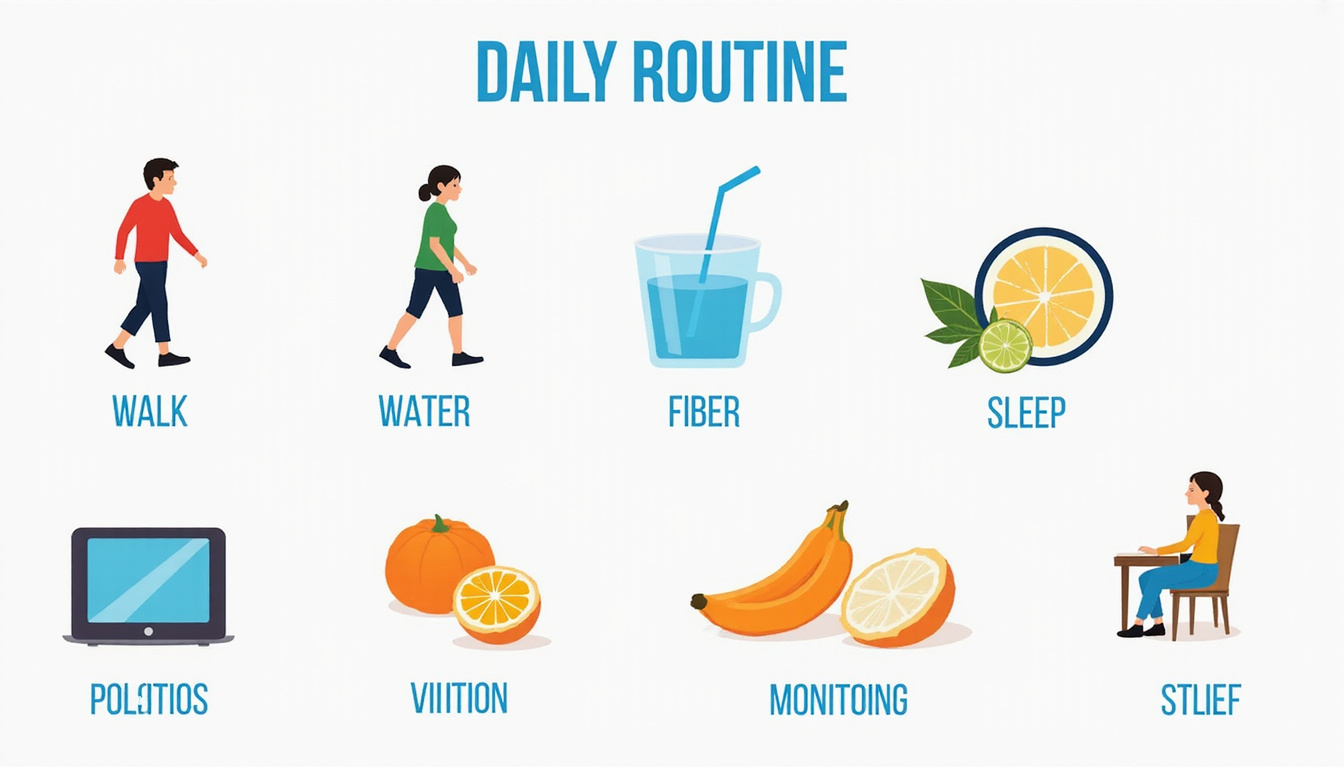
Tools you might use:
• A home glucose meter.
For those with diabetes or prediabetes, check fasting and post-meal readings (often 1–2 hours after eating).
Learn how food, exercise, and sleep affect your blood sugar.
• A continuous glucose monitor (CGM).
A small sensor on your skin can keep track of glucose day and night.
It is helpful where it fits your needs.
• The A1C blood test.
This lab test shows your average blood sugar over about 3 months.
It stands as a sign of long-term glycemic control.
Watch for:
• How certain meals make your readings change soon after eating.
• How a post-meal walk shifts your numbers.
• How sleep quality and stress levels change your readings.
Talk with your healthcare provider to use this information.
Adjust your medicine, meal time, or exercise routine as needed.
Your task is to learn from your data and adjust it without getting overly caught up in numbers.
Habit 7: Make Small, Sustainable Changes (and Get Support)
Keeping blood sugar steady calls for habits that work in the long run, not quick fixes.
Focus on one small change at a time.
For example:
• “I will walk for 10 minutes after dinner most nights.”
• “I will swap white bread for whole-grain bread this week.”
• “I will add a vegetable with lunch and dinner.”
• “I will aim to be in bed by 11 p.m. on weekdays.”
When that small change feels normal, add another.
Every small step can add up to big improvements in glycemic control.
Build a network that helps you:
• Ask your healthcare team – your doctor, a diabetes educator, a dietitian, or a pharmacist – for advice based on your needs.
• Talk with family or friends about your plans; they might help you with walks, meal ideas, or keeping tempting foods away.
• Join online groups or local meetings.
Support from others can bring tips, cheer, and accountability.
You do not have to be perfect to be kind to your health.
Even small improvements in your daily blood sugar and A1C readings lower long-term risks.
Putting It All Together: A Sample “Stable Blood Sugar” Day
Here is an example day that shows how these 7 habits can work together:
• Morning
- Get up after about 7–8 hours of sleep.
- Eat breakfast like a vegetable omelet, a slice of whole-grain toast, and berries.
- Take a 10-minute walk or do some light stretches before work.
• Mid-morning
- Have a small snack if you feel hungry, like Greek yogurt with a few nuts.
• Lunch
- Fill half of your plate with a salad (leafy greens, cucumbers, tomatoes, with an olive oil and lemon dressing).
- Use one-quarter of your plate for grilled chicken.
- Use the remaining quarter for quinoa.
- Enjoy a 10–15 minute walk after your meal.
• Afternoon
- Take a 5-minute break to focus on your breathing.
- Have a snack such as apple slices with peanut butter if needed.
• Evening
- For dinner, choose baked salmon with roasted broccoli and carrots and a small serving of sweet potato.
- Walk for a short period after eating with a friend or family member.
• Night
- Lower the lights on your screens 30–60 minutes before sleep.
- Spend a few minutes thinking about what went well and what to adjust for tomorrow.
This plan is not set in stone.
It shows how daily choices can support steady blood sugar in a gentle and lasting way.
FAQ: Common Questions About Glycemic Control
1. What is good glycemic control for someone with type 2 diabetes?
“Good” glycemic control works differently for each person.
Many guidelines point to:
• An A1C level under 7% (it might differ based on age, other conditions, and the risk of low blood sugar).
• Fasting or pre-meal glucose in the range of 80–130 mg/dL.
• Post-meal (1–2 hours after eating) glucose under 180 mg/dL.
These ranges serve as a guide.
Your healthcare provider can set goals that fit your needs.
2. How can I improve blood sugar control quickly but safely?
Here are some steps to help blood sugar control in a safe way:
• Walk 10–20 minutes after meals, starting today.
• Swap sugary drinks for water, unsweetened tea, or coffee.
• Include protein and fiber with every meal and snack.
• Get as close to 7–9 hours of sleep as you can tonight.
Small changes like these can affect your daily readings soon, even if steady control builds up over weeks and months.
3. What foods help keep glucose levels steady during the day?
For stable glucose levels focus on:
• Non-starchy vegetables (like broccoli, greens, peppers, zucchini)
• High-fiber carbohydrates (such as oats, lentils, beans, quinoa, barley)
• Lean proteins (fish, poultry, tofu, eggs, yogurt)
• Healthy fats (olive oil, nuts, seeds, avocado)
• Whole fruits (berries, apples, pears) instead of fruit juices
When you put these foods together into balanced meals, you help keep your blood sugar steady and avoid energy dips.
Take the Next Step Toward Better Glycemic Control
You do not need a perfect menu, a punishing exercise routine, or hard math to get better glycemic control.
What you need is a handful of doable daily habits that fit with your life: balanced meals, mindful carb timing, regular movement, quality sleep, stress managing, a bit of tracking, and gradual change.
Start with just one habit from this list.
Maybe take a 10-minute walk after dinner or add a vegetable to every meal.
Try it for the next week and watch how your energy, mood, and cravings change.
If you track your readings, you may notice a difference in your blood sugar too.
When you feel ready, talk with your healthcare provider or a registered dietitian to craft a plan just for you.
The sooner you care for steady blood sugar, the more you guard your heart, brain, nerves—and your quality of life—for many years.
[center]Always consult with your doctor prior to making drastic diet changes.[/center]
[center]As an Amazon Affiliate, Savvy Keto makes a small commision (at no extra cost to you) on any purchases you make thru affiliated links you click on.[/center]