
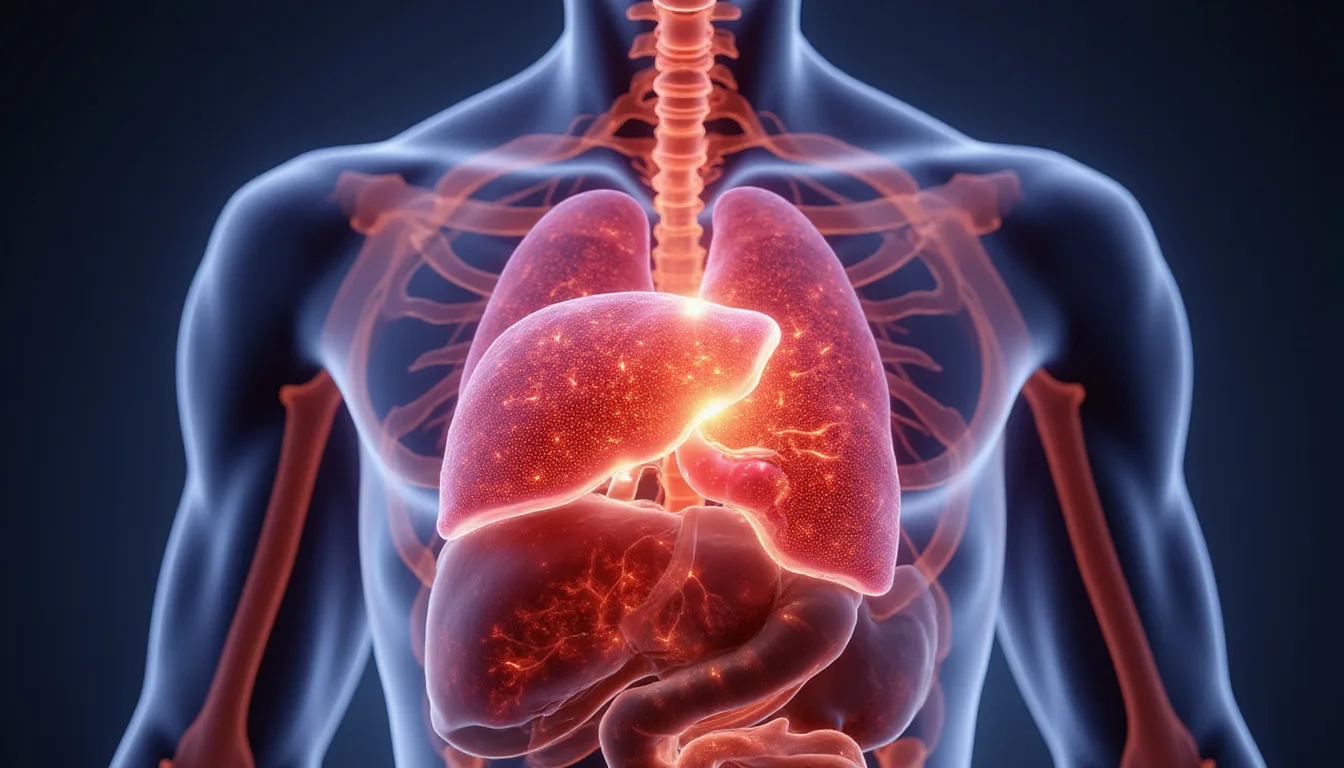
gluconeogenesis stands out as one of the body’s most engaging metabolic routes. This path helps you keep blood sugar levels balanced when you go long hours or even days without carbs. It works by turning non-carbohydrate food—often certain protein amino acids—into glucose. This process lets your brain, red blood cells, and other tissues that need sugar keep working well.
In this guide you will see what gluconeogenesis means, why it matters for health and performance, how the body tricks protein into glucose, and what unfolds on low-carb diets, while fasting, or in cases like diabetes.
What Is gluconeogenesis?

gluconeogenesis builds new glucose from sources that are not carbohydrates. The term means “making new sugar” (from “gluco” for glucose, “neo” for new, and “genesis” for making).
Key characteristics of gluconeogenesis
- Location: Works mainly in the liver and also runs in the kidneys and intestinal lining
- Fuel sources: Pulls amino acids from protein, lactate, glycerol (from fat), and other substrates
- Purpose: Keeps blood glucose in a tight range when you are between meals, working hard, on low-carb plans, or fasting
- Energy cost: Needs ATP for the process. It shifts existing energy into a form that sugar-dependent tissues can use
Without gluconeogenesis, blood sugar would fall to dangerous lows when you stop eating carbs, putting the brain and red blood cells at risk.
Why the Body Needs to Make Its Own Glucose
Even if you drop carbs for good, your body still needs a steady supply of glucose every day.
Tissues that rely on glucose
- Brain: It can use ketones when carb intake is low, but always needs some glucose for top performance
- Red blood cells: These cells lack mitochondria and depend on glucose for energy
- Kidney medulla and parts of the eye and testes: These cells prefer or require glucose
- Immune cells: They consume glucose quickly when active
To serve these parts, the body carefully holds blood sugar around 70–100 mg/dL when fasting. When you lose your carbohydrate source, gluconeogenesis supplies the needed sugar.
Substrates for gluconeogenesis: Where “New” Glucose Comes From
While protein is the focus here, gluconeogenesis can use several raw materials:
-
Amino acids from protein
- Mostly comes from amino acids that can support glucose formation—like alanine, glutamine, serine, and glycine
- These amino acids come from what you eat or from the breakdown of body protein when needed
-
Lactate
- Made when muscles and red blood cells use glucose without enough oxygen
- It moves to the liver, where it is rebuilt into glucose in a well-known cycle
-
Glycerol
- Acts as the backbone of stored fat
- Gets freed when fat cells let go of fatty acids
- Is transformed in the liver into glucose
-
Other substrates
- Use some intermediates from the citric acid cycle
- Use propionate mainly in animals such as ruminants
The body mixes these sources to adjust to different diets and energy needs.
How gluconeogenesis Converts Protein into Glucose
Turning protein into glucose follows a multi-step path that mainly happens in liver cells. Here is a simple view of the process when the starting point is protein.
Step 1: Breaking protein into amino acids
When you eat protein, digestion cuts it into amino acids that then go into the blood. During fasting, low calorie intake, or illness, the body may break down its own muscle protein to get these amino acids.
These amino acids travel to the liver where gluconeogenesis runs at full speed.
Step 2: Removing nitrogen from amino acids
Amino acids carry a nitrogen group. To use these molecules for glucose, the body must remove this group.
• The liver does this by changing amino acids through deamination or transamination.
• This process turns the nitrogen into urea, which your body then excretes.
• The leftover carbon parts form keto acids.
That is why more protein used in making glucose means more urea and higher nitrogen in urine.
Step 3: Inserting carbon skeletons into the pathway
The keto acids from amino acids turn into key intermediates that feed into gluconeogenesis:
• Pyruvate
• Oxaloacetate (OAA)
• α-ketoglutarate and other TCA cycle parts
After this, the process runs mostly in reverse compared to breaking down glucose, with a few extra non-reversible bypass steps.
Step 4: Reversing glycolysis safely
The liver mostly runs the process as the reverse of glycolysis, but some steps need special help:
-
From pyruvate to oxaloacetate and then to phosphoenolpyruvate (PEP)
- Key enzymes here use ATP and GTP as fuel.
- This part serves as an important control point.
-
Changing fructose-1,6-bisphosphate into fructose-6-phosphate
- A special enzyme helps in this step.
- This step is heavily controlled by energy and hormone signals.
-
Converting glucose-6-phosphate into free glucose
- Happens in the liver and kidneys; muscles cannot send free glucose into the blood.
By managing these steps, the liver builds glucose from amino acids.
Step 5: Sending glucose into the blood
After glucose makes the journey through the liver, it can:
- Travel into the blood to keep sugar levels steady.
- Get stored as liver glycogen.
- Be used locally by liver cells for energy.
This process is well-regulated so that blood sugar does not drop too low or rise too high.
Hormonal Control: When Does gluconeogenesis Turn On?
The body does not run gluconeogenesis at a fixed speed. It adjusts based on hormones and energy needs. Two key signals are:
Insulin: Slowing the process
• When blood sugar is high, the pancreas sends insulin.
• Insulin tells the liver to slow gluconeogenesis by reducing the actions of key enzymes.
• It helps store glucose and pushes cells to use the sugar that is already there.
Glucagon: Speeding the process
• When blood sugar is low, such as between meals or during fasting, glucagon is made.
• Glucagon tells the liver to boost gluconeogenesis and also helps break down glycogen.
• It also pushes the use of fat, which gives the liver glycerol for making glucose.
Stress hormones like cortisol and epinephrine can also push the liver to make more sugar. Their rise during stress or illness ensures that energy stays available, though constant high levels can lead to problems with blood sugar and insulin.
gluconeogenesis During Fasting and Low-Carb Diets
People see gluconeogenesis when they learn about fasting or low-carb and ketogenic diets.
Fasting
In a short fast lasting 8–12 hours:
- The liver starts using its glycogen.
- gluconeogenesis begins to work harder to supply enough sugar.
- Lactate, glycerol, and amino acids are the main fuels.
After more than 24 hours of fasting:
- Most glycogen is used up.
- gluconeogenesis becomes the main supplier of glucose.
- The body shifts to using more fat and ketones.
- Protein breakdown happens at first, but then the body works hard to save muscle by using fat and ketones.
Low-carb and ketogenic diets
When you eat a low-carb or ketogenic diet:
• Carbs are low so the liver must use gluconeogenesis to support blood sugar.
• The liver also makes ketones from fat to help the brain and other tissues.
• Protein helps repair the body and can produce glucose only when needed.
Some think that more protein always turns immediately into sugar. In truth, the body makes only as much glucose as it needs. Extra protein goes to repair, make enzymes and hormones, or is burned for energy.
Note that very high protein coupled with low activity and existing insulin resistance may have a small effect on blood sugar in some individuals.
Does gluconeogenesis Waste Muscle?
Many worry that gluconeogenesis, by using amino acids, burns muscle during fasting or low-carb diets. Here is what really happens:
• In short fasts and low-carb plans, if you eat enough protein, the body uses:
– Dietary protein
– Fatty acids and ketones
– Lactate and glycerol made from earlier activity
• As time goes on, the body learns to save muscle protein.
• Muscle loss tends to occur only when:
– Calories are very low over long stretches
– Protein is not enough
– There is high stress or serious illness
To keep muscle while gluconeogenesis is running:
• Get enough protein (about 1.2–2.0 g/kg of body weight daily, based on your aim)
• Use resistance training to tell your body to hold onto muscle
• Avoid very long periods of very low calories unless under supervision
gluconeogenesis in Exercise: Fueling Performance
During hard exercise, gluconeogenesis helps keep blood sugar and muscle fuel in a good range.
The cycle that reuses lactate
When you work hard, your muscles make lactate. This lactate:
- Moves into the blood
- Reaches the liver
- Is changed back into glucose
- Comes back to the muscles as fuel
This cycle helps you push on longer and slow down fatigue.
Amino acids as backup fuel
• Some amino acids, like the branch-chain ones (leucine, isoleucine, and valine), join in energy pathways.
• Alanine from muscles goes to the liver and turns into glucose before returning to muscles. This runs as a cycle.
For best performance, most of the work still goes to eating enough carbs, but gluconeogenesis helps fill the gap when sugar stores run low.
gluconeogenesis and Diabetes
In type 2 diabetes, blood sugar levels in the overnight hours tend to be higher. One part of this comes from the liver making extra glucose when it is not needed.
Why gluconeogenesis is high in diabetes
• When liver cells do not respond well to insulin, they keep making glucose instead of stopping.
• Higher levels of glucagon push the liver to work more on gluconeogenesis.
• Inflammation and fat buildup in the liver can upset normal control.
Some diabetes medicines work by cutting back the liver’s role in gluconeogenesis. Lifestyle changes that improve how your body uses insulin—such as weight loss, exercise, and smart eating—can help control this activity.
What Influences the Rate of gluconeogenesis?
Many factors shape how active gluconeogenesis is:
• Carbs in your diet: Fewer carbs mean the body turns more to gluconeogenesis.
• The overall calorie count: Fewer calories make the body need more internal sugar.
• Hormones: Changes in insulin, glucagon, cortisol, growth hormone, and thyroid hormones all play a role.
• Health of the liver and kidneys: These organs are key places where gluconeogenesis happens.
• Exercise: Hard or long exercise makes the body use more sugar.
• Illness and infection: When the body fights off problems, it makes extra gluconeogenesis to have more energy.
This view shows that gluconeogenesis is simply one way our body keeps us alive.
Practical Takeaways: Managing gluconeogenesis for Health
You do not have to control gluconeogenesis closely. Still, smart habits can support steady glucose levels:
• Eat enough protein but not too much, so your body does not need to make extra glucose all the time.
• Balance your macronutrients: Eating more carbs cuts down on the need for gluconeogenesis, while fewer carbs mean the liver has to work more.
• Look after your liver: Cut back on alcohol, processed foods, and added sugars. Keep your weight and body composition on track.
• Stay active: Regular exercise helps your body respond well to insulin and manage sugar production better.
• Keep stress low and sleep well: When cortisol stays high for long, the liver may make more sugar than needed.
If you live with diabetes, prediabetes, or liver challenges, speak with a health expert before making big diet changes.
FAQ About gluconeogenesis and Protein
1. Does gluconeogenesis from protein mean that a high-protein meal will raise my blood sugar sharply?
In some people, especially those with insulin resistance or diabetes, a protein meal may cause a small rise in blood sugar because some amino acids become glucose. Yet, the body makes only as much glucose as necessary, not simply because protein is eaten.
2. Is gluconeogenesis the same process as breaking down glycogen?
No. Gluconeogenesis is the act of making new glucose from non-carbohydrate materials like amino acids, lactate, or glycerol. Breaking down glycogen is the process that turns stored glucose into sugar for the blood. Both help keep blood sugar stable but work with different starting points.
3. How much protein turns into glucose during a low-carb diet?
This amount changes from person to person and depends on circumstances. On a low-carb diet, gluconeogenesis may supply most of the sugar your body needs—often around 80–130 grams a day for many adults. That glucose comes from a mix of amino acids, lactate, and glycerol. If your protein supply is enough, only the glucose you need is made. Extra protein helps with repair, enzymes, and energy instead of just turning into sugar.
Turn Knowledge of gluconeogenesis into Better Health Choices
Knowing about gluconeogenesis paints a clear picture of your metabolism’s strength. Your body can change protein, lactate, and glycerol into sugar when needed. This keeps key tissues active even when you eat few carbs or skip food for many hours.
With this insight, you can:
• Plan your food choices with more care
• Use fasting or low-carb plans more wisely, if they match your goals
• Look after your muscle and liver while keeping your blood sugar steady
If you plan a major diet change such as low-carb, ketogenic eating, intermittent fasting, or managing diabetes, talk with a trusted health or nutrition expert. A well-made plan that fits how your body works can bring you more energy, better metabolic health, and results that last.
[center]Always consult with your doctor prior to making drastic diet changes.[/center]
[center]As an Amazon Affiliate, Savvy Keto makes a small commision (at no extra cost to you) on any purchases you make thru affiliated links you click on.[/center]