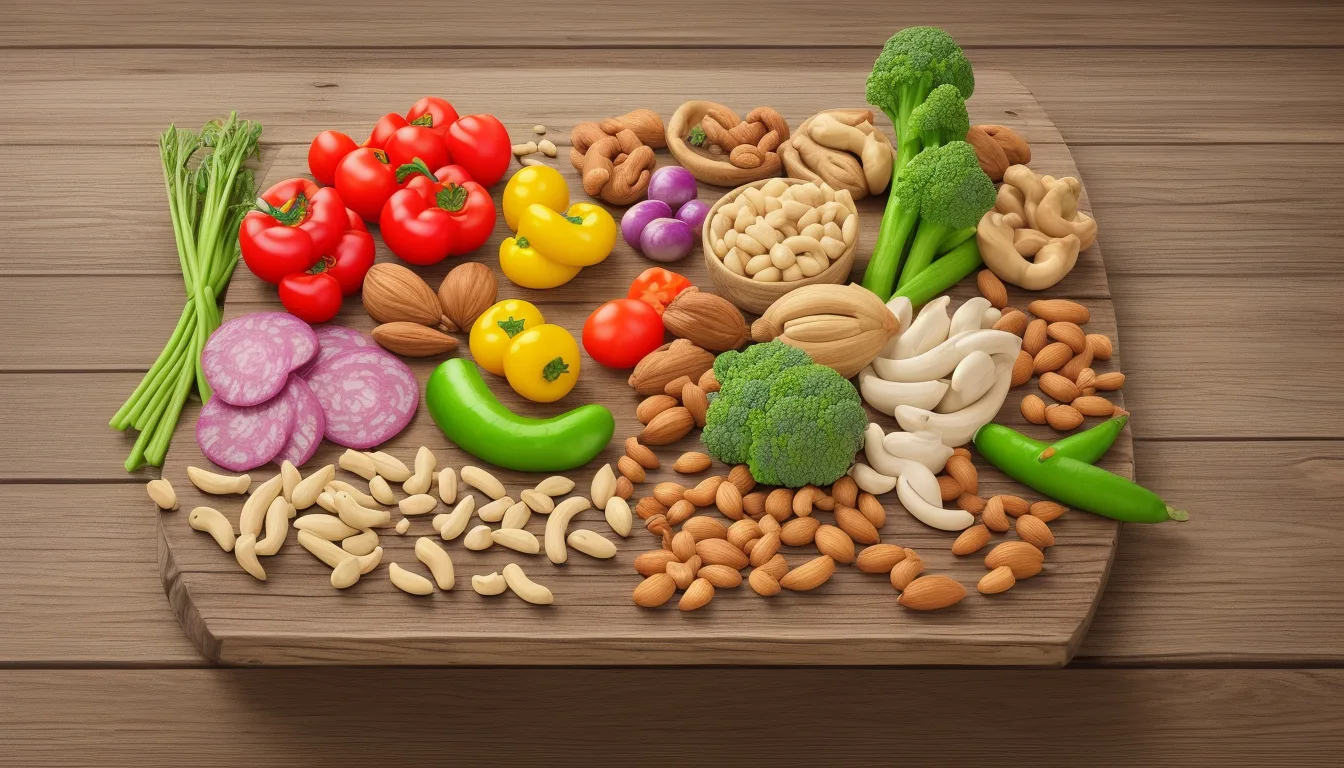

If you’ve heard low-carb diets promise steady energy and lasting fat loss, focus on fat adaptation.
Fat adaptation means your body learns to burn fat for fuel instead of mostly using carbohydrates. This change helps keep energy steady, cuts hunger, and taps stored fat for loss. It needs a proper plan and time to work.
What is fat adaptation and why it matters
Fat adaptation is more than being in ketosis for a short spell or limiting carbs for days. It slowly tunes your metabolism. Mitochondria and enzymes then work hard to burn both the fat you eat and the fat you store during daily tasks and exercise.

Why this matters:
- Energy stays steady: Blood sugar stays calm and you avoid highs and lows.
- Appetite settles: Fuel from fat and ketones makes you feel full and cuts snack urges.
- Lasting fat loss: Your body learns to tap into stored fat to trim down.
- Clear mind: Many feel more focused as the brain uses ketones well.
- Endurance grows: Fat-adapted athletes can perform longer without needing to refuel often.
How fat adaptation works: the physiology, in plain language
Your body usually runs on sugar from carbs. When you lower your carb intake for a while, insulin drops and the liver breaks fat into ketones. At first, your muscles and brain still ask for sugar. With repeated low-carb days and planned training, cells boost enzymes and mitochondrial activity to burn fat and ketones. Over weeks to months, you gain steady energy and a reduced need for frequent carbs.
Typical timeline: what to expect
- Days 0–7: Transition. Glycogen drops; you may feel fatigue, fog, and irritability (the “keto flu”).
- Weeks 2–4: Early adaptation. Energy steadies, appetite often drops, though some carb thoughts linger.
- Weeks 4–12: Increasing adaptation. Exercise performance improves as fat burning grows.
- 3+ months: True fat adaptation. Many notice steady energy, better body shape, and improved exercise ease.
A practical 6-step plan to achieve fat adaptation
Below is a clear plan to help you adapt safely and well. Adjust it for your activity, health, and personal goals.
-
Reduce carbs sensibly
• Aim for 20–50 grams of net carbs daily at first if you want fast results; active people might use 50–100 grams. Fewer carbs speed the shift, yet extreme cuts are not needed by everyone. -
Increase healthy fats
• Make fats your main fuel with olive oil, avocados, nuts, seeds, fatty fish, or grass-fed butter. These fats give steady calories and push ketone production. -
Keep protein moderate
• Eat enough protein to hold onto muscles (about 0.6–1.0 g per pound of lean body mass). Too much protein can turn into sugar and slow the shift. -
Add targeted fasting or meal timing
• Try time-restricted eating (for example, 12:12 to 16:8) to lower insulin and open windows for fat burning, which may speed your progress. -
Train smart
• Include low- to moderate-intensity aerobic sessions during the early days. You may keep high-intensity workouts but expect lower top performance; adjust intensity as you adapt. -
Support recovery and electrolytes
• Drink water, get salt, potassium, and magnesium, sleep well, and watch stress. This helps ease fatigue and prevent cramps.
(For many active people, cutting carbs along with steady endurance sessions shifts muscle fuel use toward burning more fat. Research shows that low-carb and high-fat approaches change fuel use and help during steady endurance work.)
Simple checklist: daily targets for beginners
- Net carbs: 20–50 g (raise this if you are very active)
- Protein: moderate to protect muscle
- Fat: fill the rest of your calories
- Water: at least 2–3 liters per day (more if you work hard)
- Electrolytes: add salt, use potassium-rich foods, and check magnesium
What you’ll likely feel during the transition
- Short-term: Headaches, low energy, sleep troubles, and stomach changes (from electrolyte drop and less glycogen).
- Medium-term: Fewer food cravings, a clearer morning, and a lighter afternoon.
- Long-term: Steady endurance, better body shape, and fewer mood shifts from sugar changes.
Common mistakes that slow fat adaptation
- Too many hidden carbs (like in sauces, nuts, and dairy) that keep insulin high.
- Eating too few calories for too long, which can upset hormones and energy.
- Starting high-intensity training too soon, which calls for extra sugar.
- Skipping on electrolytes and hydration.
- Expecting fast results; the switch takes weeks to months.
Who benefits most — and who should be cautious
Good candidates:
• People who face frequent energy dips and sugar cravings.
• Those looking for steady energy during long workdays or endurance activities.
• Anyone aiming for lasting fat loss.
Be careful if you:
• Have type 1 diabetes, are pregnant or nursing, have metabolic issues, or take medicines that affect blood sugar. Check with your doctor before starting.
How to measure fat adaptation progress
- Watch for signs: fewer cravings, steady energy, better mood, and improved sleep.
- In tests: higher resting ketones (around 0.3–1.5 mmol/L seen during adaptation), better fat burning rates, and less body fat over time.
- In performance: steady submax workouts, quicker recovery, and a slow return of high-intensity power as you adapt.
Meal examples for fat-adapted fueling
- Breakfast: Eggs cooked in butter with spinach, mushrooms, and avocado.
- Lunch: Salad with mixed greens, grilled salmon, olive oil, and olives.
- Snack: A handful of macadamia nuts or a small bowl of full-fat Greek yogurt.
- Dinner: Roasted chicken thighs paired with broccoli cooked in olive oil and cauliflower mash.
- Pre/post-workout: For longer or hard sessions, add a small carb source (like a banana or rice) while keeping the overall plan fat-fueled.
One-week sample plan (high-level)
- Day 1–3: Stick with low carbs and focus on water and electrolytes.
- Day 4–7: Keep it low-carb; add easy aerobic workouts (30–60 minutes).
- Week 2–4: Raise fatty meal intake, keep protein steady, and slowly raise training volume.
- Month 2–3: Adjust carbs around workouts as needed and note your results.
How to reintroduce carbs strategically (if desired)
After you adapt, many include small amounts of carbs around training sessions or raise daily carbs a bit while staying mostly fat-fueled. This flexible method keeps the benefits while aiding high-intensity work when needed.
Evidence snapshot
Studies show that low-carb, high-fat methods change how you use fuel and boost fat burning, especially after a period of adaptation during endurance work. Look to research and clinical reviews for more details.
Bulleted quick-start checklist
• Cut net carbs to 20–50 g/day at first.
• Increase healthy fats to meet your calorie needs.
• Keep protein at a moderate level to keep muscle.
• Drink water and add electrolytes.
• Start with steady aerobic workouts and hold off on intense ones too soon.
• Track your signs and ketone levels if you wish.
• Consult your doctor if you have health issues or take medicines.
FAQ — quick answers about fat adaptation
Q: What is fat adaptation and how long does it take?
A: Fat adaptation is the body’s shift to use fat and ketones well. Noticeable changes may take 4–12 weeks, with early signs in 1–3 weeks.
Q: How do I know if I am fat-adapted or just low-carb?
A: Fat adaptation shows as steady energy without many carbs, longer endurance, fewer cravings, and measurable ketone levels or better fat burn in tests. A short-term low-carb diet may not mean full adaptation.
Q: Can I eat carbs sometimes and still be fat-adapted?
A: Yes. Many include a few carbs around workouts or for social meals. The body stays flexible by burning fat most of the time.
Safety and final considerations
Fat adaptation can support steady energy and fat loss, but it is not a one-size-fits-all answer. Watch how you feel, track your progress, and change the plan to suit your life and goals. If you take blood sugar medicines, are pregnant, breastfeeding, or face serious health issues, check with your doctor before starting.
Conclusion — a simple invitation to try a smarter fuel strategy
Fat adaptation is not a quick trick; it slowly changes how your body runs with careful planning, patience, and smart eating. If energy dips, constant snacking, or stalled fat loss leave you frustrated, this approach may help your body burn fat better. Try the steps above for 4–12 weeks, track your progress, and adjust your training as needed. If you need help with a plan that fits your needs—including meal ideas, training adjustments, and ways to handle side effects—think about a session with a nutrition expert or doctor who understands low-carb ideas. Take the first step today and see how it feels to have steady energy and lasting fat loss when your body learns to run on fat.
[center]Always consult with your doctor prior to making drastic diet changes.[/center]
[center]As an Amazon Affiliate, Savvy Keto makes a small commision (at no extra cost to you) on any purchases you make thru affiliated links you click on.[/center]