
Energy Balance Hacks That Finally Stop Dieting and Boost Vitality
You feel stuck in a cycle of diets, weight swings, and food worries. You try one diet rule and then another. Now, you can shift your mind to energy balance. In energy balance, you see how your body links the food you eat to the energy you use. When you get this link right, you end the diet troubles while keeping your weight steady and feeling more alive.
This guide splits energy balance into clear parts. It gives you real steps to work with energy balance without counting every calorie or feeling bad about food.
What Energy Balance Means (And Why Diet Plans Skip It)

At its core, energy balance is a simple math equation:
• Energy in = calories you take from food and drinks
• Energy out = calories your body uses for:
– Living functions (breathing, heart beating, brain acting)
– Digestion
– Movement (walking, getting active, even small fidgets)
When:
• Energy in ≈ energy out → your weight stays the same
• Energy in > energy out → you gain weight
• Energy in < energy out → you lose weight
Many diet plans force your energy in to go down. They ignore energy out—your metabolism, movement, body signals, and stress. When you quit the strict plan, your body shows hunger, cravings, and tiredness.
A better view is to work with energy balance. You can adjust both food and movement in ways that feel right and stick with you.
Step 1: Find Your Own Energy Baseline (No Constant Counting)
To work with energy balance, you need a simple idea of your maintenance level. This level is where your weight stays roughly the same over two weeks.
A simple way to see your maintenance:
- Pick a 2-week period when your day is normal.
- Eat like you usually do. Try to have similar meals each day and keep snacks alike.
- Weigh yourself:
– At the same time each day (for example, in the morning after using the bathroom)
– 3 or 4 times each week
– Look at the trend, not one number - If your weight is:
– About the same → You are near your maintenance
– Slowly rising → You eat more than needed
– Slowly falling → You eat less than needed
You can try an online Total Daily Energy Expenditure (TDEE) calculator for a start. Then, use your own numbers to adjust. The goal here is to learn your level. Once you see it, you can change gently instead of with big shifts.
Step 2: Stop Dieting and Start Shaping Your Energy
Instead of switching between "on a diet" and "off a diet," think of it as energy shaping. You make small and clear changes on both sides of the energy balance.
• To change energy in without feeling lost:
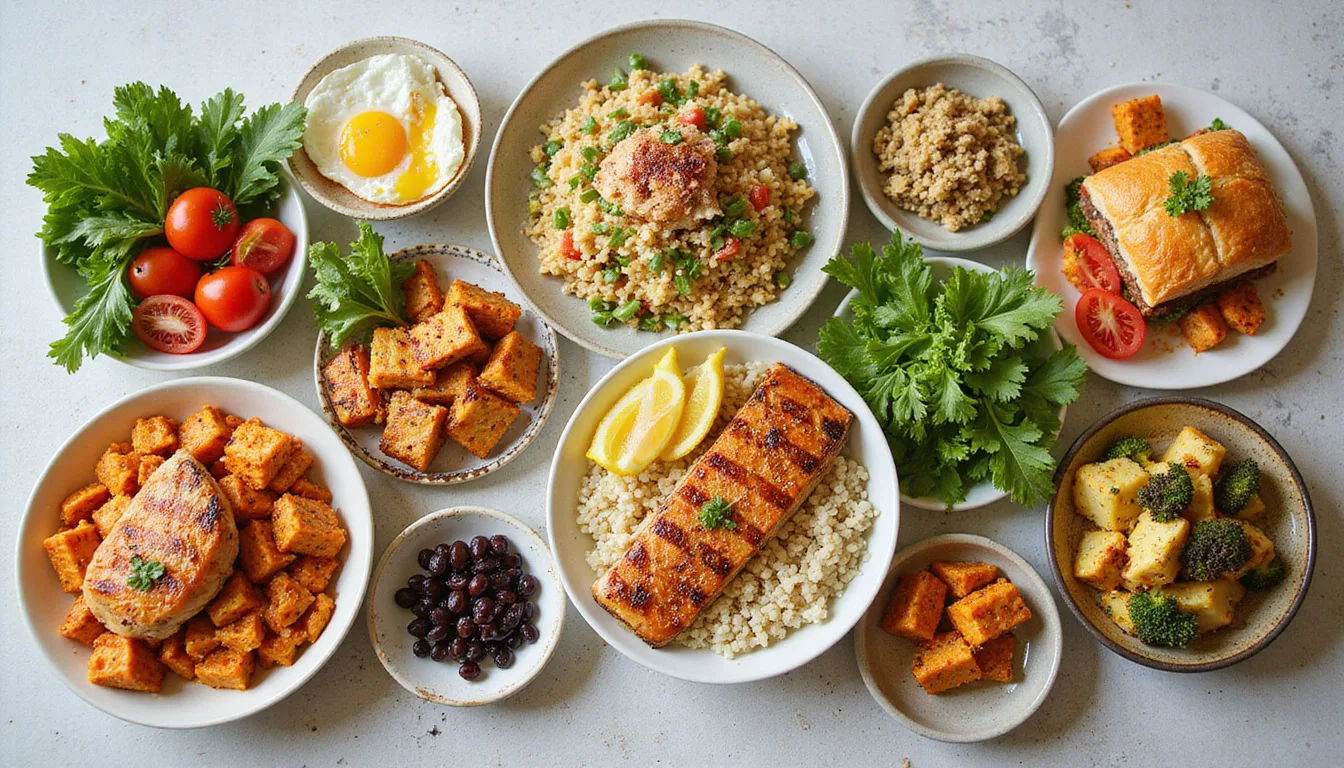
– Eat mainly natural foods. Foods with protein, fiber, good fats, and slow carbs fill you up without many calories.
– Add more low-calorie foods. Fill meals with vegetables, fruit, beans, lentils, and soups.
– Swap foods instead of cutting them out. Change soda for sparkling water with a hint of flavor, heavy sauces for lighter ones, fried items for baked or grilled choices.
– Reduce the number of food choices. A regular breakfast and lunch that you enjoy can keep the stress of decisions low.
• To change energy out without spending hours in a gym:
– Get more movement in your day. Simple actions like extra steps, house chores, or even a walk during a call can burn more energy overall.
– Build strength. Muscle works harder than fat. A couple of strength sessions a week can raise your resting energy use and help your body work better.
– Take short movement breaks. A brief 5–10 minute walk several times a day can raise your energy out and lift how you feel.
This way, you no longer have to cut calories drastically. You slowly shift both food and movement to help you.
Step 3: Reset Your Hunger Signals (So You Do Not Strain Yourself)
Your hunger and fullness are signals in your energy game. When you ignore them, your body may try to catch up with strong cravings later. Instead, learn to read and follow your signals.
Simple tips to manage hunger:
• Start meals with protein and fiber. Aim for 20–30 g of protein and some extra fiber at each big meal. For example:
– Greek yogurt with berries
– Eggs with wholegrain toast and vegetables
– Lentil soup with side greens
• Try the “20-minute pause” rule. When you finish a meal, wait 20 minutes. Give your fullness signal time to build. If you still feel hungry, then eat a bit more.
• Drink water before eating more. Sometimes thirst tells you to drink first.
• Change your eating space. Keep very tempting snacks out of sight. Instead, put healthy food where you can see it.
A way to score your hunger:
Rate your hunger before and after a meal:
– 1–2: Very hungry, shaky
– 3–4: Clearly hungry, food sounds good
– 5–6: Comfortable, neither very hungry nor very full
– 7–8: Full, a bit heavy
– 9–10: Too full, uneasy
Try to start a meal when you are around 3–4. End it when you are around 6–7. This tuning helps your energy balance stay steady.
Step 4: Boost Vitality by Caring for Hidden Energy Factors
Energy balance does not mean only food and exercise. Some hidden factors help your body burn energy and keep you alert.
• Sleep: Your body needs good sleep. When you do not sleep enough, your hunger rises, you crave high-calorie foods, and you move less. Try to get about 7–9 hours of sleep. A regular sleep routine can help keep hunger and energy steady.
• Stress: When stress stays high, your body changes how it uses energy. Stress may cause more hunger and a preference for high-calorie foods. You can try 5–15 minutes a day of simple stress breaks. Try slow breathing, a short walk outside, writing a few lines in a journal, or light stretching.
• Digestion: Your body works to digest food. Protein makes your body work harder to digest than other food types. In each meal, include a solid portion of protein. This step helps you feel fuller and even burns extra energy while digesting.
Step 5: Build Daily Habits That Keep Energy Balance for the Long Run
The aim is to reach a time when you do not feel like you are on a diet. You have steady weight and good energy with habits you rarely think about.
Here are five steady habits to add:
- Walk between 7,000 and 10,000 steps each day, counting over a week. Split your walk into short trips after meals, during calls, or in the evening.
- Eat a good protein source at every main meal. Think eggs, Greek yogurt, lean meat, tofu, beans, or nuts.
- Let half your plate be filled with plants. Choose vegetables, fruits, or lentils. They give fiber, vitamins, and help with digestion.
- Set a regular meal pattern. Two to three main meals with one or two small snacks can cut down on extra eating.
- Do a weekly check-in with yourself. Ask:
– How did I feel in energy this week?
– Did I often feel too full or not full enough?
– How was my movement and sleep?
– What is one small change I can try next week?
These habits work on autopilot to help your body keep a steady energy balance.

Step 6: Adjust for Your Goal: Lose, Keep, or Gain Weight While Staying Lively
Once you know your natural energy balance, you can tilt it in the way you want without big jumps.
• If you wish to lose fat without feeling worn out:
– Aim for a small, steady energy gap by changing both food and movement.
– Cut down slightly on high-calorie foods like oils, sweets, or fried items.
– Add one or two moves in your day (like a brief walk or a quick set of exercises).
– Keep protein and fiber high to hold hunger at bay.
– Watch the trend over three to four weeks, not days.
– A pace of about 0.25–0.75 kg (0.5–1.5 lb) per week is a good target.
• If you want to maintain your weight and feel full of life:
– Eat until you feel satisfied at most meals.
– Keep a simple, steady pattern of movement.
– Check in on your daily energy, sleep quality, and mood.
– If weight changes slowly over months, adjust food or movement a bit.
• If you aim to build muscle without gaining excess fat:
– You need a slight rise in energy levels.
– Increase calories by about 200–300 each day at first.
– Focus on strength training three to five days each week.
– Keep protein levels high and look at your body’s shape and strength rather than just the scale.
In all cases, you use energy balance by shifting it a little in the direction of your goal.
A Simple Daily Energy Balance Checklist
Use this quick list to stay on track without overthinking:
[ ] Do I eat enough to feel strong but not overfull most of the day?
[ ] Does each main meal include a source of protein?
[ ] Do I get at least 5–10 minutes of movement several times today?
[ ] Do I drink enough water so that my urine is a light yellow?
[ ] Did I take at least one small step to deal with stress?
[ ] Did I work toward 7–9 hours of sleep or keep my sleep window steady?
Even if you hit four of these six points on many days, you keep your energy balance on a good path.
FAQs About Energy Balance, Weight, and Vitality
-
How do I work on my energy balance without counting calories?
Focus on simple patterns. Eat mainly whole, less processed foods. Include protein and fiber at each meal. Try to cut back on sugary drinks and avoid random snacking. Add more movement in small ways, protect your sleep time, and keep stress low. Over weeks, notice your weight and energy. Adjust slowly with these signals. -
What is the difference between cutting calories and energy balance?
Cutting calories means you eat less than you burn; this creates a gap that leads to weight loss. Energy balance is the overall link between what you eat and what you use. A neutral balance keeps your weight steady. A gap on one side or the other makes you lose or gain weight. The trick is to adjust gently so you do not lose your energy. -
Can I keep good energy if I want to lose weight?
Yes—you can lose weight and still feel lively if you keep the gap small. Do not choose a very low intake. Hold protein, fiber, and water high in your diet. Sleep well and keep stress in check. Include both strength work and light activities. Your goal is to feel a bit hungry sometimes, not worn out or fixated on food.
Stop Dieting. Start Mastering Energy Balance.
You do not need another strict diet plan or quick fix. What you need is to learn how energy balance works with your body. You can do this by:
• Finding your own maintenance level
• Making small, steady changes in what you eat and how you move
• Honoring your sleep, stress, and hunger cues
• Building simple habits that run on their own
When you start to work with your body instead of fighting it, you reach a state where steady weight and good energy become normal. Pick one small move from this guide—perhaps a walk after dinner, adding protein to your breakfast, or keeping a stable sleep time—and try it for seven days. When that feels right, add another.
Your body always adds up energy. When you work with it, you leave behind strict diets and find a new, lively way to live.
[center]Always consult with your doctor prior to making drastic diet changes.[/center]
[center]As an Amazon Affiliate, Savvy Keto makes a small commision (at no extra cost to you) on any purchases you make thru affiliated links you click on.[/center]