
If you feel low on energy, get muscle cramps, or suffer brain fog—especially after a workout or a long day—your body’s mineral balance may be off. You need not run marathons or work hard outside; even desk workers, parents, and casual exercisers can feel the gap when the body’s minerals do not match.
This guide shows what electrolytes do, why they sometimes fall out of line, and simple ways to set them back to balance so you can say goodbye to fatigue and cramps.
What is electrolyte balance (and why it matters so much)?

Electrolytes are minerals with an electric charge. They float in your body’s fluids. The main ones are:
- Sodium
- Potassium
- Magnesium
- Calcium
- Chloride
- Bicarbonate
- Phosphate
They help control:
- Muscle movement (including your heart)
- Nerve signals
- Water levels in your body
- Blood pressure
- pH balance
Electrolyte balance means these minerals stay in a safe range and match one another. Your balance can be:
- Low overall – not enough minerals.
- Uneven – plenty of one but not enough of another (for instance, too much sodium and too little potassium).
- Diluted – drinking lots of plain water that pushes minerals out.
Even small changes can bring fatigue, cramps, dizziness, headaches, and lower exercise performance. Big shifts can disturb your heart rhythm. In those cases, seek medical care (source: Mayo Clinic).
Signs your electrolyte balance may be off
These symptoms can come from many sources. However, when many appear—especially around exercise, hot days, or sickness—minerals become a focus.
Common signs of low or uneven electrolytes:
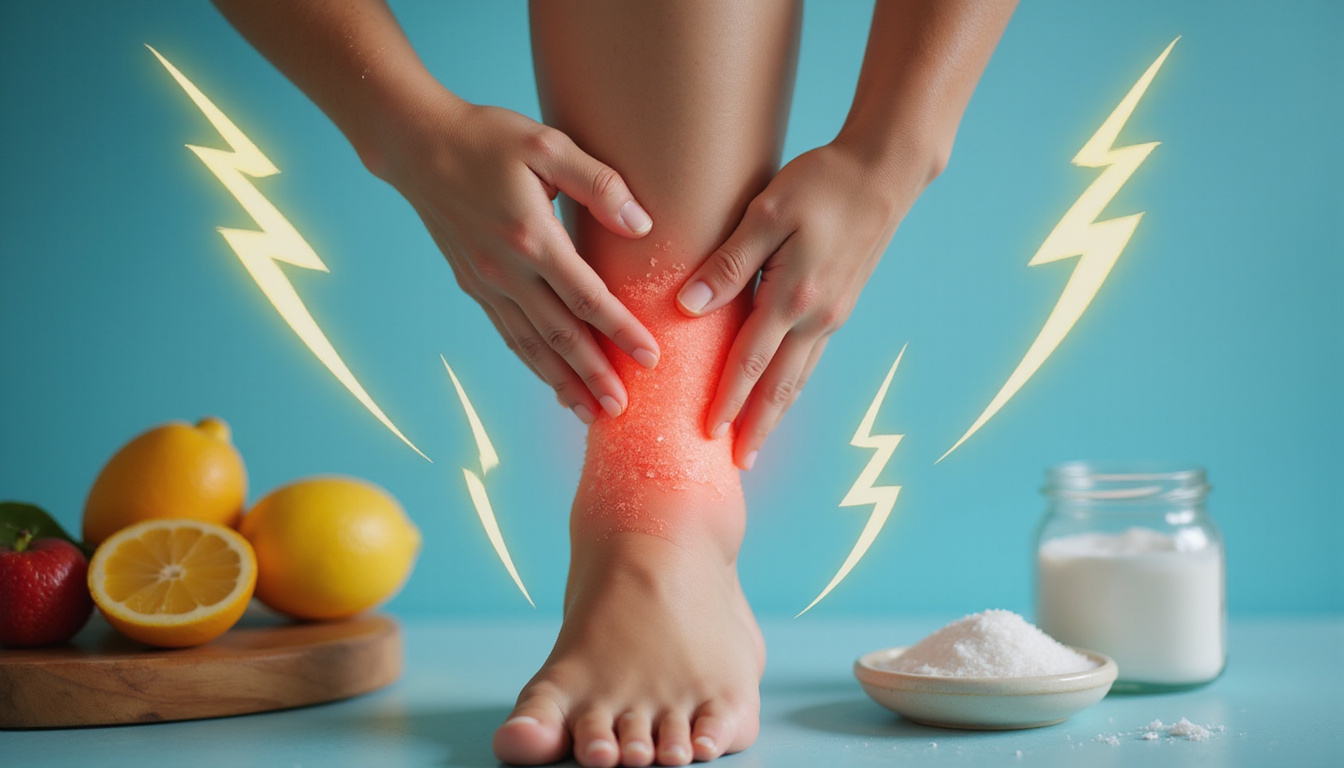
- Muscle cramps (calves, feet, or hands)
- Muscle twitching or sudden tightening
- Tiredness, even after good sleep
- Headaches or feeling lightheaded
- Feeling drained after mild effort
- A fast or irregular heartbeat
- Brain fog or weak focus
- Extra thirst or frequent trips to the bathroom
- Nausea or loss of hunger
- In serious cases: confusion, chest pain, or shortness of breath (seek urgent care)
If you face severe or sudden symptoms, especially chest pain, confusion, or breathing trouble, get help immediately.
Why fatigue and cramps are tied to electrolyte balance
How muscle cramps happen
Muscles work when minerals help them contract and relax in turn. In this process:
- Calcium sets off muscle contraction.
- Magnesium helps muscles relax.
- Sodium and potassium guide the electrical signals that tell your muscles to work.
If one or more minerals fall short or come in the wrong amount:
- Nerve signals can misfire.
- Muscles do not relax as they should.
- You feel cramps or tight, spasm-like pain.
Why low electrolytes make you tired
Cells use electrical gradients to make energy and pass messages. When mineral levels stray:
- Nerve signals slow, leading to mental and body tiredness.
- Low blood pressure may occur, causing dizziness and fatigue.
- The heart may work less well, leaving you short of breath and drained.
So when you feel low on energy, it may be due to a mix-up in the body’s wiring and fluids.
Hidden habits that weaken your electrolyte balance
You do not have to sweat hard to lose electrolytes. Some daily acts can lower your levels:
1. Drinking too much plain water
Water is key to health, but gulping large amounts without minerals—especially near a workout—can thin out sodium and other minerals. This thinning mimics dehydration with signs like fatigue, headache, nausea, and cramps.
2. Eating lots of processed food or very low-salt diets
- Processed foods give loads of sodium and little potassium or magnesium.
- Diets that keep sodium very low can leave you feeling weak, especially if you sweat.
A mix of moderate sodium with high potassium and magnesium from whole foods is often best unless your doctor advises a special diet.
3. Long or intense workouts
Heavy sweating, such as during long sessions or in heat, can lose:
- Lots of sodium and chloride
- Some potassium and magnesium too
If water is your only drink, you risk a mineral imbalance. This balance may look good on social media but harms your cells.
4. Caffeine, alcohol, and some medications
- Caffeine and alcohol push more fluid out in urine, which lowers mineral levels.
- Some blood pressure and diuretic drugs do the same.
- Certain antacids, laxatives, and supplements can also change levels.
Talk with your doctor before you change your routine if you use these medications.
5. Skipping meals or tight diets
Low-calorie or very strict diets can leave you short on minerals. When you exercise on such a diet, the loss grows greater than the intake.
Daily electrolyte balance hacks for more energy and fewer cramps
You do not need fancy powders or bright sports drinks to restore balance. Try these simple, steady steps.
1. Use smart hydration instead of just more water
Swap “drink more water” with “drink better.”
Hack: Follow a three-part hydration plan on active days
-
Pre-activity (60–90 minutes before)
- 250–500 ml (8–16 oz) of water with a pinch of salt and a squeeze of citrus
- Or a low-sugar drink with minerals
-
During activity (if longer than 45–60 minutes or in warm weather)
- 100–250 ml (3–8 oz) every 15–20 minutes
- Alternate water with a mineral drink if you sweat a lot
-
Post-activity (in the first 1–2 hours)
- 500–750 ml (16–25 oz) of water
- Include minerals, especially if salt builds up on your skin or clothes
On off days, sip when you feel thirsty. Check your urine for a pale straw color. That usually shows a good balance, not just a set quota of water.
2. Build an electrolyte-friendly meal plan
A few changes to your plate can support a good mineral balance.
Emphasize potassium-rich foods:
- Bananas, oranges, kiwi, and melon
- Potatoes and sweet potatoes (include the skin)
- Avocado
- Leafy greens like spinach or chard
- Beans and lentils
- Yogurt
Boost magnesium intake:
- Pumpkin or sunflower seeds
- Almonds and cashews
- Dark leafy greens
- Black beans
- Whole grains like oats and quinoa
- Unsweetened dark chocolate (70%+)
Get balanced calcium with these foods:
- Dairy items: milk, yogurt, cheese
- Fortified plant milks (read the labels)
- Sardines or salmon with bones
- Tofu prepared with calcium
- Greens like collards, kale, or broccoli
Use salt wisely (if your health allows):
- Lightly salt meals made at home instead of relying on packaged food.
- Add a bit more salt when you sweat a lot on hot days.
If you have high blood pressure, kidney, or heart problems, follow your doctor’s advice about salt.
3. Make your own low-sugar electrolyte drink
Store drinks are handy. However, they may include too much sugar and extras. You can mix a simple drink at home.
Basic DIY electrolyte drink:
- 500 ml (about 16 oz) water
- 1–2 tablespoons lemon or lime juice
- 1/8 to 1/4 teaspoon sea salt (start small)
- 1–2 teaspoons honey or maple syrup (optional, for taste and quick energy)
Mix until all parts join. Chill if you like.
For extra potassium and magnesium, mix in a little coconut water (about half as much as plain water) or add a no-sugar mineral powder.
This drink suits moderate workouts, outdoor tasks, gardening, or long walks on hot days.
4. Time your minerals around sleep and exercise
To help prevent leg cramps at night:
- Have a small snack in the evening that gives you:
- A bit of magnesium (a handful of nuts or seeds)
- Some carbohydrates (a piece of fruit or whole-grain toast)
- Sip 150–250 ml (5–8 oz) of water with a pinch of salt and a squeeze of citrus 1–2 hours before bed (but not right away, to prevent late trips to the bathroom).
To avoid crashes and cramps around exercise:
- Eat a mix of carbs, a bit of protein, and some salt 1–2 hours before you exercise (for example, toast with peanut spread and a light pinch of salt, or yogurt with fruit and a sprinkle of granola).
- Use a small amount of mineral drink during workouts longer than 45–60 minutes.
- Do not skip a meal or snack after exercise; include both carbs and minerals (like a banana with a bit of salted peanut butter, an omelet with spinach and cheese, or Greek yogurt with fruit and nuts).
5. Adjust for your own sweat rate and lifestyle
Each person loses minerals at a different pace. Tune your plan to match your body.
Signs you may need more minerals than most:
- You see small white lines of salt on hats, shirts, or skin after sweating.
- Your sweat stings your eyes often.
- You get headaches or feel wiped out even after light exercise or heat.
- You cramp frequently during or after activity, even if you drink water.
In this case, you might:
- Add a little more salt to meals before and after a workout (when safe for you).
- Use mineral tablets or powders during long workouts (choose ones with sodium, potassium, and magnesium).
- Spread out your drink intake instead of gulping a large amount at once.
Some people on low-carb or keto diets lose extra sodium and water. They often need extra sodium and magnesium, always within safe limits.
One-week reset plan to improve your electrolyte balance
Use this plan as a flexible guide. Adjust amounts and foods to fit your taste and needs.
Daily non-food habits
- Start your day with:
- 250–300 ml (8–10 oz) water with a small pinch of salt and a squeeze of lemon or lime
- During the day:
- Drink mostly water and sometimes a DIY or low-sugar electrolyte drink if you exercise, face hot weather, or spend much time on your feet
- Limit:
- Too much alcohol
- Big cups of coffee back-to-back without food
- Aim to have:
- 1–2 foods high in potassium
- 1–2 foods rich in magnesium
- 1 food that gives you calcium
Sample day (adapt as needed)
-
Breakfast
- Greek yogurt with banana slices and a few pumpkin seeds
- A small glass of water with a pinch of salt and a squeeze of orange
-
Mid-morning
- A handful of almonds
- Water as you like
-
Lunch
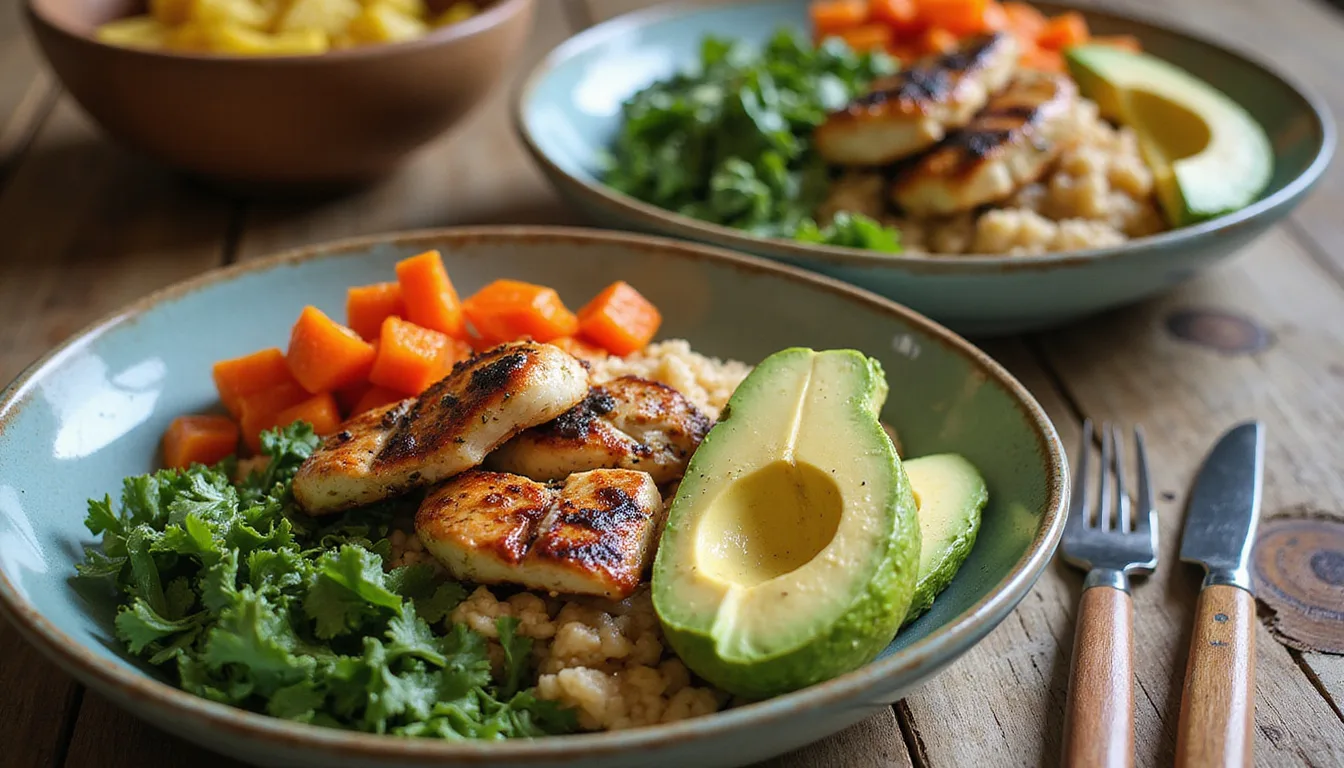
- A bowl of brown rice with black beans, grilled chicken or tofu, lightly sautéed spinach, avocado, and a spoon of salsa
- Lightly salted
-
Afternoon
- A DIY electrolyte drink if you plan to exercise or if it is warm
- A piece of fruit (orange, kiwi, or melon)
-
Dinner
- Baked salmon or tofu
- Roasted potatoes with skin, drizzled with olive oil and a bit of sea salt
- Steamed broccoli or kale
-
Evening snack (if you get cramps)
- Whole-grain toast with a nut spread and a little honey
- 150–200 ml water with a squeeze of lemon
Try this plan for 5–7 days. Note any changes in:
- Energy levels
- Frequency and strength of cramps
- Headaches
- Recovery after exercise
If you see improvements, your body may have needed more minerals.
When to consider testing or medical guidance
Home changes can help a lot, but sometimes you need more than a DIY fix.
Ask your doctor about checking your minerals if:
- You have ongoing or getting-worse fatigue or cramps despite good food and hydration.
- You use water-loss medications, heart drugs, or some psychiatric medicines.
- You have problems with kidneys, heart, or adrenal glands.
- You have repeated bouts of vomiting or diarrhea.
- You experience irregular heartbeats, strong weakness, or confusion.
A simple blood test measures sodium, potassium, chloride, bicarbonate, calcium, and sometimes magnesium. This test helps before you change supplements or salt intake significantly.
Common mistakes when fixing electrolyte balance
Even well-meaning changes can miss the mark. Watch for these pitfalls:
- Overdoing only salt
- Sodium matters, but you need potassium and magnesium too. A very salty diet without the others can raise blood pressure and worsen the balance.
- Using high-sugar sports drinks for light activity
- Many popular drinks suit intense, long workouts. For a short walk, they add extra sugar and calories.
- Overlooking deeper health issues
- If fatigue or cramps continue despite good habits, do not ignore it. Mineral issues can hint at deeper health problems that need care.
- Taking too many supplements without guidance
- Too much potassium or magnesium may cause problems, especially if your kidneys are not strong or if you use certain drugs.
FAQ: Electrolyte balance, fatigue, and cramps
1. How do I know if my fatigue comes from poor electrolyte balance or just dehydration?
Dehydration and an imbalance in minerals often run in parallel, but not always. If you:
• Drink enough water and still feel tired, dizzy, or crampy
• Get headaches or feel worse after drinking plain water
• See salt traces on your clothes or skin and cramp a lot
…then low minerals might be the cause. Try smart hydration with added minerals and whole foods high in potassium and magnesium. If the symptoms persist, ask a doctor.
2. What is the best way to restore electrolyte balance naturally?
A natural way mixes:
• Food:
– Fruits and vegetables, beans, or potatoes give potassium
– Nuts, seeds, whole grains, and greens provide magnesium
– Dairy or fortified alternatives and greens supply calcium
• Timed hydration:
– Water with a little salt and citrus
– A mineral drink when you sweat a lot or during long exercise sessions
This way supports balance daily and cuts down on processed drinks.
3. Can a better electrolyte balance stop my leg cramps?
Many people see improvements, especially if cramps happen:
• At night after a busy day
• During or soon after exercise
• In hot or humid conditions
Improving balance with magnesium, potassium, and enough sodium—plus good hydration and light stretching—can lower cramp frequency. If cramps are severe, sudden, or do not go away with these changes, see your doctor.
Take charge of your energy by mastering electrolyte balance
Fatigue and cramps are not random events. They warn that your body’s electric and water systems need care. By:
• Drinking smartly, not just more water
• Eating whole foods rich in potassium and magnesium
• Using salt and minerals in the right amounts
• Noticing how your body responds in heat or during exercise
…you can set your electrolyte balance right. This change may bring steadier energy, clearer thoughts, and fewer cramps.
If you are tired of feeling low or dreading those middle-of-the-night leg cramps, try one or two of these ideas today. Mix in a breakfast with good minerals, make a DIY drink before a workout, or create a week of meals rich in minerals. If you need a plan that fits your habits, health, and goals, speak with a qualified nutrition or health professional to adjust your routine for lasting results.
[center]Always consult with your doctor prior to making drastic diet changes.[/center]
[center]As an Amazon Affiliate, Savvy Keto makes a small commision (at no extra cost to you) on any purchases you make thru affiliated links you click on.[/center]