Continuous Glucose Monitoring Hacks to Boost Energy and Control Cravings
Continuous glucose monitoring now helps more than people with diabetes. Health-minded workers, athletes, and busy parents use CGMs to see how food, sleep, stress, and exercise shape their blood sugar, energy, and cravings. When you see your glucose change right away, you can choose foods that keep your mind clear, your belly full, and your day steady.
This guide shows you practical, “people-first” continuous glucose monitoring hacks. Use these tips to boost energy, keep your mood steady, and manage cravings—without checking every data point.
What Is Continuous Glucose Monitoring and Why It Matters for Energy

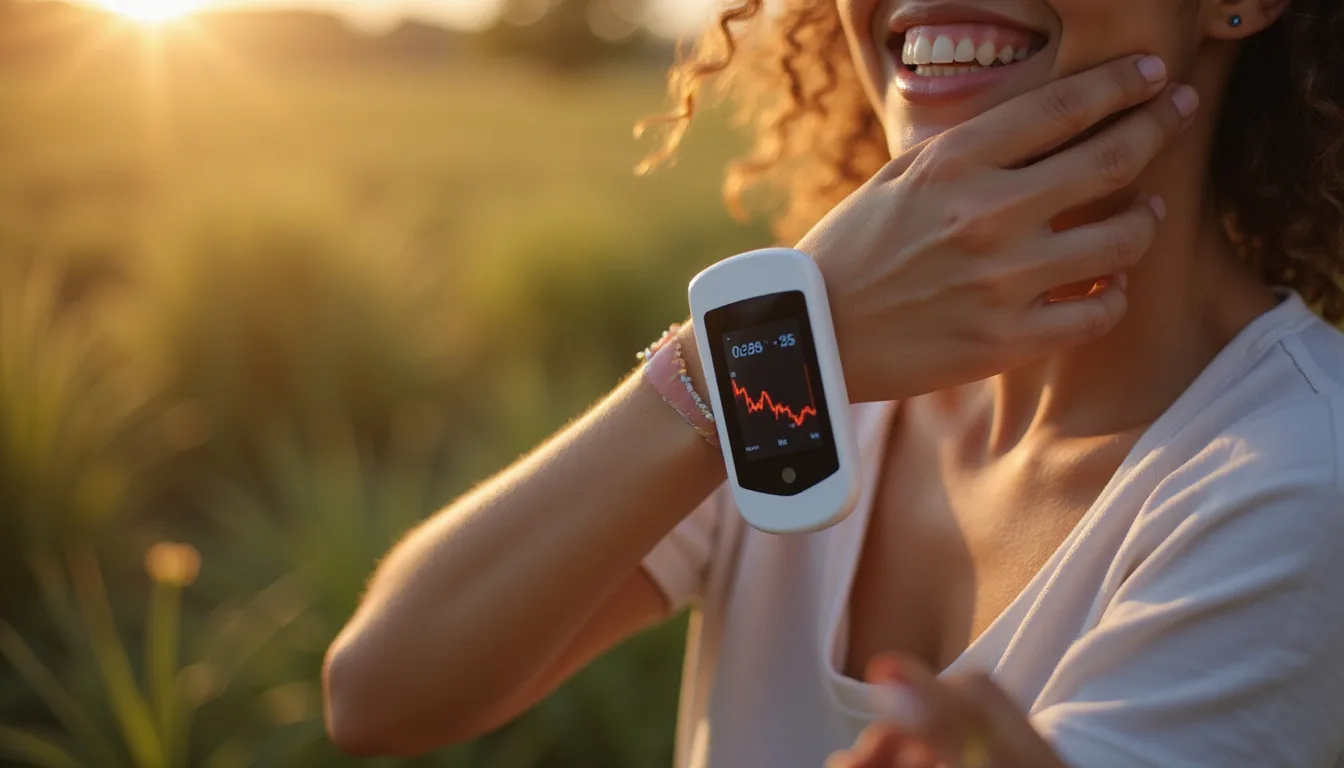
Continuous glucose monitoring (CGM) uses a small sensor placed on your arm or belly. It measures glucose in the fluid between your cells every few minutes. A wearable gadget then sends the data to your phone or reader, so you see your glucose change day and night.
Why this matters for energy and cravings:
- A quick rise in glucose may make you feel very awake for a short time, then tired and slow.
- Fast falls in glucose (especially after a high rise) can make you very hungry and crave sweets.
- Slow, steady changes in glucose usually go with:
- Lasting physical energy
- Better focus and mood
- Fewer sudden sugar cravings
You do not need perfect blood sugar to feel good. Continuous glucose monitoring shows which routines cause smooth changes and which cause a bumpy ride.
Understanding “Good” Glucose Patterns (Without Getting Obsessed)
Before you try the hacks, it helps to know your goal. For non-diabetic users, the pattern matters more than one number.
Experts agree that for healthy metabolism it is wise to:
- Keep post-meal glucose rises low (for many, staying under about 140–150 mg/dL after meals works well, though advice differs by person).
- Avoid swings of more than about 40–50 mg/dL in a short time.
- Remain in a steady range during the day (usually 70–140 mg/dL, with individual differences).
The main point: It is not only about what you eat; it also matters how, when, and with what you eat—plus sleep, stress, and exercise. Continuous glucose monitoring shows your own response so you can make focused, real changes that fit your routine.
Hack #1: Build Your “Glucose Profile” Week
Start by using your CGM for 7–10 days as a test period. You are not trying to be perfect; you are collecting data.
Here is how to start:
-
Eat in your usual way
Do not change your routine on the first day. If you change too soon, it will be hard to tell which habit caused a change. -
Mark your meals and snacks
Use your CGM app or a simple journal. Write down:- What you ate and drank (watch the carbs and sweets)
- Time of the meal
- Any exercise before or after the meal
- Feelings of stress, sleep quality, or other odd details
-
Record your own experience
Next to each meal, note:- Energy level (for example, “good and steady” or “crashed at 3 pm”)
- Cravings (“wanted sugar one hour later” or “no cravings”)
- Mood (“irritable,” “calm,” “anxious”)
-
Watch for patterns, not perfection
After one week, check:- Which meals led to high peaks and steep drops?
- Which meals kept you full for 3–4 hours?
- How do late-night snacks appear in your overnight data?
Your goal is to pick the three top patterns that lower your energy or cause cravings. These patterns become your first focus for change.
Hack #2: Start Meals with Protein and Fiber
One simple trick is to eat protein and fiber along with your carbs.
Why it works
Protein and fiber:
- Slow down digestion and glucose uptake.
- Keep the peak of glucose lower.
- Help you stay full longer and cut cravings.
How to try it
- Begin your meal with:
- A salad with olive oil and vinegar
- A bowl of non-starchy vegetables
- A small serving of protein (for example, a boiled egg, hummus with veggies, or a few bites of chicken or tofu)
- Aim for about 20–30 grams of protein at main meals (more if you are active or advised by your doctor).
- Add fiber from real foods such as:
- Vegetables, beans, lentils, or chickpeas
- Chia seeds, flaxseeds, or oats
- Berries and fruits with less sugar
What you may see on your CGM
Try comparing:
- A breakfast with mostly carbs (toast and juice)
- A breakfast with eggs, avocado, spinach, and berries
Most people see a higher and faster peak with the carb-only meal. A meal with protein and fiber shows a lower and smoother rise and fewer mid-morning cravings.
Hack #3: Change the Order You Eat Your Food
If you do not want to leave out your favorite carbs, change the order in which you eat your food.
Research shows that by eating vegetables and protein before the carbs, you may lower the rise in glucose after meals. Your CGM shows these changes in real time.
A suggested order is:
- Vegetables or salad first
- Protein and healthy fats next
- Carbs and sugars last (like rice, bread, pasta, or dessert)
For instance, if you have chicken, salad, and pasta:
- Eat the salad first
- Then eat the chicken
- Finish with the pasta
Your CGM may show a smoother glucose curve than when eating pasta or bread first.
Hack #4: Use “Glucose Walks” to Smooth Out Peaks and Boost Energy
One of the easiest tricks is to walk after a meal.
Why post-meal movement works
When you move, your muscles help pull glucose from your blood. This means:
- Your muscles clear more glucose.
- Your body does not rely only on insulin.
- You may see a shorter and lower peak in glucose, and fewer drops.
How to add it to your routine
- Take a 10–20 minute walk within 30–60 minutes after eating.
- If you stay at your desk, try:
- Taking walking phone calls
- Climbing a few flights of stairs
- Doing light bodyweight moves (like squats, calf raises, or marching on the spot)
Compare two days using your CGM:
- One day, do not move after eating.
- The next day, take a 15-minute walk.
Many people see a smaller spike and more steady energy on the walk day.
Hack #5: Fix Breakfast and Lunch to Ease Afternoon Slumps
Often, a crash at 3 pm is not from lack of coffee but happens because of the glucose patterns from breakfast or lunch.
Watch your CGM data to see:
- If your breakfast causes a high peak and a fast drop,
- If your lunch leaves you with a steep climb before the afternoon.
Common breakfast problems
- Cereal with fruit juice
- A bagel paired with a flavored latte
- A smoothie with lots of fruit and little protein
- “Healthy” bars that are more like candy
Look at your CGM to answer:
- Do you jump above about 140–160 mg/dL and then fall quickly?
- Do you feel hungry again within one or two hours?
Try better breakfast ideas
Aim for:
- Protein (such as eggs, Greek yogurt, cottage cheese, tofu, or a protein shake with low sugar)
- Healthy fats (like nut butter, avocado, or nuts and seeds)
- Fiber (like vegetables with eggs, chia pudding, or oats with seeds)
For lunch:
- Prepare a balanced meal with protein, vegetables, and moderate carbs.
- Avoid meals that are mostly carbs if you see big drops later in your day.
Hack #6: Choose Drinks Wisely—Be Careful with Liquid Sugar
Liquid calories usually hit your bloodstream quicker than solid food. Your CGM clearly shows this.
Watch out for:
- Regular soda
- Sweetened coffee drinks
- Energy drinks
- Juice (even if it is labeled “100% juice”)
- Sugary smoothies or bubble tea
These drinks can cause fast peaks in glucose followed by quick drops. This may lead to:
- Energy swings
- Mood changes
- A quick return of hunger and cravings
Better drink choices
- Water (still or sparkling)
- Unsweetened tea or coffee
- Coffee with little sugar and a side of protein or fat
- Drinks with electrolytes and little or no sugar
If you are not ready to cut out sweet drinks, try using smaller amounts with meals. See if mixing half water and half juice improves your glucose response.
Hack #7: Use CGM to Manage Stress and Sleep for Fewer Cravings
Continuous glucose monitoring shows that stress and poor sleep can raise your glucose even when the food you eat does not change.
How stress and poor sleep work
- Stress hormones like cortisol can raise blood sugar and make you less responsive to insulin.
- A short or broken sleep may:
- Increase morning glucose
- Cause higher peaks after breakfast
- Lead to extra cravings for sweets and fats
Simple tests to try
- Compare a night of 7–9 hours of sleep with one of 4–5 hours, using the same breakfast.
- Check how your lunch response changes on a day that feels stressful.
Then act on your data:
- Set regular sleep times to help control energy and cravings.
- Try stress relief, such as:
- Short breathing breaks
- A walk outside
- Light stretching or movement
- A few minutes of quiet meditation
If you see that stressful days cause higher glucose and more cravings, your data makes clear that breaks and good sleep are key parts of your routine.
Hack #8: Find Your Personal “Craving Trigger” Foods
Different foods affect each person in its own way. CGM helps you see which items trigger your cravings and energy dips.
How to test a food
- Choose one food you think may cause a problem (like white rice, a specific cereal, or a pastry).
- Eat a measured portion on a normal day, ideally after 2–3 hours without food and without extra stress or heavy exercise.
- Watch your glucose for 2–3 hours after eating.
- Repeat the test on another day to be sure.
Look for:
- A fast and high peak in glucose.
- A strong drop that matches:
- Feelings of shakiness or irritability
- A strong desire for sugar
Make a short list of 3–5 foods that seem to cause the worst patterns. You can keep these for special days, have smaller portions, eat them with protein, fat, and fiber, or follow them with a short walk.
Hack #9: Choose Snacks That Work for You (Or Snack Less)
If your CGM shows small spikes all day, it could mean that frequent snacking is the cause. This is common with snacks that are high in carbs.
Ask yourself with help from your CGM:
- Are you snacking because you are truly hungry or because a dip in energy makes you reach for food?
- Which snacks cause a quick rise and then a fast drop in glucose?
Try these snack ideas:
- Protein snacks like Greek yogurt, cottage cheese, lean jerky, edamame, or boiled eggs.
- Snacks with fiber and fat such as a small handful of nuts, seeds, or veggie sticks with hummus; or apple slices with nut butter.
- Mini-meals that combine protein and vegetables.
Test different snacks and see which ones give 2–3 hours of steady energy without a quick return of hunger. Over time, if you build meals that keep you full longer, snacking may naturally decline.
Hack #10: Time Your Carbs Around When You Are Active
You do not have to stop eating carbs; you just need to eat them when your body deals with them best. Many find on CGM that:
- Carbs eaten before or after exercise show more controlled peaks.
- Carbs eaten when you are not moving (especially late at night) lead to higher and longer peaks.
How to adjust your timing
- Plan meals with more carbs:
- After strength training or a good workout
- Before long endurance sessions if your body handles it
- Keep carb portions smaller during long, still periods (like during long meetings or desk work) or late in the night.
Your CGM can help you:
- Compare a high-carb dinner on a day off with one after an evening workout.
- See how overnight glucose and the next morning’s alertness change with your carb timing.
Putting It All Together: A Simple CGM-Based Routine
One way to use continuous glucose monitoring without overthinking your day is:
-
Week 1–2: Learn the Patterns
Wear your CGM and follow your usual routine. Track meals, energy, and cravings. Note your biggest challenges in meals, snacks, drinks, and time periods. -
Week 3–4: Make a Few Key Changes
Try 3–5 high-impact hacks:- Eat protein and fiber with every meal
- Eat your vegetables and protein before your starch
- Take a 10–20 minute walk after eating
- Cut back on sugary drinks
- Improve your sleep schedule
Watch how your glucose, energy, and cravings respond.
-
Month 2 and Beyond: Fine-Tune Your Routine
Test individual foods to find your triggers. Adjust how you time your carbs around activity. Tweak your breakfast and lunch to protect your afternoon.
Over time, you may see:
- Fewer high spikes and deep drops
- More steady energy throughout the day
- Less frequent and less strong cravings
FAQ: Continuous Glucose Monitoring for Energy and Cravings
1. Can continuous glucose monitoring help if I do not have diabetes?
Yes. Many people without diabetes use continuous glucose monitoring to learn how their lifestyle affects energy, focus, and hunger. A CGM can show blood sugar swings that lead to tiredness, mood changes, and cravings—even when lab tests are still “normal.” However, ask your healthcare provider before making any big changes with CGM data.
2. How long should I use a continuous glucose monitor to see patterns?
Even 10–14 days on a CGM can show clear patterns—like which breakfasts cause a crash or how late-night snacks affect sleep. Some use a CGM every few months for a short time, while others use it more often. It depends on your goals, cost, and any medical conditions.
3. What are the best foods to eat according to CGM results?
There is no single food list for everyone. CGM data often shows that meals built around protein, vegetables high in fiber, healthy fats, and smaller portions of whole-food carbs create smoother glucose curves. Your best foods are those that cause:
- A slow, steady rise in glucose
- Only a small fall afterward
- 3–4 hours of steady energy and few cravings
Use your CGM to create your own list of meals that keep you energetic.
Ready to Turn Your Data into Daily Energy?
Continuous glucose monitoring gives you a real-time view of how your choices affect energy, focus, and cravings. By using simple hacks—such as starting meals with protein and fiber, changing the order of your foods, taking a short walk after meals, sleeping better, and timing your carbs with activity—you can change your day from a bumpy sugar ride to a smooth, steady path.
If you are ready to stop guessing and see exactly how your body responds, consider trying a CGM with professional advice. Use the insight to make small, lasting changes that keep you clear, calm, and in control—one meal and one day at a time.
[center]Always consult with your doctor prior to making drastic diet changes.[/center]
[center]As an Amazon Affiliate, Savvy Keto makes a small commision (at no extra cost to you) on any purchases you make thru affiliated links you click on.[/center]