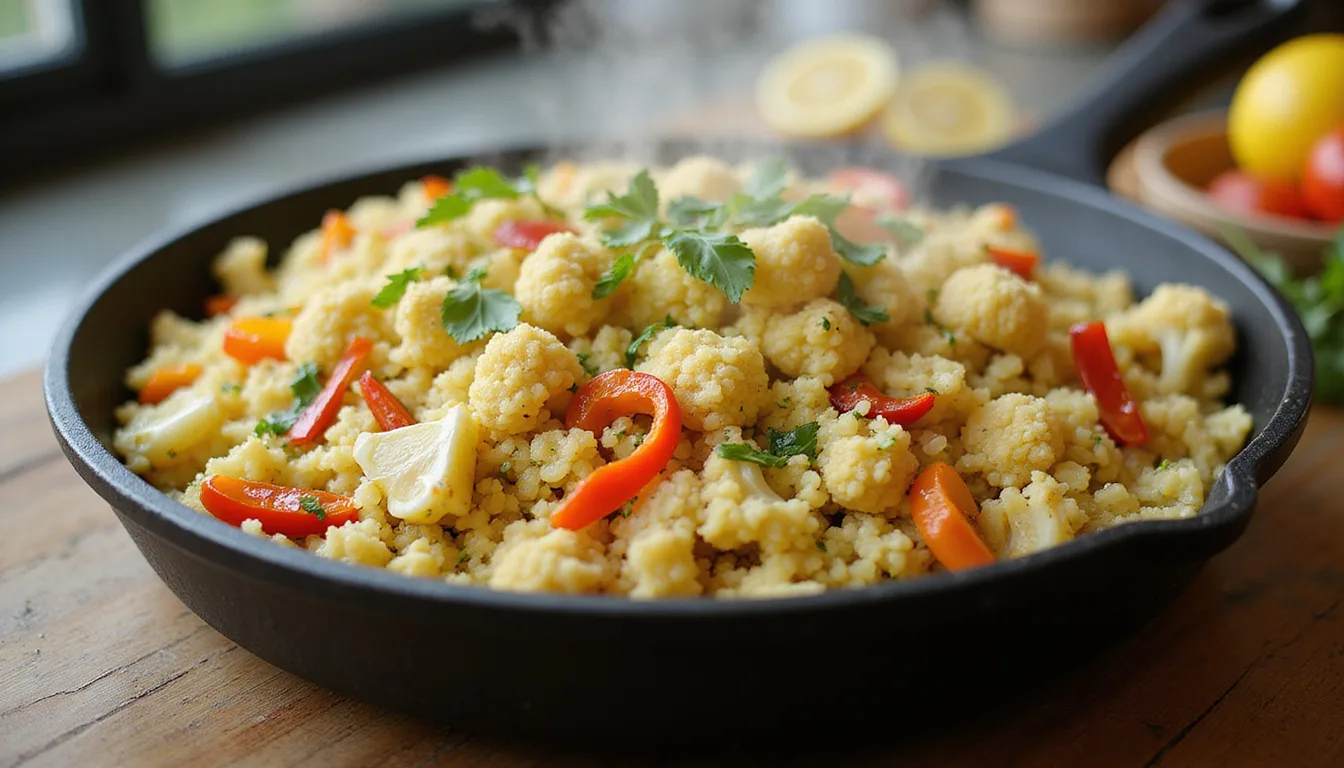
If you cut carbs and want rich taste, use cauliflower rice. Its small pieces mimic real rice, soak up sauces, and fill your dinners with warmth.
Below you find simple techniques, chef tips, and flavor mixes that turn plain cauliflower into low-carb dishes you enjoy.
Why Cauliflower Rice Is So Popular (and How It Fits Your Goals)

Cauliflower rice is made by grating or processing cauliflower into small bits. It gained fame with low-carb, gluten-free, and grain-free diets. It is not just for keto or paleo plans.
Benefits of cauliflower rice:
• It has far fewer carbs than regular rice.
• It is naturally free of gluten and grains.
• It brings fiber and vitamin C (source: Harvard T.H. Chan School of Public Health).
• Its mild taste easily accepts spices and sauces.
• It fits stir-fries, curries, bowls, and even dishes like “risotto.”
Use the right methods to make cauliflower rice serve as a base for the comfort meals you want while matching weight-loss, blood-sugar, or low-carb goals.
Secret #1: Nail the Texture First
Good taste builds on the right texture. Many say that cauliflower rice can become mushy or watery. You can stop this.
Choose the Right Grind Size
• If too fine (like couscous), it overcooks and turns soft.
• If too large (big pieces), it does not mimic rice well and stays crunchy.
• The best size is small, even "grains" that look like cooked rice kernels.
If you make your own:
- Cut the cauliflower into florets and trim most of the thick core.
- Pulse small batches in a food processor 5–8 times.
- Stop when pieces look like short-grain rice. Do not let the mix turn to paste.
No processor? Use a box grater’s medium holes. It takes more time but does the work.
Manage Moisture Like a Pro
Cauliflower holds much water. If you do not manage it, the rice will steam into a soggy heap.
Try one of these steps:
• Pan-dry first: Heat a dry, large skillet over medium-high heat. Place plain, raw cauliflower rice in the pan with no oil. Stir often for 3–5 minutes until the steam drops and the rice feels light and dry. Then add oil and salt.
• Microwave and squeeze: Microwave the rice 3–4 minutes. Let it cool a bit. Then wrap it in a clean towel and squeeze out the excess water. This works well for dishes like rice crusts or “fried rice.”
• Roast for a richer taste: Toss the rice with 1–2 teaspoons of oil. Spread it in a thin layer on a baking sheet. Roast at 400–425°F (200–220°C) for 10–15 minutes, with one stir. This dries the rice and adds a toasted, nutty note.
Handling moisture well is the biggest secret to turning bland rice into a satisfying base.
Secret #2: Season From the Start, Not the End
Plain cauliflower rice tastes plain. Its light taste needs help. The way to get flavor is to season as you cook, not just at the end.
Build a Flavor Base
Start by heating in your pan:
• A tablespoon of olive oil, avocado oil, or butter
• Minced garlic, onion, or shallots for aroma
• Optional: ginger, leeks, celery, or bell peppers for more depth
Sauté the aromatics until they give off a gentle scent and become lightly golden. Then:
- Add the cauliflower rice.
- Season with salt and pepper right away.
- Mix in dried spices and herbs such as cumin, paprika, curry powder, or Italian seasoning. The spices warm in the heat and mix well with the oil.
Use Umami Boosters
To give your low-carb meals a strong, savory note, add ingredients rich in umami:
• Soy sauce, tamari, or coconut aminos
• A few drops of fish sauce
• Grated Parmesan or Pecorino
• Miso paste (dissolve it in a little broth first)
• Nutritional yeast (for a cheesy touch without dairy)
A dash of soy sauce, a spoonful of miso, or a sprinkle of cheese can make your cauliflower rice feel inviting and full of flavor.
Secret #3: Cook Time Matters More Than You Think
Overcooking defeats the dish. Five to eight minutes on the stovetop is usually enough once the rice hits the pan.
• For stir-fries: Use medium-high heat and cook quickly while stirring often. The rice should be tender but not limp.
• For pilafs or “fried rice”: Cook until almost done, then add cooked protein and veggies to warm them. This step stops the rice from overcooking.
• For risotto-style meals: Add warm broth in small sips. Stir frequently until the rice feels creamy but still holds its shape.
Stop cooking as soon as the pieces lose their raw crunch. If the rice clumps or looks wet, the cooking has gone too far.
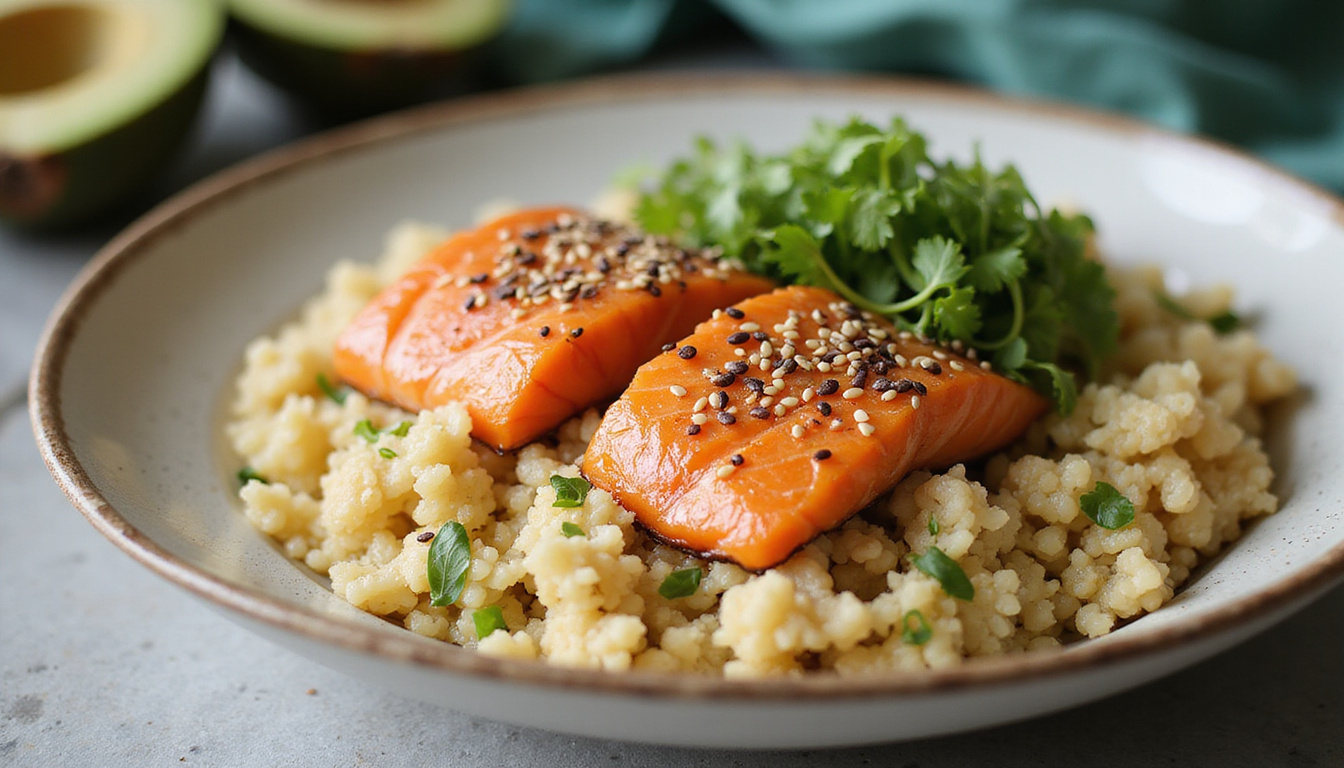
Secret #4: Pair With Bold Sauces and Seasonings
Cauliflower rice works best with strong sauces and spices. Its mild taste lets bolder flavors shine.
Global Flavor Ideas
Use these ideas to shape fast, low-carb meals:
• Asian-Inspired “Fried Rice”
– Sesame oil, garlic, and ginger
– Soy sauce or tamari and a splash of rice vinegar
– Green onions, scrambled egg, peas, and carrots
– Optionally, chili-garlic sauce or sriracha
• Mexican-Style Cilantro-Lime Cauliflower Rice
– Olive oil, garlic, and onion
– Ground cumin with a pinch of chili powder
– A heap of fresh cilantro
– Lime juice, lime zest, salt, and pepper
• Mediterranean Herb Cauliflower Rice
– Olive oil, garlic, and shallots
– Oregano, thyme, and parsley
– Lemon juice, crumbled feta, and olives
• Indian-Spiced Cauliflower Rice Pilaf
– Ghee or coconut oil
– Cumin seeds, turmeric, and coriander
– Garam masala, ginger, and garlic
– Peas, cilantro, and toasted cashews or almonds
Let the rice be a blank base for the world cuisines you enjoy. Your low-carb meals will then feel lively.
Secret #5: Use Fats Strategically for Flavor and Fullness
Traditional rice often comes with butter, rich sauces, or oil. To keep your low-carb meals hearty, do not hold back on healthy fats. Use them moderately to give your dish a full taste and a satisfying feel.
Good fat choices include:
• Olive oil for everyday sautéing and Mediterranean hints
• Avocado oil for high-heat work and a neutral taste
• Butter or ghee for a rich, warm flavor
• Coconut milk or cream for Thai or curry-style dishes
• Cheese (such as Parmesan, feta, cheddar, or goat cheese)
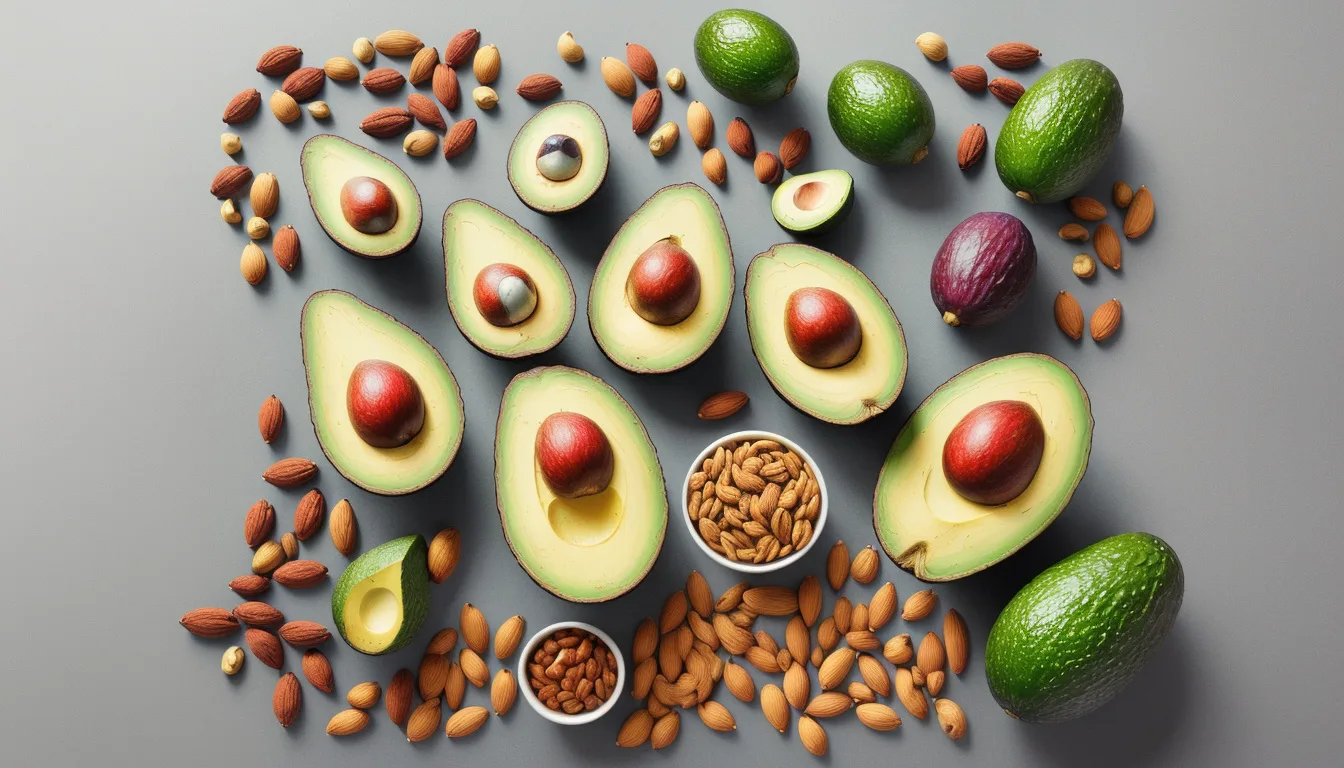
• Nuts and seeds like almonds, cashews, pumpkin seeds, or sesame
Add fats early when you sauté aromatics and finish with a light drizzle or a small sprinkle of cheese to seal the flavor.
Secret #6: Make It a Complete, Balanced Meal
If you view cauliflower rice as only a side, your meal might feel light. Build a complete meal around it.
Aim for this base:
• Base: One to two cups of cooked cauliflower rice
• Protein: 3–6 ounces, such as chicken, beef, tofu, shrimp, tempeh, or eggs
• Veggies: At least one to two cups of non-starchy vegetables
• Fat: One to two tablespoons of healthy oil, cheese, or a few nuts
• Flavor: Fresh herbs, sauce, or a squeeze of lemon or lime
This mix fills you, helps keep blood sugar even, and stops your meal from tasting like a mere diet option.
Secret #7: Transform Comfort Foods With Cauliflower Rice
Some of the best secrets appear when you use cauliflower rice to mimic starchy comfort foods.
“Fried Rice” Without the Guilt
- Sauté onion, garlic, and small bits of carrot in light oil.
- Add the cauliflower rice and cook until just tender.
- Clear a space in the pan and scramble one to two eggs.
- Mix everything with peas, green onions, soy sauce, and a bit of sesame oil.
- Top with leftover chicken, shrimp, or tofu.
You capture the classic fried rice taste with a count of carbs that is much lower.
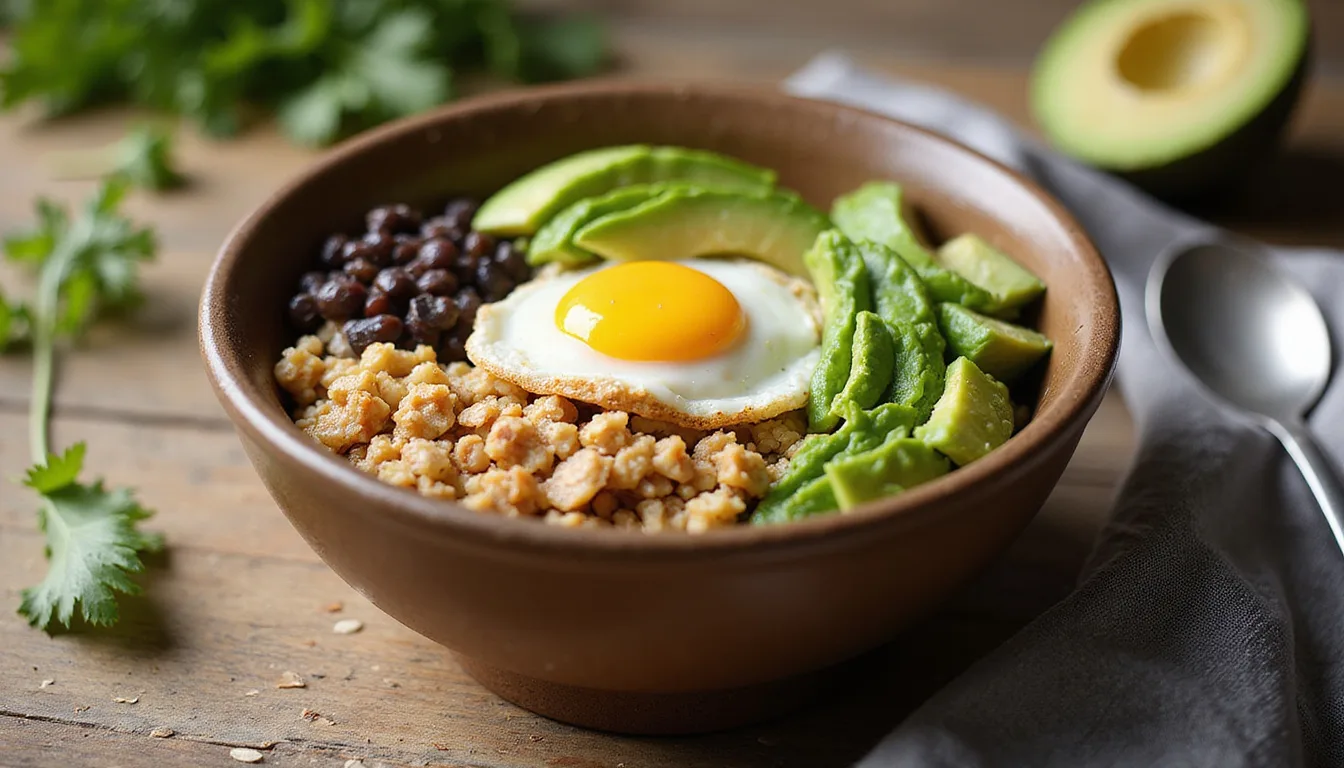
Low-Carb Burrito Bowls
Layer the bowl with these components:
• Cilantro-lime cauliflower rice
• Seasoned ground beef or shredded chicken
• Sautéed peppers and onions
• Shredded lettuce, salsa, avocado, cheese, and sour cream
You get the full burrito bowl taste on a lighter base.
Creamy “Risotto” Without All the Starch
- Sauté onion and garlic in butter or olive oil.
- Add the cauliflower rice and toast it lightly.
- Stir in a splash of white wine (if you choose) until it cooks away.
- Gradually add warm broth while stirring until the rice turns creamy.
- Finish with Parmesan, a pinch of black pepper, and sometimes mushrooms or spinach.
You enjoy that spoonable, warm texture without long stirring or many carbs.
Secret #8: Use Fresh Herbs and Acid to Wake Up the Dish
The quickest way to lift cauliflower rice from plain to delightful is to add fresh herbs and a bit of tang.
• Stir in chopped parsley, cilantro, basil, dill, or mint at the end.
• Squeeze fresh lemon or lime juice just before you serve.
• A small splash of vinegar (rice, red wine, or apple cider) cuts through any richness.
This final touch makes the flavor jump and stops the dish from seeming flat.
Secret #9: Store and Reheat Without Ruining the Texture
Meal prepping with cauliflower rice is very handy. Still, watch how you store and warm it up.
Storing Cooked Cauliflower Rice
• Let it cool completely before you put it into the fridge.
• Store it in airtight containers for up to three or four days.
• For longer use, freeze small portions in bags for up to two or three months.
Reheating Tips
• Skillet method (best): Warm in a dry or lightly oiled pan on medium heat, stirring until warm. This process lets water evaporate and brings back the texture.
• Microwave: Warm in 30–45 second bursts. Stir in between. Leave the cover loose so steam escapes.
• From frozen: Put frozen rice directly into a hot pan. Cook until the ice melts and the rice feels fluffy again.
Do not overheat it. A few minutes is enough.
Secret #10: Use Store-Bought Smartly (or Make Your Own)
You can choose pre-riced cauliflower from the produce or freezer area. The taste and nutrients are similar. The main changes are in texture, speed, and cost.
Store-Bought Pros and Cons
Pros:
• Saves you time since you do not need to grate or process.
• The pieces come in a steady size.
• Frozen types hold well for many months.
Cons:
• Sometimes the taste seems milder or less fresh.
• It may release more water when you cook.
• It can cost more than buying a head of cauliflower.
If you use frozen cauliflower rice, put it straight into a hot pan. It will give off water at first. Keep cooking until the water evaporates and the texture becomes light.
Making Your Own: Simple and Cheap
• Pick a firm head of cauliflower with tight florets.
• Rice it in a food processor or with a box grater.
• Store the raw rice in the fridge for up to three or four days or freeze it in bags.
Making it yourself helps you control the texture and usually saves money if you cook often.
A Simple Blueprint for Endless Low-Carb Cauliflower Rice Dinners
When time is short, follow this basic plan:
- Pick a flavor style (Asian, Mexican, Mediterranean, Indian, Italian, or others).
- Sauté aromatics with a tablespoon of oil (garlic, onion, ginger, etc.).
- Add the cauliflower rice and season with salt, pepper, and spices. Cook for five to eight minutes.
- Add protein (either pre-cooked or quick-cooking) and vegetables.
- Finish with a boost from fresh herbs, a squeeze of lemon or lime, cheese, or nuts.
Once you learn the steps, you can mix and match what you have at home.
Quick List: Easy Ways to Make Cauliflower Rice Taste Amazing
Keep these ideas in mind when you open the fridge late in the day:
• Sauté with garlic, onion, and good olive oil.
• Mix in a spoonful of pesto with some cherry tomatoes.
• Stir in coconut milk, a bit of curry paste, and leftover chicken.
• Toss with butter, Parmesan, and roasted mushrooms.
• Combine with salsa, taco seasoning, and ground beef.
• Cook with ginger and garlic, then mix with soy sauce and a touch of sesame oil.
• Finish with lemon zest, fresh herbs, and toasted nuts.
Each idea keeps the meal low in carbs while filling your plate with bold taste.
FAQ About Cauliflower Rice and Low-Carb Cooking
-
Is cauliflower rice better for you than regular rice?
"Better" depends on your aim. Cauliflower rice is much lower in carbs and calories. It brings fiber and vitamins, which works well for low-carb, keto, or balanced blood sugar eating. Regular rice can be part of a healthy plan too, but cauliflower rice is a smart swap when you want fewer starches and more vegetables. -
How do you make cauliflower rice not soggy?
To stop mushiness, start by cooking in a dry, hot pan or roast it to remove water. Do not cover the pan; keep steam away. Cook just until tender—usually five to eight minutes. If you use store-bought frozen rice, cook it from frozen and let the water run off well. -
Can I meal prep low-carb dinners with cauliflower rice?
Yes. You can cook a big batch of seasoned rice at the start of the week. Let it cool and store it in airtight containers. When you reheat in a pan, add different proteins or vegetables. One night you can use taco-seasoned meat, another stir-fried tofu, or grilled chicken with roasted vegetables. This way, you get fast and flexible low-carb dinners.
Turn Tonight’s Dinner Into a Low-Carb Win
You do not need hard recipes or special gadgets to make low-carb dinners full of taste. With a few simple secrets—handling water well, adding seasonings at each step, cooking it just long enough, and mixing in bold flavors—cauliflower rice becomes a satisfying base and not a compromise.
Try one step from this guide tonight. Maybe dry-toast your cauliflower rice before adding aromatics, or finish with fresh herbs and a squeeze of lemon. Mix your ideas as you go. The more you try, the faster you find your favorite mix.
Open your fridge, grab a head (or a bag) of cauliflower, pick a flavor path, and turn it into a low-carb dinner that makes you smile.
[center]Always consult with your doctor prior to making drastic diet changes.[/center]
[center]As an Amazon Affiliate, Savvy Keto makes a small commision (at no extra cost to you) on any purchases you make thru affiliated links you click on.[/center]