
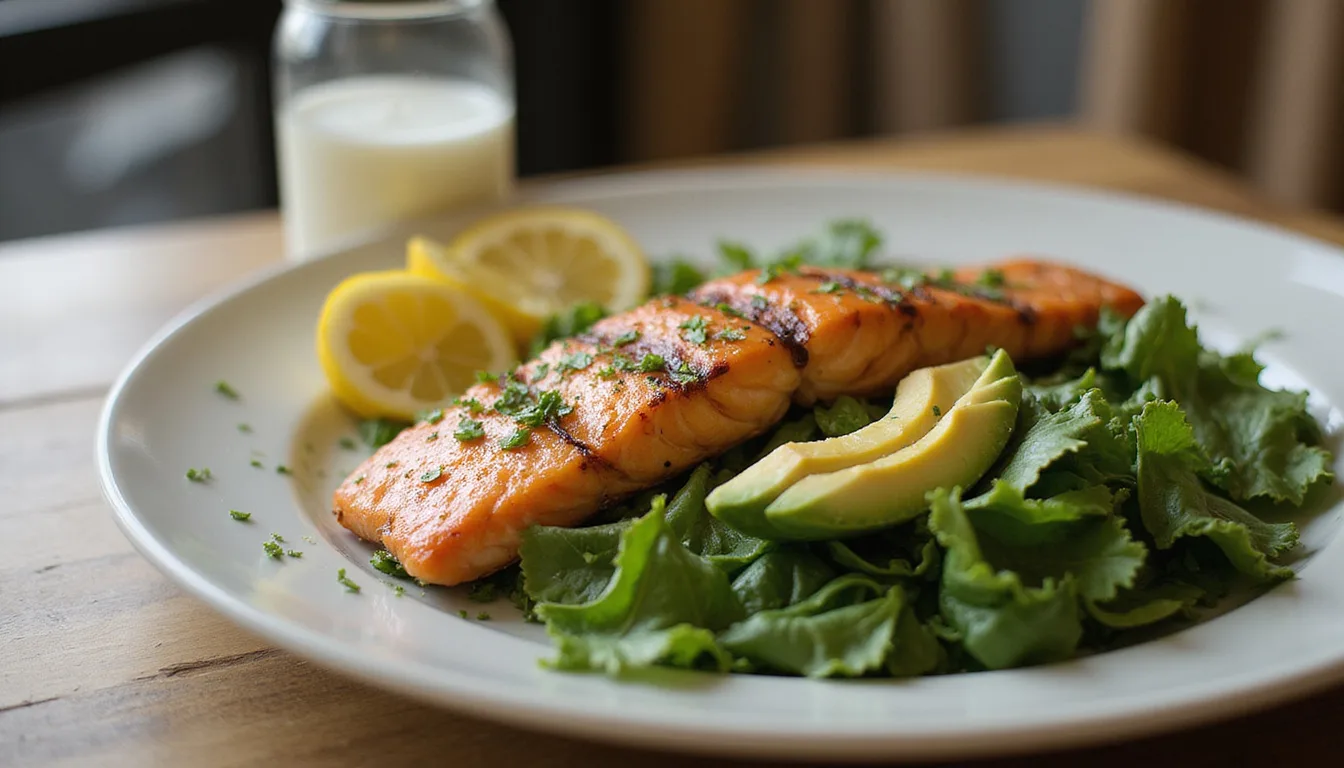
Carb restriction has grown popular as a way to lose stubborn body fat around your belly, hips, and thighs. Many still tie low-carb eating to constant hunger, low energy, and the loss of taste. It does not need to be this way. When you use carb restriction with care, you can drop pounds without feeling starved, drained, or forced to count every mouthful.
This guide shows you how low-carb eating works, why it can help burn fat, and how to use it in a steady, lasting way that fits your life.
What is carb restriction, really?

Carb restriction means you lower the carbohydrates you take in from your usual Western diet. It falls along a scale:
- Moderate carb restriction: about 100–150 g of carbs a day
- Low carb: about 50–100 g of carbs a day
- Very low carb / keto: typically less than 50 g a day
Here, you stop relying on many carbs for energy. You increase proteins and healthful fats and pick carb sources like vegetables, some fruits, and small portions of starches. This is not a diet with no carbs at all. It is a smart reduction.
Why carb restriction helps burn fat
Stubborn fat comes from hormones, how you manage appetite, and the way your body burns fuel—not just “calories in, calories out.” Carb restriction works on many levels:
1. Better blood sugar and insulin control
Carbs turn into sugar in your blood. High-carb meals often keep sugar and insulin high. High levels may:
• Add to fat storage
• Boost cravings
• Lower your energy
Limiting carbs cuts the spikes in blood sugar and the need for high insulin. This change helps your body use stored fat for fuel, especially in the belly area. Studies show low-carb diets can improve blood sugar control and sensitivity.
2. Natural appetite control
A diet with good protein, fiber, and fats leaves you full longer. With carb restriction, you tend to:
• Eat fewer calories without trying
• Face fewer cravings
• Feel more satisfied after meals
Rather than white bread and sugary treats, you eat meat, eggs, Greek yogurt, avocado, nuts, olive oil, and fiber-rich veggies. These foods keep you full.
3. Less water retention and bloating
Your muscles and liver hold carbohydrates as glycogen. For each gram of glycogen, water comes along. When you lower your carb intake, glycogen drops and you lose water weight. This is why you may see a flatter belly and feel less bloated early on. With time, your body burns more fat.
4. Better fat-burning ability
When you keep carbs low, your body learns to burn fat for fuel. Even a small drop in carbs can:
• Boost fat burning
• Support steady energy
• Cut the need for constant carb fixes
You do not have to go full keto to see a change; a modest reduction helps a lot.
Carb restriction vs. starvation: Why you need not suffer
Some mix up carb restriction with starvation by focusing on what they remove rather than what they add. The aim is not to eat less food but to eat smarter food.
Here are reasons carb restriction does not feel like punishment:
• You swap low-value carbs with better proteins and fats. Think of chicken with avocado rather than a huge plate of pasta.
• You enjoy filling portions. A big salad with salmon, olive oil, and nuts is filling and rich in nutrients.
• Your hunger signals settle down. Regular blood sugar keeps crashes and sudden hunger at bay.
If you feel starved on a low-carb plan, it may be because you:
• Do not eat enough protein
• Avoid healthful fats
• Miss out on plenty of non-starchy vegetables
• Consume too few total calories
Fix these areas, and you can lose weight while feeling full.
How to begin carb restriction without stress
Start with small, steady changes rather than a strict keto diet.
Step 1: Find your biggest carb sources
Look for these common high-carb foods:
• Bread, rolls, bagels, tortillas
• Pasta, rice, cereal, granola
• Sugary drinks and flavored coffees
• Cookies, cakes, pastries, candy, ice cream
• Chips, crackers, pretzels
You do not need to cut them all at once. Pick the ones you eat most.
Step 2: Pick a realistic carb target
For many, a moderate carb restriction fits best:
• Women: about 75–125 g of carbs per day
• Men: about 100–150 g of carbs per day
If you exercise a lot or have intense workouts, you might need more carbs. Use this as a starting point.
Step 3: Change your plate layout
A simple plan is to adjust your plate like this:
• ½ plate: non-starchy vegetables (broccoli, salad greens, peppers, zucchini, cauliflower, etc.)
• ¼ plate: protein (chicken, fish, eggs, tofu, Greek yogurt, lean beef)
• ¼ plate or less: carbs (potatoes, rice, quinoa, beans, fruit)
• A small spoon of healthy fats (olive oil, avocado, nuts, seeds, butter, ghee)
This method keeps carbs in check while boosting fullness.
What to eat on a low-carb diet (without getting bored)
Carb restriction works best with simple, enjoyable meals built from whole, less processed foods.
Best protein choices
• Chicken, turkey, lean beef, pork
• Fish and seafood (salmon, tuna, shrimp, sardines)
• Eggs and egg whites
• Greek yogurt, cottage cheese, cheese
• Tofu, tempeh, edamame (for plant-based diets)
• Protein powders (whey, casein, or plant-based) as needed
Aim to have about 20–40 g of protein per meal based on your size and activity.
Best low-carb vegetables
• Leafy greens (spinach, kale, arugula, romaine)
• Veggies like broccoli, cauliflower, cabbage, Brussels sprouts
• Zucchini, eggplant, asparagus, green beans
• Peppers, mushrooms, cucumbers, celery
These vegetables add bulk and fiber, keeping you satisfied with fewer carbs.
Healthful fat sources
• Avocado and mashed avocado
• Olive oil and avocado oil
• Nuts and seeds (almonds, walnuts, chia, flax, pumpkin seeds)
• Moderate nut butters
• Oily fish (salmon, mackerel, sardines)
• Butter and ghee used in moderation
Fats pack many calories, so keep an eye on portions. They help you feel full.
Smart carb picks
You do not need to drop carbs completely. Choose lower-glycemic options and take note of portions:
• Berries (strawberries, blueberries, raspberries)
• Apples or pears in controlled portions
• Sweet potatoes or yams
• Quinoa, oats, or brown rice in measured servings
• Beans and lentils (enjoy in moderation, for fiber)
Example 1-day low-carb meal plan
This sample day stays near a moderate carb level while keeping you full and alert.
Breakfast
• 3 scrambled eggs with spinach, mushrooms, and feta cooked in olive oil
• ½ avocado on the side
• Black coffee or coffee with a bit of cream
Snack (if needed)
• Greek yogurt (unsweetened) with a few berries and chia seeds
Lunch
• Large salad with mixed greens, grilled chicken, cherry tomatoes, cucumbers, and olives
• A drizzle of olive oil and vinegar as dressing
• Optionally, a small share (about ¼–½ cup cooked) of quinoa or beans
Snack
• A small handful of almonds or walnuts
• Slices of cucumber or bell pepper strips
Dinner
• Baked salmon with lemon and herbs
• Roasted broccoli and cauliflower cooked with olive oil
• A small helping of roasted sweet potatoes (around ½ cup)
Evening (if hungry)
• Cottage cheese or a small protein shake
This plan gives you plenty of food, a good protein boost, and the right carb count—all without a feeling of hunger.

Common mistakes with carb restriction
Many try low-carb eating and feel it fails because of how they use it. The approach itself can work if you follow it rightly. Watch out for these pitfalls:
-
Cutting carbs but keeping junk food.
You may be low on carbs but still eat processed meats, poor quality oils, or foods made for the keto trend. Quality matters for health and not feeling deprived. -
Missing enough protein.
Remove carbs while not adding protein, and you will feel weak and hungry. Protein is a basic part of a good low-carb plan. -
Forgetting fiber.
Low-carb is not low-vegetable. Skipping veggies can cause constipation, low energy, and missing vitamins. -
Cutting too many carbs too fast.
Sudden changes from high to very low carbs may bring fatigue, headaches, and irritability. Gradual changes are easier to stick with. -
Not adjusting for exercise.
If you do heavy training, you may need extra carbs around workouts to do well and recover. -
All-or-nothing thinking.
One high-carb meal does not spoil everything. Low-carb works over weeks and months; one day will not decide the outcome.
Handling cravings and social events on a low-carb plan
Life goes on even when you limit carbs. You can follow this plan without becoming isolated.
Dealing with cravings
• Keep your hunger in check by having protein and fats in each meal.
• Swap foods instead of fighting cravings.
• If you want something sweet, pick Greek yogurt with berries over ice cream.
• If you want a crunchy snack, choose nuts or veggie sticks with a dip over fried chips.
• Drink enough water. Thirst often talks like hunger.
• Plan a small treat. If you plan for a pizza meal on Friday, lower your carb intake earlier that day and enjoy the portion mindfully.
Social events
• Start with protein and vegetables, then add your carbohydrates.
• Skip or share items like bread baskets, fries, or dessert.
• Choose meats that are grilled, baked, or roasted over fried items.
• Ask for sauces and dressings on the side, as many hide extra sugars.
• If you expect a higher-carb dish, keep earlier meals lighter on carbs.
Who should be careful with carb restriction?
For many, a low-carb diet is safe and helpful. Yet some groups need advice from a doctor before changing their eating:
• People with diabetes who use insulin or certain drugs
• Those who have struggled with eating disorders
• Pregnant or breastfeeding women
• People with serious kidney issues or other major health concerns
When unsure, talk with your doctor or a diet expert before changing your carb level.
Advanced strategies: Carb cycling and timing
Once you feel at ease with basic carb restriction, try carb cycling or carb timing to support your workouts and add variety while still burning fat.
Carb cycling
This plan alternates days of fewer carbs with days of moderate or higher carbs. You can plan it with your training schedule:
• On heavy training days: add a bit more fruit, potatoes, or rice.
• On rest or light days: keep carbs lower and add more fats.
This method helps you keep steady performance, tame cravings, and make your plan feel less strict.
Carb timing
You may test different times to enjoy most of your carbs:
• Around your workouts, before or after training
• Earlier in the day if you notice carbs make you slow
• In the evening if a carb-rich dinner helps you relax and sleep
There is no single best time. The right timing is the one that works for you while you meet your daily targets.
FAQs about carb restriction and stubborn fat
-
Is carb restriction the best way to lose belly fat?
Low-carb eating is not the only solution, yet it can work well for people with high insulin, raised blood sugar, or strong carb cravings. By lowering insulin and keeping blood sugar steady, your body can use belly fat more easily. Add a slight calorie drop, strength work, and enough sleep for the best result. -
How many carbs per day count as low carb?
Experts often set low carb as below about 100 g a day, and very low or keto as under 50 g a day. You do not need extreme cuts to lose weight. Many see good results at 75–150 g daily if they add enough protein, fiber, and whole foods. -
Can you build muscle on a low-carb plan?
Yes, muscle can grow or be maintained if you eat enough protein and do weight training. Carbs help with workouts and recovery, so athletes often keep a moderate level or try carb cycling. Aim for 0.7–1.0 g protein per pound of body weight per day and challenge yourself with strength exercises.
Start using carb restriction to burn stubborn fat—without feeling deprived
Stubborn fat does not vanish with small, weak changes. You need not starve, count every calorie, or eat bland meals. A low-carb plan gives you a steady yet flexible way to:
• Control hunger and cravings
• Keep your energy steady
• Improve blood sugar and insulin levels
• Use stubborn fat stores effectively
Begin by lowering clear carb sources, adding more protein and vegetables, and including enough healthy fats to keep you full. Adjust your carb level, timing, and food choices as your body shows its response.
If you are ready to change how you eat and want a clear plan, start with one low-carb, protein-rich meal today. With steady, simple steps using carb restriction, your body and energy can change far more than with a short-lived crash diet.
[center]Always consult with your doctor prior to making drastic diet changes.[/center]
[center]As an Amazon Affiliate, Savvy Keto makes a small commision (at no extra cost to you) on any purchases you make thru affiliated links you click on.[/center]