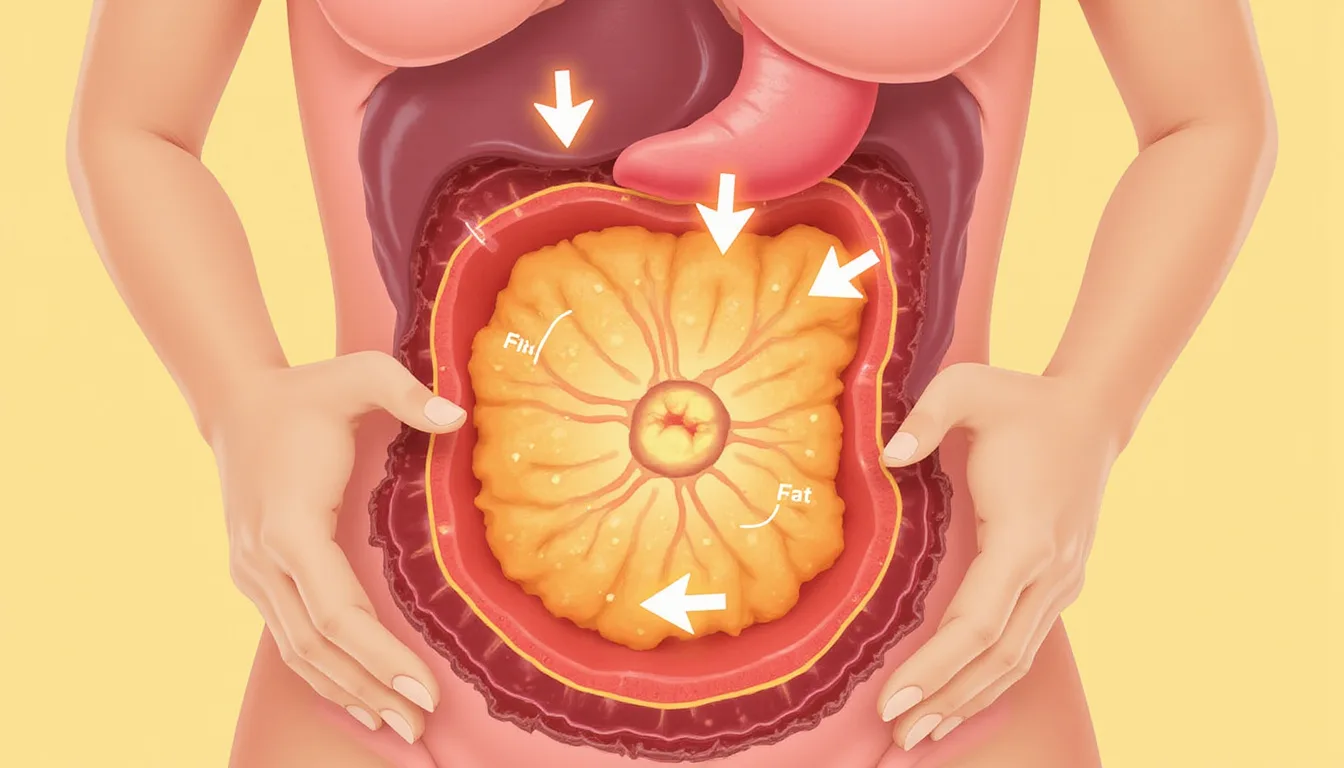

Carb Deficit Mistakes That Secretly Stall Your Weight Loss Progress
Lowering your carb count can help you lose fat, keep your blood sugar stable, and give you control over your meals. When you lower your carbs but the scale does not move or your progress stalls after an early drop, it may be that hidden errors are working against you.
This guide shows the common carb deficit errors, explains why they block weight loss, and shows what to do so you can see steady, lasting progress.
What a Carb Deficit Actually Is (and What It’s Not)

Before you look at errors, know what a carb deficit means.
Carb deficit vs. calorie deficit
- Calorie deficit: You eat fewer calories than your body burns. This requirement must be met for fat loss.
- Carb deficit: You eat fewer carbohydrates than you usually do or below a chosen target (for example, under 150g per day for a moderate low-carb limit or under 50g per day for very low-carb).
You can lower your carbs without reducing your calorie intake if you replace carbs with the same or more calories from fats and proteins. In that case, fat loss may stop even with low carb levels.
The most common method puts the carb deficit inside a calorie deficit: You eat fewer carbs and keep your total calories under your maintenance level.
Mistake #1: Cutting Carbs but Not Calories
Many people think that low carb automatically means fat loss. It does not.
When you cut carbs, you often:
- Eat more fats (cheese, nuts, oils, cream)
- Eat more proteins (meat, eggs, protein shakes)
- Enjoy calorie-dense keto treats
If these extra fats and proteins fully or partly replace the calories lost from carbs, you do not get a calorie deficit.
How to fix it
-
Estimate your maintenance calories.
Use a trusted calculator with your age, sex, height, weight, and activity level. Consider the number as a starting point. -
Set a modest calorie deficit.
- A 10–20% drop below maintenance works for most people.
- For example: If your maintenance is 2,200 kcal, aim for around 1,800–2,000 kcal.
-
Fit your carb deficit inside that calorie budget.
- Choose a carb target (for example, 80–120g per day or 40–60g for a stricter plan).
- Use the rest of your calories for proteins and fats.
-
Track for 1–2 weeks.
Write down your food or use an app to see if your carb reduction makes a calorie deficit. Adjust based on what you see.
Mistake #2: Slashing Carbs Overnight and Triggering Rebound Binges
A fast, steep drop in carb intake (for example, from 300g to 30g in one day) can cause:
- Strong cravings
- Headaches, tiredness, or a form of “keto flu”
- Mood swings and irritability
- Binge eating that leaves you feeling guilty and ready to try again later
These binges can undo your deficit in just one evening.
A gradual carb deficit is usually better
Instead of a sudden shift from high-carb to almost no-carb, lower your intake slowly:
- Week 1: Cut sugary drinks, candy, and pastries.
- Week 2: Remove refined starches from one meal (for example, lunch).
- Week 3: Reduce portions of bread, pasta, and rice.
- Week 4 and on: Set a daily carb target you can keep.
How to know if your carb deficit is too harsh
Watch for signs like:
- Constant ideas about food, especially sugars or starches
- Eating extra snacks even after a good day
- Binging on weekends after strict eating during the week
If you see these signs, add a little more carbs from whole foods like fruit, root vegetables, or whole grains until your eating routines feel smooth and controlled.
Mistake #3: Ignoring Protein While Focusing Only on Carbs
You may focus mainly on cutting carbs and forget about protein. That can cause problems.
Protein helps you:
- Keep muscle while you lose fat
- Stay full for longer periods
- Keep blood sugar steady and cut cravings
A diet that is low in both carbs and protein may cause muscle loss and slow down your metabolism.
Protein targets that support your carb deficit
A simple rule is:
- Aim for 0.7–1.0 gram of protein per pound of your target body weight (or 1.6–2.2 g per kilogram).
For example:
- With a goal of 150 lb → get 105–150 g of protein per day
- With a goal of 180 lb → get 125–180 g of protein per day
Spread out your protein across meals (about 25–40g per meal) to help keep you full and support your muscles.
Mistake #4: Swapping Carbs for “Healthy Fats” Without Limits
When you drop carbs, you might load up on foods high in fat that seem “clean” or keto-friendly, such as:
- Nut butters
- Cheese
- Fatty cuts of meat
- Oils and butter
- Nuts, seeds, and coconut products
These foods can be part of a healthy diet, but they pack many calories. A few extra nuts can easily fill up your calorie limit.
Portion control matters, even in a carb deficit
Here are some calorie details:
- 1 Tbsp olive oil gives about 120 kcal
- 1 oz (28g) almonds gives around 160–170 kcal
- 2 Tbsp peanut butter gives around 180–200 kcal
- 1 oz cheese gives about 110–120 kcal
You may still eat these foods, but:
- Measure portions, at least at first.
- Put lean proteins and fibrous vegetables first.
- Use fats only to fill any remaining calories, not to fully take the place of carbs.
Mistake #5: Cutting the Wrong Carbs (and Keeping the Sneaky Ones)
Not all carbs hold the same weight in the diet. Many cut wholesome carbs but keep those that pack extra calories and little fullness.
Common mistakes
- Removing fruit and yet drinking alcohol
- Cutting whole grains while still enjoying pastries or sweet coffee drinks
- Dropping potatoes but eating many “low-carb” packaged snacks with hidden calories
A better carb deficit strategy: focus on carb quality
When you lower carbs, start by cutting:
- Soda, sweet teas, and energy drinks
- Candy, baked desserts, and pastries
- White bread, crackers, and chips
- Low-fiber breakfast cereals
- Coffee drinks loaded with syrups and sugar
Keep or limit these wholesome carbs:
- Whole fruits
- Beans and lentils (watch your portions if you are very low-carb)
- Oats, quinoa, or brown rice (for a moderate low-carb plan)
- Sweet potatoes and other root vegetables
You usually do not need to cut high-quality carbs completely; cutting processed ones can give you most of the benefit without losing nutrition.
Mistake #6: Forgetting About Fiber in Your Carb Deficit
Fiber is a type of carbohydrate. When you cut carbs, your fiber count may fall too. Low fiber can cause:
- Constipation and bloating
- Greater hunger
- Changes in blood sugar
- An upset gut (see Harvard T.H. Chan School of Public Health)
How to keep fiber high while in a carb deficit
Choose:
- Non-starchy vegetables: broccoli, spinach, kale, peppers, zucchini, and cauliflower
- Low-sugar fruits: berries, kiwi, or grapefruit
- Chia seeds, flaxseeds, or a small amount of nuts
- If you can, small amounts of beans or lentils
Try to get at least 20–30 grams of fiber each day while watching how your body feels.
Mistake #7: Not Adjusting for Water Weight and Glycogen Changes
At first, lowering your carbs may drop the scale quickly. This drop comes mostly from:
- Lower glycogen: the stored carbohydrates in your liver and muscles
- Loss of water, as glycogen binds water
Later, your weight may:
- Stall
- Change from day to day because of water, salt, and hormones
Many think that the carb deficit stops working when they see the scale not dropping. In truth:
- You may continue to lose fat slowly while water weight hides the progress.
- You might stop early because the changes are less obvious.
How to measure real progress
Do not rely on daily scale checks. Also track:
- Your average weight for the week
- Measurements around your waist, hips, and thighs
- Photos taken every 2–4 weeks
- How strong you feel in your workouts
- How your clothes fit
Remember that the early drop is from water, and long-term fat loss happens slowly.
Mistake #8: Overtraining While Under-Fueling Your Carb Deficit
Carbs act as fuel for intense exercise. When you cut carbs and work out hard, you may see:
- Ongoing tiredness
- Slow recovery and sore muscles
- Increased hunger and extra cravings
- Trouble sleeping
- A rise in stress hormones that can affect hunger and water retention
Tailoring your carb deficit for your activity
You do not need to quit your workouts. Instead, try to match your eating with your activity:
- Use a moderate calorie deficit if you exercise hard 3–5 days a week.
- Time some of your carbs before or after workouts (for example, a piece of fruit).
- Make sleep and stress care a part of your plan to help your body recover.
- Include resistance training to help keep muscle while losing fat.
A strict carb drop may not be needed if your workouts and recovery go well.
Mistake #9: Weekend “Cheat Meals” That Erase Your Carb Deficit
Keeping a carb deficit from Monday to Friday can work. Yet, large cheat meals or cheat days on the weekend can:
- Refill your glycogen and water stores, making you appear heavier
- Raise your weekly calorie intake above maintenance
- Create an all-or-nothing mindset
For example:
- Weekdays: A daily 500 kcal deficit gives you a total 2,500 kcal deficit.
- Weekend: Two cheat days with 1,500 kcal extra each give you +3,000 kcal.
The result is no net weekly deficit, even though you kept a carb deficit during the week.
A better approach than cheat days
- Plan treats that are portion-controlled and fit your weekly calorie and carb goals.
- Use a rule such as 80/20 or 90/10: most meals follow your plan, with a few for pure enjoyment.
- Keep some routine on weekends with set meals and protein targets instead of losing control.
Mistake #10: Going Too Low for Too Long
A very strict, long-term carb and calorie drop can work against you:
- Your body may adapt and burn fewer calories.
- Hormones that control energy and hunger may change.
- You may feel low energy and move less during the day.
- Mental stress can build, sometimes leading to weight gain later.
Periodization: A smarter way to use a carb deficit
Rather than staying very low forever, try:
- Fat loss phases that last 8–12 weeks with both a carb and calorie drop.
- Maintenance phases that last 2–6 weeks with steady eating and moderate carbs.
- Brief breaks from the diet if you see a stall in progress or feel worn out.
This plan helps you stick to your goals and care for your body over the long term.
A Practical Framework to Use a Carb Deficit Without Sabotaging Yourself
Here is a simple, step-by-step plan:
-
Define your goal and time frame.
For example, lose 10–15 lb over the next 3–4 months. -
Set your calorie target.
Find your maintenance number and drop it by 10–20%. -
Choose a sustainable carb deficit range.
For moderate low-carb, try 80–150g per day. For a stricter plan, try 40–80g per day. You can start with more carbs and lower them later if needed. -
Lock in protein.
Aim for 0.7–1.0 g per pound of your goal weight, spread over your meals. -
Fill remaining calories with healthy fats and extra carbs.
Rely on whole, unprocessed fats and high-fiber, nutrient-rich carbs. -
Stick to quality foods.
Choose mainly lean proteins, vegetables, fruits, and foods that are either whole or lightly processed. -
Watch weekly trends, not daily changes.
Track your weight over a week, take measurements, and pay attention to how you feel. -
Change one factor at a time.
Tweak your carb amount, adjust your total calories, or change your activity level slowly. Do not change everything at once.
Example Day on a Moderate Carb Deficit
This sample day shows a balanced plan. It is not the same for everyone.
-
Breakfast
• 3 eggs plus egg whites scrambled with spinach and mushrooms
• ½ avocado
• Black coffee or tea -
Lunch
• Grilled chicken breast
• A large salad with lettuce, cucumber, tomatoes, and peppers
• A measured drizzle of olive oil and vinegar -
Snack
• Unsweetened Greek yogurt
• A small handful of berries
• 1 Tbsp chia seeds -
Dinner
• Baked salmon
• Roasted broccoli and cauliflower
• A small serving of quinoa or sweet potato (if it fits your carb target) -
Total
• High in protein, moderate in fat, and with a clear carb drop
• Enough fiber and mainly whole foods
Quick Checklist: Are These Carb Deficit Mistakes Slowing You Down?
Use this list to check your current plan:
- [ ] I have confirmed I keep a calorie deficit, not just a carb deficit.
- [ ] I lowered my carbs slowly enough to avoid constant binges.
- [ ] I reach my daily protein goal based on my target weight.
- [ ] I do not use unlimited high-fat foods to replace carbs.
- [ ] I cut refined and sugary carbs first instead of whole fruits and whole grains.
- [ ] I get at least 20–30g of fiber each day.
- [ ] I track my progress weekly instead of watching the scale each day.
- [ ] I match my workouts and recovery with my level of carb reduction.
- [ ] I do not use weekends to undo the carb drop I keep during weekdays.
- [ ] I take breaks or switch to maintenance if I have stayed in a strict deficit for too long.
Checking more boxes usually means your carb drop is set to help you lose fat in a lasting way.
FAQ: Carb Deficit and Weight Loss
1. What is a healthy carb deficit for weight loss?
A healthy carb drop depends on how many carbs you normally eat and your activity level. For many, reducing to 80–150g per day while keeping a calorie drop works well. Active people may need more carbs, while others may do well with less. A very low carb intake is not needed for everyone.
2. Why am I not losing weight on a low-carb deficit diet?
If weight loss stops on a low-carb plan, it might be because:
• You are not in a true calorie deficit (extra fat and protein balance the carb drop).
• Cheat meals or extra eating on weekends cancel out the deficit.
• Water retention hides fat loss on the scale.
• You dropped carbs too fast, which leads to rebound binges.
Review your total calories, food quality, and consistency instead of focusing only on carbs.
3. Is a calorie deficit more important than a carb deficit?
Yes. A calorie deficit is key to fat loss. You must eat fewer calories than you burn to lose fat. A carb drop is useful for controlling hunger, managing blood sugar, and reducing processed foods, yet it works best when it is part of a balanced calorie plan.
Turn Your Carb Deficit Into Real, Lasting Progress
A carb drop can help you if you use it with care. Cutting carbs without watching total calories, protein, fiber, and your daily life often leads to plateaus, frustration, and the urge to give up.
Build a plan that:
• Puts a moderate carb drop inside a steady calorie drop
• Uses enough protein and fiber for fullness and muscle care
• Fits your training, your schedule, and your energy level
• Allows you some flexibility as you work toward your goal
If your current low-carb plan is not working well, try adjusting one or two points—like tracking your calories for a week or adding more protein—and give it time to work.
You do not need a perfect plan; you need one that you can follow day by day. Tighten your carb drop with these steps, and you will see steady progress that lasts.
[center]Always consult with your doctor prior to making drastic diet changes.[/center]
[center]As an Amazon Affiliate, Savvy Keto makes a small commision (at no extra cost to you) on any purchases you make thru affiliated links you click on.[/center]