Carb cutting works as a smart choice for anyone who seeks to burn belly fat, keep energy steady, and take charge of cravings. Used wisely (not as a quick crash diet), carb cutting can drop harmful belly fat, steady blood sugar, and support focus all day. This guide explains science-based steps to lower your carb intake without leaving you tired, hungry, or fixated on food.
What carb cutting means (and what it does not)
Carb cutting does not mean you must stop eating carbs forever. It means you lower your refined and fast-digesting carbs so your body can use stored fat for energy while keeping your body systems balanced.
Types of carbs to know
- Refined carbs: White bread, pastries, white pasta, sugary cereal, most packaged snacks. These push blood sugar up fast and link to belly fat and insulin issues.
- Starchy carbs: Potatoes, rice, oats, whole-grain bread, beans, lentils. These give nutrition but pack many carbs.
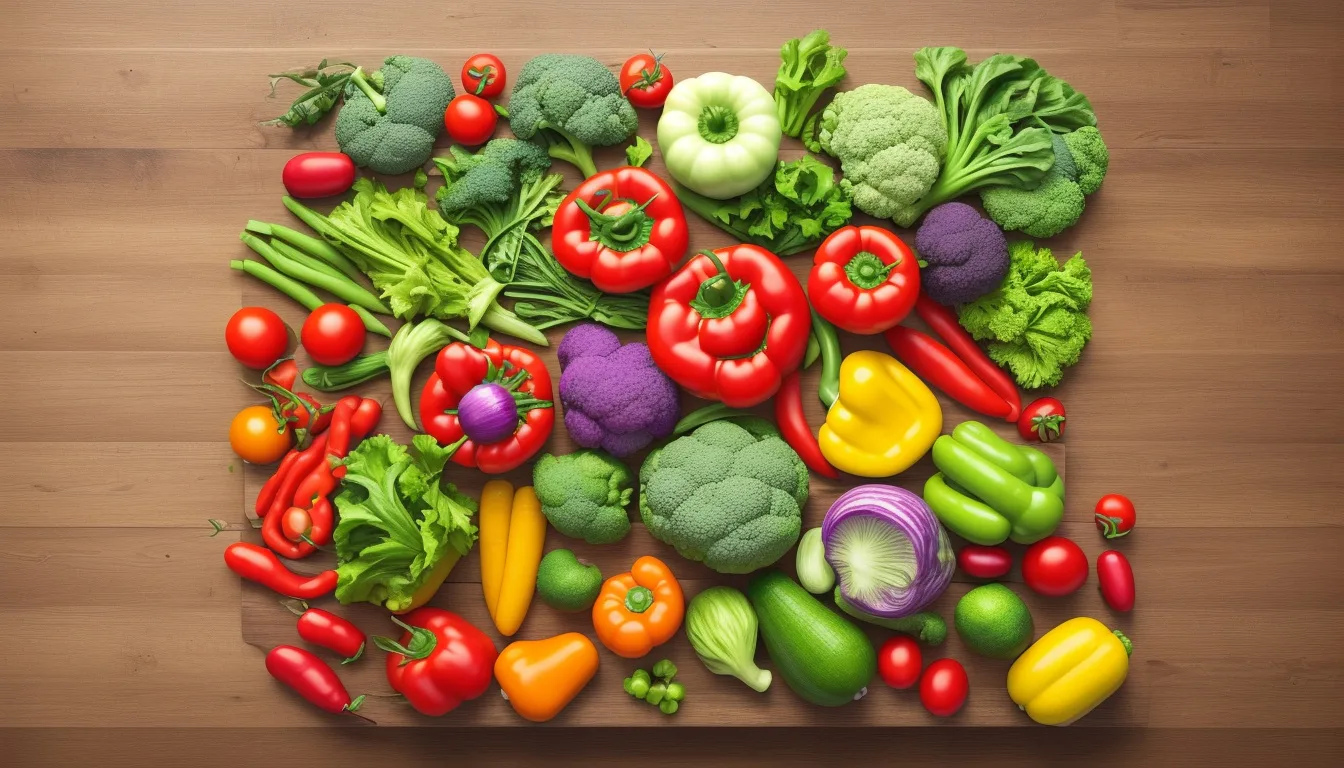
- Fibrous carbs (non-starchy veggies): Leafy greens, broccoli, peppers, cucumbers, zucchini, cauliflower, asparagus. These offer little carbs with high fiber and vitamins.
- Sugary carbs: Soda, fruit juice, candy, desserts, syrups, sweetened yogurts.

Carb cutting means you cut back on refined and sugary carbs, watch your portions of starchy foods, and focus on non-starchy vegetables, protein, and healthy fats.
How carb cutting melts belly fat
Belly fat, especially the deep fat around your organs, links strongly with high blood sugar, high insulin, and inflammation. Lowering carbs helps change that mix.
1. Lower insulin leads to easier fat use
Eating many carbs—especially refined ones—raises blood sugar. Then insulin flows to help cells take up the sugar. When insulin stays high too long, your body cannot burn its stored fat. By lowering carbs:
• Blood sugar rises less.
• Insulin falls.
• Your body uses stored fat for energy, even around your belly.
2. Fewer calories but no hunger
Cutting back on carbs naturally brings you to:
• More protein (meat, eggs, yogurt, tofu).
• More fiber (vegetables, some nuts and seeds).
• More healthy fat (olive oil, avocado, fatty fish).
These foods satisfy hunger and help control the hormone that makes you feel hungry. You may eat fewer calories without extreme hunger.
3. Less water and less bloating
Each gram of stored carbohydrate (glycogen) binds several grams of water. When you cut carbs:
• Glycogen falls.
• Extra water and salt leave the body.
• Belly bloating drops quickly.
Early weight loss may seem fast because of water loss. Over time, true fat loss happens, especially with resistance training and steady habits.
How carb cutting boosts energy and mental clarity
Many assume that fewer carbs mean less energy. Often, after your body adjusts, you feel even more steady.
1. Blood sugar stays steady, energy does too
High-carb meals create a wild ride:
- You eat carbs → blood sugar goes up.
- Your body sends more insulin → blood sugar then drops.
- The drop brings fatigue, bad mood, and cravings.
Cutting carbs makes this ride smoother. With fewer spikes, your blood sugar stays even. This keeps:
• Mid-morning and afternoon slumps at bay
• Brain fog low
• Urgent sugar cravings down
2. Body gets better at using fat
After a few weeks of fewer carbs, your body adapts to burn fat. This change makes fasting or long gaps between meals easier. You may find you do not need a snack every hour. Your brain gets energy in a steadier way.
3. Sound sleep and a lighter mood
Cutting late-night sugar stops big drops in blood sugar. This helps keep key brain chemicals steady. With steadier energy, you sleep better and your mood feels more balanced.
How many carbs should you cut?
No single number fits all. It depends on your:
• Daily activity
• Age and sex
• Health with insulin (for example, insulin resistance, PCOS, prediabetes)
• Your current diet and likes
A practical plan:
-
Moderate carb cutting (100–150 g/day)
Suits active people who seek fat loss and steady energy. It means cutting out junk carbs, not all starches. -
Low-carb (50–100 g/day)
Works well for belly fat loss, especially if you have insulin issues or metabolic challenges. -
Very low-carb / ketogenic (20–50 g/day)
A stronger method; it can help some with obesity or diabetes under medical care. It is not needed for everyone and is harder to keep up.
Many find success by starting with moderate carb cutting and narrowing further only when needed.
Step-by-step carb cutting method for beginners
Step 1: Find your main carb sources
Track what you eat for 3 days. Write down:
• Meals
• Snacks
• Drinks
• Sauces and small bites
Note especially:
• Sugary drinks and juices
• Bakery items like muffins, bagels, pastries, cookies
• Candy and desserts
• Very large servings of bread, pasta, rice, fries, chips
These are your main targets for cutting carbs.
Step 2: Swap foods instead of simply deleting them
Cutting carbs without a plan can lead to strong cravings. Swap higher-carb items with lower-carb ones:
• Soda/juice → sparkling water with lemon or flavored seltzer
• White bread → whole grain bread or use lettuce wraps
• Pasta → choose zucchini noodles, spaghetti squash, or chickpea pasta in small amounts
• Rice → try cauliflower rice or a half rice-half cauliflower mix
• Chips → reach for nuts, seeds, cheese crisps, or veggie sticks with dip
With planned swaps, you feel full while cutting carbs.
Step 3: Start meals with protein and fiber
Base each meal around both protein and fiber:
• Protein: Eggs, chicken, turkey, fish, yogurt, cottage cheese, tofu, tempeh
• Fiber: Greens, broccoli, Brussels sprouts, peppers, cucumbers, berries
This mix helps ease cravings and slows down carb absorption. You will feel full longer. Aim for 20–30 g of protein per meal for most adults.
Step 4: Set your plate simply
Try this plate method for carb cutting:
• ½ plate: Non-starchy vegetables (salad, broccoli, beans, peppers, cauliflower)
• ¼ plate: Protein
• ¼ plate: A small amount of starch or healthy fat
Examples:
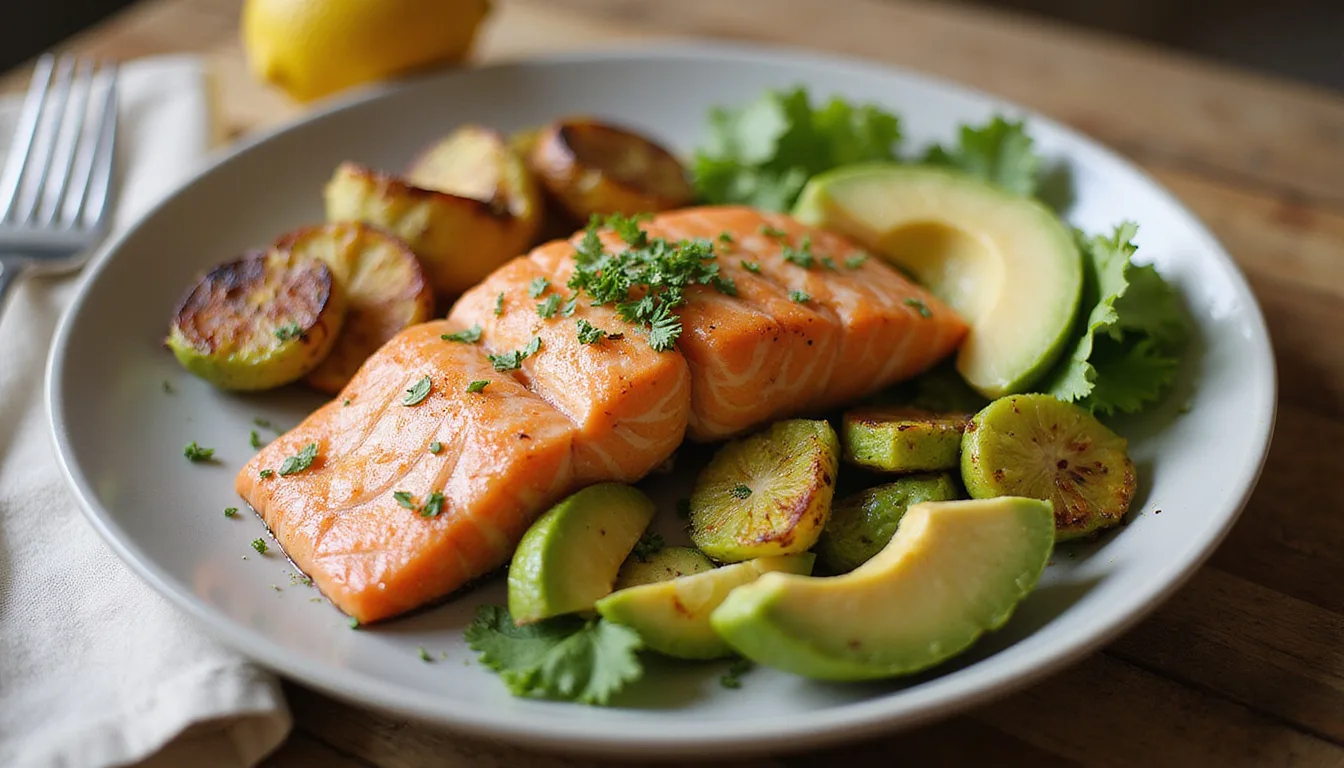
• Grilled salmon with a big salad tossed in olive oil and a small serving of quinoa.
• Chicken stir-fry loaded with veggies over cauliflower rice instead of white rice.
• An omelet with spinach, peppers, and cheese, with a side of berries on the plate instead of toast.
Sample 1-day carb cutting meal plan
This plan uses moderate carbs for fat loss and steady energy.
Breakfast
• 2–3 scrambled eggs with spinach and mushrooms cooked in olive oil
• ½ avocado
• Black coffee or tea
Snack (optional)
• Unsweetened Greek yogurt mixed with a few berries and chopped walnuts
Lunch
• A large salad with mixed greens, grilled chicken, cucumber, bell peppers, and cherry tomatoes
• A dressing made with olive oil, vinegar, and herbs
• Sparkling water
Snack (if needed)
• Veggie sticks (carrots, celery, peppers) with hummus
Dinner
• Baked chicken thighs or salmon
• Roasted broccoli and cauliflower
• A small serving of sweet potato or about half a cup of quinoa
Evening
• A cup of herbal tea
• For a sweet touch, a square or two of dark chocolate (70%+ cocoa)
This meal style keeps carbs at a moderate level and focuses on fiber-rich foods while using protein and healthy fats to fill you up.
Carb cutting and exercise: getting more from workouts
To get more benefit in fat loss and energy, mix carb cutting with smart exercise moves.
Focus on weight training
Doing weights or body weight work:
• Builds and holds on to muscle
• Raises your resting burn rate
• Helps your body use carbs in a better way
Aim for 2–4 sessions per week that work the legs, glutes, back, chest, and shoulders.

Use carbs smartly around workouts
If your training is hard, some people do well with a few carbs before or after exercise:
• Before: a small fruit piece, a few spoonfuls of oats, or half a banana
• After: a meal rich in protein with some whole-food carbs (for example, chicken with sweet potato)
This method keeps overall carbs low while giving you the fuel you need.
Keep up daily walks
A short walk, especially after meals, can help by:
• Keeping blood sugar steady
• Reducing food cravings
• Helping with digestion and stress
Even 10–15 minutes after eating makes a big difference.
Common carb cutting mistakes that slow belly fat loss
1. Cutting carbs while increasing fat too much
Foods like nuts, cheese, oils, and low-carb snacks can be easy to overdo. Carb cutting is not a pass to eat endless calories. Watch that:
• A handful of nuts does not turn into a bowl.
• Heavy creams in coffee can add up.
• Constant snacking on cheese adds extra calories.
You still need a slight calorie gap to lose fat.
2. Ignoring carbs in drinks
Hidden sugars hide in:
• Coffee drinks with flavored syrups and sweet creams
• Smoothies and juice
• Sports drinks
• Alcohol or mixers
These can break your low-carb plan and pull on cravings.
3. Cutting too many carbs too quickly
A sudden shift from high to very low carbs may bring:
• Headaches
• Fatigue
• Mood changes
• Signs like those seen in early keto adjustments
Try to lower carbs in steps:
• Week 1: Remove sugary drinks, desserts, and clear junk
• Week 2: Reduce portions of bread, pasta, rice, and potatoes
• Week 3+: Adjust further based on progress and how you feel
4. Overlooking water and minerals
Carb cutting makes you lose water and minerals faster. To stay well:
• Drink plenty of water
• Add a little salt or use an electrolyte mix without sugar
• Eat foods rich in potassium and magnesium (greens, avocados, nuts, seeds)
Handling carb cutting cravings and hunger
Cravings are common in the first 1–2 weeks. You can manage them with some simple steps.
1. Eat enough protein and calories
If hunger is constant, you may be too low on calories. Make sure you:
• Get 20–30 g of protein at each meal
• Do not skip meals if it leads to later binge eating
2. Choose foods that satisfy
Keep low-carb, filling items on hand:
• Boiled eggs
• Cheese sticks or slices
• Pre-portioned nuts
• Olives
• Veggies with dip
• Greek yogurt
These choices help you beat cravings without turning to bread or sweets.
3. Wait and stay busy
Cravings usually last 10–20 minutes. When you feel one:
- Drink a glass of water or herbal tea
- Walk a little, do a short chore, or stretch
- If you still feel the need after 20 minutes, have a small, mindful portion
Over time, cravings often fade as your blood sugar grows more steady.
Keeping carb cutting as a long-term choice
Short-term fixes do not last. To lose belly fat and keep your energy up, your carb cutting plan must fit your daily life.
Build in some wiggle room
You do not need to be perfect. Try this idea:
• Stick to your carb cutting plan about 80–90% of the time
• Use about 10–20% of your meals to enjoy more carbs or treats in small portions
Plan these moments for:
• Date nights
• Social events
• Holidays
You can balance these with lower-carb meals around them.
Adjust to your own carb needs
Each person handles carbs differently. Signs you might need to cut more:
• Feeling tired after carb-heavy meals
• Strong cravings for sugar
• The waist does not shrink despite effort
• Lab results show high blood sugar or triglycerides, or low good cholesterol (check with your doctor)
Signs you might need a few more carbs:
• Ongoing fatigue or trouble sleeping
• Hair loss or hormone changes (especially for women)
• Falling performance during exercise
• Feeling cold or low in mood
Make changes slowly and note how you feel.
FAQ: Carb cutting, belly fat, and energy
1. Is carb cutting needed to lose belly fat?
It is possible to lose fat without cutting carbs. However, reducing refined carbs makes losing belly fat easier for many. Lowering carbs improves the body’s insulin response and cuts extra calories from sugary, processed foods. A calorie gap with more protein and fewer refined carbs is very effective for a smaller waist.
2. What foods help with low-carb cutting and steady energy?
Focus on:
• Lean proteins: chicken, turkey, fish, eggs, Greek yogurt
• Healthy fats: olive oil, avocado, nuts, seeds
• Non-starchy vegetables: spinach, broccoli, cauliflower, peppers, zucchini
• A few whole-food carbs when needed: berries, small oats servings, sweet potato, quinoa
Mixing protein, fats, and fibrous vegetables gives steady energy without sharp sugar jumps.
3. Can carb cutting work for vegetarians or vegans?
Yes. A vegetarian or vegan plan means you choose:
• Plant proteins: tofu, tempeh, edamame, seitan (if it works for you), or plant protein powders
• Measured portions of carbs: lentils, chickpeas, black beans
• Lots of non-starchy veggies
• Healthy fats: avocado, olive oil, coconut oil, nuts, seeds
You might not lower carbs as much as meat eaters, but you still reduce refined grains and sugars in a big way and feel better.
Your next step: Put carb cutting into practice
You do not need perfection or a complex plan to start seeing change. Begin with three simple moves:
- Remove sugary drinks and clear sweets for the next 7 days.
- Build every meal around protein and non-starchy vegetables.
- Cut your usual portion of bread, pasta, rice, or potatoes in half.
Try this plan for two weeks. Watch your waist, energy, cravings, and mood. Then adjust based on what you learn.
If you are ready to trim stubborn belly fat and enjoy steadier energy, try these ideas consistently. Start today by planning your next 24 hours of low-carb, filling meals, stocking your kitchen with smart swaps, and taking your next walk after a meal. Your more energetic self will thank you.
[center]Always consult with your doctor prior to making drastic diet changes.[/center]
[center]As an Amazon Affiliate, Savvy Keto makes a small commision (at no extra cost to you) on any purchases you make thru affiliated links you click on.[/center]