

Carb cravings pull you in at 3 p.m. You feel a quick urge for cookies, bread, or chips. Your body sends these signals when you feel tired, stressed, or when your routine favors them. You are not at fault when control slips. Your body, mind, and habits work close, and you can change these patterns.
This guide shows what brings on carb cravings. It also gives you tested, practical ways to calm hunger, cut back on overeating, and support weight loss without endless deprivation.
Why carb cravings hold so much sway

Carbs, especially refined ones, spark strong reactions in your brain and body. When you see what happens inside, you work with your body instead of fighting against it.
How carbs affect your brain
Carbs like sugar and refined flour lift your blood sugar fast. Your brain responds with a burst of:
- Dopamine – the reward signal that makes eating feel very good.
- Serotonin – linked to mood and calm; carbs boost it for a short time.
A quick donut bite or a cookie feels like a fast lift or comfort. Your brain saves this link and looks for it later, especially when you feel stressed, tired, or low.
Research in neuroscience shows that processed foods can trigger reward paths in the brain, much like addictive substances (source: Harvard School of Public Health).
Blood sugar ups and downs spark carb cravings
When you eat refined carbs (white bread, pastries, candy, sugary drinks):
- Your blood sugar rises fast.
- Insulin moves the sugar into your cells.
- Blood sugar then falls fast—sometimes below your normal level.
- You feel tired, hungry, and grouchy, and you seek more quick carbs.
This blood sugar cycle keeps carb cravings coming back all day.
How hunger hormones join in
Two key hormones drive your cravings:
- Ghrelin – the hunger hormone that rises when you need food and draws you to high-calorie options.
- Leptin – the fullness hormone that tells you to stop eating; it loses strength if you overeat processed foods.
Bad sleep, high stress, and irregular eating disrupt these hormones. They make carb cravings tougher to ignore.
Hidden factors that boost carb cravings
It is not only about willpower. Some lifestyle and emotional factors quietly add fuel to your carb hunger.
1. Lack of sleep
Less than 7 hours of good sleep each night:
- Raises ghrelin (you feel more hungry)
- Lowers leptin (you feel less full)
- Strengthens the reward from processed foods
Sleep-deprived people tend to eat more calories and more carbs, especially in the evening.
2. Ongoing stress
When stress builds, your body pumps out cortisol. This hormone:
- Raises your appetite
- Pushes you toward quick energy from sugar and refined carbs
- Increases emotional eating
You may see carb cravings spike when work deadlines press or after a draining day.
3. Emotional eating habits
Carbs come with comfort and celebration. Many turn to them when they feel:
- Anxious
- Lonely
- Bored
- Sad or mad
Over time, your brain learns a simple link: feel bad → eat carbs → feel a brief lift.
4. Strict diet rules
Diet rules like “no carbs ever” or “never eat after 7 p.m.” can backfire. When you label something forbidden, it draws you in. A small slip may then lead to overeating and more loss of control.
A balanced view of carb intake works better than extreme limits.
Step one: Keep your blood sugar steady to ease carb cravings
When your blood sugar stays steady, cravings drop. Start by planning meals that give your body smooth energy.
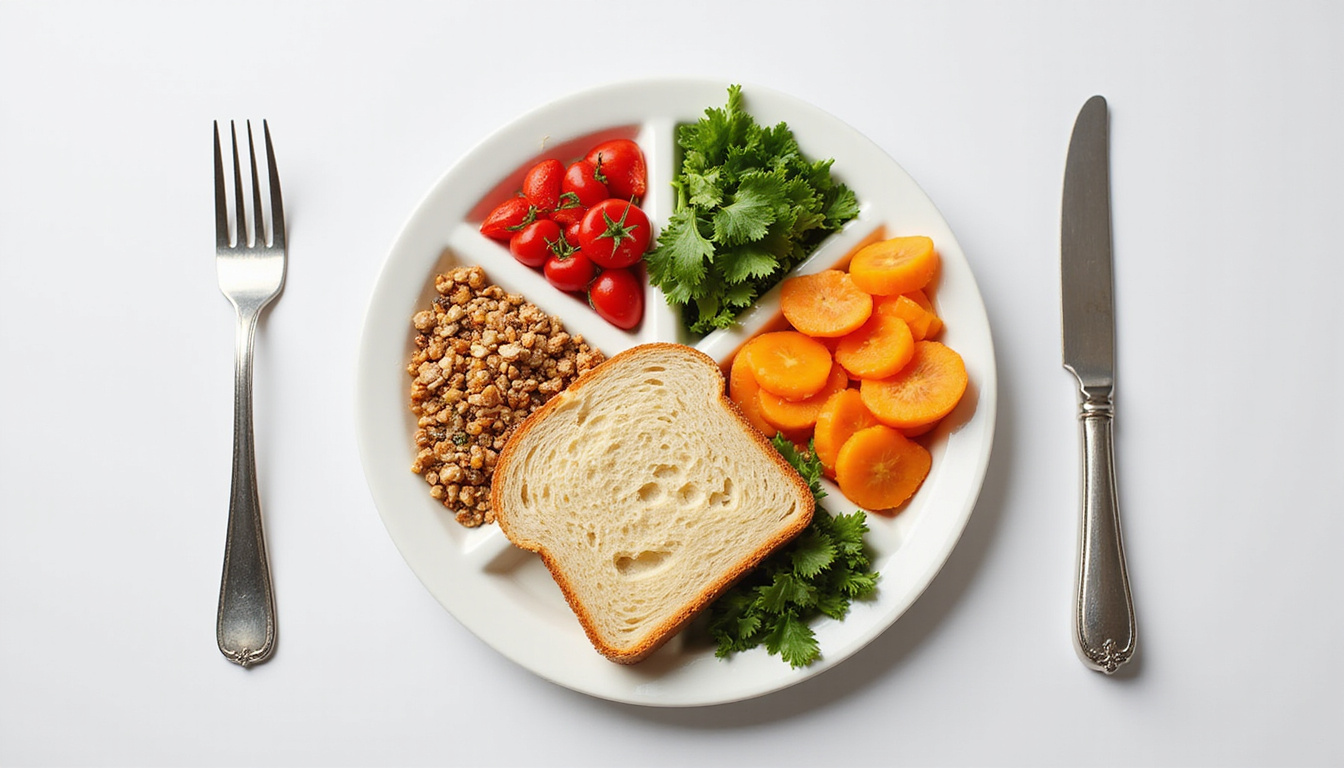
Build a plate that helps you resist cravings
At most meals, try this blend:
-
Protein (20–30 g)
Examples: eggs, Greek yogurt, cottage cheese, chicken, fish, tofu, tempeh, beans plus a protein boost -
Healthy fats
Examples: avocado, olive oil, olives, nuts, seeds, nut butters, fatty fish -
High-fiber carbs
Examples: vegetables, fruit, lentils, beans, quinoa, oats, sweet potato, whole-grain bread or pasta (in modest amounts) -
Extra from non-starchy vegetables
Examples: greens, broccoli, peppers, cucumbers, zucchini, cauliflower
This mix slows digestion, keeps your blood sugar steady, and fills you up for hours. It cuts down on carb cravings between meals.
Do not skip meals (especially in the morning)
Skipping breakfast or having only coffee can set you up for strong carb cravings later. A protein-rich breakfast has been shown to:
- Cut back cravings later in the day
- Reduce total calorie intake
- Keep your energy and mood even
Sample breakfasts to help ease carb cravings:
- Greek yogurt with berries, chia seeds, and a handful of nuts
- Scrambled eggs with sautéed vegetables and a slice of whole-grain toast
- Tofu scramble with avocado and some fruit
Pick the right carbs, not no carbs
You need not cut all carbs to control cravings and lose weight. Choosing better carbs in the right sizes is a more lasting way to eat.
Favor high-fiber, slow-digesting carbs
Focus on carbs that take their time to digest and come with fiber, water, vitamins, and minerals:
- Whole fruits (berries, apples, pears, oranges, kiwi, melon)
- Vegetables (especially the non-starchy ones)
- Legumes (lentils, chickpeas, black beans, kidney beans)
- Whole grains (oats, quinoa, barley, brown/wild rice, whole-grain pasta)
These foods help your gut, keep blood sugar moves slow, and fill you longer so that carb cravings drop.
Mix carbs with protein and fat
When you eat carb-rich items, add a side of protein or fat:
- Spread nut butter on fruit or toast
- Serve rice with tofu or chicken and vegetables
- Add cheese, avocado, or hummus when you snack on whole-grain crackers
- Combine nuts or seeds with dried fruit instead of eating the fruit alone
This mix slows digestion and stops a quick rise in blood sugar that can spark more cravings.
When cravings come: What to do
Even with good meals, carb cravings can still appear. The key is how you handle them at once.
1. Stop for a moment and check the craving
Before you eat, ask yourself:
- Do I feel real hunger? (Is your stomach growling or is your energy low?)
- Do I feel bored, stressed, sad, or anxious?
- Did I not eat enough before?
If your body really needs food, you must eat. If you feel an emotional trigger, try another way.
2. Try a 10-minute wait
When a craving comes:
- Notice it without a hard judgment.
- Set a timer for 10 minutes.
- Use that time to do another small task:
- Drink water or a warm herbal tea
- Walk around or climb a few stairs
- Do a brief breathing exercise
- Start a small task (especially if it takes you away from the kitchen)
If after 10 minutes the craving stays strong and you are truly hungry, choose a balanced snack. Often, the urge will subside, letting you decide more clearly.
3. Improve your snacks (instead of forcing through cravings)
Have ready snacks that satisfy without sparking more carb hunger:
- Apple slices with peanut or almond butter
- Greek yogurt with berries and a few nuts
- Carrot sticks paired with hummus
- Cottage cheese topped with cucumber and tomato
- A handful of nuts with a piece of fruit
- Whole-grain crackers with cheese or hummus
These snacks give some carbs but mainly provide protein and fat to keep you full.
Get your surroundings to help tame carb cravings
Willpower can run out. Your surroundings hold power. Arrange your space so that foods that trigger cravings are less near at hand and the foods that help are easy to reach.
Keep tempting foods out of sight
You do not need to remove all foods you enjoy. You can:
- Avoid storing large amounts of your main trigger foods.
- Keep tempting items:
- Hidden away (in a high cabinet or container with no clear view)
- In small servings (single portions or small bags)
- Skip grocery shopping when hungry or stressed.
- Walk past aisles with junk food if you tend to buy them on impulse.
Keep helpful foods in plain view
Work for success by prep work:
- Cut veggies (carrots, peppers, cucumbers) with ready hummus
- Place washed fruit in a bowl on your counter
- Pack small portions of nuts in containers
- Keep hard-boiled eggs in the fridge
- Have cooked grains (quinoa, brown rice) and lentils or beans ready for quick bowls
When a craving strikes, a ready food that meets your needs makes a big difference.
Mind and heart steps for carb cravings
Many carb cravings rise from feelings or habits. It is as important to care for your mind as your meals.
Practice mindful eating (it truly helps)
Instead of gulping down carbs while feeling guilty:
- Sit down and remove distractions (try not to scroll on your phone).
- Eat slowly while noticing each flavor and texture.
- Halfway through, ask: “Do I really want more? Am I full?”
- Stop when your body feels satisfied, even if there is food left.
This slow eating cuts the chance of binging, brings more reward, and lessens the cycle of all-or-nothing thoughts.
Break the cycle of guilt, craving, and binge
Many face this loop:
- Crave carbs.
- Eat them and lose control.
- Feel guilt or shame.
- Restrict even more.
- Crave with greater force and repeat.
Try a neutral, clear view instead:
- “I ate more cookies than I had planned. Was I too hungry, or did stress push me?”
- “How can I adjust my next meal or tomorrow so I feel better?”
This curious view helps change habits for the long run.
Find non-food ways to cope
When emotions push you to carb cravings, build a list of comforts that do not involve food:
- Take a short walk or do a few stretches
- Enjoy a hot shower or bath
- Call or text a friend
- Write your thoughts for 5–10 minutes
- Do a few breathing drills or a short meditation
- Listen to a favorite song or podcast
You train your mind to find calm in other small acts.
Build a lifestyle that cuts carb cravings
Food is one part of the picture. Other changes in your day can ease carb cravings overall.
Sleep better and keep a steady schedule
Aim for 7–9 hours each night. Try these ideas:
- Keep fixed sleep and wake times, even on weekends.
- Skip caffeine after midday.
- Dim screens 30–60 minutes before bed.
- Make your bedroom dark, cool, and quiet.
Better sleep means fewer carb cravings, a steadier appetite, and more self-control.
Move your body in small steps
You do not need long, extreme workouts. Keep movement consistent:
- Walk briskly for 20–30 minutes most days.
- Do strength work 2–3 times a week.
- Take short breaks to move when you sit for long.
Exercise helps your insulin work well, steadies your mood, and cuts stress. All these work to ease carb cravings and back your weight loss goals.
Handle stress with care
You may not kill all stress, but you can:
- Plan short breaks during your day.
- Try a simple breathing method (in for 4 seconds, out for 6 seconds for a few rounds).
- Set limits at work if you can.
- Pick a short daily habit: stretch, journal, or meditate.
Lower stress brings fewer “I need sugar now” moments.
A simple 7-day reset to calm carb cravings
Try this weekly plan to ease carb cravings and help weight loss.
-
Eat 3 balanced meals per day
Each meal should have 20–30 g protein, a bit of healthy fat, plenty of vegetables, and high-fiber carbs. -
Plan 1–2 healthy snacks if needed
Focus on snacks with protein and fiber or fat (for example, yogurt with berries, nuts with fruit, or hummus with veggies). -
Include carbs at meals and skip most refined carbs between meals
Choose whole, high-fiber carbs with meals. Avoid grazing on sweets or white flour items. -
Drink enough water
Many mix thirst with hunger. Aim for clear or pale yellow urine during the day. -
Get 7+ hours of sleep each night
Guard your sleep time as if it were an important appointment. -
Move every day
Even a simple 20-minute walk makes a difference. -
Watch your habits, not perfection
Notice when carb cravings peak—time, feelings, and recent meals. Use this to adjust your next steps.
This plan is not a crash diet. It is a simple test for your body and mind when blood sugar stays even and your habits get a smart check.
FAQs about carb cravings and weight loss
Why do I suddenly crave so many carbs?
Sudden carb cravings can come from:
- Skipping meals or having too little protein.
- Poor sleep or new stress.
- Starting a very low-calorie or low-carb plan.
- Shifts in your hormones (for example, during your cycle).
Begin by checking the basics. Are you under-eating? Is your sleep off? Do you feel extra stress? Fixing these often calms carb cravings.
Are carb cravings a sign of a deficiency?
Carb cravings do not usually mean you lack nutrients. Still, strong or frequent cravings may show:
- Too few overall calories.
- Not enough protein or healthy fats.
- Low fiber.
- Blood sugar swings.
While some mention a link to low magnesium for sugar cravings, balancing meals and lifestyle can work much better than a pill alone.
How do I stop late-night carb cravings?
To cut back on night cravings:
- Eat enough during the day, especially protein at breakfast and lunch.
- Have a full dinner with protein, fat, and fiber-rich carbs.
- Set up a calming night routine that does not focus on food.
- Brush your teeth after your last meal or snack.
- If you are truly hungry, pick a small, balanced snack (like yogurt, a boiled egg with fruit, or some nuts).
Nighttime cravings drop when your daytime eating is steady and your stress and sleep are in check.
Take control of carb cravings—without all or nothing thoughts
Carb cravings do not mark a failure. They are normal signals that come from how you eat, sleep, move, think, and handle stress. When you work with your body, life flows smoother.
You now have a set of ideas:
- Build balanced meals rich in protein to keep blood sugar even.
- Pick high-fiber carbs instead of cutting them out completely.
- Pause and choose better snacks when cravings hit.
- Shape your space so that smart choices sit in easy reach.
- Back yourself with better sleep, movement, and stress care.
- Break the guilt–craving–binge loop with mindful, fair self-talk.
If you are ready to act, try just two changes this week—perhaps a protein-rich breakfast and a 10-minute wait before giving in to carb cravings. Small, steady steps build up to big changes in hunger, cravings, and weight over time.
You do not need another harsh diet. You need a lasting plan and steady support. Start these steps today—and if you need more structure, sketch a simple 7-day action plan from this guide. Watch how your carb cravings and energy shift. Your future self will thank you.
[center]Always consult with your doctor prior to making drastic diet changes.[/center]
[center]As an Amazon Affiliate, Savvy Keto makes a small commision (at no extra cost to you) on any purchases you make thru affiliated links you click on.[/center]