Calorie counting earns a mixed rep. Many call it tedious, obsessive, or “too much work.” Yet used with care and flexibility, calorie counting is a tool that helps you trim fat, build muscle, and feel more control over your health. The task is not to reach perfection. Instead, it is to make small tweaks that add up over time. This guide shows you steps to try today without turning life into a maze of math.
Why Calorie Counting Works (When You Don’t Overdo It)
At its core, calorie counting manages your energy. You eat calories and you burn calories. Eat less than you burn and you lose weight. Eat more and you gain weight.

Not every calorie is the same for hunger or health—200 calories from chicken feel different from 200 calories from candy. Yet when it comes to weight, the sum of calories is what you count. Calorie counting gives you
- A clear look at what and how much you eat
- A way to change portion sizes without banning foods
- Feedback that lets you adjust instead of guess
The goal is to use calorie counting as a helpful guide, not as a set of iron rules.
Step One: Find Your Calorie “Ballpark,” Not an Exact Number
You do not need a perfect calorie target. You need a good starting point that you can change.
A simple method:
-
Estimate daily calories to keep your weight.
Use an online TDEE (Total Daily Energy Expenditure) calculator. Enter your age, sex, height, weight, and activity level (source: National Institutes of Health Body Weight Planner). -
Change for your goal.
- For fat loss: cut about 300–500 calories per day
- For slow, lean muscle gain: add about 150–300 calories per day
- For steady weight: start at maintenance and see how you do
-
Do a 2-week test.
Stay near your target for 10–14 days. Watch the scale, your clothes, and your feeling.- If you lose weight too fast and feel off, add 100–150 calories.
- If there is little weight change, drop another 100 calories.
Your calorie target is not set in stone. It is a living guess that you adjust with real-world feedback.
Hack Your Environment Before You Divide Your Math
The easiest form of calorie counting is not pure numbers. Instead, it means making default choices that come with fewer calories.
1. Shrink the “Automatic” Serving Size
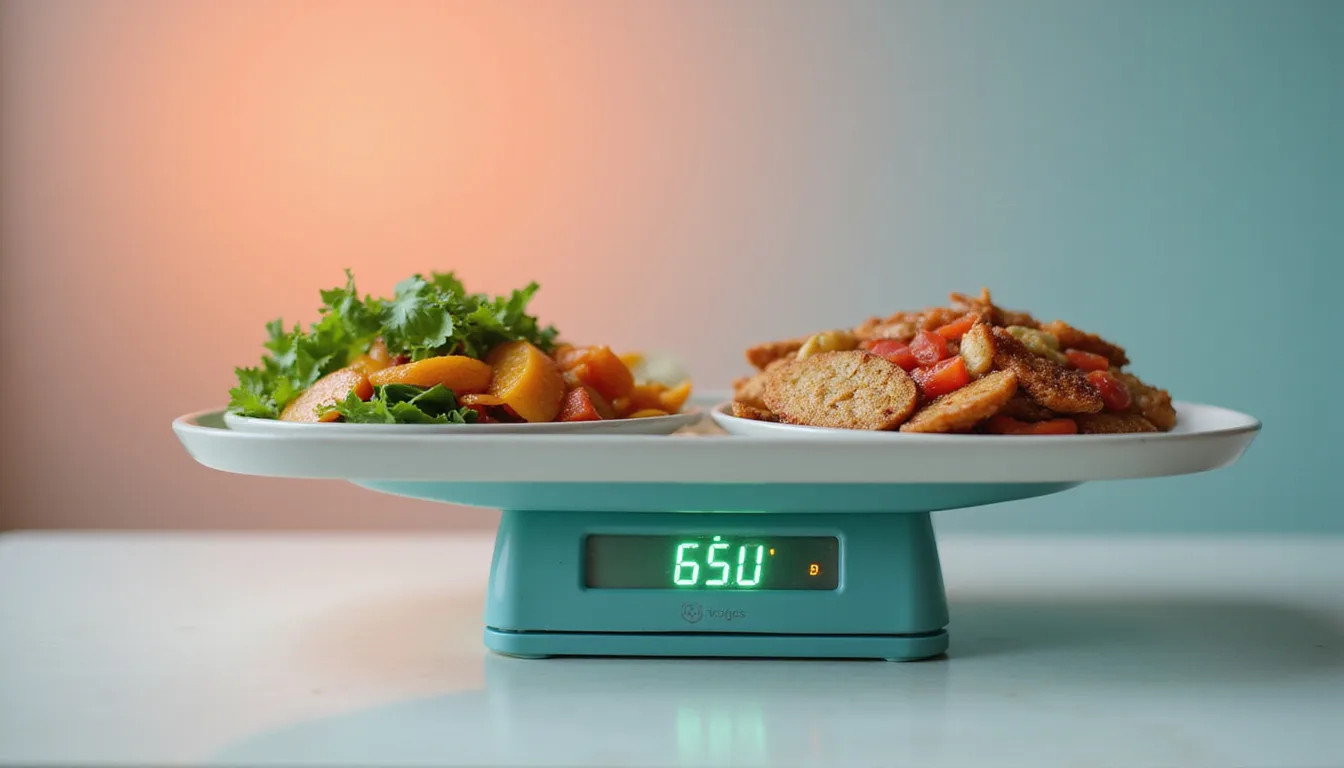
• Use smaller plates and bowls for calorie-dense foods.
• Pre-portion snacks into small containers instead of eating from a bag or box.
• Serve food in the kitchen, store leftovers, then sit down to eat.
Most people eat what is before them. Make the smaller amount the norm, and you will take in fewer calories without counting every gram.
2. Keep High-Calorie Foods at a Distance
You are more likely to eat what is easy to grab and see.
• Keep chips, cookies, and candy hidden or in hard-to-get places.
• Place fruits, yogurt, cut veggies, and low-calorie drinks where you can see them in the fridge.
• Do not leave snacks out on counters or desks.
You do not need to cut out the treats; just make them a choice you reach for, not something that finds you.
Precision Where It Counts: Focus on Your “Calorie Bombs”
You do not need to weigh every piece of lettuce. You gain the most benefit by tracking the largest sources of calories.
Find Your Personal Calorie Bombs
Track all you eat for 3–7 days in a calorie counting app. Then, look at your patterns:
- High-calorie drinks (soda, sugary coffee, juice, alcohol)
- Oils, butter, sauces, and spreads
- Frequent takeout, fast food, pastries, or desserts
- Large servings of calorie-dense foods like nuts, cheese, or avocado
These items are your main points of change. A small tweak here may drop many calories without a full diet change.
Simple Swaps for Big Calorie Savings
Make a small change rather than overhauling your whole menu:
- Swap one sugary drink daily for water, sparkling water, or a low-calorie soda.
- Ask for sauces and dressings on the side; use only half.
- Use a cooking spray or measure 1 tsp of oil when you cook.
- Change a pastry breakfast for Greek yogurt and fruit a few times a week.
These choices quietly reduce calories without making you feel on a strict diet all day.
Smart Calorie Counting: Do Not Track Everything Forever
In the long run, most do not wish to record every bite. The trick is to use calorie counting as a learning phase, then build habits and simple mental math.
Try a Short “Education Sprint”
For 2–4 weeks, you can:
- Weigh and measure most meals
- Log your foods in an app
- Notice which foods surprise you with their calorie counts
You soon learn:
- A true serving of cereal
- That oils, sauces, and nuts pack many calories
- That more protein and fiber bring lasting fullness on fewer calories
After this phase, you will have a sense of portions and can start estimating without exact counts.
Move From Detailed Tracking to Common “Templates”
Instead of logging daily forever, design a few meal templates that roughly fit your calorie range. For example:
• Breakfast:
- 1–2 whole eggs plus some egg whites
- 1 slice of whole-grain toast
- A serving of fruit
• Lunch:
- A palm-size portion of lean protein
- Vegetables that fill 1–2 clenched fists
- A cupped hand of carbs like rice, potatoes, or pasta
• Dinner:
- Much like lunch, plus a small treat if it fits your plan
Once you know the calorie count of your common meals, you can mix and match without strict tracking every day.
Let Your Calories Work Harder: Volume Eating 101
Not all meals with 500 calories feel the same. If hunger persists, it is hard to keep a calorie limit. Volume eating means you eat more food with fewer calories.
Pick High-Volume, Low-Calorie Foods
These foods are often full of water and fiber:
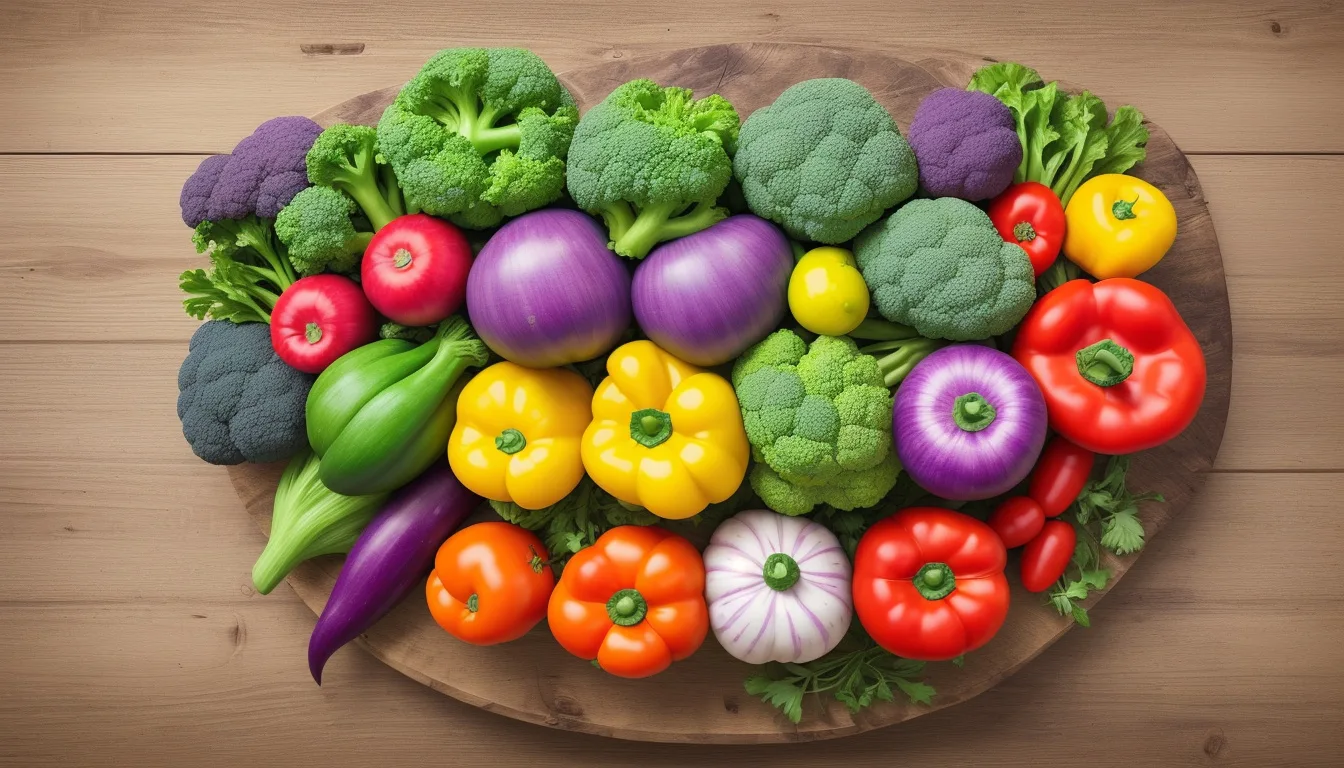
- Non-starchy vegetables: broccoli, cauliflower, zucchini, tomatoes, lettuce, peppers
- Most fruits: berries, apples, oranges, melon
- Broth-based soups
- Air-popped popcorn (with little butter or oil)
- Plain or lightly seasoned potatoes (not fried)
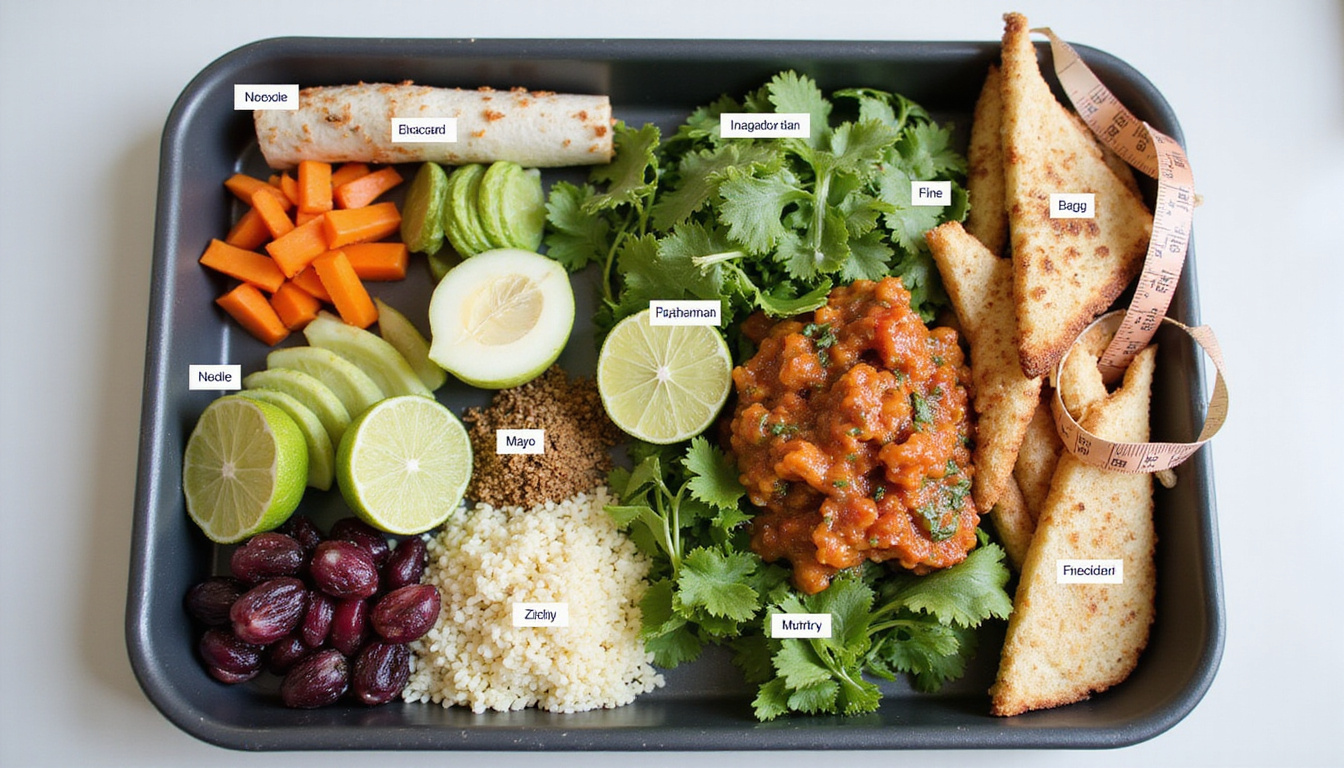
A plate with a large salad, a palm-size lean protein, and a simple carb often fills better than a small, dense portion of pasta with a heavy sauce.
Simple Volume Ideas
• Begin lunch or dinner with a vegetable soup or a big salad that has light dressing.
• Replace half the pasta or rice in a dish with extra vegetables (for example, zucchini noodles or cauliflower rice).
• Load up sandwiches and wraps with extra veggies to fill you up.
You are not just cutting calories; you are spreading them out better.
Protein: The Calorie Counting Cheat Code
Protein works in your favor when you manage calories. It keeps muscles while you lose fat, helps you feel full, and uses more energy to digest than fats or carbs.
Set a Simple Protein Target
A common guide is:
• Aim for 0.7 to 1.0 grams of protein per pound of your goal weight
(or about 1.6 to 2.2 grams per kilogram).
Protein-rich food ideas include:
- Chicken, turkey, lean beef, or fish
- Greek yogurt or cottage cheese
- Tofu, tempeh, or edamame
- Protein shakes or bars (look at labels for extra sugar)
Hit your protein need first, then fill the remaining calories with carbs and fats that you like. Many find that raising protein intake naturally cuts down overall calories by keeping hunger at bay.
Liquid Calories: The Ones That Hide
Liquid calories are easy to miss. Many do not count them.
Watch for:
- Sugary coffee drinks
- Regular soda, sweet tea, lemonade, or fruit juice
- Alcohol, especially mixed drinks
- “Healthy” smoothies with extra juice, nut butters, or sweeteners
Handle Liquid Calories Without Feeling Short
• Change some sugared coffee for black or Americano coffee, or use low-calorie sweeteners.
• Pick diet or zero-calorie drinks most times.
• If you enjoy alcohol, set a rule such as 2–4 drinks a week and include these in your weekly plan.
• Make smoothies mostly of fruits, veggies, and a protein source while skipping extra sugar or nut butter.
You do not have to cut every drink. Just be clear about what they add to your total.
Eating Out and Social Events Without Overspending Your Calories
Calorie counting does not force you to stay home. With a few flexible habits, you can manage your plan while still enjoying life.
Before You Go
• Check the restaurant’s nutrition info online, if you can.
• Pick roughly what you will order ahead of time.
• If you know the meal will be large, eat a higher-protein, low-calorie meal earlier in the day.
At the Restaurant
• Choose meals that are grilled, baked, or roasted instead of fried.
• Swap fries for a side salad or vegetables sometimes.
• Ask for sauces and dressings on the side.
• Stop when you feel satisfied, not overly full—pack leftovers to take home.
Do not stress over exact counts. Aim for a good enough guess and trust that steady habits work better than a perfect day.
One Steady Habit: Weekly Weight Averages
The scale can jump up or down day by day.
Water, salt, hormones, or food in your system can change the number.
To let calorie counting reflect true progress:
- Weigh yourself at the same time each day (for example, after a morning bathroom visit).
- Log your weight in an app, notes, or a simple chart.
- Compute a weekly average.
Then, compare week by week:
• An average drop of about 0.5–1.0% of body weight per week shows steady fat loss.
• No change for 2–3 weeks means you may need to lower calories or boost movement a bit.
• A faster gain may need a small calorie cut or more exercise.
This approach quiets the worry over daily shifts and shows clear feedback to guide changes.
Move More Without Fixating on “Calories Burned”
Exercise burns calories but also builds strength and boosts overall health. It helps shape your body by giving you more muscle and less “skinny fat.”
Simple Movement Goals
• Aim for 7,000–10,000 steps a day, increasing slowly.
• Do bodyweight or weight resistance training 2–4 times a week.
• Stay active during the day with stairs, walking meetings, or short stretching breaks.
You do not need to add back every calorie your app counts as burned. Those numbers are rough at best. Let your movement work with your calorie plan without causing confusion.
One Change at a Time: A Simple Action Plan
To avoid feeling overwhelmed, add one or two changes at once. Here is a step-by-step plan:
-
Week 1: Awareness
• Track all food and drink for 3–7 days without changing what you eat.
• Find your top 2–3 calorie-heavy items (for example, a fancy coffee, nightly desserts, or takeout). -
Week 2: Tweak the Big Items
• Cut or replace 1–2 liquid calories.
• Make a small change in one main meal (for example, add more protein at breakfast). -
Weeks 3–4: Add Structure
• Aim for a rough daily calorie target based on your goal.
• Try using simple meal templates with more protein and vegetables.
• Start weighing or measuring some foods to train your eye. -
After a Month: Refine, Not Restart
• Check your weekly weight averages and how your clothes fit.
• Adjust your calories by about 100–150 if needed.
• Begin moving from strict tracking to trusting your habits and estimates.
Small changes add up over time.
Quick-Reference: Calorie Counting Hacks List
• Use a rough, changeable calorie target—not a fixed number for life.
• Focus on tracking big, high-calorie items, not every single piece of food.
• Have a short, strict tracking phase; then move to common templates.
• Pick high-volume, low-calorie foods to keep you full.
• Hit a daily protein goal to maintain muscle while controlling hunger.
• Check liquid calories and alcohol; they add up fast.
• Plan ahead for restaurants and social events; do not aim for perfection.
• Track your weekly weight average instead of fretting over daily changes.
• Add daily movement and a few strength sessions a week.
• Change one or two habits at a time, not your whole routine.
FAQ: Common Questions About Calorie Counting
Q1: Is calorie counting needed for weight loss?
No. Calorie counting is one way to be aware of your portions. It is a clear, measurable method to adjust your intake. Many use it to learn, then switch to habits once they know their portions well.
Q2: How accurate must calorie tracking be?
It should be close enough, not perfect. Aim for being within 10–20% most of the time. Watch weekly trends like your weight, body measurements, and how your clothes feel. The goal is to be accurate enough to make smart choices.
Q3: Can calorie counting lead to too much stress or disordered eating?
For some, it may cause worry or stress. Signs include anxiety over untracked foods, guilt over small mistakes, or skipping social events because of food fears. If this happens, care for your well-being. Step back from strict counting and try to build flexible eating habits. Consider talking to a diet expert or therapist if needed.
Start Small Today: Your Body Answers Every Calorie Choice
You do not need a perfect diet or endless willpower. You do not need a detailed spreadsheet to change your body. What matters are small, consistent changes in your calorie choices:
• Slightly smaller portions of your highest-calorie items
• More protein and fiber at each meal
• Fewer unchecked liquid calories
• A daily step goal and a few weekly strength sessions
Pick one tip from this guide and try it today. When it feels easy, add another. In a few weeks or months, you will see that these small changes helped reshape your body and your view on food.
If you are ready to take control of your intake and want help with a simple, personalized plan, start now: write down what you eat today, guess your total calories, and choose one change for tomorrow. Your future starts with one better choice.
[center]Always consult with your doctor prior to making drastic diet changes.[/center]
[center]As an Amazon Affiliate, Savvy Keto makes a small commision (at no extra cost to you) on any purchases you make thru affiliated links you click on.[/center]