Following a vegetarian keto lifestyle can seem confusing at first. Low-carb methods use meat and cheese, while vegetarian ways use grains and legumes. With a good plan, you can enjoy a satisfying, nutrient-rich, meat-free keto menu that supports energy, weight control, and blood-sugar balance.
This guide gives you the basics and then shows a full 7-day vegetarian keto menu with tasty recipes, snack ideas, and smart tips to help you stick with it.
What Is Vegetarian Keto?

A vegetarian keto diet mixes two paths:
- Vegetarian: Excludes meat, poultry, and fish. You may include eggs and dairy if you choose.
- Ketogenic (keto): Uses very low carbs, a moderate amount of protein, and high fats. This mix moves your body to burn fat for fuel instead of sugar.
A typical keto breakdown is:
- Carbs: About 5–10% of the calories (usually 20–50 g net carbs/day)
- Protein: About 15–25% of the calories
- Fat: About 65–75% of the calories
On a vegetarian keto diet, you use:
- Non-starchy vegetables
- Eggs and dairy (if eaten)
- Nuts and seeds
- Healthy oils
- Low-carb plant proteins (tofu, tempeh, or certain meat substitutes)
Benefits of a Vegetarian Keto Lifestyle
A well-planned vegetarian keto diet can bring several benefits:
1. Blood Sugar and Insulin Control
A very low intake of carbs helps keep sugar levels stable and improves how the body uses insulin. This method may help people with insulin resistance or type 2 diabetes under proper care (source: Harvard T.H. Chan School of Public Health).
2. Appetite and Cravings
A diet higher in fat and protein fills you up faster than one high in carbs. Many people find they eat less and have fewer cravings on vegetarian keto.
3. Weight Management
The approach guides your body to burn fat rather than sugar. This aid, combined with an appropriate calorie count, helps many people shed fat.
4. Plant-Focused Nutrition
A vegetarian keto way of eating steers you toward vitamin-rich, fiber-rich plant foods such as leafy greens, broccoli, cauliflower, avocado, olives, nuts, and seeds.
Key Foods to Eat on a Vegetarian Keto Diet
To keep vegetarian keto both enjoyable and simple, build meals around these groups.
Low-Carb Vegetables (Non-Starchy)
Have 4–8 servings each day. Focus on:
- Leafy greens: spinach, kale, arugula, romaine
- Cruciferous: broccoli, cauliflower, Brussels sprouts, cabbage
- Others: zucchini, eggplant, asparagus, bell peppers, mushrooms, cucumbers
These vegetables bring fiber, vitamins, minerals, and bulk with few carbs.
Healthy Fats
Most calories come from fat. Use these sources:
- Oils: extra-virgin olive oil, avocado oil, coconut oil
- Whole foods: avocado, olives, coconut meat, coconut milk
- Nuts: macadamias, pecans, walnuts, almonds (in limited amounts)
- Seeds: chia, flax, hemp, pumpkin, sunflower
Vegetarian Protein Sources
Combine these to reach your protein goal:
- Eggs (if ovo-vegetarian)
- Dairy: Greek yogurt, cottage cheese, hard cheeses, paneer, full-fat plain yogurt
- Soy: tofu, tempeh, edamame (watch carb content)
- Other plant proteins: seitan (if gluten works for you), low-carb meat substitutes, and protein powders (pea, hemp, whey), choosing those with low carbs
Low-Carb Dairy (Optional)
If you include dairy, try:
- Heavy cream (for coffee or sauces)
- Sour cream
- Full-fat cheeses like cheddar, mozzarella, feta, or goat cheese
- Unsweetened Greek yogurt, which is high in protein and low in carbs
Foods to Limit or Avoid on Vegetarian Keto
Some foods can easily take you out of ketosis:
- Grains: rice, wheat, oats, quinoa, barley, corn
- Starchy vegetables: potatoes, sweet potatoes, yams, corn, peas
- Most fruits: bananas, apples, grapes, mango, and pineapple (a few berries may work)
- Legumes: beans, lentils, chickpeas (they have too many carbs)
- Sugars: table sugar, honey, maple syrup, agave, and fruit juices
- Ultra-processed meat substitutes with many carbs or fillers
Planning Your Vegetarian Keto Macros
You do not need to track forever, but a start helps.
-
Set your carb count
Many follow vegetarian keto with 20–40 g net carbs per day (net carbs equal total carbs minus fiber). -
Set your protein target
A common guide is:- 0.6–0.8 g protein per pound of your goal weight (1.3–1.8 g/kg)
For example, for a goal of 140 lb, aim for 85–110 g protein per day.
- 0.6–0.8 g protein per pound of your goal weight (1.3–1.8 g/kg)
-
Use fat for the rest
Once you know your carbs and protein, use fats (oils, nuts, seeds, avocado, dairy) to fill your calorie needs.
7-Day Vegetarian Keto Meal Plan (Ovo-Lacto)
Below is a sample 7-day plan. The portion sizes depend on your needs. Every meal is low in carbs and free of meat.
Day 1
Breakfast:
Spinach & Feta Egg Muffins
• Beat 2–3 eggs.
• Add spinach (chopped) and 2 tbsp crumbled feta.
• Bake in a muffin tin at 350°F (175°C) for 15–20 minutes.
Lunch:
Zucchini Noodles with Pesto
• Sauté spiralized zucchini in olive oil.
• Toss with a homemade pesto made of basil, pine nuts or walnuts, Parmesan, olive oil, and garlic.
Snack:
• Eat 10–12 macadamia nuts.
Dinner:
Crispy Tofu “Steak” with Garlic Butter Broccoli
• Slice firm tofu, press it, then pan-sear in coconut oil.
• Top with a garlic herb butter (mix butter, minced garlic, and parsley).
• Serve with steamed broccoli drizzled with olive oil.
Day 2
Breakfast:
Greek Yogurt Power Bowl
• Use ¾–1 cup full-fat Greek yogurt.
• Stir in 1 tbsp chia seeds and 1 tbsp crushed walnuts.
• Top with a few raspberries (if you track carbs).
Lunch:
Avocado Egg Salad Lettuce Wraps
• Chop boiled eggs and mix with avocado, mayo, celery, and mustard.
• Spoon into romaine or butter lettuce leaves.
Snack:
• Enjoy celery sticks with cream cheese.
Dinner:
Cauliflower “Risotto” with Mushrooms
• Sauté riced cauliflower in butter with garlic.
• Add mushrooms, a sprinkling of Parmesan, a splash of cream, salt, and pepper.
Day 3
Breakfast:
Mushroom & Cheese Omelet
• Beat 2–3 eggs.
• Sauté mushrooms and fold them with shredded cheddar into the omelet.
• Top with chives.
Lunch:
Halloumi & Veggie Skillet
• Pan-fry cubes of halloumi in olive oil.
• Add bell peppers, zucchini, and spinach.
• Season with oregano and a squeeze of lemon.
Snack:
• Pick a few olives and a small slice of cheese.
Dinner:
Eggplant Lasagna (No Noodles)
• Slice eggplant lengthwise and roast it.
• Layer with no-sugar marinara, ricotta, mozzarella, and basil.
• Bake until bubbly.
Day 4
Breakfast:
Chia Pudding
• Mix 3 tbsp chia seeds with ¾ cup unsweetened almond or coconut milk.
• Add stevia or erythritol to sweeten.
• Let it sit overnight and top with a few crushed pecans in the morning.
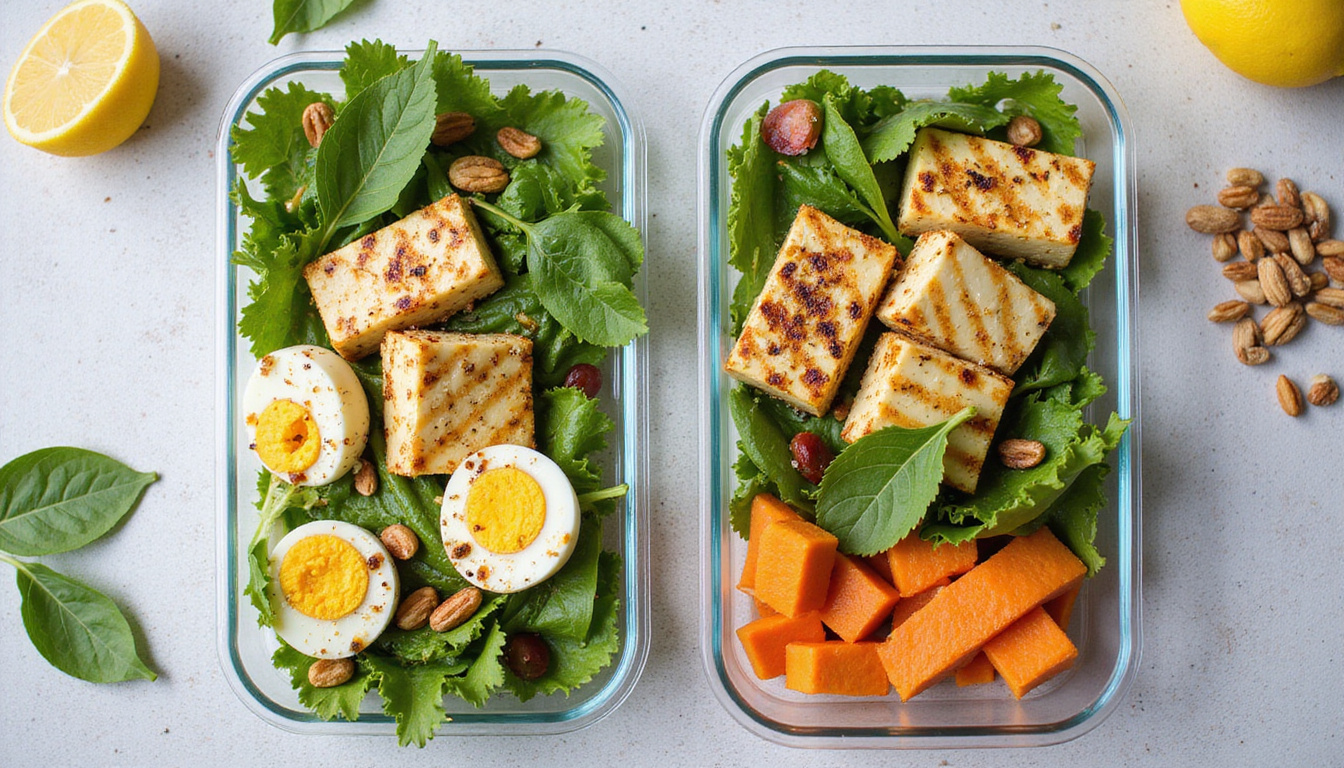
Lunch:
Keto Buddha Bowl
• Start with mixed leafy greens.
• Top with grilled tofu, avocado, cucumber, radish, and hemp seeds.
• Drizzle a dressing made from tahini, lemon, olive oil, salt, and pepper.
Snack:
• Eat ¼ cup pumpkin seeds.
Dinner:
Paneer Tikka with Cauliflower “Rice”
• Marinate paneer cubes in yogurt, turmeric, garam masala, ginger, and garlic.
• Bake or pan-fry the paneer.
• Serve over cauliflower rice mixed with butter.
Day 5
Breakfast:
Bulletproof-Style Coffee (Plus Protein)
• Blend coffee with 1 tbsp MCT oil and 1 tbsp butter or coconut oil.
• Accompany with 2 boiled eggs or a small serving of Greek yogurt.
Lunch:
Zesty Avocado & Feta Salad
• Combine avocado, cucumber, a few cherry tomatoes, red onion, feta, and olives.
• Drizzle with olive oil, a squeeze of lemon, and a pinch of oregano.
Snack:
• Enjoy cucumber slices with guacamole.
Dinner:
Zucchini Fritters with Sour Cream
• Grate zucchini and squeeze out extra moisture.
• Mix with an egg, Parmesan, and a little almond flour.
• Pan-fry in olive oil and serve with sour cream and a side salad.
Day 6
Breakfast:
Tofu Scramble
• Crumble firm tofu in a pan with turmeric, cumin, garlic, and nutritional yeast.
• Add spinach and peppers as you cook a bit more.
• Optionally, serve with a spoon of low-sugar salsa.
Lunch:
Broccoli Cheddar Soup
• Simmer broccoli in vegetable broth with cream.
• Blend part of the mixture for a thicker texture.
• Stir in shredded cheddar and adjust salt.
Snack:
• Spread 1–2 tbsp almond butter on celery sticks.
Dinner:
Portobello “Steak” with Creamed Spinach
• Brush Portobello caps with olive oil and grill or roast them.
• For creamed spinach, cook spinach in butter with minced garlic and mix in some cream cheese.
Day 7
Breakfast:
Keto Smoothie
• Blend unsweetened almond milk with a handful of spinach.
• Add 2 tbsp hemp seeds or a low-carb protein powder, 1 tbsp almond butter, and a few ice cubes.
Lunch:
Caprese Salad with a Twist
• Arrange fresh mozzarella, a small portion of tomatoes, avocado, and basil leaves.
• Drizzle with extra-virgin olive oil and a light splash of balsamic vinegar.
Snack:
• Eat a handful of walnuts.
Dinner:
Cauliflower Crust “Pizza”
• Prepare a crust from cauliflower mixed with an egg and cheese.
• Top with a low-carb tomato sauce, mozzarella, olives, spinach, and artichokes.
• Bake until the crust turns crisp.
Vegetarian Keto Recipes in More Detail
Below are a few basic recipes you can repeat and change during your week.
1. Basic Vegetarian Keto Pesto
Ingredients:
• 2 cups fresh basil leaves
• ½ cup olive oil
• ¼ cup nuts (pine nuts, walnuts, or almonds)
• ½ cup grated Parmesan
• 2 garlic cloves
• Salt and pepper to taste
Instructions:
- Put all the ingredients in a food processor.
- Blend until smooth; add extra olive oil if needed.
- Use this sauce over zucchini noodles, roasted veggies, or as a dip.
2. Crispy Baked Tofu
Ingredients:
• 1 block extra-firm tofu, pressed
• 1–2 tbsp olive or avocado oil
• 1–2 tbsp soy sauce or tamari (gluten-free)
• 1 tsp garlic powder
• 1 tsp smoked paprika
Instructions:
- Preheat your oven to 400°F (200°C).
- Cut pressed tofu into cubes or slices.
- Toss tofu with the oil, soy sauce, and spices.
- Spread tofu pieces on a parchment-lined sheet.
- Bake 25–30 minutes, turning halfway, until the edges become crisp and brown.
3. Simple Cauliflower Rice
Ingredients:
• 1 head of cauliflower, processed into rice-like pieces
• 1–2 tbsp butter or olive oil
• 1 garlic clove, minced
• Salt and pepper to taste
Instructions:
- Warm the butter or oil in a large pan over medium heat.
- Add the garlic and let its scent fill the pan for a short time.
- Stir in the cauliflower rice with salt and pepper.
- Cook for 5–7 minutes, stirring often, until the rice is tender but not mushy.
Snack and Dessert Ideas for Vegetarian Keto
For snacks that match vegetarian keto, mix fat, fiber, and a bit of protein.
Snack Ideas
• Cheese cubes with a few nuts
• Avocado with a pinch of salt, pepper, and chili flakes
• Seaweed with a light sprinkle of sesame seeds
• A small bowl of Greek yogurt mixed with chia seeds
Dessert Ideas (Occasional Treats)
• Chia pudding made with cocoa powder and a low-carb sweetener
• Keto cheesecake bites (using an almond flour crust and a cream cheese filling)
• Berries with whipped cream (watch your carb count)
Common Nutrient Gaps and How to Address Them
A narrow diet needs care with nutrients. On vegetarian keto, watch out for:
• Vitamin B12: Use fortified foods or take supplements if you avoid eggs and dairy.
• Iron: Plant iron is less easily absorbed. Eat spinach, pumpkin seeds, and tofu, and try to include foods rich in vitamin C with meals.
• Omega-3 Fats: Flax, chia, hemp, and walnuts provide ALA; you might also use an algae-based supplement for DHA/EPA.
• Electrolytes: Keto can make you lose sodium, potassium, and magnesium. Use mineral-rich salts, leafy greens, and nuts, or consider a supplement.
• Protein: Choose high-quality sources like eggs, dairy, tofu, and tempeh, and spread your protein over each meal.
It is best to talk with a healthcare provider or dietitian about supplements and tests if you stick with vegetarian keto for a long time.
Practical Tips for Succeeding with Vegetarian Keto
Changing to a vegetarian keto lifestyle is easier with some structure and prep.
-
Meal prep once or twice each week
• Cook large portions of tofu, cauliflower rice, and roasted vegetables.
• Prepare sauces like pesto, tahini dressing, and herb butter.
• Hard-boil eggs or portion Greek yogurt for quick breakfasts. -
Read labels carefully
Many packaged vegetarian foods include extra sugars, starches (corn, potato, tapioca), or grain fillers.
Check for simple ingredients and low net carbs. -
Keep your kitchen stocked
Make it simpler by storing:
• Frozen cauliflower rice, broccoli, and spinach
• Canned olives and artichokes
• Nuts, seeds, and nut butters
• Cheese and eggs (if used)
• Unsweetened coconut milk or almond milk -
Stay flexible with carbs if needed
Some vegetarians do well with a few more carbs, perhaps around 30–50 g net carbs daily, while still getting many benefits. Try different amounts to find what suits you.
Vegetarian Keto FAQ
-
Is a vegetarian keto diet healthy long term?
A vegetarian ketogenic diet can work well over time if you plan it to get a good mix of protein, healthy fats, and micronutrients. Keep an eye on vitamin B12, iron, omega-3, and electrolytes. Regular checks with your healthcare provider help. -
Can you do keto if you are a vegetarian and do not eat eggs?
Yes. An egg-free vegetarian keto plan is possible, though it may take more care. Use tofu, tempeh, low-carb meat substitutes, full-fat dairy (if acceptable), nuts, seeds, and low-carb protein powders (from pea or hemp) to meet your needs. -
What can I eat on a vegetarian keto diet when dining out?
When you eat out, choose:
• Salads with cheese, avocado, nuts, and olive oil dressing (skip croutons)
• Veggie omelets or scrambles (avoid potatoes or toast)
• Bunless veggie burgers (check the patty for carbs) with extra salad
• Indian dishes like paneer tikka (skip rice and naan)
• Italian dishes like eggplant parm (avoid heavy breading) with a side salad
Ask the restaurant about any hidden sugars, flours, or starches in dressings or sauces.
Start Your Vegetarian Keto Journey Today
A vegetarian keto lifestyle does not mean dull salads or endless cheese options. With a mix of low-carb vegetables, good plant-based fats, and smart vegetarian proteins, you can follow a way of eating that supports your health, tastes great, and fits your values.
Use the 7-day menu and recipes in this guide as your starting point. Then, make changes as you like: swap ingredients, rotate your favorite dishes, and try new tastes from different kitchens.
Pick one day from the plan and try it this week. Build up to a full week and more. If you need a plan that fits your goals and health needs, talk with a nutrition professional about personal tips, macros, and menus.
Start today with one vegetarian keto meal—and take your first step toward a simple, satisfying, meat-free low-carb lifestyle.
[center]Always consult with your doctor prior to making drastic diet changes.[/center]
[center]As an Amazon Affiliate, Savvy Keto makes a small commision (at no extra cost to you) on any purchases you make thru affiliated links you click on.[/center]