
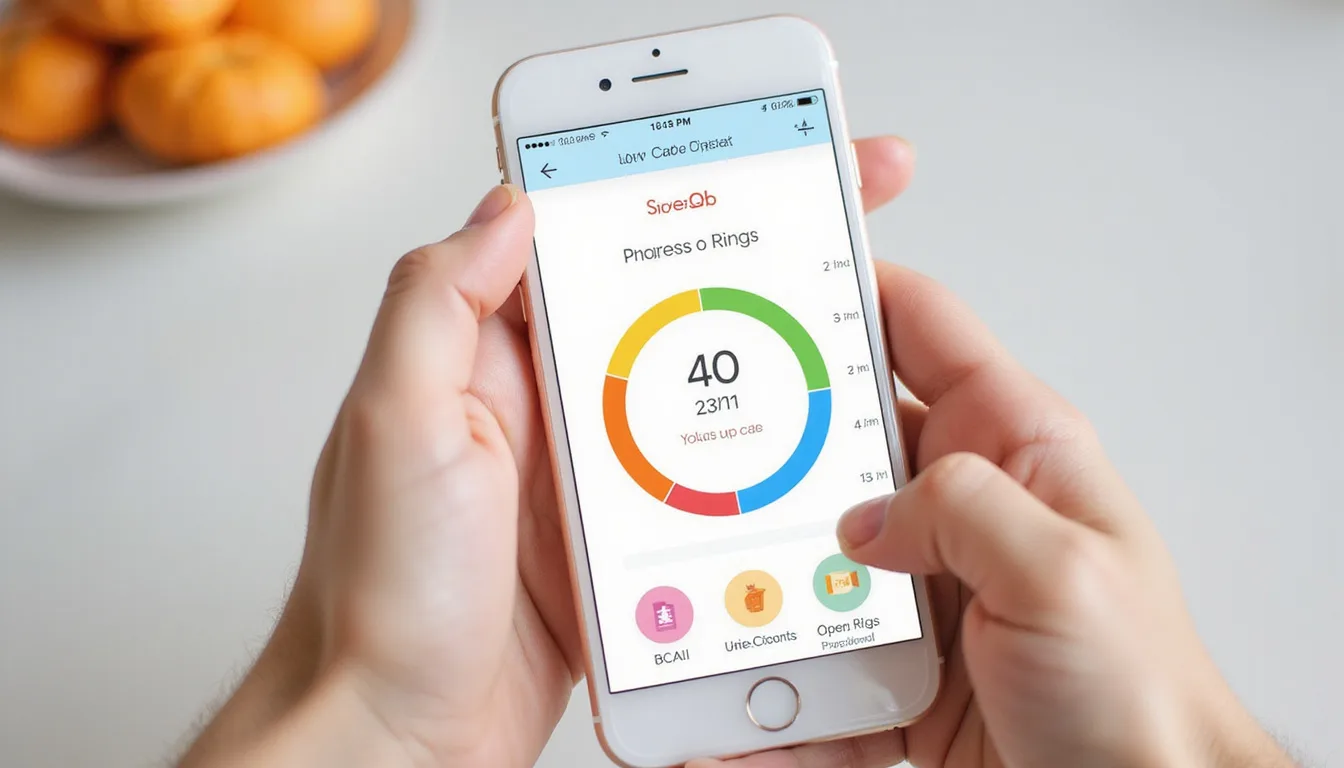
Using a low carb tracker can mean the difference between guessing your way through a diet and moving confidently toward your goal. You may follow keto, Atkins, or another low-carbohydrate plan. Tracking your carbs keeps you in the right range for fat loss, energy, and health. Many people stop tracking because it feels confusing, takes too long, or seems too strict.
This guide shows you how to use a low carb tracker in a simple, steady, and effective way—so you stick with it and see results.
Why Tracking Carbs Matters More Than You Think

Low-carb and keto diets work by cutting down on carbohydrates so your body uses fat for fuel. "Low carb" is a range you can measure.
If you do not track, you might:
- Eat more carbs than you think (sauces, drinks, snacks)
- Under-eat, feel low, and then binge
- Stall in weight loss with no clear reason
A low carb tracker gives you:
- Clear data instead of wild guesses
- A plain view of what helps or hurts your progress
- A method to adjust your plan in small, smart moves
Studies show that tracking food intake by yourself—using a digital tool—can lead to better weight-loss results and help keep the weight off (source: CDC).
What Is a Low Carb Tracker, Exactly?
A low carb tracker is any system—an app, spreadsheet, notebook, or device—that helps you:
- Write down the foods you eat
- See total carbohydrates or net carbs
- Compare your totals with your daily carb goal
- Record related data (calories, protein, weight, steps, mood, etc.)
The best tracker is the one you use all the time. This could be a neat smartphone app or a simple pen-and-paper checklist on your fridge.
Choosing the Right Low Carb Tracker for Your Lifestyle
Do not download the very first app you see. Your low carb tracker should match your habits and taste.
1. App-Based Low Carb Trackers
Great if you like ease, automation, and quick data.
• Large food databases and barcode scanners
• Automatic counting of carbs, net carbs, macros, and calories
• Easy to change goals and see trends over time
• Many link with scales and fitness devices
Some points to note:
• May seem heavy at first
• Risk of focusing too much on numbers
• Free versions have ads or fewer features
Look for tools that:
• Let you set personal daily carb goals
• Count net carbs (total carbs minus fiber and some sugar alcohols)
• Offer quick-add or “favorites” for meals you eat often
• Work without internet sometimes
2. Spreadsheet or Template Trackers
Good for those who want more control and a simple way to see data.
• Columns that you fully set up (total carbs, net carbs, fiber, etc.)
• Easy to copy meals and reuse entries
• You own the data and can back it up anywhere
Some points to note:
• You enter data by hand and must set it up
• Less practical on the go unless you use your phone
You can include columns like:
• Date
• Meal (Breakfast, Lunch, Dinner, Snack)
• Food Item
• Serving Size
• Total Carbs
• Fiber
• Net Carbs
• Notes (hunger, cravings, mood)
3. Paper-Based Low Carb Trackers
Best if you get overwhelmed by screens or prefer writing by hand.
• Simple; no login, updates, or tech issues
• Hand writing can boost awareness
• Easy to add personal notes or thoughts
Some points to note:
• No automatic carb counting
• More work to check nutrition info
• Harder to see long‑term trends fast
If you choose paper, write your daily carb goal at the top of each page and keep a small carb reference list in the back.
Setting an Effective Carb Target for Weight Loss
A low carb tracker is as good as the goal you set. Saying “lower carb” may not be low enough for what you want.
Common low‑carb ranges for weight loss:
• Moderate low carb: 75–130 g/day
• Low carb: 50–75 g/day
• Very low carb / Keto: 20–50 g/day (often 20–30 g net carbs)
You choose a range based on:
• Your current carb intake (do not jump from 300 g to 20 g suddenly)
• How active you are (more active people may need more)
• Health issues (for example, diabetes—check with your doctor)
• What you like and can handle
A simple plan:
• Track your average carb intake for 3–5 days.
• Cut that number by about 25–30% and hold this for 1–2 weeks.
• Lower it again if needed and if you feel good.
Your tracker will show if you meet your goal, so you can change portion sizes without wild guessing.
How to Use a Low Carb Tracker Without Getting Overwhelmed
Many people stop tracking because they try to be perfect from the start. It is better to build the habit in steps.
Step 1: Track Before You Change Anything
For 3–5 days, write down your food exactly as you normally eat.
• Do not start a diet yet
• Do not judge yourself
• Just see what happens
This way you learn:
• Your true background of carb intake
• The hidden sources of extra carbs
• A real start to improve from
Step 2: Start With One Meal at a Time
If tracking all meals feels hard:
• Track only dinner for 3–4 days.
• Then add lunch.
• Finally add breakfast and snacks.
This builds your confidence and keeps your tracker simple.
Step 3: Pre-Log Foods When You Can
A trick to easier tracking is to plan ahead.
• In the morning (or the night before), write down what you plan to eat.
• Change your log during the day if you swap a meal.
This plan helps you:
• See your carb total before you eat
• Keep a carb "budget" to avoid surprises
• Lower the chance of extra, high-carb foods
Understanding Carbs: Total vs. Net Carbs
When you use a low carb tracker, you may see two numbers: total carbs and, in many apps, net carbs.
• Total carbs mean all the carbs in a food (sugar, starch, fiber, and sugar alcohols)
• Fiber is the part of carbohydrates your body does not break down
• Net carbs come by taking total carbs and subtracting fiber (and sometimes certain sugar alcohols)
You can think of it like this:
Net Carbs = Total Carbs – Fiber – (some sugar alcohols)
Some low-carb or keto plans focus on tracking net carbs because fiber does not raise blood sugar and helps with digestion and fullness.
Your choice:
• If you want strict control and a simple count, track total carbs.
• If you want more room with vegetables and fiber-rich foods, track net carbs.
Make sure your tracker shows clearly which one you are following and stick with it.
Key Metrics Your Low Carb Tracker Should Show
While carbs are the main number, a good tracker lets you see a broader view. Over time, these numbers help guide you:

• Daily total carbs / net carbs: Are you close to your target?
• Protein intake: Are you getting enough to protect your muscles and keep hunger low? (Many aim for 0.7–1.0 g per pound of target weight.)
• Calories: Low carb plans can lower hunger, but the total count still guides weight loss.
• Fiber: Helps with digestion and feeling full.
• Weight trend: Look at the overall trend, not just one day.
• Other factors: Energy, sleep, cravings, and hunger notes
Check these numbers once or twice per week. They help you make small changes without stressing over every bite.
Common Mistakes When Using a Low Carb Tracker
Even with a good tool, some habits may slow your progress or stress you out.
1. Only Recording Carbs, Leaving Out Calories
It is possible to stay low carb while eating too many calories in foods like nuts, cheese, oils, or low-carb treats. A tracker can show if total intake is too high.
2. Missing Hidden Carbs
Common hidden carb sources:
• Coffee drinks (from creamers, syrups, and “skinny” versions)
• Sauces (such as BBQ, ketchup, teriyaki)
• Snacks that seem healthy (like granola, protein bars, or trail mix)
• “Sugar-free” foods with sugar alcohols that still add up
A low carb tracker makes these clear if you enter them honestly.
3. Constant “Do-Overs”
If you log perfectly until one off-meal, then erase the day, you lose valuable data. Log everything, even on off days, and you will learn the most.
4. Overly Detailed Tracking
Measuring every small item is not needed. Focus on these foods:
• Dense items like nuts, oils, cheese, or desserts need precise entry.
• Items like leafy greens or other low-impact foods can be estimated.
A Simple Daily Flow for Using Your Low Carb Tracker
To keep tracking natural and not a burden, use a clear daily routine:
-
Morning (2–3 minutes)
• Open your tracker.
• Pre-log breakfast and lunch.
• Plan dinner roughly based on what you have. -
During the day (1–2 minutes per meal)
• Log what you actually eat.
• Adjust portion sizes if needed. -
Evening (3–5 minutes)
• Log dinner and snacks.
• Compare your daily carb total with your goal.
• Add one or two notes about how you feel.
Over a week, you can see which meals make you feel full, which foods trigger cravings, and which carb level fits you best.
Low-Carb Food Ideas That Make Tracking Easier
A great side of a low carb tracker is learning which foods fit your daily carb budget with ease.
Here are meal ideas that are simple to track:
• Breakfast
- Scrambled eggs with spinach and cheese
- Greek yogurt (unsweetened) with a few berries and chia seeds
- An omelet with mushrooms, peppers, and bacon or turkey
• Lunch
- A grilled chicken salad with olive oil and vinegar
- Lettuce wraps with burgers, cheese, and avocado
- Tuna salad stuffed in bell peppers
• Dinner
- Baked salmon with asparagus and a side salad
- Steak with roasted broccoli and butter
- Stir-fried vegetables with shrimp or tofu in a light sauce
• Snacks
- String cheese or cheese cubes
- A pre‑measured handful of nuts
- Celery with cream cheese or nut butter
- Hard-boiled eggs
Use simple and repeated meals to make tracking easier. Many apps let you save or copy common meals with one tap.
Example: One Week With a Low Carb Tracker
See a simple 7‑day plan in practice:
-
Day 1–2: Baseline
• Track your usual eating without changing anything.
• Note your average carb intake (for example, 220 g/day). -
Day 3–4: First Target
• Set a goal of about 150 g carbs/day.
• Use your tracker to swap high-carb foods (like sugary drinks or pastries) with lower-carb ones. -
Day 5–7: Fine-Tuning
• If you do well at 150 g, further reduce to 100–120 g/day.
• Add more protein to each meal to keep you full.
• Check your weekly average and your feelings.
Repeat this plan weekly and you will find your ideal carb range that helps with steady weight loss without feeling extreme.
Benefits Beyond the Scale
When you use a low carb tracker in a balanced and real way, it does more than help with weight loss:
• It builds a better view of your eating habits
• It supports steadier blood sugar and fewer energy drops
• It cuts down on careless snacking through clear planning
• It builds your confidence as you see progress in your data
The skills you learn can work for you even if you stop tracking every day.
Quick Checklist: Features of a Great Low Carb Tracker
Use this list to see if your tool is right for you:
[ ] Lets you set a custom daily carb goal
[ ] Tracks net carbs or at least shows total carbs and fiber
[ ] Makes it easy to log frequent meals (favorites, copy-paste, templates)
[ ] Shows daily and weekly averages
[ ] Allows you to add notes for hunger, mood, and cravings
[ ] Feels simple enough to use in under 5 minutes/day
If your current tracker does not meet many of these, think about changing or modifying it. The right tool should make life simpler.
FAQ: Common Questions About Low Carb Trackers
1. Do I need a low carb macro tracker or is carb tracking enough?
For many beginners, tracking only carbs is a good start. As you go forward or hit a stall, adding macros (protein, fat, and carbs) gives you more control. A low carb macro tracker helps you:
• Keep your carbs within your target
• Get enough protein
• Avoid too many high-fat, calorie-rich foods
Try tracking all macros for 1–2 weeks if you face a stall.
2. What is the best low carb diet tracker for beginners?
The best tracker is the one you can use every day for at least 30 days. Look for:
• A clear, simple interface
• Barcode scanning for fast entries
• A clear view of net carb totals
• Quick meal entry
Popular general food tracking apps work well if you set carb goals and adjust the view. Some prefer tools made for low carb or keto because they show net carbs by default and share recipe ideas.
3. How accurate is a low carb food tracker, really?
No tracker is 100% perfect because:
• Nutrition labels may round numbers
• Restaurant meals can vary in portion and recipe
• Your measurements might not be exact
An accuracy of within 5–10% is enough to see patterns and progress. To improve:
• Weigh dense foods (nuts, cheese, oils) when you can
• Save and re-use common meals for consistency
• Be honest about your portions
Remember: consistency beats perfection. Look for trends over time rather than exact numbers.
Take Control of Your Results With a Low Carb Tracker
Weight loss on a low‑carb plan becomes much easier when you stop guessing. A low carb tracker shows you exactly how many carbs you eat, how your body responds, and what to tweak when you do not see results.
You do not need to stress over every gram. You need a simple, steady system that fits your life:
• Pick a method (app, spreadsheet, or paper) that you can use every day.
• Set a realistic carb target and adjust it based on your data and how you feel.
• Use your tracker daily for a few minutes and focus on progress, not perfection.
If you are ready to get more out of your low-carb plan and see steady progress, stop guessing and start tracking.
Pick your low carb tracker today. Use it for the next 14 days and let your numbers guide you. In two weeks, you will know more about your body, your habits, and the changes that bring you closer to your goal.
[center]Always consult with your doctor prior to making drastic diet changes.[/center]
[center]As an Amazon Affiliate, Savvy Keto makes a small commision (at no extra cost to you) on any purchases you make thru affiliated links you click on.[/center]