
Improving your body composition—the balance between fat and lean mass—is more effective than simply "losing weight."
Two people may have the same weight, yet they feel and appear very different because muscle and fat connect tightly.
If you aim for a lean, strong, and healthy look that works well and moves with ease, focus on body composition.
Below are 10 habits you can apply day after day to shape your best physique and keep it over time.
What body composition means (and why it beats the scale)

Body composition tells you how your body holds:
- Lean mass: muscles, bones, organs, water, and connections
- Fat mass: fat needed for health and extra stored fat
This view differs from tracking body weight, which groups all parts together.
When you only see the scale, you might:
- Lose muscle and still think you have made progress
- Gain muscle and worry when the number is higher
Keeping your focus on body composition instead of just weight shifts your aim from being "smaller at all costs" to being "leaner, stronger, and healthier."
Studies show that more lean mass together with moderate fat levels link to a better metabolism, steadier insulin response, stronger bones, and lower risk of long-term disease (source: National Institutes of Health).
Habit 1: Make protein a priority at every meal
When it comes to nutrition for a fitter body, the habit of eating enough protein is key.
Why protein matters for body composition
- Builds and keeps muscle: This is true, especially when you eat less overall
- Helps recovery: Muscles repair and grow when you rest well
- Keeps you feeling full: Feeling full naturally helps you eat less
- Uses more calories in digestion: Protein burns more energy when processed
How much protein you need
A good range for most people who move a lot and want a better body balance:
- 1.6–2.2 g per kg of body weight each day
- Example: A person of 70 kg needs about 110–155 g of protein daily
Make protein a simple habit
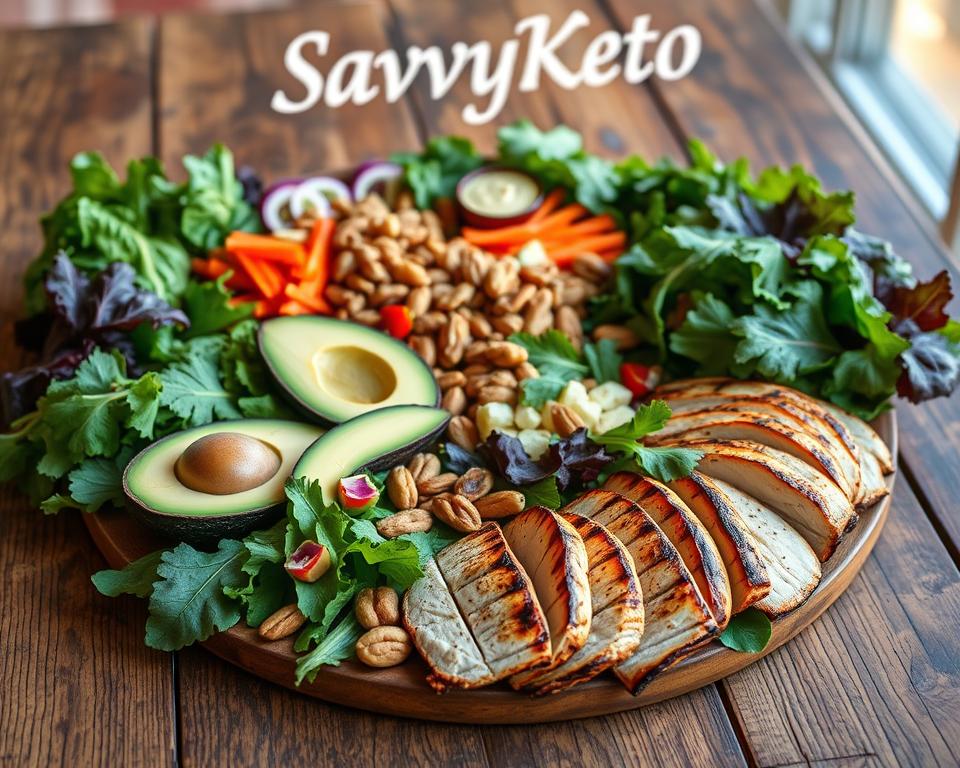
- Center your plate with lean protein: chicken, turkey, fish, eggs, Greek yogurt, cottage cheese, tofu, lentils
- Aim for 20–40 g of protein at each main meal
- Use protein shakes when you need a quick boost instead of a full meal
Habit 2: Strength train at least 3 times per week
If body composition is your goal, strength training is the path to it.
Why lifting lifts body composition beyond endless cardio
- Builds lean mass: More muscle helps you look and move better
- Improves how your body stores energy: Carbs go to muscles (as energy) and not fat
- Protects muscle in a calorie drop: With weight loss, exercise tells the body to keep muscle
Aim for:
- 3–5 sessions a week
- 45–75 minutes per session that cover major body movements
Build your workout on strong, basic lifts
Focus on these movement types:
- Squat (back squat, front squat, leg press)
- Hinge (deadlifts, hip thrusts, Romanian deadlifts)
- Push (bench press, push-ups, overhead press)
- Pull (rows, pull-ups, pulldowns)
- Carry/Core (farmer’s carries, planks, anti-rotation work)
You do not need complex routines. You need progressive overload—slowly asking more from your muscles over time.
Habit 3: Create a small, lasting calorie deficit
When you want to lose fat, you must burn more calories than you eat.
Yet, how big that gap is changes your body makeup.
Finding the right balance
-
Too harsh a deficit (crash diets):
- Can lose both muscle and fat
- Leave you feeling weak and hungry
- May lead to overeating and rebound weight gain
-
A gentle deficit:
- About 300–500 calories under maintenance
- Provides more energy, better performance, and keeps muscle safe
Find your maintenance calories with an online tool, then remove around 15–20% to set off.
Check every 2–3 weeks using:
- Your training strength
- How hungry and energetic you feel
- Weekly weight trends
- Visible changes in muscle and fat
Habit 4: Lift a bit more over time
Muscle building and a good body balance need change in your workouts.
What progressive overload means
You ask more from your body so it gives more back.
You can ask more by:
- Using a bit more weight
- Doing a few more reps with the same weight
- Adding an extra set
- Cutting rest time in small steps
- Slowing your tempo (for example, take 3 seconds on the lowering part)
A simple idea is:
If you do 2 extra reps than planned on the last set for two sessions in a row, try a slight increase in weight next time.
This steady challenge tells your body to keep and add lean mass, so your body composition improves even when the scale seems unchanged.
Habit 5: Anchor your day with good sleep
Sleep is one of the least celebrated tools for a better body composition.

How sleep connects with your look
Poor sleep can:
- Raise hunger signals while lowering signals for feeling full
- Spark a wish for sugary or fatty snacks
- Disrupt how your body handles insulin, which makes fat loss tougher
- Reduce your training power and slow recovery
Aim for:
- 7–9 hours of good sleep each night
- A regular bedtime and wake time, even on off days
Simple ways to improve sleep:
- Turn down lights and screens 60 minutes before bed
- Keep your room cool and dark
- Skip heavy meals and tense talks before sleeping
- Set a pre-sleep routine: reading, light stretching, or smooth breathing
Better sleep creates a better balance for your body.
Habit 6: Eat mostly whole, simple foods
Calories and macros matter, but the quality of your food changes how you feel full, how you train, and how well you manage your calorie gap.
How whole foods work for your body makeup
- Help you feel full sooner on fewer calories
- Supply more small vitamins and minerals that keep you in balance
- Give more natural fiber that aids digestion and blood sugar control
- Tend to have fewer calories per bite than very processed foods
Center your meals on:
- Lean proteins: chicken, fish, eggs, Greek yogurt, legumes
- Bright vegetables: broccoli, peppers, spinach, carrots
- Whole fruits: berries, apples, oranges
- Whole grains: oats, quinoa, brown rice, whole-grain bread
- Healthy fats: olive oil, avocado, nuts, seeds
You need not be perfect. Try to have:
- 80–90% of your calories come from whole or simply processed foods
- The remaining 10–20% from extra treats you enjoy, while still keeping your numbers in check
Habit 7: Use daily movement outside the gym
Non-Exercise Activity Thermogenesis (NEAT) is all the movement that happens outside a workout:
- Walking
- Standing more instead of sitting
- Taking stairs
- Doing house or yard work
- Even small fidget moves or daily chores
For body shape balance, NEAT helps by:
- Burning many extra calories each day
- Being low stress and easy on your body
- Not sparking as much hunger as long, intense cardio might
Everyday ways to boost NEAT:
- Aim for 7,000–10,000 steps each day (start slowly if needed)
- Take 5–10 minute walks after meals
- Stand up every hour if you work at a desk
- Park at the far side of the lot or use stairs
These steady, small moves simplify the process of shaping a lean body without losing muscle.
Habit 8: Plan your meals ahead of time
Nobody shapes their body by chance. You may not need a strict plan, but a basic structure helps.
A simple way to plan meals
Build your main meal as follows:
- 1–2 palms of protein
- 1–2 fists of vegetables
- 1–2 cupped hands of carbs (adjust by how active you are)
- 1–2 thumbs of healthy fats
Tips to keep on track:
- Prepare meals 2–3 days at once by cooking proteins and carbs in larger batches
- Keep backup choices in your freezer or cupboard (frozen veggies, canned beans or tuna, rice pouches that warm quickly)
- Plan your next day’s food in an app or list if you find that helpful
Planning cuts down on last-minute choices and stays true to your body balance aims, even on busy days.
Habit 9: Look at progress from more points than a scale
Because body composition connects fat and muscle, you need more clues than just weight.
Several ways to track change
- Progress photos: Use the same light, time of day, and poses every 2–4 weeks
- Measurements: Check waist, hips, thighs, chest, and arms
- Strength numbers: Are your main lifts getting stronger?
- How your clothes fit: A looser waist or a tighter sleeve can show muscle gain
- Everyday signs: Energy levels, sleep, mood, and how you feel confident
The scale still tells a part of the story, but look at overall trends instead of daily ups and downs. Water, salt, hormones, and digestion can change the number day to day.
With several checks, you can see the true path of your body composition changes.
Habit 10: Stick with it for months and years, not weeks
A major idea is to see that a great body shape is not a quick fix.
It turns into a long-term way of life.
What real progress can look like
If you train hard, eat well, and have good sleep:
- New lifters may gain 1–1.5 kg (2–3 lbs) of muscle each month
- Those with training experience might add 0.25–0.75 kg (0.5–1.5 lbs) each month
- Fat loss at about 0.5–1% of your body weight per week is a steady aim
You will move through phases:
- Phases to lose fat (with a mild calorie gap)
- Phases to hold steady (to rest and rebuild)
- Phases to add muscle (with a slight calorie surplus or balance)
The body transformation you see in the people you admire did not build overnight.
They built small habits and let them grow over time.
Putting it all together: A sample weekly guide
Here is one plan to mix these habits into a week that suits body composition goals.
Training and movement
-
3–4 days of strength work
- For example:
- Day 1: Lower body with a focus on squats
- Day 2: Upper body with pressing moves
- Day 3: Lower body that uses hinges
- Day 4: Upper body with pulling moves and extra work
- For example:
-
Daily NEAT
- Aim for 7,000–10,000 steps
- Take short walks after meals when you can
Nutrition
- Eat enough protein at every meal to hit daily targets
- Stick mainly to whole foods and keep meal times steady
- Use a small calorie gap if your goal is fat loss, or aim for balance if recomposing
Recovery and lifestyle
- Enjoy 7–9 hours of sleep every night
- Keep bed and wake times close each day
- Use small methods to lower stress (breathing, light stretching, writing your thoughts)
Quick checklist: 10 daily & weekly habits for a better body composition
Use this list as a short reminder:
- Meet your protein goal (1.6–2.2 g/kg body weight)
- Strength train 3–5 times a week with a steady increase in challenge
- Keep a small calorie gap if you are working to lose fat
- Base most meals on whole, simply processed foods
- Aim for 7,000–10,000 steps every day
- Get 7–9 hours of sleep each night
- Drink enough water and cut down on extra sugary drinks
- Plan meals or at least decide your protein sources ahead of time
- Track progress with photos, measurements, and strength gains instead of only the scale
- Stick with long-term habits, not a quick fix
You do not need to master all 10 at once. Start with one or two, let them become part of your day, then add others slowly.
FAQ: Answering body composition questions
1. What is the best way to adjust body composition without losing muscle?
To change your body makeup and keep muscle, mix a small calorie gap, enough protein, and regular strength training. Avoid harsh diets, care for rest and sleep, and keep track of your strength gains.
2. Can you change body composition (lose fat and gain muscle at the same time)?
Yes, body recomposition happens, especially if you are new to lifting, coming back after a break, or have not trained much before. Focus on high protein, steady strength work, and keep your calories at balance or with a very slight gap. Over time, you can become leaner and more muscular while the scale may not change much.
3. How do you get a good measure of body fat?
To track how much fat and muscle you have, use several methods rather than trusting one number:
- DEXA scans and Bod Pod tests are more exact but are not easy to get
- Skinfold tests work when done by a good technician
- Bioelectrical scales are convenient but can be off sometimes
Mix any of these with photos, measurements, and strength gains to see a better picture of your body change.
Your body composition breakthrough begins now
Building your best body does not need perfect genetics, a top trainer, or extreme diets.
It needs a small set of strong habits, applied day after day:
- Eat enough protein and choose whole foods most times
- Work out with purpose and push your muscles
- Move more in everyday life
- Take care of your sleep and time to rest
- Track your progress from several angles and play the long game
Focus on body composition instead of a number on the scale.
When you do this, the results will start to show in how you feel and look.
If you are ready to turn these ideas into your own clear guide, start today: pick one strength habit and one nutrition habit from this guide and follow them for the next 14 days. Once they feel natural, add another step. This is how you not only improve your body composition—but keep it for life.
[center]Always consult with your doctor prior to making drastic diet changes.[/center]
[center]As an Amazon Affiliate, Savvy Keto makes a small commision (at no extra cost to you) on any purchases you make thru affiliated links you click on.[/center]