
Carb Timing Strategies to Boost Energy, Performance, and Fat Loss
Carb timing is a simple idea that pairs carbs with the right time. It helps your body use food when it needs energy and repair. You do not have to cut all carbs or count each gram. Use carb timing to put most carbs at moments when your body is ready to use them. This plan works for energy, workout gains, and fat loss.
In this guide, you learn what carb timing is, how it works, and how to plan carbs around your day and workouts.
What Is Carb Timing?

Carb timing means you eat carbs at set times in the day. You often eat them when you move your body. This plan helps in three ways:
- It boosts workout strength.
- It aids muscle repair and growth.
- It helps control hunger and blood sugar.
The idea is not “carbs are bad” or “carbs are good.” The chain of words is simple:
- When you move, your body burns carbs well.
- When you rest, you need fewer carbs, especially fast ones.
This plan still follows the rule that all calories and protein matter. But placing your carbs at the right times gives you an edge if you want both strength and a better look.
How Carb Timing Works in Your Body
Carb timing works by changing how your body uses food. Here is a look at the steps:
1. Carbs, Blood Sugar, and Insulin
When you eat carbs, they break into glucose. Glucose then enters your blood. Your body sends insulin to help move the glucose into cells for energy or storage.
- After a workout, your muscles catch glucose fast and store it as glycogen.
- When you rest and eat too much, extra glucose may turn to fat.
The plan uses insulin spikes near training and in the morning. It cuts excess spikes when you are not active.
2. Muscle Glycogen and Performance
Muscles keep glycogen to power your moves. When glycogen is low:
- Workouts slow down.
- You have less power.
- You get tired sooner.
Placing carbs near workouts helps keep muscle glycogen high. Many athletes stick to a carb schedule to keep their performance up.
3. Hormones, Appetite, and Energy
Eating carbs affects key signals:
- Leptin tells you when you are full.
- Ghrelin tells you when you are hungry.
- Cortisol links stress with food use.
- Sleep and mood join the effects.
Carb timing helps keep blood sugar steady. This control makes energy last and cuts crashes that lead to cravings.
Core Principles of Carb Timing
The plan is built on four basic ideas:
- On days you move more, eat more carbs; on rest days, eat less.
- Eat more carbs near your workouts.
- Choose whole and less processed carb sources like rice, oats, and fruits.
- Keep your total calories and protein steady.
Set these four parts in motion and then adjust the details to you.
Carb Timing for Different Goals
Your carb schedule depends on what you want most: fat loss, strength, or mixed goals.
Carb Timing for Fat Loss
For fat loss, make sure you eat fewer calories than you burn while having enough protein (around 0.7–1.0 grams per pound). Carb timing can help you feel full, give energy, and save muscle.
Key tips:
- Place more carbs early in the day and near training.
- Eat fewer carbs and more protein or fat when you sit for long hours.
- Use slow-digesting carbs (oats, beans, quinoa, sweet potato) if you are not training.
This plan gives energy for moves and cuts cravings at night.
Carb Timing for Performance
When you aim for strength, muscle gain, or endurance, you use more carbs. Still, the timing matters:
- Eat carbs before training to fuel your moves.
- Eat more carbs after training to refill energy.
- Do not cut carbs too hard at other times; keep enough for steady strength.
For athletes with two or more sessions a day, sticking to a carb plan is key.
Carb Timing for Recomposition
When you try to build muscle and lose fat at the same time:
- Eat at a small calorie deficit or at maintenance.
- Keep protein high (at least 0.8 g per pound).
- Place more of your daily carbs before and after training.
This plan feeds your muscles when needed and helps free fat at other times.
Daily Carb Timing: Structuring Your Day
Plan your day so that carbs meet your energy needs.
Morning: Set Your Metabolic Tone
Your first meal sets up blood sugar and hunger.
- If you work out in the morning, eat carbs with protein at breakfast.
- If you work out later, eat moderate carbs with protein and some fat.
Examples for breakfast:
- Greek yogurt, berries, and oats
- An egg omelet with vegetables and whole-grain toast
- A protein shake with a banana and oats
Midday: Keep Energy Steady
At lunch, you can eat moderate carbs if you are active. Choose foods that come whole:
- A bowl with rice, beans, veggies, and chicken
- A quinoa salad with chickpeas and mixed vegetables
- A turkey sandwich with whole-grain bread and a small salad
If you sit most of the day, lean toward more protein and veggies.
Evening: Adjust Carbs for Training
- If you exercise in the evening, eat carbs before and after your move.
- If you are at rest, eat a lower-carb dinner with extra protein.
Examples for dinner:
- Salmon with roasted vegetables and salad
- Chicken stir-fry with mixed veggies, with light or no rice
- Lean beef, green beans, and a large salad
Some find that a small portion of carbs at night can help them sleep better.
Workout-Focused Carb Timing
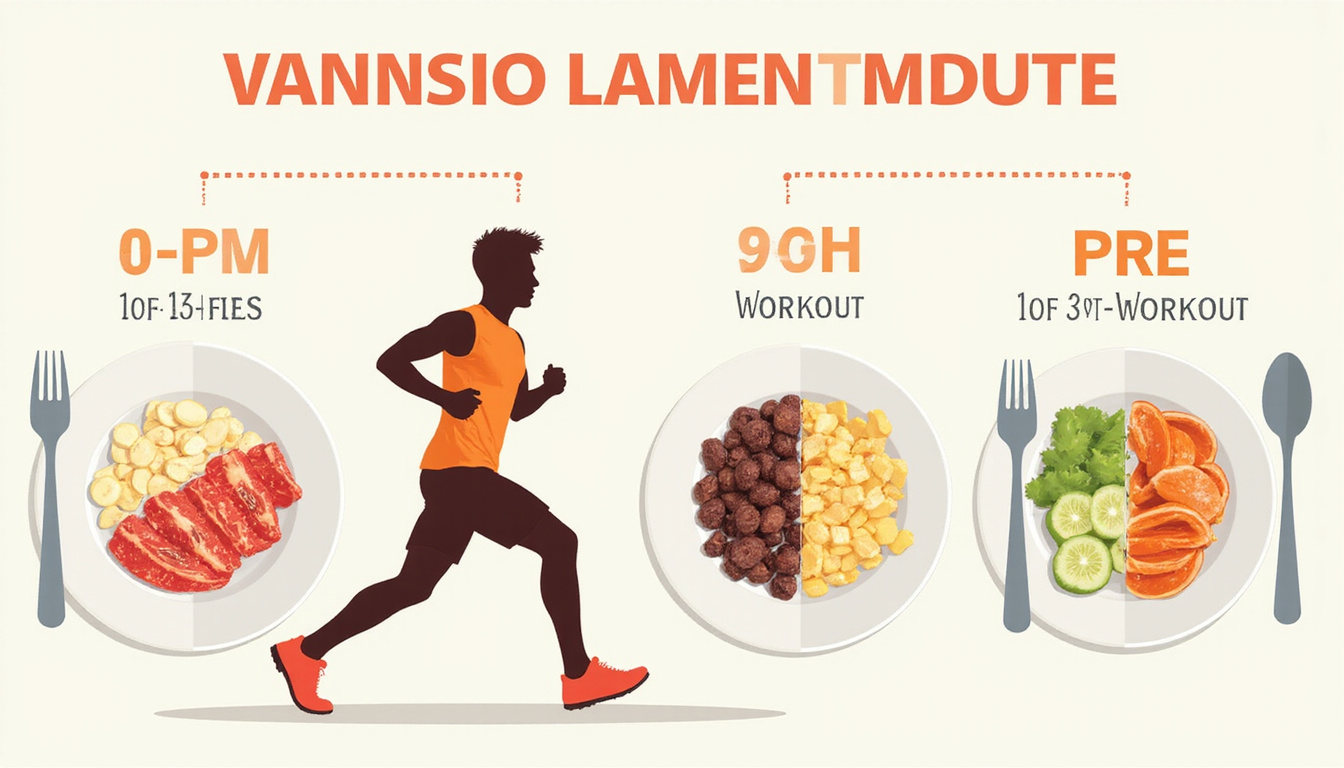
Plan your carbs around the workout window of about 2–3 hours before and after training.
Pre-Workout Carb Timing
The goal is smooth energy and good blood sugar:
2–3 hours before training, eat a meal with protein and complex carbs.
Examples:
- Chicken with rice and vegetables
- Oats with protein powder and a banana
- A turkey sandwich on whole-grain bread
If you need a snack 30–60 minutes before, try:
- A banana or other fruit
- A small granola bar
- Toast with a bit of jam
If a full meal is hard to manage, sip a small juice with a protein shake.
Intra-Workout Carbs
You usually do not need extra carbs during training unless:
- Your move lasts longer than 60–90 minutes, or
- You do very heavy strength training.
Then, 20–40 grams of easy-to-digest carbs (like a sports drink) can help.
Post-Workout Carb Timing
After training, your muscles need to refill their energy. Aim to eat carbs with protein within 1–3 hours.
Examples:
- Grilled chicken, sweet potato, and vegetables
- A stir-fry with lean meat, rice, and mixed vegetables
- A protein shake and a piece of fruit, then a full meal in 1–2 hours
For fat loss, use a fair share of your carbs in this post-training meal.
Carb Timing and Different Diet Styles
Carb timing works well with many eating plans.
Low-Carb or Keto Approaches
Even when you eat few carbs overall, you can use a small dose around your workout (15–50 g). Many on lower-carb plans use a targeted method where most carbs come before training.
High-intensity moves may be easier when you include moderate carbs.
Intermittent Fasting and Time-Restricted Eating
If you limit eating hours (for example, 16:8):
- Choose an eating window that catches your workout and the recovery meal.
- Eat most of your carbs in the first meal after training, then watch the rest.
Example:
- Train at noon; eat from 12 p.m. to 8 p.m.; pile carbs into the 1 p.m. meal and have moderate carbs later.
Plant-Based Diets
For plant-based eating, many proteins come with carbs.
Use these pairs before and after your training.
Focus on veggies, tofu or tempeh, and higher-fiber carb foods when you are less active.
Practical Carb Timing Templates
Try these simple plans and adjust portions as needed.
1. Fat Loss + Moderate Training (3–4x per week)
- Breakfast (on a day without training):
- High protein, some fats, and few starchy carbs.
- Pre-workout (2–3 hours before):
- Protein with complex carbs.
- Post-workout:
- Protein with most of your daily carbs and veggies.
- Dinner (on a rest evening):
- Protein, veggies, and a small portion of carbs or none.
2. Muscle Gain/Performance
- Breakfast:
- Protein and moderate carbs.
- Pre-workout (2–3 hours prior):
- Protein mixed with complex carbs.
- Optional snack (30–60 minutes before):
- Simple carb with protein.
- Post-workout:
- Protein and a large serving of carbs with veggies.
- Evening meal:
- Protein and moderate carbs, ideal for late sessions.
3. Busy Schedule, Short Workouts
- For a morning move:
- Have a light carb-protein snack (a fruit and a shake) first. Then a larger meal after training.
- For a lunch or evening move:
- Use the meal just before and after training as your main carb meals.
Common Carb Timing Mistakes
Even a good plan can go wrong with a few slips:
- Overlooking total calories and protein.
Carb timing does not fix a calorie surplus or lack of protein. - Saving all carbs for a large night meal.
This can hurt sleep, energy, and hunger control. - Using too many processed carbs.
Sodas and sweets may work near training but should not be the main food. - Not matching food to your daily moves.
A desk day may need fewer carbs than a day of hard work. - Changing too much at once.
Adjust slowly and note how you feel over a week or two.
Simple Checklist for Your Carb Plan
Use this list to build your plan:
- [ ] I set my main goal (fat loss, performance, or mixed).
- [ ] I eat enough protein every day.
- [ ] On training days, I have:
- Carbs with protein before my workout.
- Carbs with protein after my workout.
- [ ] On rest days, I cut carbs a bit and eat more non-starchy veggies.
- [ ] Most of my carbs come from whole foods.
- [ ] I match my carbs to how much I move during the day.
- [ ] I check my energy, workout strength, hunger, and progress and then make small changes.
FAQ: Carb Timing Answers
-
Is planning carb timing key for fat loss, or do total carbs matter more?
Total calories and overall carbs matter more for losing fat. You lose weight when you burn more than you eat. Still, carb timing can help with energy, hunger control, and saving muscle. -
How many carbs should I cut on rest days?
Many use a plan of more carbs on training days and about 20–30% fewer on rest days. Keep protein steady and add extra healthy fats or veggies to feel full. Adjust this based on your hunger and energy. -
What are the best carbs to eat before and after training?
Before training, choose easy-to-digest carbs like oats, rice, potatoes, bananas, or simple cereal with protein. After training, mix fast- to moderate-digesting carbs (rice, potatoes, pasta, bread, or fruit) with lean protein from chicken, eggs, fish, Greek yogurt, or whey.
Turn Carb Timing Into a Lasting Edge
You do not have to follow a strict schedule to win with carb timing. With a few smart shifts—such as moving more carbs near your workouts, matching carb amounts to how much you move, and choosing whole-food carbs—you can:
• Train harder and move faster
• Keep energy and mood steady
• Cut cravings while staying in a calorie deficit
• Save muscle while losing fat
If you are ready to change your food routine, try one adjustment: shift most of the carbs you already eat to your meals before and after training for the next 10–14 days. Watch how your energy, moves, and hunger change, then refine your plan.
If you need help to design a plan that fits your schedule, goals, and training style, talk to a trusted nutrition coach or check a proven program. With a clear method, carb timing becomes a lasting edge for energy, moves, and fat loss.
[center]Always consult with your doctor prior to making drastic diet changes.[/center]
[center]As an Amazon Affiliate, Savvy Keto makes a small commision (at no extra cost to you) on any purchases you make thru affiliated links you click on.[/center]