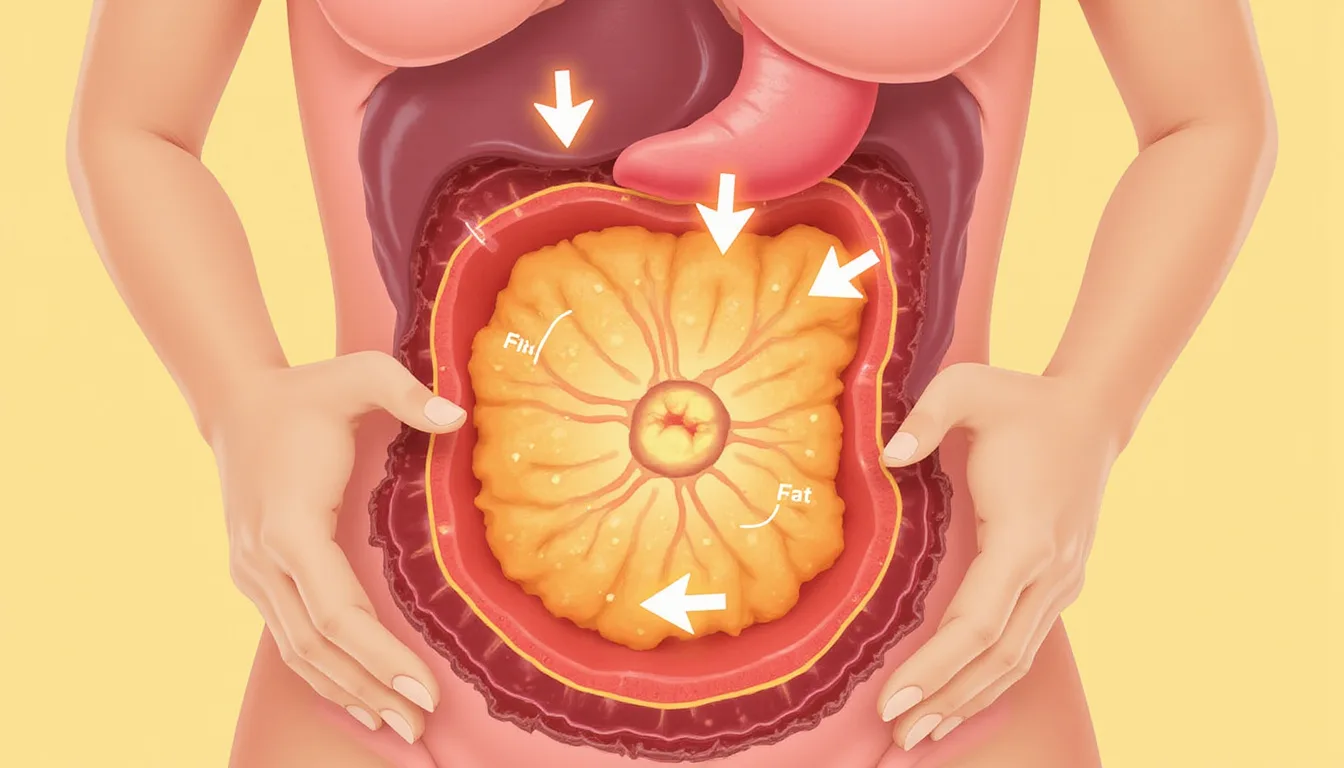

Low Carb Accountability Checklist to Stop Cravings and Stay Consistent
Sticking to low carb eating is simple on paper but hard in life. Cravings shake you, social pressure pushes you, and the thought “I’ll start again Monday” can break your efforts. Low carb accountability changes the game. With the right system, you do not wait on willpower. You treat your health like a promise you keep, no matter what food is near.
This guide gives you a clear, step-by-step checklist. It helps you cut craving signals, stay steady, and make low carb eating feel doable rather than stressful.
Why Accountability Beats Relying on Willpower

Most low carb plans list what to eat—macro numbers, food choices, recipes. Those matter. Yet, the harder parts come later:
• Craving sugar or bread at night
• Eating when stressed, bored, or tired
• Social gatherings where “just one” becomes five
• Quietly straying from your plan when no one sees
Low carb accountability builds a structure. It stops you from deciding each time you face temptation. It
• Shows you what you do, not just what you plan
• Helps you spot small slips before they grow
• Turns good choices into habits to cut down on tough decisions
• Puts your progress in sight so you keep the pace
Research shows that food logging and a support system tie strongly to successful weight control (source: CDC). Let’s now shape these ideas into a clear checklist for daily and weekly use.
The Low Carb Accountability Framework: 3 Time Horizons
See accountability in three levels to keep steady without excess worry:
- Daily: Small habits that work for today
- Weekly: Checkpoints that show what works best
- Monthly: A big look and changes when needed
You do not need perfect days. All that matters is being steady over time.
Daily Low Carb Accountability Checklist
These are must-do steps for your day. You may print this part or save it on your phone.
1. Begin With a Clear Intention
Before your day fills up, set how you will keep low carb today:
• Set your meal times.
• Mark places where temptations show (office, late TV).
• Pick one main goal (for example, “no sugar after dinner”).
Write one sentence each morning like this:
“Today I stay under X grams of net carbs, skip sweets after 7 p.m., and record everything I eat.”
This one sentence lights your path and helps you stick to it.
2. Plan Your Low Carb Food Ahead
A plan wins over raw willpower every time. A rough plan is enough:
• Breakfast: Pick one or two low carb foods (for example, eggs with avocado, Greek yogurt with nuts).
• Lunch: Choose protein with low starch vegetables (for example, chicken salad, burger without a bun).
• Dinner: Keep it simple with protein, vegetables, and a healthy fat (for example, salmon with broccoli in olive oil).
• Snacks (if you need): Cheese, nuts, jerky, boiled eggs, or veggie sticks with dip.
Make your key move: do not leave meals to chance. If you plan to eat out for dinner, decide now on your low carb choice.
3. Record Everything You Eat (Honesty Over Perfection)
Logging your food is a key act of low carb accountability:
• Use an app, a spreadsheet, or a small notebook.
• Write your meal before you start eating to pause your craving.
• Do not worry about perfect numbers at first; focus on the habit of tracking.
A small rule: note even the little bites, sips, tastes, and licks. Those small counts can add up.
4. Use a Simple Plan for Cravings
Cravings do not mean you have failed. They are a normal part of change. Have a set way to respond:
When you feel a craving, do these steps:
- Stop for 2 minutes. Drink water or herbal tea.
- Ask yourself:
• Am I hungry or do I just need a bit of comfort?
• What caused this feeling (stress, TV, smell, online, boredom)? - Try one of these low carb responses:
• Eat a planned snack (nuts, cheese, boiled egg) if you are truly hungry.
• Take a 5–10 minute walk or do a small chore.
• Distract your mind for 10 minutes (call a friend, tidy up, stretch).
Say to yourself: “I check again in 10 minutes and then decide.” Most times, the strong feeling fades.
5. Keep Your Environment Steady
Your space can help or hinder your goal. Each day, check:
• Are the tempting foods in view? If yes, hide them out of sight.
• Keep low carb choices where you can see them on shelves and in the fridge.
• Prepare one food item each day (boil eggs, wash veggies, portion nuts).
Accountability is more than just your actions. It is making your space work for you.
6. Quick Evening Check (No Judgment)
End the day with a brief 3-minute check:
• Did you keep within your carb goal or get close?
• When did you feel the strongest pull?
• What did you do well?
• What one small change can you try tomorrow?
These reflections build awareness and stop an “all-or-nothing” trap. A day that is not perfect shows you data, not defeat.
Weekly Low Carb Accountability Checklist
Weekly checks keep you from losing track. Pick one day and time—like Sunday morning.
7. Track Weight and One Other Measure
The scale goes up and down day to day, so add one more measure:
• Waist size
• How your clothing fits
• Photos showing your progress from the front, side, and back
• Energy or sleep quality scores
Record these weekly. This way, you see trends rather than daily changes.
8. Look Over Your Food and Patterns
Review your week with care, not with blame:
• How many days did you record your food?
• Were there repeated triggers (late nights, certain restaurants, certain people)?
• Did work or social moments lead you off course?
Ask yourself: “What patterns do I see?” and “Which pattern can I change next week?”
9. Set One Focus for the Week
Instead of trying to fix every choice, pick one focus each week, such as:
• No sugary drinks (including “healthy” juices)
• No bread, pasta, or rice at dinner
• Record food at least 5 days
• Prepare 3 low carb dinners at home
This plan helps keep your system small and do-able.
10. Adjust Your Meal Plan; Do Not Give Up
If the week was hard, do not jump into a new diet. Instead, do this:
• Pick the 1–2 biggest challenges (for example, no time to cook, frequent snacking, stress eating).
• Think of fixes:
– For time issues: use pre-cooked proteins or bagged salads.
– For snacking: keep only low carb snacks where you can see them; tuck away trigger foods.
– For feelings: keep a list of non-food actions—walk, write, or call a friend.
Accountability means you meet problems with small changes, not with guilt or quitting.
Monthly Low Carb Accountability Reset
Each month, step back to see the full view and renew your promise.
11. Revisit Your Reason
Your drive may fade if it is vague. Once each month, rewrite your reason:
• Better health markers (blood sugar, pressure, joint pain)
• More energy and clear thinking
• Confidence and respect for yourself
• Being there for your family and for your future
Write a short paragraph: “Why I choose low carb today.” Post it on your phone, fridge, or journal.
12. Review Your Support Network
Accountability grows in a group. Every month, ask:
• Is there at least one person who knows your low carb goal?
• Are you part of a group or online space where you share progress?
• Do you need extra help from a coach, diet expert, or program?
Ideas include:
• A buddy system: share daily screenshots of logs or steps.
• Joining a low carb online group focused on staying steady.
• Working with a pro, especially if you have health needs.
Sharing turns a private task into joint progress.
13. Update Your Goals and Limits
As you progress, your needs may change:
• In the early days, your goal might be to eat under a set carb number.
• Later, you may focus on whole foods and fewer processed items.
Each month, set or tweak:
• Your daily carb range (for example, 20–50g net carbs)
• Your firm rules (for example, no sugary drinks; always low carb breakfast)
• Rules that allow some wiggle room (for example, a planned higher-carb meal every few weeks if it suits you)
Clear limits make your progress clear.
Building Your Own Low Carb Accountability System
Now that you have the checklist, turn it into easy systems that fit your life.
14. Use “If–Then” Steps Against Temptation
Decide now how you will act when challenges come:
• If a coworker brings pastries, then I drink my coffee and eat my own snack.
• If I eat out, then I choose a meal with protein and vegetables and skip the bread.
• If I crave sugar after dinner, then I sip tea and wait 10 minutes.
These simple instructions keep you from making a split-second choice.
15. Make Visual Tools for Accountability
When you see your steady work, you stay motivated:
• A habit tracker: mark each day you stay under your carb goal or log food.
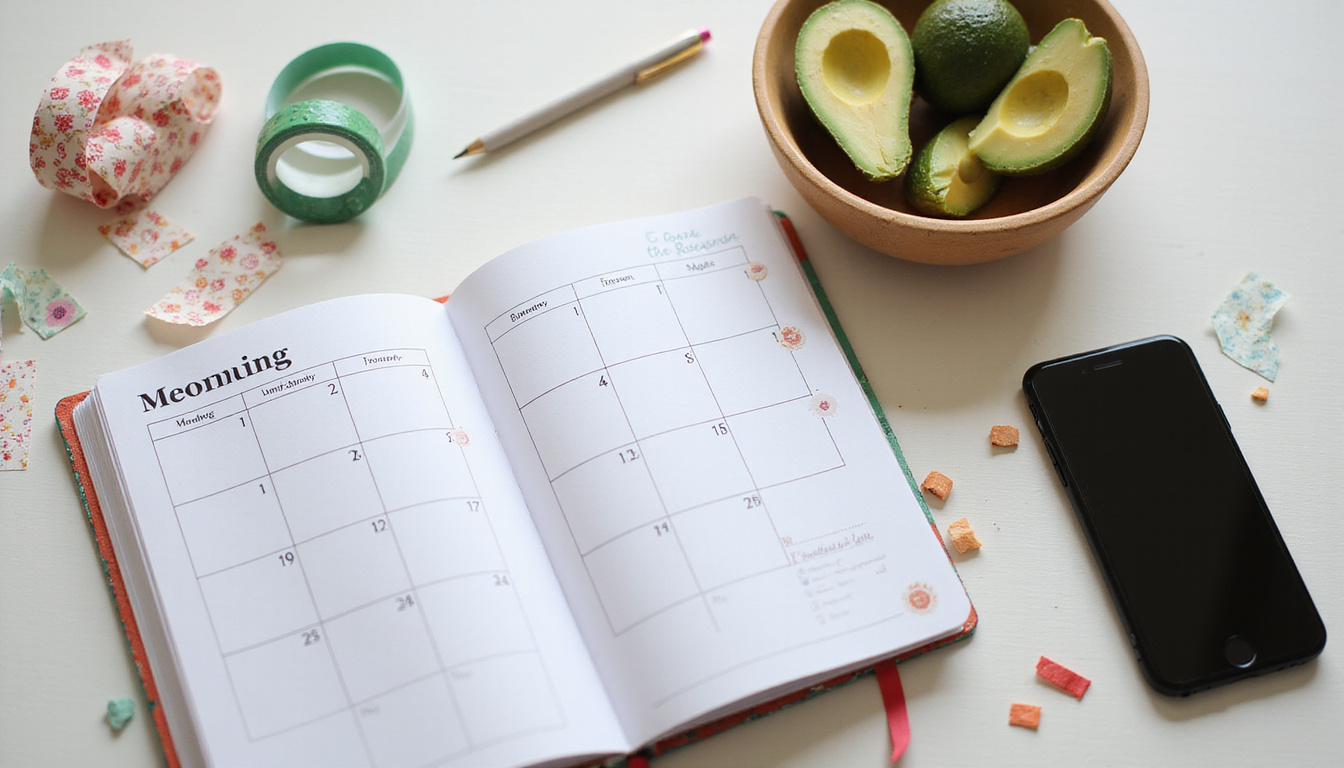
• A calendar: put a star on days you follow your plan.
• A progress chart: record weight, size, or energy scores over time.
Even checklist marks on a calendar build a strong “don’t break the chain” view.
16. Put Together a Low Carb “Emergency Kit”
When days turn rough, low carb accountability may slip. Get ready with:
• Shelf-stable low carb snacks: nuts, jerky, tuna, protein bars (watch the carbs).
• Quick frozen options: burgers, chicken pieces, frozen vegetables.
• Fast meals that take 5 minutes: eggs, canned fish, salad with pre-cooked protein.
A backup plan helps you stay true to your goals on busy days.
Mindset Shifts to Strengthen Accountability
Accountability goes beyond tools and lists. It is also the way you view mistakes and wins.
17. Change “On/Off” to “More or Less On Plan”
Low carb is not a strict switch. Instead of saying “I was bad,” say:
• “Today I stayed 60% on plan. Tomorrow I aim for 70–80%.”
• “I went off at dinner, but breakfast and lunch went well.”
This view helps you stay in the game rather than giving up.
18. View Slip-Ups Like a Researcher, Not a Judge
Each time you eat too much or give in, ask:
• What did I feel?
• What sign started this (place, person, time, emotion)?
Accountability means using mistakes as clues instead of signs that you cannot change.
19. Notice Wins Beyond the Scale
To stay with your plan for the long run, notice good things beyond weight loss:
• Better focus and energy
• Fewer crashes in the afternoon
• Less bloating or heartburn
• Improved test results or blood sugar control
• The pride you feel when you keep your promise
Write these wins down each month. They remind you that staying steady is worth every effort.
Sample Daily Accountability Routine (10 Minutes Total)
Here is a simple routine to put the checklist in action:
• Morning (3 minutes)
– Check your “why” for a moment.
– Set a one-sentence plan for the day.
– Roughly plan your meals.
• During the Day (2–3 minutes total)
– Record meals and snacks as you go.
– Use your craving steps when needed.
• Evening (5 minutes)
– Do a brief check: what went well, what felt hard.
– Record the final meals and water intake.
– Pick one small change for tomorrow.
You do not need long hours of planning. Just steady, focused check-ins.
Quick Reference: Low Carb Accountability Checklist
You can copy and adjust this list to suit you:
- Intention set in the morning
- Meals roughly planned
- Food recorded (even if not perfect)
- Cravings handled by pausing and planning
- Environment checked (trigger foods hidden, low carb choices clear)
- Evening reflection done
- Weekly weight and one other metric tracked
- Review of weekly food patterns
- One weekly focus set
- Monthly “why” checked
- Monthly goals and limits updated
- Support network evaluated and used
FAQ: Low Carb Accountability and Consistency
-
How do I hold myself accountable on a low carb diet if I live alone?
Use built-in systems: record your food every day, set reminders for weekly weigh-ins, and join an online low carb group for social support. You can also text a friend your daily plan or share a photo of your dinner to create external accountability without needing someone nearby. -
What is the best way to track low carb progress besides the scale?
Measure your waist, see how your clothes fit, and note your energy, cravings, and mood. Many find that even before major changes on the scale, reduced cravings and better focus show that the accountability system is working. -
How can I stay steady with low carb eating during social events and holidays?
Decide on your limits before you go out: for example, have protein and vegetables only or skip dessert but allow one drink. Eat a low carb snack beforehand so you are not very hungry, and tell a trusted person about your plan. After the event, go back to your usual routine at your next meal. A strong accountability system makes a big difference.
Turn This Checklist Into Your New Normal
You do not need perfect discipline to win at low carb eating. You need a clear, steady system that helps you stay honest, supported, and flexible. Use this low carb accountability checklist to guide your day, week, and month. Start small: record food daily, do a short evening check, and mark a weekly weigh-in along with a review.
If you are ready to stop restarting and finally build consistency, make today your first truly accountable day: set your intention, plan your meals, and commit to recording every bite. Print this checklist, share your goal with someone you trust, and give yourself 30 days of true accountability. Your future self will see the change you have made.
[center]Always consult with your doctor prior to making drastic diet changes.[/center]
[center]As an Amazon Affiliate, Savvy Keto makes a small commision (at no extra cost to you) on any purchases you make thru affiliated links you click on.[/center]