If you’re looking for a simple, food‑first way to boost digestion, keep you full longer, and give you steady energy, check out resistant starch.
It works like fiber instead of sugar. It helps feed good gut bacteria and does not push up blood sugar. Small changes in how you cook and cool foods can raise your resistant starch without a strict diet or fancy ingredients.
This guide explains what resistant starch is, how it works, and ways to use it to support gut health, cut cravings, and keep blood sugar steady.
What is resistant starch?

Resistant starch is a type of starch that your body does not break down in the small intestine.
Instead of turning into glucose, it moves mostly intact into the large intestine.
There, gut bacteria ferment it.
In other words, resistant starch works much like soluble fiber:
- It does not raise blood sugar much.
- It feeds helpful microbes in your colon.
- It produces short-chain fatty acids (SCFAs), like butyrate, during fermentation.
These SCFAs support colon health, ease inflammation, and might improve insulin sensitivity (source: Harvard T.H. Chan School of Public Health).
The 4 main types of resistant starch
Scientists split resistant starch into four types:
-
RS1 – Physically inaccessible starch
- Locked inside whole or partly milled grains, seeds, and legumes.
- Example: intact oats, whole lentils, partly milled rye.
-
RS2 – Naturally resistant granules
- Raw, ungelatinized starch granules that the body cannot break down easily.
- Example: raw potato starch, green (unripe) bananas and plantains, high‑amylose maize.
-
RS3 – Retrograded starch (from cooling cooked starches)
- Forms when cooked starch foods cool down, which changes their structure.
- Example: cooled potatoes, rice, pasta, or oats that have been cooked and then chilled.
-
RS4 – Chemically modified starch
- Made during food processing and found in some packaged products.
- Example: some modified starches in commercial foods.
For everyday health, RS1–RS3 from whole foods are the most practical.
How resistant starch boosts gut health
Your gut houses trillions of microbes that thrive on fermentable fibers.
Eating more resistant starch sets off several good things in your digestive system.
Feeding beneficial gut bacteria
Resistant starch acts as a prebiotic.
It feeds bacteria such as Bifidobacteria and some Firmicutes.
These bacteria ferment the starch and make SCFAs, especially butyrate.
Higher butyrate links to:
- A stronger gut lining
- Less inflammation in the intestines
- Better regularity
- Possible protection from colon cancer
Strengthening the gut barrier
Butyrate is the preferred fuel for colon cells.
When colon cells get butyrate, they:
- Keep their junctions tight (reducing “leaky gut”)
- Control local immune responses better
- Produce healthy mucus in the colon
A stronger gut barrier stops harmful substances from reaching your bloodstream.
This may support overall immune and metabolic health.
Supporting regularity without harsh laxatives
Resistant starch adds bulk and water to stool while keeping transit time balanced.
It can help ease mild constipation, cut down on straining, and support smooth, complete bowel movements.
Unlike strong laxatives, resistant starch works with your microbiome for a long-lasting solution.
How resistant starch helps cut cravings and manage appetite
Many people notice that adding resistant starch to meals helps them feel full and curbs snack urges.
Several reasons explain this effect.
Slower digestion and more stable energy
Starches like white bread break down fast into sugar.
They trigger a quick rise in blood sugar and then a rapid fall.
Resistant starch digests slowly.
It lowers the immediate rise in blood sugar and helps energy stay steady.
When energy is consistent, you are less likely to have mid‑afternoon crashes that push you toward sweets or caffeine.
Supporting satiety hormones
When gut bacteria ferment resistant starch, the SCFAs may affect signals that control hunger.
Hormones like GLP‑1 (glucagon‑like peptide‑1) and PYY (peptide YY) send signals to your brain that you are full.
A rise in these signals means you stay satisfied longer after a meal.
Adding bulk without a calorie bomb
Resistant starch adds volume and texture to meals with fewer digestible calories.
This means:
- You get more volume for the same or slightly lower calories
- Your stomach stretches more, which signals fullness
- You can stick to a balanced calorie intake more easily
Together, these points may help cut overeating and support healthy weight management.
Resistant starch and blood sugar stabilization
One of the best reasons to use resistant starch is its impact on blood sugar and insulin.
Lower glycemic response
Resistant starch does not fully break down into sugar.
It tends to:
- Lower the glycemic index (GI) of meals
- Keep blood sugar spikes in check after meals
- Reduce the demand for insulin
This is helpful for people with insulin resistance, prediabetes, or type 2 diabetes.
It also supports steadier energy and mood throughout the day.
“Second‑meal effect”
Research finds that a meal rich in resistant starch can improve blood sugar responses not only for that meal but for your next one as well.
For example, a breakfast high in resistant starch can ease glucose spikes at lunch.
This delayed benefit may come from better insulin sensitivity and changes in how your body handles carbohydrates.
Potential improvements in insulin sensitivity
Some studies note that regular intake of resistant starch may:
- Improve overall insulin sensitivity
- Lower fasting insulin levels
- Slightly improve markers of metabolic health
Keep in mind that resistant starch is one part of a balanced plan to manage blood sugar and is not a stand-alone fix.
Best food sources of resistant starch
There is no need for special powders.
Everyday foods naturally have resistant starch or can form it if prepared correctly.
Naturally rich sources
These whole foods have higher natural levels of resistant starch:
- Green (unripe) bananas and plantains – strong whole‑food sources; note that starch becomes more digestible as they ripen.
- Legumes – lentils, chickpeas, black beans, kidney beans, white beans.
- Whole and partly milled grains – oats, barley, sorghum, rye, and some wheats.
- Raw potato starch – very high in RS2 (often used as a supplement rather than eaten as is).
- High‑amylose maize (corn) – found in some specialty products.
Cooked and cooled (“retrograded”) starches
You can also form resistant starch by cooking and then cooling starches. This process creates RS3.
Good choices include:
- Potatoes (white or sweet) – boil or roast; then cool in the fridge.
- Rice (especially long‑grain and parboiled) – cook and chill for several hours.
- Pasta – cook al dente, then cool; gentle reheating does not remove all the RS3.
- Oats – try overnight oats or cook, cool, then eat later.
Reheating these cooled starches gently still keeps much of the RS3 intact.
How to increase resistant starch in your diet (step by step)
You can boost your resistant starch with simple, steady changes.
1. Start with cooked-and-cooled staples
Batch cook your starches and cool them before you eat:
- Prepare a pot of brown or parboiled rice. Chill it in the fridge for at least 12 hours. Use it in stir‑fries, grain bowls, or salads during the week.
- Make a tray of boiled or roasted potatoes, then refrigerate them. Use them as a potato salad, pan‑fried breakfast potatoes, or in bowls.
- Cook a batch of whole‑grain pasta. Rinse briefly in cool water, then chill. Use it for cold pasta salads or warm it slightly.
2. Incorporate legumes several times per week
Aim to include legumes 3–4 times each week:
- Add lentils to soups, curries, or salads.
- Use chickpeas for hummus, in stews, or as a roasted snack.
- Mix in black beans or kidney beans in chili, tacos, or bowls.
Legumes bring resistant starch and add protein, fiber, and key minerals.

3. Use green bananas and plantains strategically
- Stir green banana flour into smoothies, yogurt, or oatmeal if you want a supplemental boost.
- Cook green plantains (boiled, baked, or pan‑fried) for a side dish.
- Choose slightly green bananas (firm with some green on the peel) over fully brown‑spotted ones for a higher resistant starch level.
4. Consider small amounts of raw potato starch (if appropriate)
Some people add 1–2 teaspoons of raw potato starch to water, smoothies, or yogurt.
It is nearly flavorless and high in resistant starch.
Important tips:
- Start with ½ teaspoon to test your tolerance.
- Increase slowly to avoid gas and bloating.
- Do not heat it, as cooking destroys much of its resistant starch.
If you face digestion problems, speak with a health professional before trying concentrated resistant starch supplements.
5. Combine with other fibers and whole foods
Resistant starch works best as part of a fiber‑rich, minimally processed diet.
Include:
- Plenty of vegetables and some fruit
- Whole grains and legumes
- Nuts and seeds
- Healthy fats and enough protein
A mix of fibers and natural compounds from these foods supports a diverse and strong gut microbiome along with resistant starch.
How much resistant starch do you need?
Western diets often supply only a few grams of resistant starch each day.
Traditional diets can reach 15–20+ grams daily.
There is no official daily recommendation yet.
Many experts suggest that 10–20 grams per day may be good for gut and metabolic health when increased gradually.
Here are some approximate amounts (values vary by type and preparation):
- Green banana (medium): ~4–5 g
- Cooked then cooled potatoes (½ cup): ~2–3 g
- Cooked then cooled rice (½ cup): ~2–3 g
- Lentils (½ cup, cooked): ~2–4 g
- Chickpeas (½ cup, cooked): ~2–3 g
- Oats, cooked then cooled (½ cup): ~1–2 g
- Potato starch (1 tablespoon, raw): ~8–10 g
A daily plan might look like:
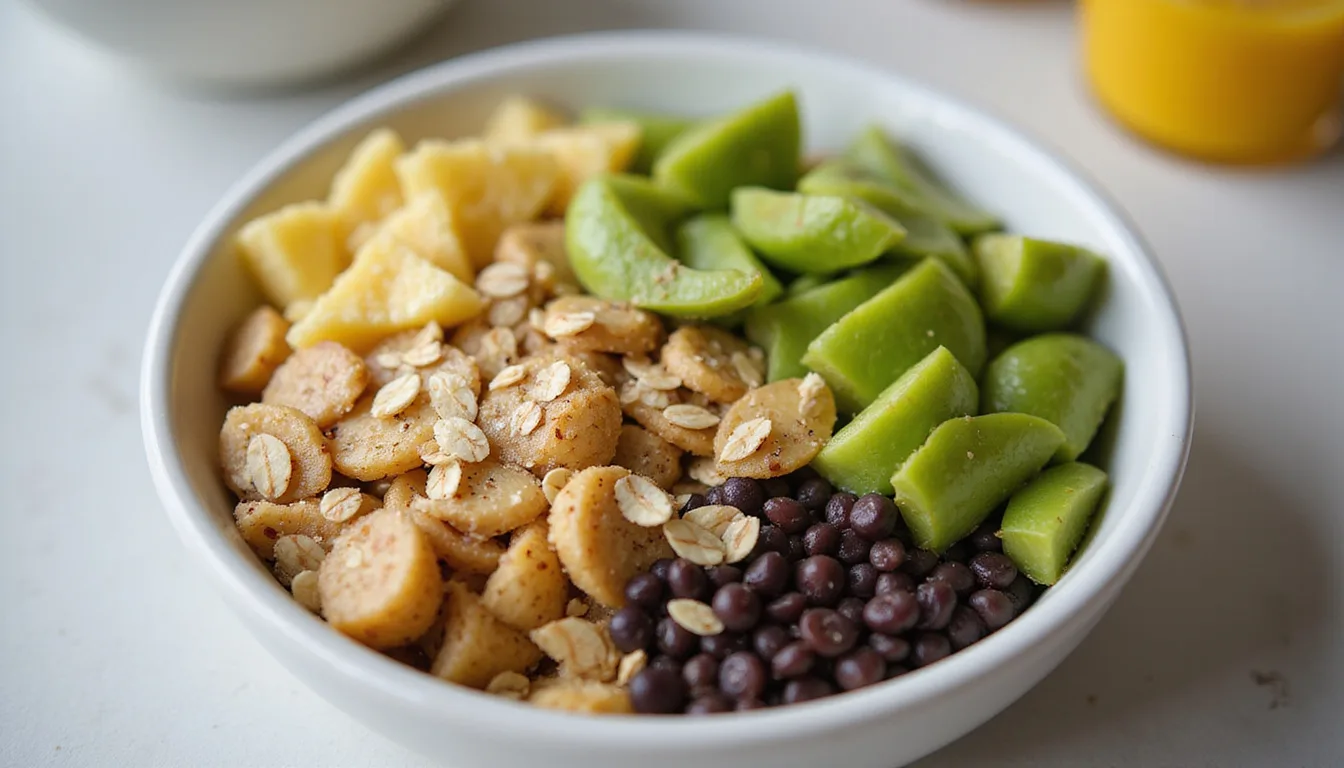
- Breakfast: Overnight oats with cooled oats and green banana slices.
- Lunch: Lentil soup with a side of cooled potato salad.
- Dinner: Stir‑fry with cooled, gently reheated brown rice and black beans.
This routine can easily approach or exceed 10 grams without using supplements.
Potential side effects and who should be cautious
Resistant starch is safe for most people but can cause a few issues.
Gas, bloating, and discomfort
A sudden increase in resistant starch may cause:
- More gas
- Bloating
- Cramping
These signs show that gut bacteria are busy fermenting the new starch.
To ease discomfort:
- Increase your intake gradually over weeks, not days.
- Spread resistant starch across meals instead of a single large dose.
- Stay hydrated and keep moving gently (a walk can help).
IBS, SIBO, and other digestive conditions
People with conditions such as:
- Irritable Bowel Syndrome (IBS)
- Small intestinal bacterial overgrowth (SIBO)
- Inflammatory bowel disease (IBD)
- Other major gut disorders
may be more sensitive to fermentable fibers like resistant starch.
If you have a diagnosed gut issue, speak with your gastroenterologist or dietitian before making large changes.
Diabetes and medication considerations
Resistant starch can lower blood sugar after meals, which is usually good news.
However, if you take insulin or medications (like sulfonylureas) that can cause low blood sugar, you should talk with your healthcare provider before changing your carbohydrate intake significantly.
Practical tips to get the most from resistant starch
Here are some simple steps to include more resistant starch in your meals:
- Batch cook and cool: Make potatoes, rice, or pasta in advance and store them in the fridge.
- Reheat gently: Warm cooled starches without overcooking to keep the resistant starch intact.
- Combine with protein and healthy fats: For steadier blood sugar and more fullness, pair resistant starch with lean proteins and fats (for example, salmon with lentils and cooled potatoes).
- Rotate sources: Use a mix of legumes, whole grains, green bananas, and cooled starches.
- Watch portion sizes: Balance is key even as resistant starch helps.
- Increase slowly: Boost your intake little by little over several weeks.
FAQ: resistant starch, gut health, and metabolism
1. Is resistant starch good for gut health and digestion?
Yes. Resistant starch feeds helpful gut bacteria and raises levels of short-chain fatty acids like butyrate. This supports the colon, reinforces tight cell junctions, and aids regularity. If you are sensitive, start slowly.
2. Can resistant starch help with weight loss and cravings?
Resistant starch may help control hunger. It slows digestion, moderates blood sugar spikes, and supports hunger signals that tell you when you are full. It is not a magic solution but works well as part of a balanced diet.
3. How does resistant starch affect blood sugar and insulin?
Since resistant starch is not fully broken down into sugar, it lowers a meal’s glycemic impact and may boost insulin sensitivity over time. Research shows it can reduce post‑meal blood sugar spikes and even produce a “second‑meal effect” on the next meal.
Turn everyday meals into a gut‑ and metabolism‑friendly toolkit
If you want better digestion, fewer energy crashes, and a calmer link with food, try resistant starch.
A few small changes—like cooling down your cooked staples, adding legumes, or using green bananas or a bit of potato starch—can feed your gut, ease cravings, and help keep blood sugar steady.
Start with one simple swap this week: maybe choose cooled potatoes as a side dish, add lentils to your soup, or make a batch of overnight oats.
Watch how your energy, appetite, and digestion change. Then build from that.
If you would like personalized ideas for your taste, health needs, or blood sugar goals, ask for a custom resistant starch–focused 7‑day meal outline. Together we can design a plan that fits your life and helps your gut and metabolism thrive.
[center]Always consult with your doctor prior to making drastic diet changes.[/center]
[center]As an Amazon Affiliate, Savvy Keto makes a small commision (at no extra cost to you) on any purchases you make thru affiliated links you click on.[/center]