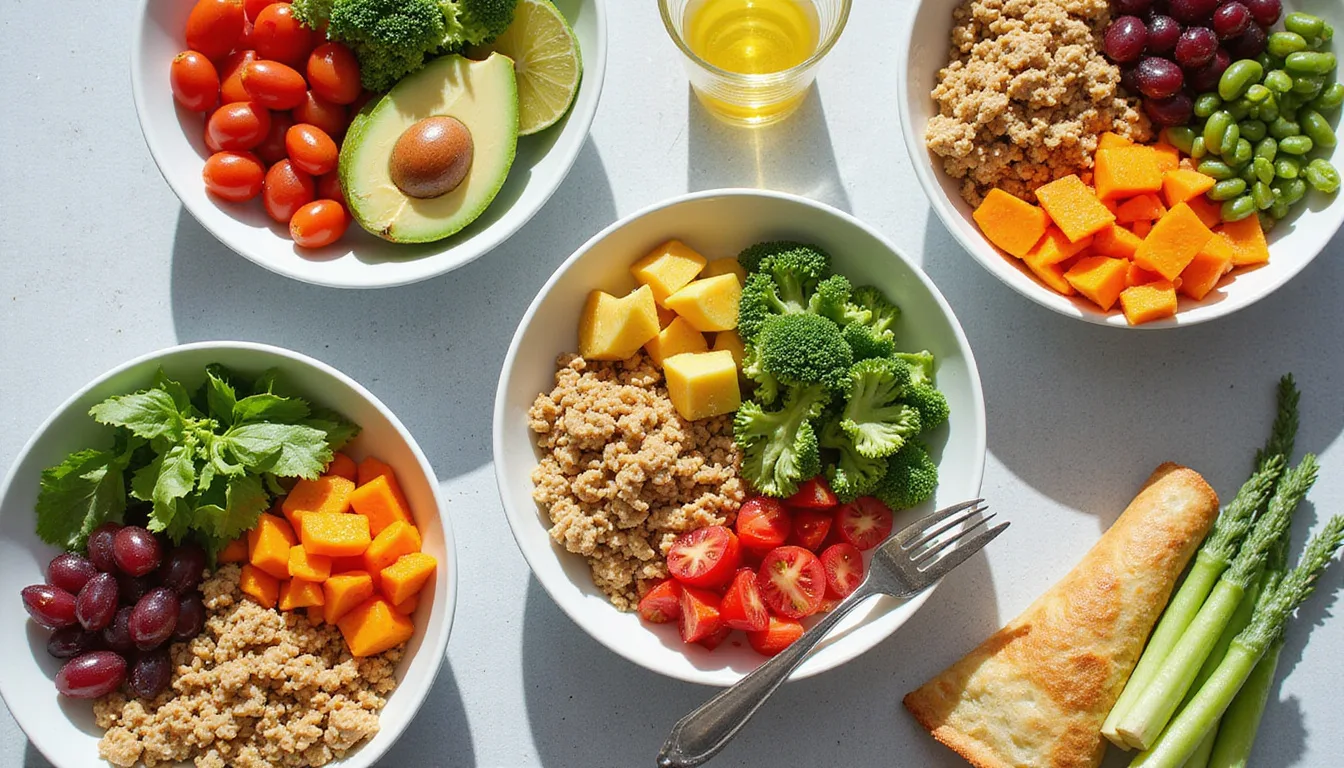

Metabolic syndrome can feel overwhelming when you first get the diagnosis. You face a group of conditions. High blood pressure, high blood sugar, abnormal cholesterol or triglycerides, and extra belly fat all add risk for heart disease, stroke, and type 2 diabetes. The good news is that a change in your daily habits can make this risk shift slowly. You do not have to change everything at once. With small and steady steps, you can lower the chance of harm and take back control of your health.
This guide shows 10 simple habits that you can try as soon as today. You do not need to be perfect—only to move forward at your own pace.
What is metabolic syndrome, really?

Metabolic syndrome is not one disease. It is a group of risk factors. Doctors usually see the syndrome when you have at least three of these factors:
- A large waist (belly fat)
- High triglycerides
- Low HDL (“good”) cholesterol
- High blood pressure
- High fasting blood sugar
Even if you feel fine, the syndrome quietly harms blood vessels, organs, and your metabolism over time. The American Heart Association says almost one in three U.S. adults has this condition, and its number grows worldwide (source: American Heart Association).
Many people can see much improvement in these numbers with changes in their daily life.
Habit 1: Build a plate that fights metabolic syndrome
You do not need a “perfect” diet. Focus on eating in a way that keeps blood sugar even, cholesterol balanced, and energy steady.
Aim for a simple plate formula
Use this structure for most meals:
-
½ plate non-starchy vegetables
Think of leafy greens, broccoli, peppers, tomatoes, cauliflower, zucchini, green beans, cucumbers, and mushrooms. -
¼ plate lean protein
Choose from fish, chicken, turkey, eggs, tofu, tempeh, lentils, beans, Greek yogurt, or cottage cheese. -
¼ plate high-fiber carbs or healthy fats
Carbs: quinoa, brown rice, oats, barley, lentils, beans, or sweet potato
Fats: avocado, nuts, seeds, olive oil, olives, or fatty fish
This mix helps lower blood sugar jumps, improves insulin action, and aids in weight control.
Focus on fiber
Fiber helps digestion move slowly, lowers cholesterol, and steadies blood sugar. Aim for:
- 25–35 grams of fiber a day from foods like:
- Vegetables and fruits (with skins)
- Whole grains
- Beans, lentils, and chickpeas
- Nuts and seeds
Tip: Add fiber slowly and drink enough water so you feel good.
Habit 2: Master carbs instead of fearing them
Carbs are not your enemy. Yet, refined carbs can worsen signs of metabolic syndrome by pushing blood sugar and triglycerides high.
Choose slow carbs
Try these foods:
- Whole grains: oats, brown rice, quinoa, barley
- Beans and lentils
- Whole fruits (not juice)
- Starchy vegetables: sweet potatoes, squash, corn, or peas in small amounts
Avoid:
- White bread, white rice, and regular pasta
- Pastries, cookies, cake, and donuts
- Sugary cereals and granola bars
- Fruit juices and sweet drinks
Pair carbs with protein and fat
A simple pair helps slow the sugar move into your blood:
- Apple with peanut butter
- Whole grain toast with eggs
- Berries with Greek yogurt
- Brown rice with beans and avocado
You do not need a strict cut. Pick smarter carbs every day and you will see a change in your blood sugar and triglyceride numbers.
Habit 3: Walk your way out of metabolic danger
You do not require a gym or long workouts to affect metabolic syndrome. Walking is a strong and simple tool.
Start where you are
If you do not move much right now:
- Start with 5–10 minutes of walking once or twice a day.
- Build toward 30 minutes on most days.
- If 30 minutes seems long, split it into three 10-minute walks.
Daily movement improves blood pressure, blood sugar balance, triglycerides, and belly size.
Make walking a habit
- Park a bit further from the door.
- Walk when you take phone calls.
- Use stairs when you can.
- Set a regular “after lunch” or “after dinner” walk time.
Stick with regular walks rather than pushing for intense sessions every time.
Habit 4: Use strength training as your hidden metabolic helper
Muscle burns calories, both when you move and when you rest. More lean muscle helps your body use sugar and calories better.
Why strength matters for metabolic syndrome
Strength work can help:
- Boost insulin action
- Lower blood sugar when fasting
- Reduce belly fat
- Support balanced blood pressure and cholesterol
A simple plan for beginners
Twice a week, try a full-body routine such as:
- Chair or wall squats
- Wall or counter push-ups
- Step-ups on a low step
- Light dumbbell or band rows
- Glute bridges
Do 2–3 sets of 8–12 moves each. Keep proper form and use light weights at first.
If you are unsure, check with a class, physical therapist, or trainer. Especially if you feel joint pain or other issues.
Habit 5: Tame sugar and liquid calories without feeling deprived
Sugary drinks and added sugars closely mix with metabolic syndrome. They push blood sugar high, raise triglycerides, and add many calories.
Where sugar hides
You might find sugar in:
- Soda, sweet tea, or energy drinks
- Specialty coffees and blended drinks
- Fruit juices or juice mixes
- Flavored yogurts and cereals
- Condiments like ketchup or barbecue sauce
- Packaged snacks and desserts
Try these swaps
- Swap soda with sparkling water and a slice of lemon or a bit of juice
- Swap sweet coffee drinks with plain coffee mixed with a little milk and less sweetener
- Swap juice with whole fruit and water
- Swap flavored yogurt with plain Greek yogurt mixed with fruit and nuts
- Swap packaged desserts with dark chocolate (70% or more), berries, or light homemade treats
You do not have to cut out sugar completely. Cutting back on drinks can change how your body works over time.
Habit 6: Treat sleep as part of your plan
Poor sleep upsets the hormones that control hunger, insulin, blood pressure, and inflammation. This can make metabolic syndrome worse.
Aim for good sleep
Most adults need:
- 7–9 hours each night
- A regular time to go to sleep and wake up, even on weekends
Build a simple sleep plan
- Dim the lights and remove screens an hour before sleep.
- Avoid heavy meals, caffeine (after mid-afternoon), and alcohol near bedtime.
- Keep your bedroom dark, cool, and quiet.
- End the day with a calm routine such as reading, light stretching, calm music, or slow breathing.
If you still have trouble with sleep (like loud snoring or insomnia), talk with your doctor. Sleep problems are common and can be treated.

Habit 7: Calm your stress response
Long-term stress raises cortisol. High cortisol can add to belly fat, raise blood pressure, and upset insulin function.
You cannot remove stress completely, but you can change how you react to it.
Daily small steps to reduce stress
Try one or two of these ideas each day:
- A 2-minute breathing pause: breathe in for 4 seconds, out for 6–8 seconds.
- A short walk: even 5–10 minutes outdoors helps reset your body.
- A body check: feel areas of tension and let them relax.
- Cut back on news or screen time in the evening.
- Think of 3 things you feel grateful for before sleep.
If stress, anxiety, or depression feel too heavy, seek help from a professional. Therapy, mindfulness, or stress classes can help both your mind and body.
Habit 8: Know your numbers and record small wins
Metabolic syndrome is measured with numbers. These numbers can change as you build new habits. They give you signs and boost your will.
Key numbers to track
Talk with your doctor about keeping track of:
- Waist size
- Blood pressure
- Fasting blood sugar or A1c
- Triglycerides and HDL cholesterol
- Weight (if you want to see trends)
Simple ideas for tracking
Keep a small log or use an app to note:
- Steps per day or minutes moved
- Vegetables eaten daily
- Days you drink sugary drinks
- Hours of sleep each night
Celebrate small progress. A slight dip in blood pressure or a few extra minutes of walking is a true win.
Habit 9: Make your home work for you
Willpower alone is hard to hold. Changing your space makes good choices come more naturally.
Create a healthy space
-
In the kitchen:
- Place cut vegetables and fruit where you see them.
- Keep sweets and snacks out of sight, or skip them from your list.
- Use smaller plates for meals.
-
At home:
- Keep walking shoes near the door.
- Put a water bottle where you spend time.
- Lay out workout clothes the night before.
-
At work:
- Pack a healthy lunch to beat fast food.
- Keep nuts, fruit, or yogurt at your desk instead of candy.
- Use a break time for a short walk.
A few small changes at home and work can help over the months and years.
Habit 10: Build a support system and a realistic outlook
Changing your life feels easier when you do not work alone. A supportive friend or group is as important as your food and exercise habits.
Create your help circle
You might try:
- Asking a friend or family member to join your walks or changes
- Checking in with a diet expert who knows about metabolic syndrome
- Speaking with a diabetes educator if blood sugar is high
- Connecting with support groups, online or in person
Keep a steady mindset
- Set back moments as normal. They do not mean you have failed.
- Avoid going from “all or nothing.” One off-plan meal does not erase the gains.
- Focus on what you add each day (more veggies, more movement, more sleep) rather than on what you cut.
- Even a small loss of 5–10% of body weight can shift your numbers in a good way.
See these changes as long-term improvements that help you feel better day by day.
Putting it together: a sample “better than before” day
You do not need a flawless day. This sample shows a realistic day when you work on your health:
- Morning
- Get up at the same time every day.
- Take a 5–10 minute walk or do gentle stretches.
- Eat breakfast: try oatmeal with berries and nuts, plus a boiled egg; drink coffee with little sugar.
- Midday
- Take a 10-minute walk after lunch.
- For lunch, use half a plate of salad or vegetables, one-quarter plate of grilled chicken, and one-quarter plate of brown rice.
- Afternoon
- Choose water instead of soda.
- Have a snack like an apple with peanut butter.
- Evening
- Do a simple strength routine (15–20 minutes) twice a week.
- Eat dinner: baked salmon, roasted vegetables, and a small serving of sweet potato.
- Take a 10-minute walk after dinner.
- Night
- Dim the lights and limit screens 30–60 minutes before sleep.
- Do a short breathing exercise or read a bit before bed.
If you hit some of these steps, you are moving forward.
FAQ: Common questions about metabolic syndrome
1. Can metabolic syndrome be reversed?
In many cases, yes—if you catch it early. A change in diet, exercise, sleep, and stress may shift your numbers. Work with your doctor to check your progress and change your plan if needed.
2. What is the best diet for metabolic syndrome?
There is no one perfect diet for everyone. Diet styles like the Mediterranean or DASH plans show good results. They focus on vegetables, fruits, whole grains, beans, nuts, olive oil, and lean proteins while cutting back on processed foods, sweet drinks, refined grains, and too many red or processed meats. Pick a plan that fits your taste and life.
3. Is metabolic syndrome the same as prediabetes?
They share some signs but are not the same. Prediabetes means blood sugar is higher than normal, while metabolic syndrome includes extra risk factors like waist size, blood pressure, triglycerides, cholesterol, and blood sugar. They can come together, and many ideas to change your habits help with both.
Take control of metabolic syndrome—starting today
Metabolic syndrome does not appear in a day, and it does not have to shape your future. Each step you take—swapping a sugary drink for water, walking after meals, adding more vegetables, doing light weights, sleeping better—helps your body heal.
You do not need to try all 10 habits at once. Pick one or two that feel possible this week. When those become part of your day, add another one. Over time, these small, steady changes can shift your blood pressure, blood sugar, cholesterol, and waist size. They also cut down your risk for heart disease and diabetes.
If you are ready to start, choose your first habit now. Write it down, set a reminder, and tell someone you trust. Then take a walk, prepare a balanced meal, or go to bed a bit earlier. Your health grows with these small, repeatable steps—and you hold the power to begin today.
[center]Always consult with your doctor prior to making drastic diet changes.[/center]
[center]As an Amazon Affiliate, Savvy Keto makes a small commision (at no extra cost to you) on any purchases you make thru affiliated links you click on.[/center]