Body Fat Percentage Can Reveal Hidden Health Risks and Quick Fixes
Your body fat percentage helps point out health risks. A weight scale shows one number. That number hides details. Two people may share the same weight, height, and clothing size. One may hold more fat in the wrong spots. This measure shows risk hidden in plain sight. It also guides simple fixes that work day by day.
This guide explains what body fat percentage is, why it matters, how to measure it, and safe ways to improve it.
What Is Body Fat Percentage?

Your body fat percentage stands as the share of fat in your overall body weight. For instance:
• You weigh 80 kg (176 lbs) and hold 16 kg (35 lbs) as fat.
• That means your body fat percentage is 20%.
Your weight contains two parts:
• Fat mass – both the fat needed to stay alive and the fat stored for energy.
• Lean mass – muscle, bones, organs, water, and other tissues.
A simple scale gives a number. Body fat percentage explains what that number holds.
Essential Fat vs Storage Fat
Not all fat carries harm. Some fat helps you live.
• Essential fat runs the shows of hormones, brain work, cell repair, and protection for organs.
• Storage fat acts as energy kept behind the scenes, often under the skin (subcutaneous fat) or near organs (visceral fat).
When the storage fat grows too high, health risks jump up.
Why Body Fat Percentage Matters More Than Weight
Relying on weight or BMI alone clouds the view. Body fat percentage splits fat from muscle and other tissues.
Normal Weight, Unhealthy Fat
A person may seem normal by BMI yet hold too much fat inside—a case seen in “TOFI”: Thin Outside, Fat Inside. Such a person may hide harmful fat near organs. That state can add risk to:
• Type 2 diabetes
• High blood pressure
• High cholesterol and triglycerides
• Heart disease
• Fatty liver disease
A normal weight does not always mean low risk.
Muscle vs Fat: Not All Weight Is Equal
A fit athlete and a less active person can share a weight. The athlete keeps a lower body fat percentage with more lean mass. The less active person holds higher fat mass. More muscle helps by:
• Boosting insulin work
• Raising metabolism when at rest
• Holding bones and joints strong
• Cutting the chance of metabolic problems
Body fat percentage shows these ties more clearly than weight alone.
Healthy Body Fat Percentage Ranges
The sweet range shifts with age, sex, and goals. These numbers serve as friendly guides.
General Healthy Ranges (Adult Women)
• Athletes: near 14–20%
• Fitness or very active: near 21–24%
• Average or usually healthy: near 25–31%
• High risk: 32% or more
General Healthy Ranges (Adult Men)
• Athletes: near 6–13%
• Fitness or very active: near 14–17%
• Average or usually healthy: near 18–24%
• High risk: 25% or more
Very low body fat (below about 10% for many women and 5–6% for many men) can hurt hormones, immunity, fertility, and bone health.
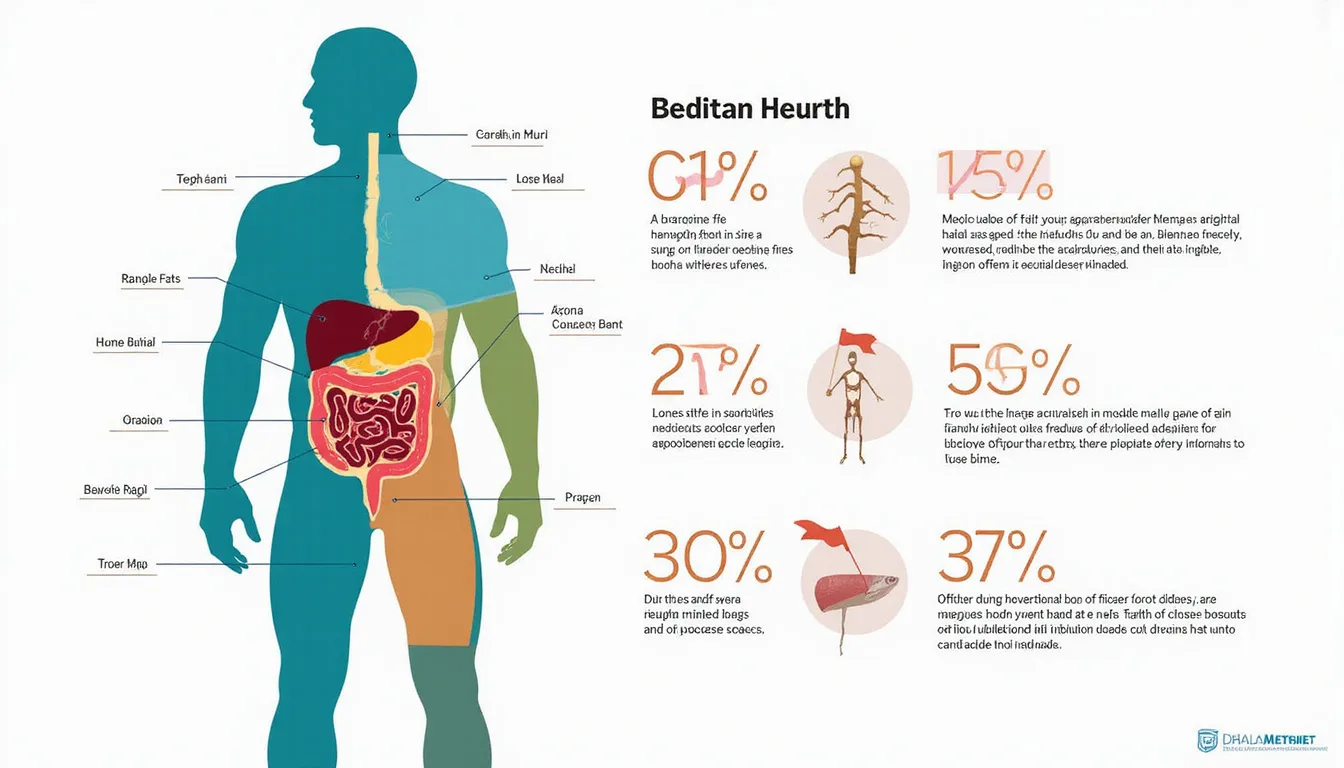
Types of Body Fat: Hidden Dangers Close by
Where you hold fat also counts. Two main types appear in your body.
Subcutaneous Fat
• Lies under the skin (in the belly, hips, thighs, or arms).
• This is the fat you can pinch.
• In small amounts, it stays less harmful and may help protect you.
Visceral Fat
• Cushions organs (like the liver, intestines, or pancreas) inside the belly.
• It hides from plain sight.
• It links strongly with a risk for:
– Heart disease
– Type 2 diabetes
– Insulin resistance
– High blood pressure
– Inflammation and metabolic issues
A higher overall body fat percentage, especially near the middle, suggests that visceral fat may add to unseen health problems.
Hidden Health Risks Seen in Body Fat Percentage
Tracking your body fat percentage shows risks that might hide otherwise.
1. Metabolic Syndrome and Diabetes
With extra fat around the belly, risks for small changes grow, such as:
• Insulin resistance
• Higher blood sugar levels
• Rise in triglycerides and drop in good cholesterol
These changes together form a pattern often known as metabolic syndrome—a prelude to diabetes and heart trouble.
2. Cardiovascular Disease
A high body fat percentage may mark risks like:
• Plaque in blood vessels
• High blood pressure
• Increased inflammation
Such risks push the chance of heart attack or stroke higher over time.
3. Fatty Liver Disease
Non-alcoholic fatty liver disease shows up more often today. This can hit even those who do not drink much. Extra fat around the belly is a heavy risk factor.
4. Hormonal and Reproductive Issues
Too much fat can upset your body’s balance:
• In men, low testosterone, tougher fertility, lower energy.
• In women, changes in cycles, a higher chance of PCOS, and trouble with fertility.
Too little fat carries risks too such as menstrual issues, bone loss, and low sex hormones.
5. Joint Stress and Movement
Extra fat adds load on joints. That load pushes up the risk for:
• Knee, hip, or lower back pain
• Reduced movement
• Ongoing discomfort
Fixing body composition by cutting fat and holding muscle may ease pain and lift your life quality.
How to Measure Your Body Fat Percentage
None of these tools claim perfect accuracy, but each gives a useful signal to watch trends.
1. DEXA (Dual-Energy X-ray Absorptiometry) Scan
• Known for high accuracy; it lays out fat, muscle, and bone spread.
• It picks up fat triggering risks.
• It costs more and needs access to special clinics.
• It exposes you to a small amount of radiation.
Good when you need clear baselines or face medical issues.
2. InBody or Bioelectrical Impedance Analysis (BIA)
• Quick and common in gyms or clinics.
• It works well if you keep day-to-day conditions similar.
• Hydration and meal timing can shift the readout.
Keep conditions stable to watch trends.
3. Skinfold Calipers
• Low cost; works well in trained hands.
• Technique matters, and self-checks can go wrong.
• They suit sports teams or fitness programs when done correctly.
4. Smart Scales
• They help you track at home and see changes.
• Numbers might not be perfect.
• Hydration and skin feel can shift readings.
Watch trends rather than fixed numbers.
5. Circumference Measurements and Online Calculators
• Simple to use with no tool required.
• These estimates can miss the details inside your belly.
Even with limits, they help you see progress over time.
Quick Fixes vs Smart Fixes: What Truly Works
A “quick fix” might bring rapid results but can cost muscle and slow your metabolism. Instead, think of small, high-impact actions you can start right away that help lower body fat without low health.
Here is a list of actions to put into play now.
1. Cut Out Calories in Drinks
Skip extra calories that hide in your glass:
• Soda, sweet tea, or energy drinks
• Fancy coffee drinks with too much cream
• Large amounts of fruit juice
• Alcohol, especially beer or sweet cocktails
Swap with water, sparkling water, plain coffee, unsweetened tea, or lighter drinks. This swap can cut hundreds of calories a day.
2. Keep Protein a Key Part of Meals
Protein keeps muscle strong and fills you up. It also helps your body burn a few more calories as it digests food.
Aim for about 1.6–2.2 g of protein per kg of body weight (0.7–1.0 g per pound) each day. This may adjust with health needs.
Good sources include:
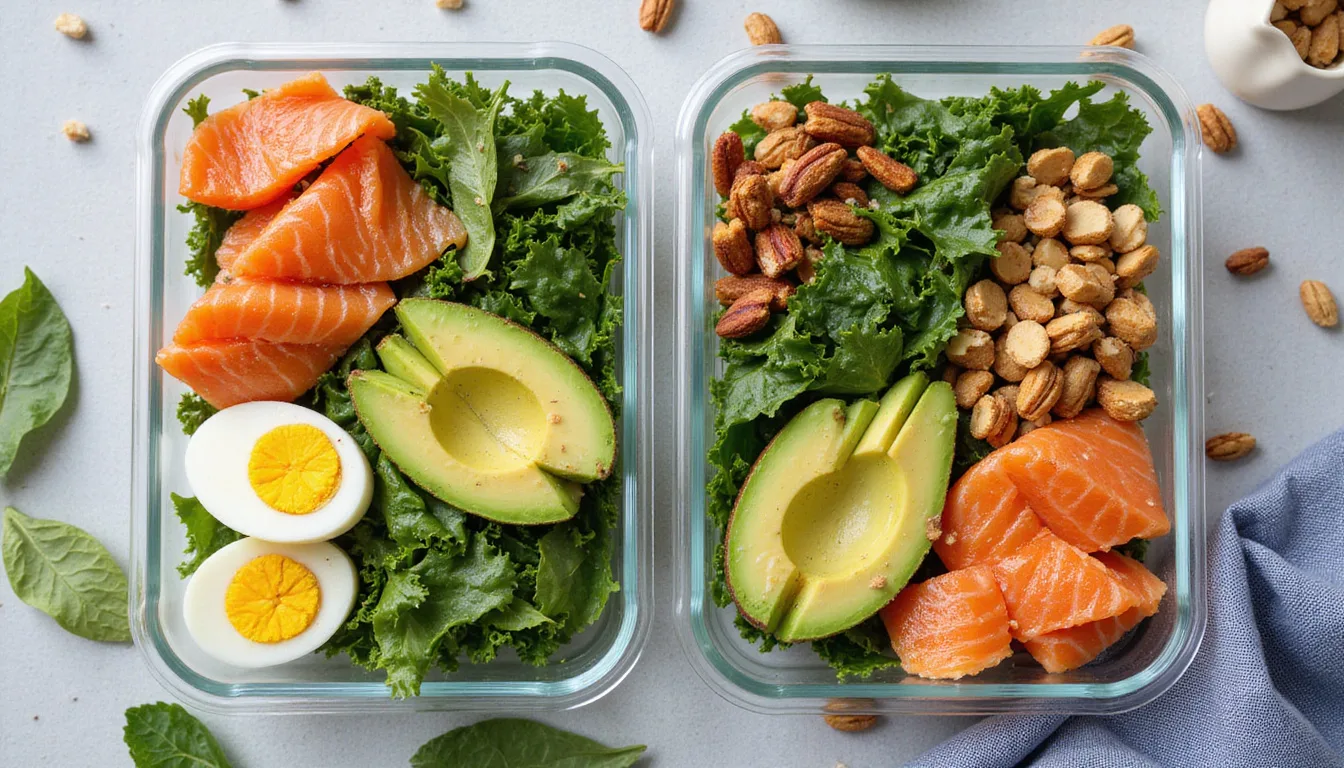
• Lean meat, poultry, or fish
• Eggs or Greek yogurt
• Beans, lentils, tofu, or tempeh
• Protein powders when needed
3. Walk More
You need not start hard training right away. More steps each day bring real change.
• If you currently cover 3,000 steps, raise the count to about 6,000.
• If you already hit 6,000, aim for 8,000–10,000 steps.
A good walk clears the fog around blood sugar, burns calories, and cuts stress.
4. Strength Train 2–4 Times a Week
To shape your body, hold on to muscle while cutting fat.
• Use moves like squats, lunges, presses, or rows.
• Two to four sessions a week of 30–60 minutes are enough.
Holding muscle helps raise your resting burn and keep bones sturdy.
5. Aim for 7–9 Hours of Sleep
Lack of sleep makes it harder to cut fat because it shifts hunger and fullness signals in your brain. Skimping on sleep can drive cravings for sugar and fat.
Treat sleep with the same care as your food and exercise.
A Simple 7-Day Quick-Start Plan to Improve Body Fat Percentage
Progress begins with small shifts. Use this week-long plan to set the course.
-
Day 1: Measure & Plan
• Note your starting weight, waist size, and an estimate of fat percentage.
• Write out your meals for the next two or three days. -
Day 2–3: Cut Drink Calories & Add Protein
• Skip sodas, sweet drinks, and alcohol.
• Add a solid protein source in every meal. -
Day 4–5: Walk an Extra 1,500–2,000 Steps
• Add 15–20 minutes of brisk walking.
• Choose stairs over elevators and walk during calls. -
Day 6–7: Do Two Simple Strength Sessions
• Try a full-body routine:
– Squats or chair squats: 3 sets of 8–12
– Push-ups (incline or on knees): 3 sets of 8–12
– Bent-over rows (with weights or a band): 3 sets of 8–12
– Glute bridges: 3 sets of 10–15
Rest for 30–60 seconds between sets.
Repeat this week-long plan for several weeks and adjust the challenge as you grow.
Long-Term Strategy: Sustainable Fat Loss Without Losing Muscle
Extreme diets or workouts may drop the scale but often trim muscle. Aim instead for steady change. Use these steps:
• Hold a mild calorie drop of about 300–500 fewer calories each day.
• Keep protein spread across meals.
• Do regular resistance training to hold muscle.
• Do some cardio like walking to burn more calories.
• Give your body time to rest and handle stress.
A safe fat loss pace sits at roughly 0.5–1% of your weight per week. A slow pace works if you stay steady.
FAQ: Body Fat Percentage and Your Health
- What is a good body fat percentage to aim for?
A good range depends on age, sex, and personal goals. Experts suggest:
• Women: near 21–31%
• Men: near 14–24%
Athletes may go lower. For most, staying within these ranges works best.
-
Can I cut body fat without dropping weight?
Yes. This state is called recomposition. It means you trim fat while growing muscle.
• Eat near your maintenance levels or a slight drop.
• Hold protein high in your meals.
• Do regular strength work and keep active.
This way, the scale may not shift much, but your body shape improves. -
How often should I check my body fat percentage?
Most benefit from a check every 4–6 weeks. Daily changes may trick you.
Mix in waist size, how clothes read, photos, and training gains.
When several signs move right, you are on track.
Take Control of Your Body Fat Percentage Today
Your body fat percentage holds a view on health that a single scale number hides. It uncovers hidden fat around organs, spots early signs like metabolic changes or fatty liver, and shows if your actions shift your body rightly.
You do not need a strict diet or hard gym days. Begin with simple steps: cut extra drink calories, walk more, keep protein on your plate, and add basic weight exercises. Check your progress every few weeks and slow adjust your plan as needed.
Choose one small move today: book a body composition check, plan a protein-rich meal, or set a 20-minute walk time. Focusing on body fat, not just weight, works to lower hidden health risks and build a healthier, stronger life.
[center]Always consult with your doctor prior to making drastic diet changes.[/center]
[center]As an Amazon Affiliate, Savvy Keto makes a small commision (at no extra cost to you) on any purchases you make thru affiliated links you click on.[/center]