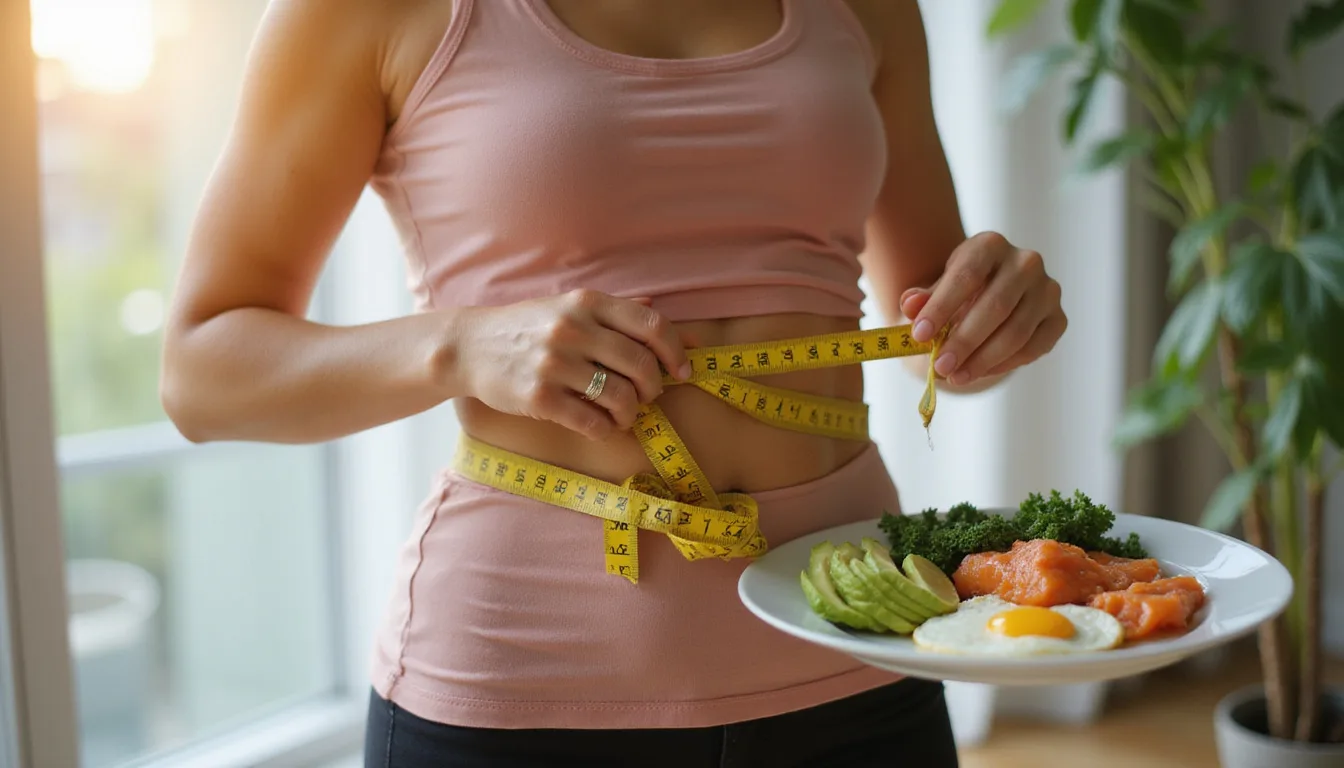
If your rings press tightly, your socks leave marks on your ankles, or your belly seems to swell without a clear cause, you may face water retention. It also goes by the name fluid retention or edema. This is a common issue that can change with simple, science-based tweaks to your daily routine.
This guide shows what water retention is, explains why it happens, points out when it may warn of a health problem, and lists research-supported ways to cut down on bloating.
What Is Water Retention, Really?

Water retention means extra fluid gathers in your tissues or body spaces. Instead of moving fast in your bloodstream and lymph channels, fluid stays behind between cells. This makes your hands, feet, legs, or abdomen feel swollen, puffy, or heavy.
Common signs include:
• Puffiness in your face, stomach, hands, or feet
• Tight shoes, socks, rings, or waistbands
• A heavy or stiff feeling in your arms and legs
• Indents on your skin after you press it (a sign of pitting edema)
• Weight changes of 1–5 pounds in a day or two
Short-term, low-level water retention is not normally a health risk. It often links to habits such as salt use, travel, or hormone shifts. However, ongoing or worse swelling might hint at a health problem.
The Simple Science Behind Water Retention
Water retention comes down to balance. Your body needs a firm balance among fluid, salt, blood pressure, and the work of your circulation and lymph systems.
Three key systems work together:
- Blood vessels carry blood and fluid. When pressure is high, fluid can leak out into nearby tissue.
- The lymph system drains extra fluid and returns it to your blood. If it slows down or stops, fluid gathers.
- Hormones and kidneys guide water and salt levels. Hormones like aldosterone and ADH signal your kidneys on what to keep or let go.
When these parts do not work in sync, you end up with extra fluid in your tissues. Here are key causes:
• Too much salt pulls water into tissues.
• Low blood protein (especially albumin) lets fluid pass out of blood vessels.
• Higher blood or vein pressure pushes fluid into tissues.
• Changes in estrogen, progesterone, cortisol, and insulin affect fluid levels.
Common Everyday Causes of Water Retention
Most people get water retention from daily habits that are easy to fix once they are seen.
1. High Sodium Intake
Salt brings water. Too much salt means your body holds extra fluid to keep balance.
Many foods hide high sodium:
• Packaged soups, sauces, and instant noodles
• Deli meats and bacon
• Fast food and restaurant choices
• Chips and salty snacks
• Frozen dinners and pizza
Even if you add little salt at meals, processed foods can push your salt intake high.
2. Hormonal Changes
Hormones can change fluid levels:
• Menstrual cycle: Many women see water retention in the days before their period as hormone levels change. This can cause breast tenderness, bloat, and swelling.
• Pregnancy: Increased blood volume and changing hormones may cause fluid to build up in legs, feet, and hands.
• Perimenopause/Menopause: Shifts in hormones may influence water balance.
These kinds of retention often change in cycles and can improve with simple lifestyle shifts.
3. Long Periods of Sitting or Standing
When you sit or stand still for long, gravity makes fluid pool in your lower legs and feet. Moving around helps push blood and fluid back toward your heart. Without movement, fluid stays behind and causes swelling.
4. Low Physical Activity
Your muscles help pump fluid through the body. Without enough activity, fluid does not move well and can build up, especially around your ankles and calves.
5. High-Carb or High-Sugar Meals
Carbs turn into glycogen and store water with it. After a very high carb or sugary meal, you may see a small weight gain and puffiness from the water stored with glycogen. This is not fat gain but water held inside the body.
6. Dehydration
Not drinking enough may seem odd but can add to water retention. When you are low on water, your body sends more ADH. ADH tells your kidneys to hold onto water, which can lead to swell and puffiness even though you are not well hydrated.
7. Certain Medications
Some drugs list fluid buildup or swelling as a side effect. These include:
• Some blood pressure tablets
• NSAIDs (nonsteroidal anti-inflammatory drugs)
• Certain diabetes drugs
• Hormone treatments, including some birth control methods
If you think a drug causes bad water retention, talk with your doctor before you adjust or stop it.
When Water Retention Might Signal a Health Problem
Most water retention comes from everyday habits. But persistent or severe swelling might be a sign of something more serious.
Some conditions that may lead to fluid buildup are:
• Heart failure – The heart may not pump blood well, so fluid builds up in the legs, abdomen, or lungs.
• Kidney disease – Damaged kidneys may not filter fluid and salt properly.
• Liver disease – Low albumin from liver issues can let fluid leave blood and pool in tissue, often in the abdomen.
• Lymphedema – Blocked or damaged lymph channels cause swelling, often in one limb.
• Thyroid disorders – Overactive or underactive thyroid glands can change fluid balance.
See a doctor if you have:
• Sudden, severe swelling (especially in one leg)
• Swelling along with chest pain or trouble breathing
• Quick, unexplained weight gain (more than 5 pounds in a few days)
• Swelling that feels hot, red, or painful
• Swelling that does not get better with rest and raising the affected area
Persistent water retention deserves a check from a doctor to see if another illness plays a part.
Food Fixes: Nutrition Strategies to Cut Down on Water Retention
Your food choices go far in helping you balance fluid. Small changes in your meals may help ease feelings of puffiness and bloating.
1. Reduce Sodium—Stick to Good Taste
Most adults find that less salt helps lower water retention. A common aim is 1,500–2,300 mg of sodium each day. Some ideas:
• Cook at home using fresh foods
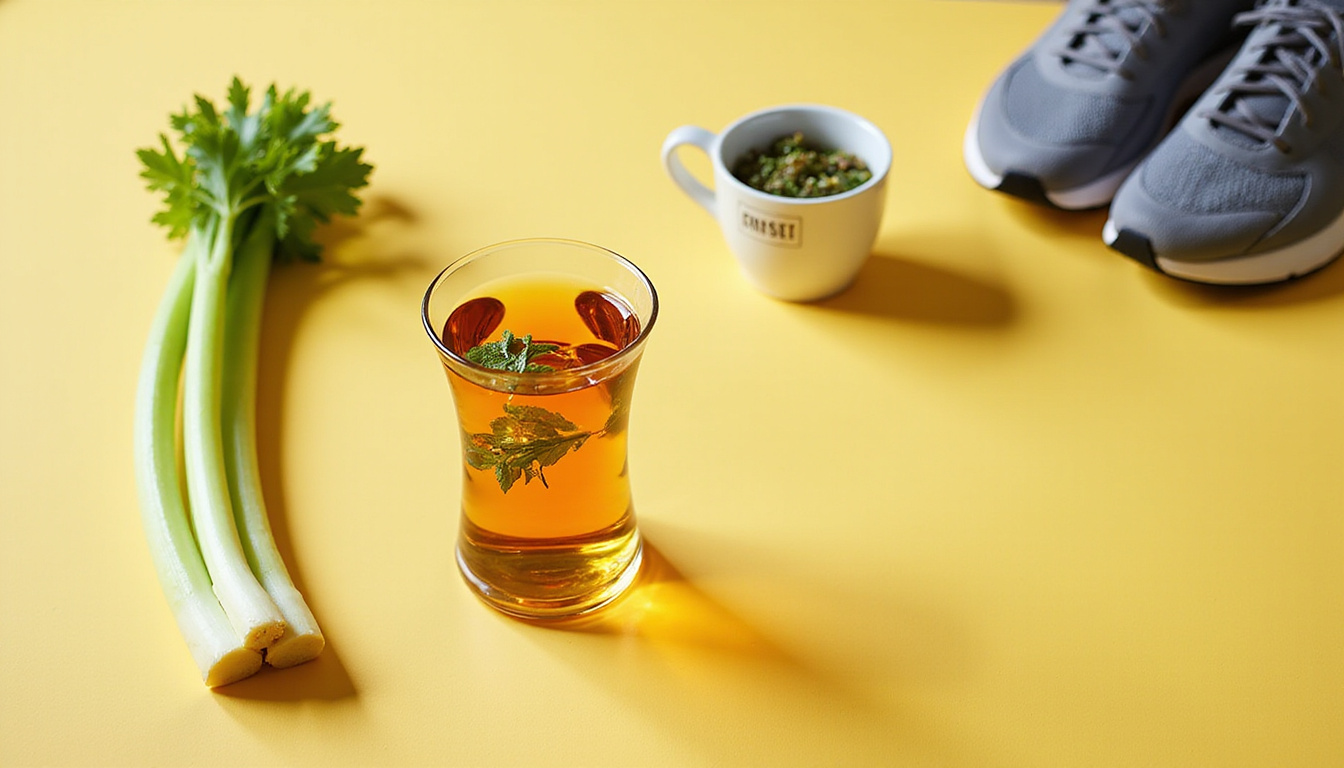
• Use herbs, spices, garlic, citrus, and vinegar in place of salt
• Pick low-sodium or no-salt versions of beans, tomatoes, and broths
• Cut back on processed meats and fast food
• Check labels carefully for salt amounts
You do not have to remove salt; just keep it at a level that helps your body balance fluid well.
2. Eat More Potassium-Rich Foods
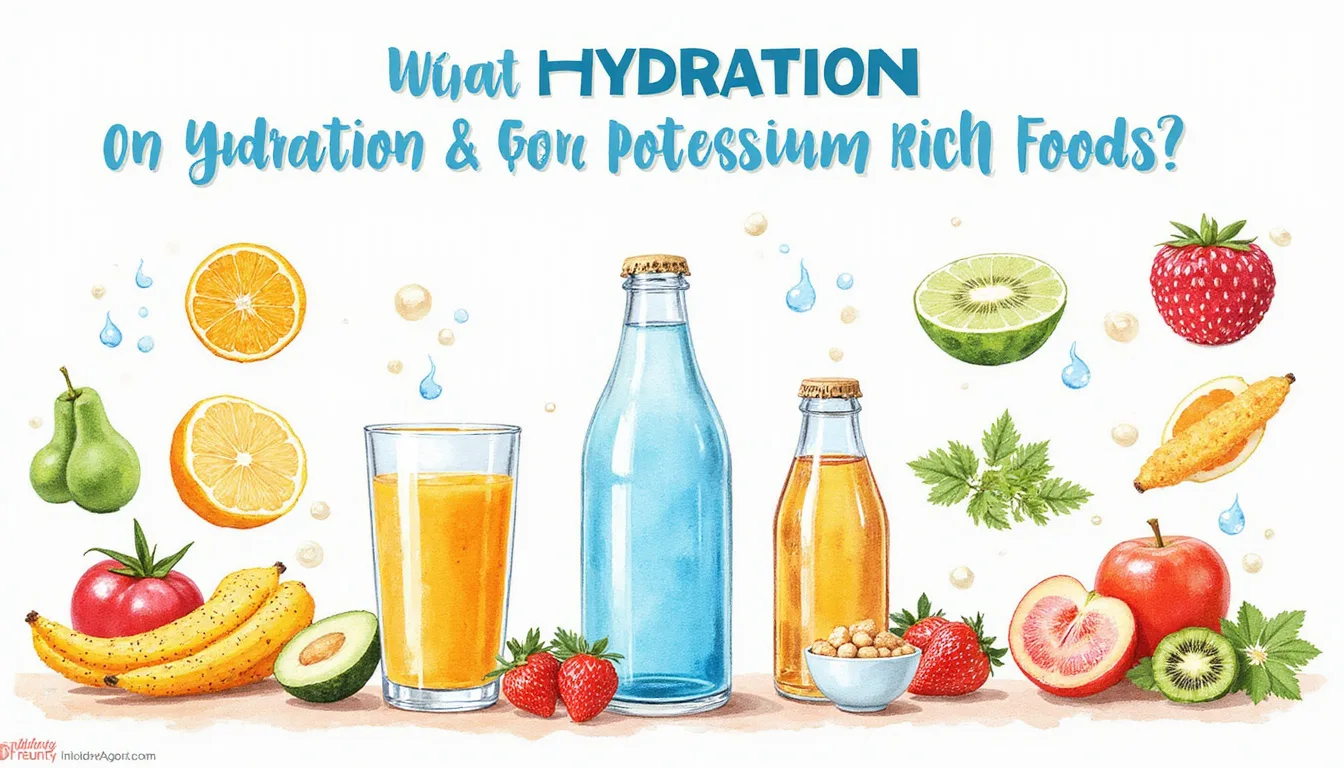
Potassium helps your kidneys manage salt. More potassium often means less water held in your tissues. Try:
• Bananas, oranges, and kiwifruit
• Avocados
• Leafy greens such as spinach and chard
• Potatoes and sweet potatoes (with skin)
• Beans and lentils
• Yogurt
If you have kidney issues or take some drugs, ask your doctor before you add much potassium.
3. Choose Water-Rich, Whole Foods
Foods high in water can keep you hydrated and help balance fluids:
• Cucumbers
• Watermelon or cantaloupe
• Berries
• Celery
• Lettuce and other greens
• Tomatoes
• Zucchini
These choices also tend to have less salt and more fiber, which is good for digestion and lessening bloat.
4. Watch Refined Carbs and Sugary Foods
Too many refined carbs (like white bread, pastries, sweets, or sugary drinks) may spike your blood sugar. This can cause a short-term water gain as your body stores glycogen and water.
Pick whole grains like oats, quinoa, brown rice, and whole wheat. Combine them with beans, lentils, and balanced amounts of protein and fats to keep your bloodstream steady.
Hydration Habits That Help End Bloating
Drinking enough water helps your kidneys work well. Though it might seem odd, more water helps your body let go of extra fluid.
1. Drink Often During the Day
Rather than gulping a large amount all at once, sip water steadily:
• Keep a water bottle close and fill it several times during the day.
• Use the color of your urine (light yellow) to check your hydration.
• Change your intake based on your activity, weather, and how much you sweat.
Most adults need about 1.5–3 liters of water each day from drinks and food, but each body is different.
2. Limit Too Much Alcohol
Alcohol makes you lose water and can upset your hormone and fluid balance. This may cause both dehydration and puffiness.
• Try to drink water between alcoholic drinks.
• Stick to moderate drinking levels.
3. Sip on Herbal Teas (Stay Clear of Quick-Fix Labels)
Herbal teas such as dandelion, green tea, or parsley tea can help your body let go of a bit of extra water. Keep in mind that:
• They are only a support and not a cure.
• Some “detox” teas have strong laxatives or stimulants that may not be safe.
Use these teas as one tool among many.
Movement & Lifestyle: Get Your Fluid Moving
How you move affects your fluid balance. Simple physical shifts can help your body move extra water.
1. Move Your Body Each Day
Exercise gets your blood and lymph moving. This helps push extra fluid out of tissues. Some ideas include:
• A brisk walk
• Light cycling
• Swimming or water aerobics (easy on joints)
• Simple strength work, especially for your legs
Even a 10–20 minute break from sitting can cut down swelling in your ankles and legs.
2. Break Up Long Stretches of Sitting or Standing
If your work keeps you in one spot:
• Stand and walk for 3–5 minutes each hour.
• Flex your ankles and calves while seated.
• Change your position often if you stand.
This small movement acts like a pump to help move fluid from your lower body.
3. Raise Your Legs When You Can
Resting with your legs raised helps move fluid back toward your heart:
• Lie down and rest your legs on pillows so they stay above your heart.
• Doing this for 15–20 minutes one or twice a day can help if you swell.
4. Wear Compression Garments If Needed
Compression socks or stockings squeeze your legs gently. They support veins and lymph channels and help prevent fluid buildup. Use these if you stand or sit a long time, have mild vein issues, or if your doctor suggests them.
Special Situations: Hormones, Periods, and Water Retention
When hormones change, water retention usually shows distinct signs and ways to help.
Menstrual Cycle and PMS Bloating
Before your period, you may see:
• A bloated stomach
• Tender or swollen breasts
• A slight weight increase
Try these tips:
• Keep salt low during this time.
• Drink plenty of water and keep alcohol low.
• Eat foods with magnesium such as leafy greens, nuts, seeds, and whole grains.
• Do gentle exercise or stretching for better blood flow and digestion.
Pregnancy Water Retention
Light to moderate swelling in the feet and ankles happens often during pregnancy. To cope:
• Avoid long periods of standing.
• Raise your feet when you get the chance.
• Choose comfortable and supportive shoes.
• Drink enough water and manage salt intake.
Always alert your prenatal provider if the swelling becomes sudden or severe, especially in the face or hands.
A Simple Step-by-Step Plan to Reduce Water Retention
Here is a clear plan to start this week:
-
Track your salt use for 2–3 days
• Use an app or food labels to see where salt hides. -
Swap high-salt foods for ones with less salt
• Replace canned soups or instant meals with home-cooked dishes using fresh food.
• Pick broths, sauces, and snacks with low salt levels. -
Add more potassium-rich and water-rich foods
• Include one potassium-rich food at each meal, such as a banana, yogurt, or leafy greens.
• Aim for two servings daily of fruits or vegetables that have many waters. -
Set a water goal
• Use a bottle of 500–750 ml and try to finish and refill it 2–3 times during the day. Adjust as needed. -
Add daily movement and time with raised legs
• Enjoy a 20–30 minute walk on most days.
• Rest with your legs raised for 15 minutes in the evening if you often swell. -
Watch your body’s changes
• Note how your clothes fit, your energy levels, and if your weight slowly improves over 1–2 weeks.
Frequently Asked Questions About Water Retention
1. How do I know if my bloat comes from water retention or gas?
Water retention bloat often shows as swelling in the face, ankles, or hands and does not go away after using the bathroom. Gas bloat tends to be more in the stomach area, may come with cramps, and usually eases after passing gas or a bowel movement. Many find that they face both at different times.
2. What helps fast with water retention in the legs?
To cut down on water in the legs, try these:
• Rest with your legs raised above your heart for 15–20 minutes.
• Walk or stretch lightly to boost blood flow in your calves and ankles.
• Lower your salt and keep hydrating.
• Wear compression socks if your doctor advises this.
If you see rapid or one-sided leg swelling, ask your doctor right away.
3. Can supplements help with water retention?
Some take magnesium, vitamin B6, or herbal extracts to manage fluid balance, especially around their period. But people differ in how they respond, and supplements can mix with medications or health issues. Always consult a doctor before you start a supplement for water retention, especially if you have kidney, heart, or liver concerns.
Take Control of Water Retention—And How You Feel Day to Day
Water retention may frustrate you, tighten your clothes, and change your weight. The good news is that many cases of water buildup improve with small, science-supported changes. Tweak your salt and potassium balance, keep up with your water, move around, and help your blood flow.
You do not need to change everything at once. Start by reducing processed foods and adding a daily walk. Over time, small changes can ease bloating, puffiness, and that heavy feeling.
If you find that the swelling is severe, one-sided, or unchanged after these changes, use that sign to talk with a health professional. Your body gives you clear signals.
Ready to feel lighter and more at ease in your body? Pick one tip from this guide, put it into practice for the next week, and see how your water retention—and your energy—begin to change.
[center]Always consult with your doctor prior to making drastic diet changes.[/center]
[center]As an Amazon Affiliate, Savvy Keto makes a small commision (at no extra cost to you) on any purchases you make thru affiliated links you click on.[/center]