
Sugar withdrawal feels strong. Headaches hit fast. Mood swings come quickly. Fatigue and deep cravings also appear when you cut back on sugar. If you have tried to reduce sugar and felt terrible, you are not imagining it. Your brain responds to a sudden drop in sugar. Your body does too. Knowing this is the first step to manage the change and feel better later.
This guide shows what happens when you cut sugar. It then shares seven proven, practical ways to stop cravings without counting only on willpower.
What is sugar withdrawal, really?

You eat added sugar often. Sweets, sugary drinks, baked goods, and processed foods flood your body with sugar. Your brain gets used to quick rises in glucose. This lights up a reward center in your brain. It sends out dopamine and other chemicals that make you feel good. This pattern is like that seen with some addictive drugs, though it is less strong.
When you cut back fast, your brain loses its quick sugar hit. Your body feels a shock. This drop can bring:
- Irritability and mood swings
- Headaches
- Fatigue or a foggy mind
- Sudden, strong cravings for sweetness
- Trouble sleeping
- More hunger even after eating
These signs come and go. They may feel very strong. A plan can help you pass through this phase.
How long does sugar withdrawal last?
Each person is unique. Here is a general outline:
- Days 1–3: Cravings rise. Headaches, fatigue, and irritability come in.
- Days 4–7: Symptoms reach their peak. They then start to ease. Sleep and energy may go up and down.
- Weeks 2–4: Cravings usually shrink in strength and number. Mood and energy steady out.
- After 1 month: Most people see far fewer cravings and gain more control over sweet foods.
If you eat very high levels of sugar or refined carbs, you may feel the change more strongly at first. With the right plans, you will find the shift easier.
1. Stabilize your blood sugar with protein, fiber, and healthy fats
Unstable blood sugar makes sugar cravings worse. When it falls, your body sends a fast alarm. It then seeks quick fuel.
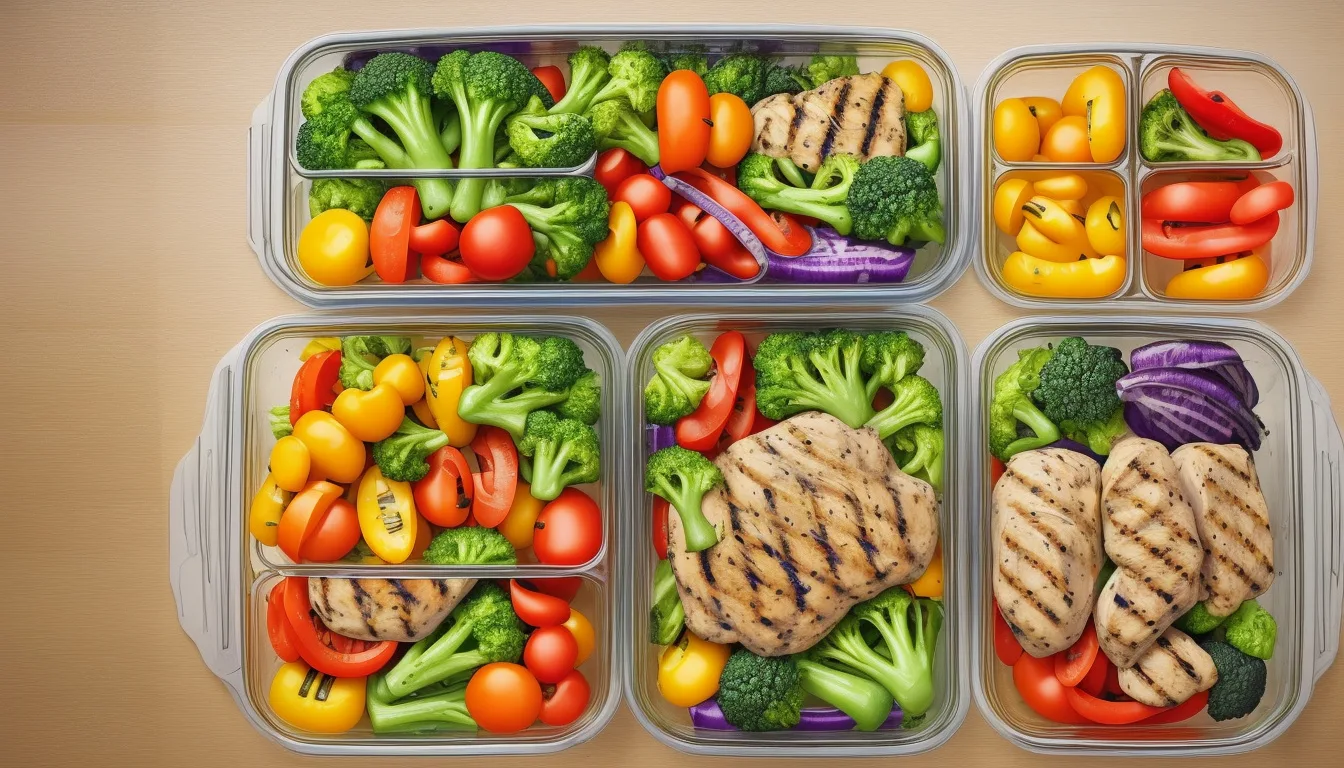
Build every meal around three parts:
-
Protein (20–30g per meal when you can)
- Examples: eggs, Greek yogurt, cottage cheese, chicken, turkey, tofu, tempeh, lentils, fish
- It slows digestion and keeps you full. It helps the blood-sugar level stay steady.
-
Fiber (from non-starchy veggies and whole foods)
- Examples: leafy greens, broccoli, Brussels sprouts, beans, chia seeds, oats, berries
- It slows glucose uptake and makes you feel full.
-
Healthy fats
- Examples: avocado, nuts, seeds, olive oil, fatty fish, nut butters
- It takes longer to digest. It helps you feel steady with energy.
Sample meals:
- Breakfast: Greek yogurt with chia seeds, berries, and chopped nuts
- Lunch: Grilled chicken salad with mixed greens, olive oil dressing, and quinoa or beans
- Dinner: Baked salmon, roasted Brussels sprouts, and a small portion of sweet potato
- Snack: Apple slices with almond butter or carrots with hummus
This plan helps you keep blood sugar level smooth. When your blood sugar stays steady, cravings fall away.
2. Hydrate like it’s your job
Dehydration tricks you into thinking you are hungry. During sugar withdrawal, you may cut out sodas or juice. This change can lower your fluid intake.
Aim for:
- 8–10 cups (2–2.5 liters) of fluid per day.
- More if you work hard or sweat a lot.
To drink enough water:
- Start the day with a large glass of water before coffee or tea.
- Sip water slowly instead of gulping it down.
- Add lemon, cucumber, or berries to water for a fresh taste without sugar.
- Try unsweetened herbal teas like peppermint or chamomile.
When you feel a craving, drink a full glass of water and wait for about ten minutes. You may find the craving drops.
3. Don’t go “cold turkey” overnight if you don’t have to
Some stick to an all-or-nothing plan. If you feel ready, cutting sugars all at once can work. For many, a slow and steady plan makes the change less harsh and works better in the long run.
How to taper sugar step by step
Instead of a sudden change, cut back in parts:
-
Week 1: Remove clear sweets
- Skip candy, cookies, desserts, sugary drinks, and cereals high in sugar.
- Keep whole fruits and simple foods.
-
Week 2: Clean up hidden sugars
- Read labels on sauces, dressings, flavored yogurts, protein bars, and snacks.
- Pick low or no sugar versions.
-
Week 3: Change your carb choices
- Cut back on white bread, pasta, and rice.
- Use whole grains or smaller portions.
-
Week 4 and on: Fine-tune your plan
- Decide if you want a treat sometimes and how often.
- Aim for a steady way of eating, not a strict fix.
A slow reduction still creates some withdrawal but makes it easier to manage.
4. Use smart swaps instead of pure restriction
Banishing all sugar at once can backfire. Part of fighting sugar withdrawal is to change your taste and habits. It is not just about saying “no.”
Swap high-sugar foods for lower-sugar choices
Try these swaps:
- Soda becomes sparkling water with lemon or lime
- Sweet yogurt becomes plain Greek yogurt with fresh fruit and a pinch of cinnamon
- Ice cream becomes frozen berries blended with a little milk or plain yogurt
- Sugary cereal becomes unsweetened oatmeal mixed with nuts and a few berries
- Candy becomes a small piece of dark chocolate (70%+ cocoa)
Soon, your taste will lean toward foods with less sugar.
What about sugar substitutes?
Sweeteners like stevia or monk fruit may help at first. But they are not a complete fix:
- They can keep your taste for extreme sweetness alive.
- Some people find they prompt more cravings or upset digestion.
Use these sparingly. Focus on whole and simple foods most of the time.
5. Guard your sleep and lower stress (or cravings win)
Lack of sleep and high stress make the need for quick energy worse. This is most true when you stop eating sugar.
Put sleep first
Not enough sleep makes your hunger hormone ghrelin rise. It also lowers leptin, the hormone that tells you when you are full. This mix makes cravings worse.
Try to get:
- 7–9 hours of sleep each night.
- A set time to sleep and wake every day.
- A 30–60 minute wind-down routine away from screens.
Even small improvements in sleep help lessen withdrawal symptoms.
Lower stress where you can
Stress raises cortisol. This makes your body ask for fast fuel. With less sugar, this urge feels very strong. You can try:
- A short daily walk, light stretching, or a bit of yoga.
- Slow breathing: breathe in for four seconds, then let out for six or eight seconds.
- Journaling, prayer, meditation, or simple grounding steps.
- Setting small limits for email, social media, or late work.
Choose one or two small habits that help you keep calm.
6. Move your body (but don’t use exercise as punishment)
Exercise helps in many small ways during sugar withdrawal:
- It helps your body use glucose better.
- It starts chemicals in the brain that lift your mood.
- It gives you a non-food way to feel good.
But when you feel low on energy from withdrawal, too much exercise may make you crave more sugar.
How to use movement smartly
- Start small: Even ten minutes counts. Walk around the block, climb stairs, or try a short home routine.
- Change it up: Mix walking with light strength work, stretching, or dancing.
- Pair it with a craving: When a craving hits, move for five to ten minutes first. Often, the craving will feel less strong afterward.
The aim here is to build a habit that keeps your energy steady and your mood even.

7. Build a plan to face cravings (instead of relying on willpower)
Battling cravings with sheer will rarely lasts long. A set plan can help you face the worst of sugar withdrawal without feeling overwhelmed.
Try this step-by-step plan:
-
Stop and name it
- Say: “This is a craving. It will pass.”
- Naming the feeling helps you deal with it.
-
Check your basics
- Did you eat a meal with protein, fiber, and fat in the last three to four hours?
- Do you need water? Drink a full glass.
-
Rate your craving (1–10)
- This lets you watch it instead of letting it control you.
-
Use a short distraction (5–10 minutes)
- For example: walk outside, call a friend, fold laundry, stretch, or tidy up a small area.
- Set a timer. Tell yourself you will decide about the sweet food when it goes off.
-
Rate the craving again
- Often, it will drop from high to lower after a few minutes.
-
Make a clear choice
- If the craving stays high and you choose a sweet, do it with care:
- Eat a set portion instead of the whole pack.
- Eat slowly at a table with no distractions.
- Do not feel bad—learn from it.
- If the craving stays high and you choose a sweet, do it with care:
By repeating these steps, cravings get weaker with time. The real win is that you choose your food instead of feeling pushed to it.
What to expect mentally and emotionally
Sugar is more than a taste. It ties to comfort and reward. It plays a part in social time—like sharing dessert or eating birthday cake—and in warm memories, such as baking with family.
When you cut down on sugar, you change more than a nutrient. You change habits, daily rituals, and ways to cope. You might feel:
- Irritable or very emotional
- A sense of loss even while you eat well
- Awkward during food gatherings
- Doubt: “Is this change worth it?”
Face these feelings. They come with the change. In time, many build new habits. You might enjoy a warm herbal tea, a short walk in the evening, or simple ways to celebrate that feel good.
Common mistakes that make sugar withdrawal harder
Stay away from these traps:
- Skipping meals or having meals that are too light on protein and fat
- Eating very few calories while also cutting sugar
- Drinking many diet sodas or sugar-free snacks that keep the sweet taste in your mouth
- Not reading labels—sugar hides in sauces, dressings, breads, and snacks
- All-or-nothing thinking, where one slip feels like a total failure
- Ignoring sleep and stress and then blaming yourself for not being strong
See sugar withdrawal as a reset. Your goal is a way of eating that lasts, not a strict, short-term fix.
FAQ: Sugar withdrawal questions, answered
1. How can I stop sugar cravings fast?
To calm cravings quickly:
• Drink a full glass of water.
• Eat a small, balanced snack with protein and fat. For example, nuts, Greek yogurt, or cheese with veggies.
• Do five to ten minutes of light movement.
• Try a brief distraction task.
These moves help steady your blood sugar so your brain can wait out the craving.
2. What are common sugar detox signs, and are they dangerous?
During sugar withdrawal, many feel:
• Headaches
• Irritability or anxiety
• Tiredness or brain fog
• Strong cravings for sweets or carbs
For most healthy people, these signs feel bad but do not harm you. They usually lessen in one to two weeks. If you have diabetes or low blood sugar, check with a healthcare worker before making big changes.
3. Can I eat fruit during sugar withdrawal?
In most cases, yes. Whole fruit is not like added sugar. Fruit contains:
• Fiber
• Water
• Vitamins, minerals, and antioxidants
These help slow the release of sugar into the blood. If you are very sensitive or on a special plan, you may need a different guide. For most, one to three servings of fruit a day works well when you cut sugar.
Ready to crush sugar cravings and feel in control again?
You can win back control over your food. A clear plan makes sugar withdrawal a short change that leads to steady energy, a clearer mind, and more confidence in your food choices.
Start with one or two of these ideas:
- Build protein, fiber, and healthy fat into your next meal.
- Replace one sweet drink with water or herbal tea.
- Write down a 10-minute plan for when cravings hit and keep it near you.
Then add more small habits as you feel ready. Every time you face a craving, every small swap you make, you build a future that feels better.
If you wish, share how much sugar you eat on a normal day and tell me your biggest challenge. I can then help you plan a step-by-step sugar withdrawal plan that fits your life.
[center]Always consult with your doctor prior to making drastic diet changes.[/center]
[center]As an Amazon Affiliate, Savvy Keto makes a small commision (at no extra cost to you) on any purchases you make thru affiliated links you click on.[/center]