
Low Carb Energy Hacks That Skyrocket Focus, Mood, and Performance
You try low carb; you feel tired, foggy, or irritable. Many people dive into low carb energy plans to gain steady fuel and clear thought. Some then hit a “low carb wall.” This guide shows how your body shifts and gives you smart steps to keep your focus, mood, and performance strong.
It explains how low carb works in your body, why you feel low at first, and gives easy hacks to stay alert and strong all day.
Why Low Carb Changes Your Energy (and Brain) in the First Place

Your body uses carbohydrates as its main fuel. When you drop carbs, your system shifts to burn more fat and to produce ketones from fat.
At first, this shift feels hard:
• Your body gets less quick energy from glucose.
• Your insulin drop causes more water and salt to leave your body.
• Your hormones adjust, especially those for stress and the thyroid.
After a while, many people feel:
• Fewer crashes in the middle of the day.
• A steadier mood.
• Clearer thoughts and stronger memory.
• Better endurance during steady exercise.
The key to doing well on low carb depends on the way you switch your diet, the foods you use, and how you support your brain and nerves.
Step 1: Set Up a Smart Low Carb Foundation (Not Just “Cut Carbs”)
Eating low carb is more than removing bread and sugar. It means adding foods that supply clean, steady energy.
Choose Carbs with Care
Do not cut all carbs at once. Instead, pick good quality carbs and use them at the right times:
• Eat whole, fiber-rich foods like non-starchy vegetables and berries.
• Some root vegetables or legumes may fit if you handle them well.
• Use most carbs later in the day or after exercise if your blood sugar is sensitive.
• Do not eat plain carbs; put them together with protein and fat to help steady your energy.
Build Meals with Protein and Healthy Fats
Each meal should have protein and fat at its heart. Carbs can sit in the background.
Some good building blocks are:
• Proteins: eggs, poultry, fish, seafood, beef from grass-fed animals, Greek yogurt, cottage cheese, tofu, tempeh
• Fats: avocado, olive oil, olives, nuts, seeds, coconut products, butter, or ghee
• Non-starchy veggies: leafy greens, broccoli, cauliflower, zucchini, peppers, mushrooms, asparagus
Step 2: Master Electrolytes – The Missing Link in Low Carb Energy
Many low carb symptoms like fatigue, headaches, brain fog, and irritation come from losing electrolytes.
When you lower carbs:
• Insulin falls, leading your kidneys to drop more salt and water.
• Your body loses sodium, potassium, and magnesium faster.
Without enough of these minerals, your nerves and muscles cannot work well, and your energy drops.
Daily Electrolyte Targets (General Starting Points)
These targets serve as useful guides for many adults on a low carb diet:
• Sodium: 3,000–5,000 mg per day (from salt, broth, or food—if you have no heart or kidney issues)
• Potassium: 3,000–4,000 mg per day (mainly from food, unless your doctor advises otherwise)
• Magnesium: 300–400 mg per day (a supplement often helps)
Check with a healthcare provider if you have blood pressure, kidney, or heart problems.
Simple Electrolyte Steps
• Drink a glass of water with a pinch of sea salt when you wake up.
• Use bone broth or salted vegetable broth daily.
• Enjoy potassium-rich low carb foods like avocado, spinach, mushrooms, salmon, and leafy greens.
• Take a magnesium supplement if needed (forms like glycinate, malate, or citrate work well).
Many people see better energy and clear thought in days once their electrolytes balance.
Step 3: Use Metabolic Flexibility to Your Advantage
A low carb plan shines with metabolic flexibility. Your body learns to switch its fuel between carbs and fats/ketones.
This flexibility helps:
• Bring steady energy between meals.
• Burn fat more effectively.
• Cut down on extra snacks and caffeine.
Do Not Shock Your Metabolism Overnight
Switch your diet gradually to lessen the “low carb flu” and keep performance steady:
- Week 1: Remove refined sugar and ultra-processed carbs; keep whole-food carbs.
- Week 2: Halve starch portions like bread, pasta, rice, and potatoes and boost protein/fat.
- Week 3 and on: Move toward your target carb range (often 25–100g net carbs per day, based on your needs).
Train Your Body to Burn Fat
Help your body shift slowly to burning fat:
• Do light or moderate cardio like walking or cycling in a fasted or low carb state.
• For intense training like sprints or heavy lifts, use a higher carb window.
• Do not snack constantly; try for three solid meals with enough protein and fat.
Soon, your low carb energy will stay steady without crashing every few hours.

Step 4: Low Carb Energy for Laser Focus and Calm Mood
Your brain needs energy and can use ketones in low carb states. Many people report a “clean” mental fuel from ketones.
Some research shows ketones work well for the brain and may lower stress on your cells.
Low Carb Habits to Keep You Focused
• Start your day with protein and fat.
Example: eggs with avocado and spinach cooked in olive oil, plus a side of Greek yogurt.
• Eat a light, low carb lunch to avoid an energy drop in the afternoon.
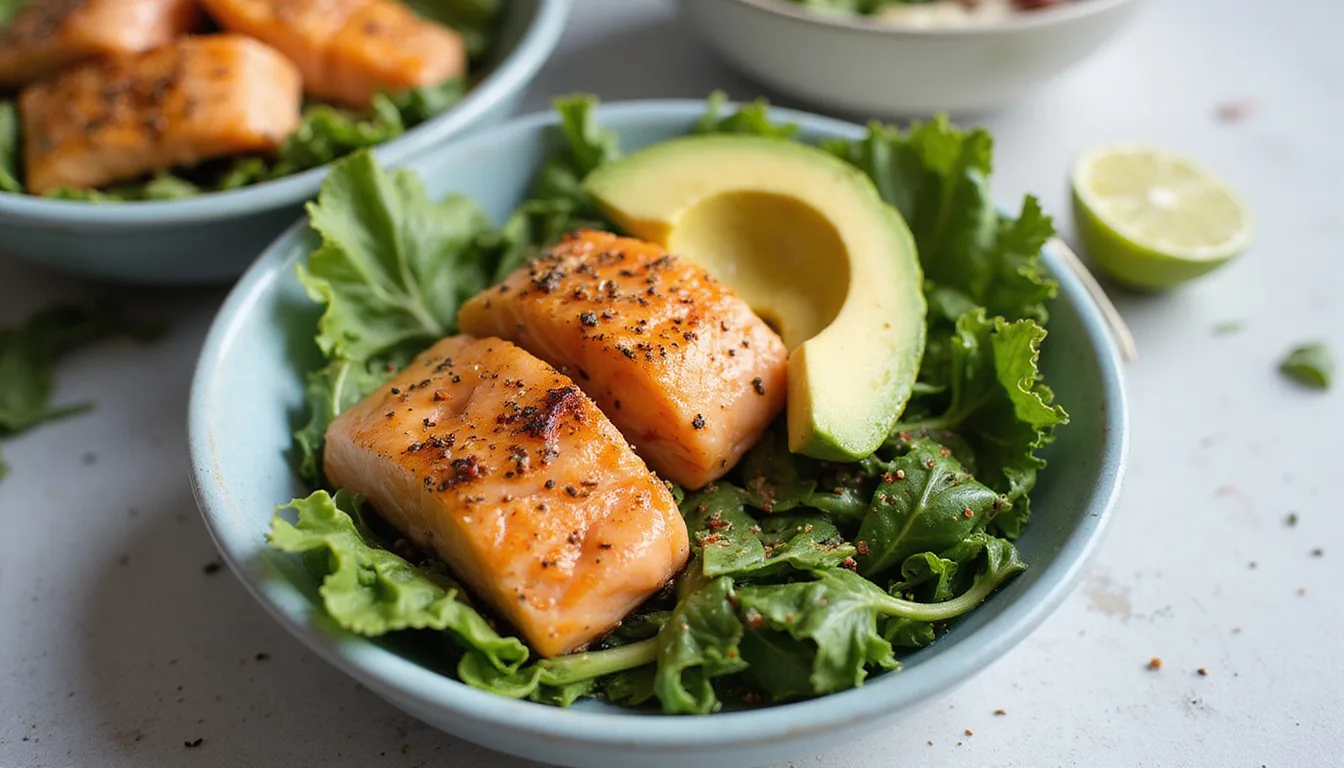
Example: a big salad with salmon, olives, pumpkin seeds, and olive oil dressing.
• Use a stronger carb load in the evening if it helps you relax or sleep.
Foods That Support Your Brain
Certain nutrients help your nerves and brain:
• Choline: found in eggs, liver, and salmon; it supports focus and memory.
• Omega-3 fats (EPA/DHA): in fatty fish or algae oil; they help mood and thought.
• B vitamins: in meat, eggs, and leafy greens; they power up energy and nerve function.
Using these foods in your low carb plan can give you steady mental power without too much caffeine.
Step 5: Time Your Low Carb Energy Around Workouts
A common worry is whether low carb can fuel a busy gym session or sports game. With good timing, it can.
Sync Your Carbs with Your Training
Consider carbs as a tool for performance:
• For high-intensity training (HIIT, sprints, heavy lifting):
- Have a small amount of carbs 60–90 minutes before exercise (like a piece of fruit or a small portion of rice or potatoes if you are not on strict keto).
• For low or moderate intensity (walking, easy cycling, yoga): - Many can train in a fully low carb state once they adapt.
Help Recovery Without Overloading on Carbs
After a workout, focus on:
• A protein portion (20–40g) to support muscle repair.
• Replenishing electrolytes and fluids.
• A small serving of whole-food carbs if you notice issues with sleep, mood, or performance—especially on hard training days.
Step 6: Simple Low Carb Energy Meal Blueprint
To keep low carb eating easy, use this meal plan template:
For each meal, make sure to include:
- A palm-sized (or larger) portion of protein
- 1–3 tablespoons of healthy fats
- 2 or more cups of non-starchy vegetables
- Optionally, a small serving of high-fiber or timed carbs according to your goals
Example Day of Eating for Steady Low Carb Energy
Breakfast (High Focus Start)
• 2–3 eggs cooked in olive oil or butter
• 1/2 avocado
• Sautéed spinach and mushrooms
• Black coffee or tea (if you hydrate first)
Lunch (Mid-Day Clarity)
• A large salad with mixed greens, cucumber, bell pepper, olives, and red onion
• 4–6 oz of grilled chicken or salmon
• Olive oil and lemon dressing
• A handful of walnuts or pumpkin seeds
• Sparkling water with a pinch of sea salt
Snack (If Needed)
• Unsweetened Greek yogurt with a few berries and chia seeds
or
• A small handful of nuts and a cheese stick
Dinner (Recovery and Relaxation)
• 4–6 oz of baked fish, chicken, or tofu
• Roasted non-starchy vegetables (like broccoli, cauliflower, or Brussels sprouts) tossed in olive oil
• Optionally, a small serving of roasted carrots or half a sweet potato if you tolerate more carbs in the evening
Step 7: Avoid Common Low Carb Energy Mistakes
Many missteps occur in low carb plans. Avoiding these will help you succeed.
The Main Pitfalls
• Not eating enough overall.
Low carb is not a reason to cut calories too far. Over time, too few calories can lower energy, harm hormones, and affect mood.
• Low protein intake.
Protein keeps you full, preserves muscle, and supports nerve health. Many feel tired when they do not eat enough protein.
• Skipping fats.
With fewer carbs, you must add enough fat so you do not feel depleted.
• Overlooking sleep and stress.
No diet replaces the need for good sleep and low stress. Both affect energy, cortisol, and blood sugar.
• Overdoing high-intensity exercise during the transition.
Reduce tough workouts for the first 1–3 weeks until your body adjusts.
Step 8: Quick-Action Low Carb Energy Hacks You Can Start Today
If you need a simple checklist, try these:
- Drink 500 ml of water with a pinch of sea salt soon after you wake.
- Eat 25–35 g of protein at breakfast (such as eggs, Greek yogurt, cottage cheese, a tofu scramble, or meat).
- Build your lunch around a large salad with protein and healthy fat while keeping carbs low at mid-day.
- Walk for 10–20 minutes after meals to help steady your blood sugar and energy levels.
- Stop snacking out of habit; if you feel hungry, boost the protein and fat in your meals.
- Limit caffeine to the early afternoon to support sleep and next-day energy.
- Keep a regular sleep schedule of 7–9 hours; low carb or not, poor sleep undercuts performance.
These small daily actions build over time into steady focus and reliable energy for body and mind.
FAQ: Low Carb Energy, Focus & Performance
-
How can I boost my energy on a low carb plan?
Focus on electrolytes, enough calories, and proper protein. Make each meal count with a solid protein source (about 20–35 g), healthy fats (like olive oil, avocado, or nuts), and plenty of non-starchy vegetables. Add salt through salt or broth, enjoy potassium-rich foods, and use magnesium if you need it. If you still feel low after 2–4 weeks, you might raise your carbs slightly, especially near workouts or in the evening. -
Why do I feel tired and foggy after switching to low carb?
Early on, the change to low carb can cause a “flu-like” feeling. This comes from lower carbs leading to more water and salt loss and causing a shift in your metabolism. Refill your electrolytes, switch diets slowly, and ease on very high-intensity exercise in the first weeks. Most people see energy and clarity improve as they adjust. -
Is low carb good for long-term energy and mental performance?
A well-planned low carb plan often gives steady energy and clear thought. It can help limit blood sugar swings and support the use of fat and ketones for energy. The answer lies in eating enough calories, focusing on protein and healthy fats, managing stress and sleep, and adjusting carbs to your activity and tolerance. Some do well on very low carbs, while others need a moderate, whole-food approach.
Turn Low Carb Energy into a Lasting Advantage
You do not need to choose between clear thought, steady mood, and physical strength on one side and a low carb plan on the other. With a plan filled with enough protein and fat, smart timing of carbs, balanced electrolytes, and careful attention to sleep and stress, low carb energy can be one of your best tools.
If you are ready to move past random experiments and feel steady, strong energy day after day, begin with two or three of the steps above this week. Watch how you feel, adjust your carb amount and timing with your workouts and mood, and give your body time to adjust.
After that, fine-tune your routine. Notice which foods and habits give you your best days, and stick with them. Your best low carb energy plan will be personal, but these ideas provide a solid way to build a plan that supports focus, mood, and peak performance consistently.
[center]Always consult with your doctor prior to making drastic diet changes.[/center]
[center]As an Amazon Affiliate, Savvy Keto makes a small commision (at no extra cost to you) on any purchases you make thru affiliated links you click on.[/center]