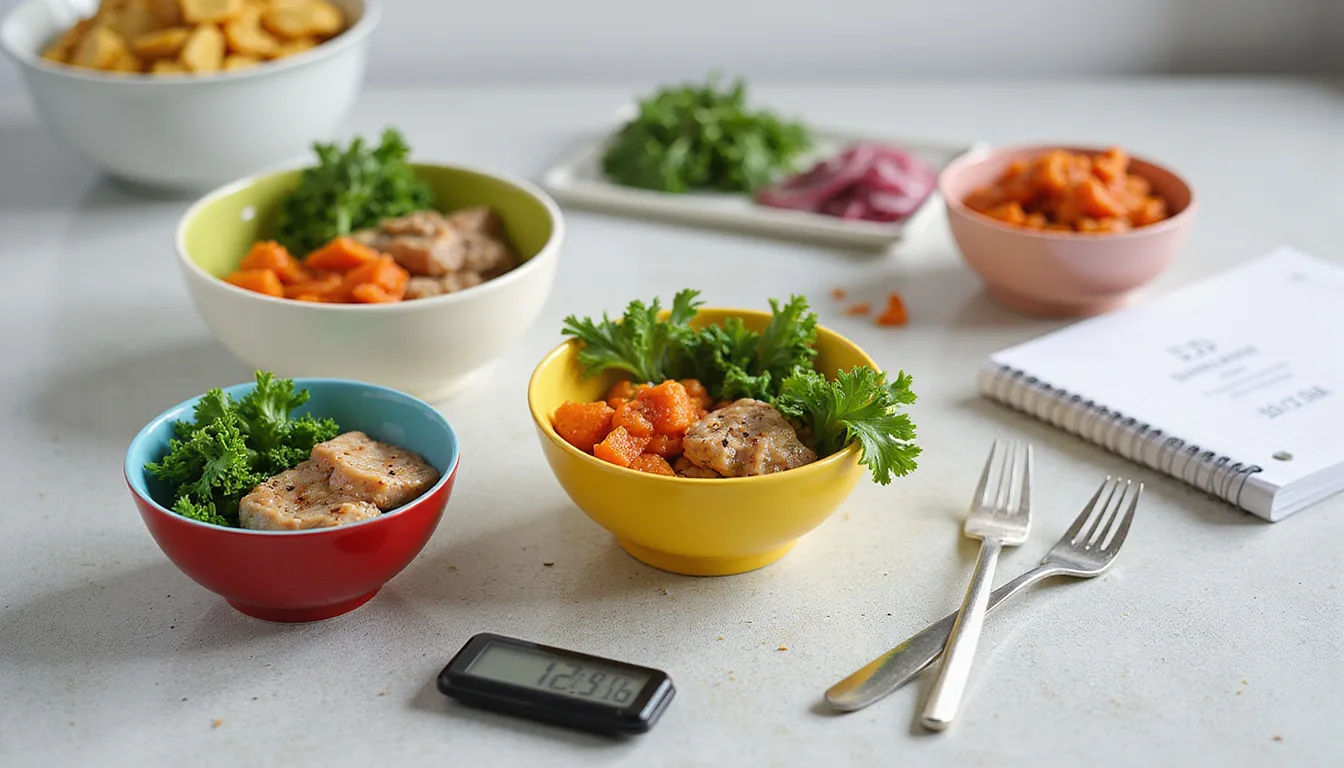

Allulose The Low Calorie Sweetener Changing How We Bake And Lose Weight
Allulose stands as a sugar alternative that feels like sugar yet gives much fewer calories. It tastes like regular sugar and works in the body with a lower impact on blood sugar. People who bake, wish to lose weight, or need to manage blood sugar now see new paths with allulose.
This guide explains what allulose is, shows how it works in the body, walks you through baking with it, and explains how it can support a balanced weight loss plan.
What Is Allulose?

Allulose (or D-psicose) is a rare natural sugar. It appears in small amounts in figs, raisins, maple syrup, and wheat. It looks like and tastes like ordinary sugar but behaves in a different way.
Key points of allulose:
• It is about 70% as sweet as sugar.
• It has roughly 0.2–0.4 calories per gram (sugar has 4 calories per gram).
• It brings only a small change to blood sugar and insulin levels.
• The U.S. FDA recognizes it as safe (see source: FDA).
Your body does not use most of allulose for energy, which makes it taste similar to sugar while having a low metabolic effect.
How Allulose Works in the Body
Studying allulose’s path in the body helps you see its role in controlling weight and blood sugar.
Absorption and Excretion
• The small intestine absorbs allulose much like it takes up regular sugar.
• The body uses only a small share of it for energy.
• Most of the allulose passes through the body and exits by urine.
Because hardly any energy comes from it, allulose offers very few calories.
Effect on Blood Sugar and Insulin
Research shows that allulose has only a small effect on blood sugar and insulin levels compared with common sugars. Some studies hint it may slow the rise of blood sugar when paired with meals rich in carbohydrates (see source: NIH).
This low impact makes allulose a strong match for low-carb and diabetic diets.
Allulose vs Sugar: The Key Differences
Allulose earns the phrase “sugar without the downsides.” Even if that does not capture every detail, there are clear differences.
Calories and Sweetness
• Sugar (sucrose) has 4 calories per gram and is the standard for sweetness.
• Allulose has about 0.2–0.4 calories per gram and gives roughly 70% of the sweetness.
In practice, you get sweetness with far fewer calories.
Glycemic Impact
• Sugar raises blood sugar and insulin levels strongly.
• Allulose has a very minor effect on blood sugar.
This difference makes allulose a good pick for those who watch their blood sugar.
Dental Health
Since sugar feeds oral bacteria and tends to cause tooth decay, its impact is well known. Allulose is not used by oral bacteria the same way, so it tends not to contribute to cavities.
Why Allulose Is Changing How We Bake
Many low-calorie or sugar-free sweeteners work in drinks but not in baking. They may not brown or give bulk as real sugar does. Allulose behaves much more like sugar when heated.
Sugar-Like Actions in Recipes
Allulose has a number of actions like sugar:
• Browning and caramelizing: It browns quickly to give baked goods a warm color and flavor.
• Providing bulk: It adds the needed weight and structure to cakes, cookies, and bars.
• Changing freezing points: It helps ice creams and frozen treats stay soft rather than turn rock hard.
This behavior makes allulose a good tool when sugar’s texture is required.
Adjusting for Sweetness
Since allulose offers only about 70% of the sweetness of sugar, you might need to adjust your recipes:
• If a recipe calls for 1 cup of sugar, many bakers use about 1¼ to 1⅓ cups of allulose.
• Some mix most of allulose with a small amount of a high-intensity sweetener to boost the overall sweetness.
Browning and Oven Temperatures
Allulose browns at lower temperatures and darkens sooner than sugar:
• Try dropping your oven temperature by about 25°F (10–15°C).
• Check your baked goods sooner to prevent over-browning.
These tips help you get the best color and texture.
Baking With Allulose: Practical Tips
Knowing how allulose works in your recipes helps you succeed in the kitchen.
Cookies and Bars
Allulose suits drop cookies, brownies, blondies, and granola bars well.
• The cookies may turn out softer and chewier.
• It holds moisture so the cookies stay tender for longer.
• If you want a crisper cookie, you might bake a little longer at a slightly reduced temperature or adjust the fat and flour amounts.
Cakes and Muffins
Allulose creates moist and tender cakes and muffins.
• Beat it with butter or oil to trap air, much like you do with sugar.
• Lighter pans and a lower oven temperature help manage the extra browning.
• In delicate recipes, try using a mix of sugar and allulose until you learn its effects.
Breads and Yeast Doughs
Yeast uses allulose less efficiently than sugar, so keep that in mind.
• For yeast breads, adding a small amount of sugar or honey can help fermentation.
• Allulose can still sweeten enriched doughs, like those for cinnamon rolls and sweet breads, as long as you give the dough time.
Sauces, Caramel, and Syrups
Allulose works well in simple syrups, caramel sauces, and fruit glazes.

• Its quick browning allows you to create caramel-like flavors at lower temperatures.
• Watch it carefully to stop it from burning.
Allulose and Weight Loss
Many people appreciate allulose for its role in managing calorie intake.
Caloric Savings
By swapping sugar for allulose, you lower your calorie count:
• 1 tablespoon of sugar offers about 48 calories.
• 1 tablespoon of allulose gives only 2–5 calories.
This small change can drop hundreds of calories over time.
Managing Cravings
Some sweeteners fail to satisfy because they change texture or taste. Allulose works more like sugar:
• It may better meet your craving for a sweet treat.
• It lets you enjoy desserts that feel satisfying.
Large swings in blood sugar can make you feel hungry. With allulose, your blood sugar stays more even, which helps control appetite and portion sizes.
While allulose does not solve every challenge, it fits well into a balanced way of eating.
Is Allulose Safe?
Current studies show that allulose is safe for regular use in foods and drinks.
Regulatory Status
• The U.S. FDA has given allulose a safe status.
• Labels in the U.S. can list it as zero added sugar because the body treats it differently (see source: FDA).
If you live outside the U.S., check your local guidelines.
Digestive Tolerance
Some people may experience gas, bloating, or loose stools when they consume a lot of allulose.
• Most people tolerate moderate amounts well.
• Start with small amounts and slowly move to larger doses.
• Those with sensitive digestive systems should use it carefully.
Who Might Benefit Most From Allulose?
While many can use allulose, some people might find it especially helpful.
People Trying to Lose Weight
Replacing sugar with allulose lowers calories, which helps when you need to reduce your calorie intake without giving up sweets. It is useful for:
• People who add sugar to drinks.
• Regular dessert lovers.
• Baking fans who want lighter versions of their treats.
People With Prediabetes or Type 2 Diabetes
Allulose’s small impact on blood sugar makes it a good option for those who need to watch their glucose levels.
• Test your blood sugar when you try new foods.
• Remember that other carbohydrates in a recipe can still raise blood sugar.
• Work with a healthcare provider or dietitian to plan your meals.
People on Low-Carb or Keto Diets
Allulose fits many low-carb or keto plans:
• It is often counted as zero net carbs, since the body hardly uses it.
• It helps you create desserts that resemble those made with sugar.
• Always add up all the carbs in the recipe, including those from flour and fruits.
How to Start Using Allulose at Home
You can try allulose step by step without drastic changes.
Easy Introductory Uses
- Coffee and tea: Swap sugar 1:1 and add a bit more if needed.
- Oatmeal or yogurt: Stir in allulose in place of sugar or honey.
- Simple syrup: Mix allulose with hot water (a 1:1 mix by volume) to sweeten iced drinks or fruit salads.
Baking Strategy for Beginners
• Choose simple recipes like muffins, quick breads, brownies, or banana bread.
• Begin by using 50–75% allulose in place of sugar, leaving some sugar in the recipe to test the texture.
• Once you learn its behavior, try using allulose alone or with a touch of another sweetener.
Reading Labels and Buying Allulose
Allulose is now common in stores:
• It comes as granules, powder, or syrup.
• Some mixes include monk fruit or stevia.
• Check the ingredient list to get pure allulose if that is what you want.
Pros and Cons of Allulose at a Glance
A quick look at what allulose brings and what you should note:
Benefits
• Low in calories, cutting sugar calories by about 90–95%.
• Little effect on blood sugar and insulin.
• Functions like sugar when baking.
• Works in drinks, sauces, baked goods, and frozen treats.
• Helps with weight management when you lower overall calorie intake.
Downsides
• It can cost more than regular sugar.
• Consuming large amounts may upset the digestive system.
• It browns quickly, so recipes might need a few tweaks.
• Long-term data is still growing compared to traditional sugar.
Common Questions About Allulose
-
Is allulose a natural sweetener?
Yes. Allulose occurs in small amounts in nature (in figs, raisins, and maple syrup). The version you buy is made through a food-safe process from a natural source. -
Can allulose affect ketosis?
For most on a ketogenic diet, allulose does not add significant carbs. Many people find that moderate amounts do not affect ketosis. Yet, individual reactions can vary. Test your ketone levels with new products. -
How much allulose is safe each day?
No single limit exists. Moderate amounts throughout the day work for most people. Start small and increase slowly while watching for any digestive discomfort. If you have particular dietary concerns, check with a healthcare professional.
The Bottom Line: How Allulose Can Help You Bake Better and Lose Weight
Allulose gives you the taste and feel of sugar with far fewer calories. It helps you:
• Bake cookies, cakes, and breads with fewer calories from sugar.
• Enjoy frozen treats and sauces without strong blood sugar spikes.
• Manage weight and keep blood sugar steady while still relishing sweets.
Try swapping one regular sugary food—such as your morning coffee sweetener, a favorite dessert, or a weekend baking recipe—with allulose. This small change can start you on a smoother path toward a more balanced, lower-sugar lifestyle.
Enjoy the process in your kitchen, watch how your body feels, and adjust your recipes as you learn more about allulose.
[center]Always consult with your doctor prior to making drastic diet changes.[/center]
[center]As an Amazon Affiliate, Savvy Keto makes a small commision (at no extra cost to you) on any purchases you make thru affiliated links you click on.[/center]