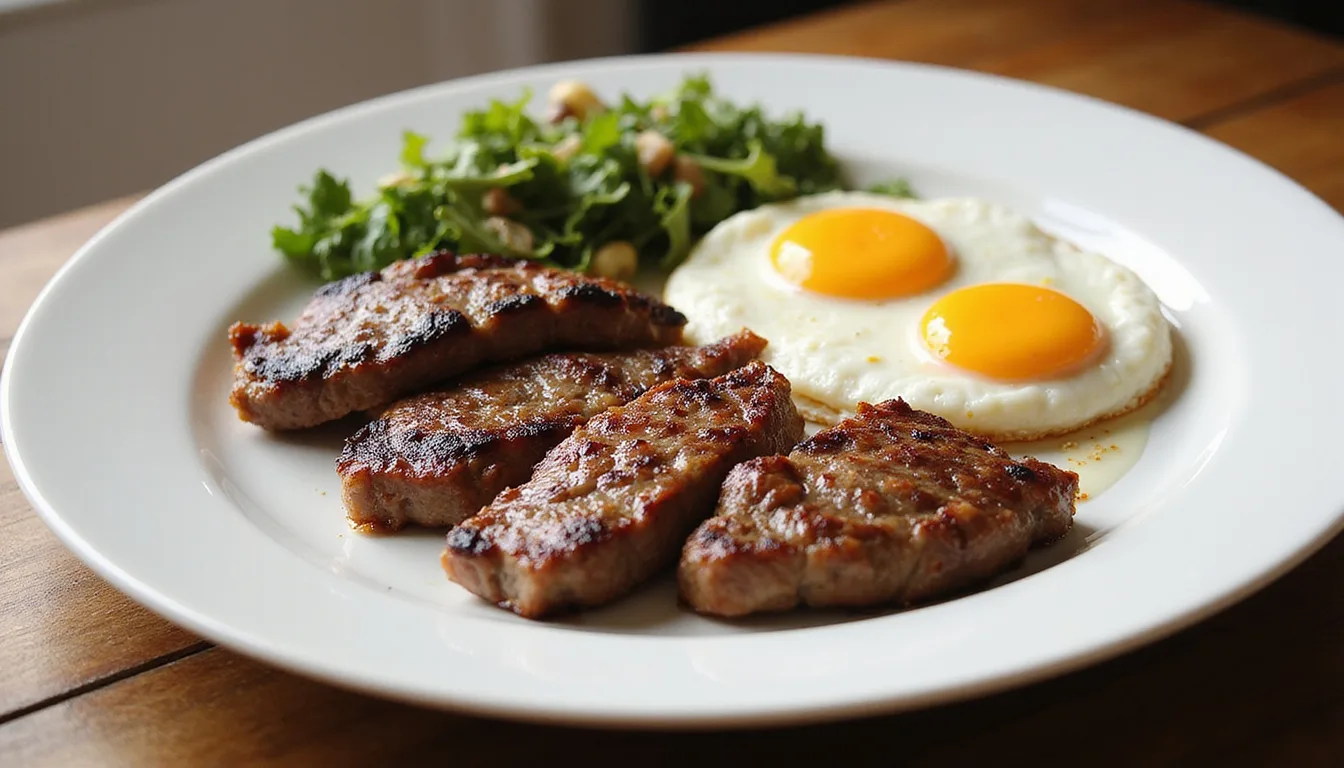

Sustainable weight loss is not a short 30‑day challenge. It is not a detox tea or giving up your favorite foods.
It means building small daily habits that fit into your life. These habits last for years. If you try quick fixes and then see the weight return with your frustration, you have another path. This path is built on steady choices, basic science, and self‐care instead of punishment.
Below, you will see practical, evidence‑informed ideas that you can use today—without changing your whole life overnight.
Why “Sustainable” Weight Loss Is Different

Most diets race to lose weight fast. Sustainable weight loss cares for:
- How well your habits fit into your life
- How your body and mind feel
- If you stick with your weight loss for the long run
Studies show that people who keep the weight off change their surroundings, routines, and mindsets in small yet steady ways (source: National Weight Control Registry).
So, instead of asking, “How fast can I lose 10 pounds?” try asking:
“What can I stick with a year from now?”
Habit 1: Build a Balanced Plate (Without Tracking Forever)
You do not need to weigh every gram for progress. A sound plan is to learn visual portion guides and use a simple plate.
The “Balanced Plate” Formula
At each main meal, aim to have:
- ½ plate non-starchy vegetables
Think: leafy greens, broccoli, peppers, zucchini, tomatoes, mushrooms, carrots. - ¼ plate lean protein
Try: chicken, turkey, tofu, tempeh, beans, lentils, fish, Greek yogurt, eggs. - ¼ plate smart carbs
Options: brown rice, quinoa, oats, whole‑grain pasta or bread, potatoes, beans, or fruit. - 1–2 thumbs of healthy fats
Such as olive oil, avocado, nuts, seeds, or nut butter.
This method helps keep you full and steady. It also helps balance blood sugar and lowers calories without strict rules.
Try this for one meal per day first and add more once it feels natural.
Habit 2: Use “Minimum Effort” Meal Planning
It is easier to lose weight when you do not decide about food while very hungry.
This does not mean you must spend hours every Sunday planning meals. Instead, use a low‑effort plan.
The 3–2–1 Meal Plan
Take 10–15 minutes each week to plan:
- 3 easy breakfasts (rotate them)
e.g.,- Oats with fruit and nuts
- Greek yogurt with berries and granola
- Eggs with whole‑grain toast and spinach
- 2 simple lunches
e.g.,- Leftovers from dinner
- A salad with rotisserie chicken and beans
- 1 flexible dinner idea
Pick a base and mix it up:- Stir‑fry: protein, veggies, rice
- Bowl: greens, grain, protein, sauce
- Sheet pan: protein, veggies, potatoes
You are not planning every bite. You are giving your future self a simple path that fits your goals.
Habit 3: Practice “Lightly Mindful” Eating (No Overthinking)
Do not stress about eating in silence or chewing each bite many times. However, paying a bit more attention can change both your intake and your reasons for eating.
Three Simple Mindful Eating Cues
- Pause before starting
Ask yourself: “How hungry am I on a scale of 1 to 10?”
– Try to eat when you reach about 3 or 4. - Check in during your meal
Pause in the middle and ask: “How satisfied am I now?”
– Stop when you feel around 6 or 7. - Limit distractions
Try to avoid eating in front of a screen. Have at least one meal a day with no screen to sense fullness.
These small pauses can shift your state from routine to purpose. This shift helps you stick with weight loss that lasts.
Habit 4: Walk More—Your Underrated Secret Weapon
Walking is a simple tool for weight loss:
- It is gentle on your joints
- It fits easily into your day
- It helps to lower stress and improve mood
You do not need to hit 10,000 steps all at once. The goal is to add a little more than you did yesterday.
Easy Ways to Boost Daily Steps
- Park a bit further away.
- Choose stairs for 1 or 2 floors.
- Walk during phone calls.
- Take a 5‑to‑10 minute walk after a meal.
- Stand up and move every 60–90 minutes of sitting.
Small extra movement increases the calories burnt in your day.
Habit 5: Strength Train 2–3 Times a Week (Even Briefly)
If you want to avoid regaining weight, muscles help.
Strength training can:
- Burn a few extra calories at rest
- Keep or build lean body mass
- Help you look and feel stronger
- Support independence as you age
You do not need a gym or heavy weights if you do not like them.
A Simple Beginner Strength Routine
Practice 2–3 times each week:
- Squat or sit‑to‑stand (from a chair)
- Push‑up variation (wall, counter, or floor)
- Hip hinge (like a deadlift with dumbbells or a backpack)
- Row (with a resistance band or dumbbells)
- Plank or dead bug (for core stability)
Do 2–3 sets of 8–12 moves for each exercise. Use a load that feels challenging yet possible. Increase the work slowly by adding more reps, sets, or a bit of extra weight.
Habit 6: Treat Your Sleep as Part of Your Diet
Sleep is not extra; it is a key part of your plan. Short or poor‑quality sleep:
- Boosts hunger hormones
- Lowers the hormones that tell you when you are full
- Increases cravings for high‑calorie foods
- Reduces your drive to move
Aim for 7–9 hours of sleep most nights.
Small Sleep Habits That Help
- Keep a regular bedtime and wake time (try to stick within an hour every day)
- Allow 20–30 minutes to wind down (read, stretch, or dim the lights)
- Reduce screen time for 30–60 minutes before sleep
- Make your room cool, dark, and quiet
- Avoid large meals and heavy drinks near bedtime
Good sleep makes other choices, like food and exercise, easier.
Habit 7: Change Your Surroundings Instead of Fighting with Your Will
Your surroundings can shape your choices. Sustainable weight loss works best when you adjust your space to fit your goals.
Simple Environment Tips
- Keep healthy foods in sight
• Place fruit on the counter.
• Store cut vegetables where you see them. - Smooth your path to good choices
• Pre‑wash lettuce and veggies.
• Keep easy proteins nearby (beans, Greek yogurt, eggs, rotisserie chicken). - Make it harder to grab less supportive choices
• Hide treats out of view.
• Buy in small portions if over-eating is a risk. - Plan ahead for your day
• Lay out gym clothes the night before.
• Pack a snack if you know you will be busy.
You need not remove all treats; you simply set up the easier choice to win most of the time.
Habit 8: Build a Flexible, Not “On/Off,” Mindset
All‑or‑nothing thoughts (like “I blew it, I start again Monday”) can hold you back.
Aim to keep a flexible routine:
- You do not need perfect habits; aim for “good enough” most days.
- One high‑calorie meal does not ruin your progress.
- One missed workout does not undo your work.
Try the “Next Best Choice” Rule
When things go off plan—
if you overeat, skip a workout, or get fast food—ask yourself:
“What is the next best choice I can make now?”
Maybe choose to:
- Drink a glass of water
- Take a quick 5‑minute walk
- Eat a balanced meal next
- Head to bed on time
This choice keeps you moving instead of stuck in guilt.
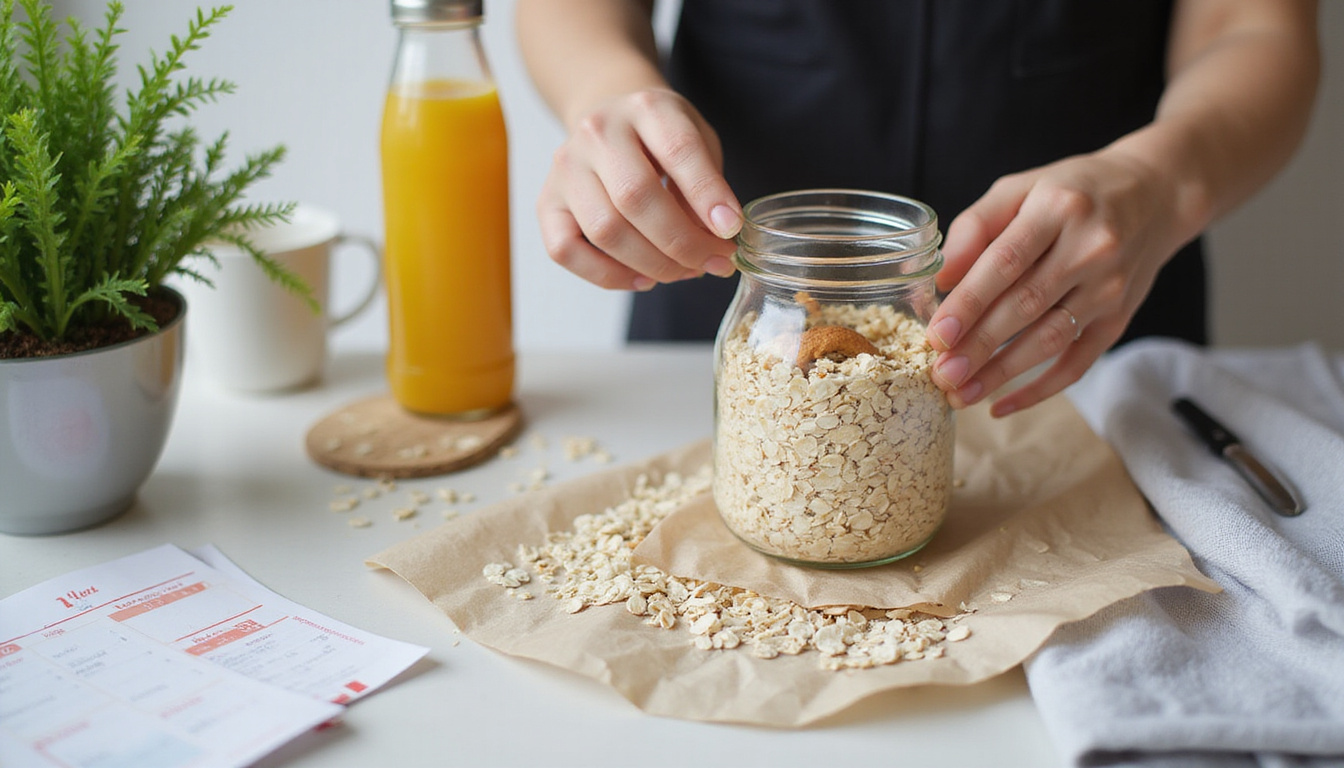
Habit 9: Use Gentle Tracking—Then Shift to Awareness
Some tracking helps at first by showing you your portions and habits. But tracking every calorie forever can be hard.
You can:
- Keep a food log for 1–4 weeks
– Notice your usual portions, snack times, and triggers. - Switch to lighter logging
– Snap a quick photo of your meal
– Jot down just what you ate and how full you felt. - Trust your habits and hunger signals
– Use your balanced plate.
– Listen to your body when you are hungry or satisfied.
The goal is to learn about your habits, not to live inside an app all the time.
Habit 10: Handle Stress Without Turning to Food
It is normal to eat when you feel emotions, but if this is your main way to cope, it might slow your progress.
You do not need to cut comfort eating completely. Instead, mix in other ways to help you feel better.
Build Your Own “Non‑Food Comfort” List
Write down 5–10 activities that help you feel calm, for example:
- A short walk outdoors
- Calling or texting a friend
- Stretching or doing a brief yoga flow
- Journaling for 5 minutes
- Listening to music or a podcast
- Taking a shower or bath
- Enjoying a hobby (reading, drawing, games)
When you find yourself eating mainly from stress, try one of these steps before or while you eat. With time, you build strength and find other ways to cope.
Habit 11: Set Realistic, Outcome‑Independent Goals
Sustainable weight loss is a long journey. Setting high targets often leads to quitting.
Many people lose about 0.5–1 pound (0.25–0.5 kg) per week. Some weeks you may not lose or might even gain a bit. This can happen with changes in hormones, high‑sodium meals, or more strength work.
Focus on Action Goals Instead of Only Scale Goals
Do not only think, “I must lose 20 pounds.”
Also set plans such as:
- “I will walk for 10–15 minutes after lunch 4 days per week.”
- “I will build a balanced plate at dinner 5 nights per week.”
- “I will go to bed 30 minutes earlier on weeknights.”
You can control your actions but not always how your body changes. Steady actions bring you in the right direction.
Habit 12: Be Patient with Plateaus and Progress
Plateaus are not a sign of failure. They are a phase. Your body adjusts and learns.
If progress slows:
- Look over your habits carefully
– Check if your portions have grown.
– See if you are snacking more.
– Notice if you move or sleep less. - Choose one small change
– Add 5–10 minutes of daily walking.
– Cut a few liquid calories.
– Add an extra serving of protein or veggies. - Hold the change for 2–4 weeks
– Do not change many things at once. This way, you know what helped.
Remember: slow change that lasts beats fast change that does not.
Putting It All Together: Small Habits, Big Impact
Here is one sample day when using a sustainable weight loss lifestyle—without needing to be perfect:
- Morning
- Wake up at a set time.
- Walk or do light stretching for 5–10 minutes.
- Have a balanced breakfast with protein, fiber, and a healthy fat.
- Midday
- Eat a balanced lunch using the plate method.
- Take a short walk or a movement break.
- Afternoon
- Enjoy a planned snack with protein and fiber (like an apple with nut butter, or yogurt with berries).
- Check in with yourself: Do you feel stressed or tired?
- Evening
- Eat a simple, balanced dinner.
- If possible, take a 5–15 minute walk after eating.
- Wind down for 20–30 minutes before bed. This can be reading, stretching, or dimming your screens.
Work on one or two habits first. Build your routine, and then add more as you feel ready.
FAQ: Sustainable Weight Loss and Daily Habits
Q1: What is the most important habit for sustainable weight loss?
There is no magic habit. For many people, consistent movement and a balanced, mainly whole‑food diet work best. A good start is a daily walk and one balanced plate meal.
Q2: How can I keep weight off long term after losing it?
Keeping weight off means staying with the same habits that helped you lose. This means regular movement, balanced eating, good sleep, and solid stress work. Many people also do some self‑monitoring, like occasional weigh‑ins or checking their steps.
Q3: Is slow weight loss really better for long‑term results?
Often, yes. Fast loss can seem good at first but is hard to keep up and may cause rebound weight gain. Slowly changing your habits lets you learn new skills like planning meals, cooking, and handling emotions. These skills will support a lasting change.
Your Next Step: Start Smaller Than You Think
Sustainable weight loss does not depend on willpower, being perfect, or tough workouts. It means stacking small, repeatable habits that fit into your life.
You do not need to wait for Monday, a new month, or a perfect time. Pick one habit from this article that feels small and fun:
- A 10‑minute daily walk
- One balanced plate meal per day
- Going to bed 20 minutes earlier
- A simple strength session twice a week
Try that habit for the next 7 days. Let it be enough. When it becomes a part of your day, add one more small step.
If you want more guidance, try tracking your current habits for a week. Then, plan a simple 4‑week routine around these ideas. Your body—and your future self—will thank you for choosing a path that respects your time, health, and life.
[center]Always consult with your doctor prior to making drastic diet changes.[/center]
[center]As an Amazon Affiliate, Savvy Keto makes a small commision (at no extra cost to you) on any purchases you make thru affiliated links you click on.[/center]