

Finding a supportive low-carb community makes the difference between a failed diet and lasting weight loss.
When people share your goals, you get tips, support, and drive that help you stick with your plan.
This guide gives you meal plans that work, simple tricks to use, and ideas from peers so you can lose weight without feeling hungry or stressed.
Why Community Matters for Low-Carb Weight Loss
A low-carb or keto plan helps burn fat, balance blood sugar, and calm hunger.
But facts do not work alone—you need help.

Here is why a low-carb community works so well:
- Accountability – You feel less urge to binge when you tell others your goals.
- Shared knowledge – People swap recipes, product finds, and quick fixes.
- Motivation – You see results in others, and that keeps you on track.
- Emotional support – You share cravings, plateaus, or social stress and get advice from those who understand.
Research shows that help from others builds habits that last over time (source: CDC).
You can join a Facebook group, a subreddit, a local meetup, or a forum-based app.
Connecting with a low-carb group gives you an edge that no meal plan alone can give.
Low-Carb Basics: What You Should Know Before You Start
Before you start meal plans and tricks, know the basics of a low-carb plan.
What “Low Carb” Typically Means
There is no single rule. People often say:
- Moderate low carb: 75–130 g net carbs per day
- Low carb: 25–75 g net carbs per day
- Very low carb / keto: 20–30 g net carbs per day or less
“Net carbs” come from total carbs minus fiber and sugar alcohols.
What you need depends on:
- Your weight and health
- Your activity
- Your own taste and what you can stick with
Core Foods to Focus On
Most low-carb groups choose these “green” foods:
- Proteins: Meat, poultry, fish, eggs, tofu, or tempeh
- Healthy fats: Olive oil, avocado, butter or ghee, coconut oil, nuts, or seeds
- Low-carb vegetables: Greens, broccoli, cauliflower, zucchini, peppers, asparagus, or cucumbers
- Dairy (if you can have it): Cheese, heavy cream, or unsweetened Greek yogurt
- Extras: Herbs, spices, sugar-free sauces, or low-carb sweeteners
They usually cut out or limit:
- Sugar and sweets
- Bread, pasta, rice, or cereal
- Baked goods, pastries, and sugary drinks
- High-sugar fruits like bananas, grapes, or mango
- Starchy vegetables like potatoes, corn, or peas
A 7-Day Low-Carb Meal Plan for Weight Loss
Use this 7-day plan as a start.
It is moderate low carb (about 40–80 g net carbs per day, based on portions).
Change the amounts to meet your own needs.
General Meal Planning Notes
• Try to get 20–35 g protein in each meal.
• Add healthy fats so that you feel full.
• Build meals around non-starchy vegetables.
• Drink plenty of water during the day. If you feel low, add salts or minerals.
Day 1
Breakfast:
– Scrambled eggs in butter with spinach and feta
– ½ avocado on the side
Lunch:
– Grilled chicken salad with mixed greens, cucumber, tomatoes, olives, olive oil, and vinegar
Snack:
– A handful of almonds
Dinner:
– Baked salmon with lemon and herbs
– Roasted broccoli and cauliflower with olive oil
Day 2
Breakfast:
– Unsweetened Greek yogurt mixed with a few berries and chia seeds
Lunch:
– Turkey and cheese in lettuce wraps with mustard and pickles
– Sliced bell peppers on the side
Snack:
– Celery sticks with cream cheese or peanut butter
Dinner:
– Beef stir-fry with broccoli, zucchini, and mushrooms in low-sugar coconut aminos or soy sauce
Day 3
Breakfast:
– An omelet with mushrooms, onions, and cheddar cheese
Lunch:
– Tuna salad (tuna, mayo, celery, pickles) on romaine lettuce
Snack:
– String cheese or a small serving of nuts
Dinner:
– A burger without the bun topped with cheese, lettuce, tomato, and onion
– A side salad with olive oil dressing
Day 4
Breakfast:
– Chia pudding made with unsweetened almond milk, topped with a few raspberries
Lunch:
– Grilled shrimp over zucchini noodles with garlic and olive oil
Snack:
– Cucumber slices with guacamole
Dinner:
– Roasted chicken thighs with skin
– Sautéed green beans in butter and garlic
Day 5
Breakfast:
– Two fried eggs with bacon or sausage (make sure there is no extra sugar)
– Sautéed kale or spinach
Lunch:
– Cobb salad: Mixed greens, grilled chicken, bacon, egg, avocado, blue cheese, and a low-sugar blue cheese or ranch dressing
Snack:
– A few olives and cheese cubes
Dinner:
– Pork chops with a creamy mustard sauce
– Steamed asparagus
Day 6
Breakfast:
– A smoothie with unsweetened almond milk, low-carb protein powder, spinach, a few berries, plus chia or flaxseeds
Lunch:
– Leftover pork chops sliced over a salad with olive oil and lemon juice
Snack:
– Hard-boiled eggs
Dinner:
– Zucchini lasagna using zucchini slices instead of noodles; layer with ground beef, ricotta, mozzarella, and a no-sugar tomato sauce
Day 7
Breakfast:
– Cottage cheese with cinnamon and a few walnuts
Lunch:
– Egg salad in lettuce wraps
Snack:
– Pepperoni slices with cheese
Dinner:
– Baked cod or another white fish with herbs and butter
– Roasted Brussels sprouts
Use this plan for one or two weeks.
Then swap in your favorite recipes from your group.
Shared recipes usually feel easy, fast, and tasty.
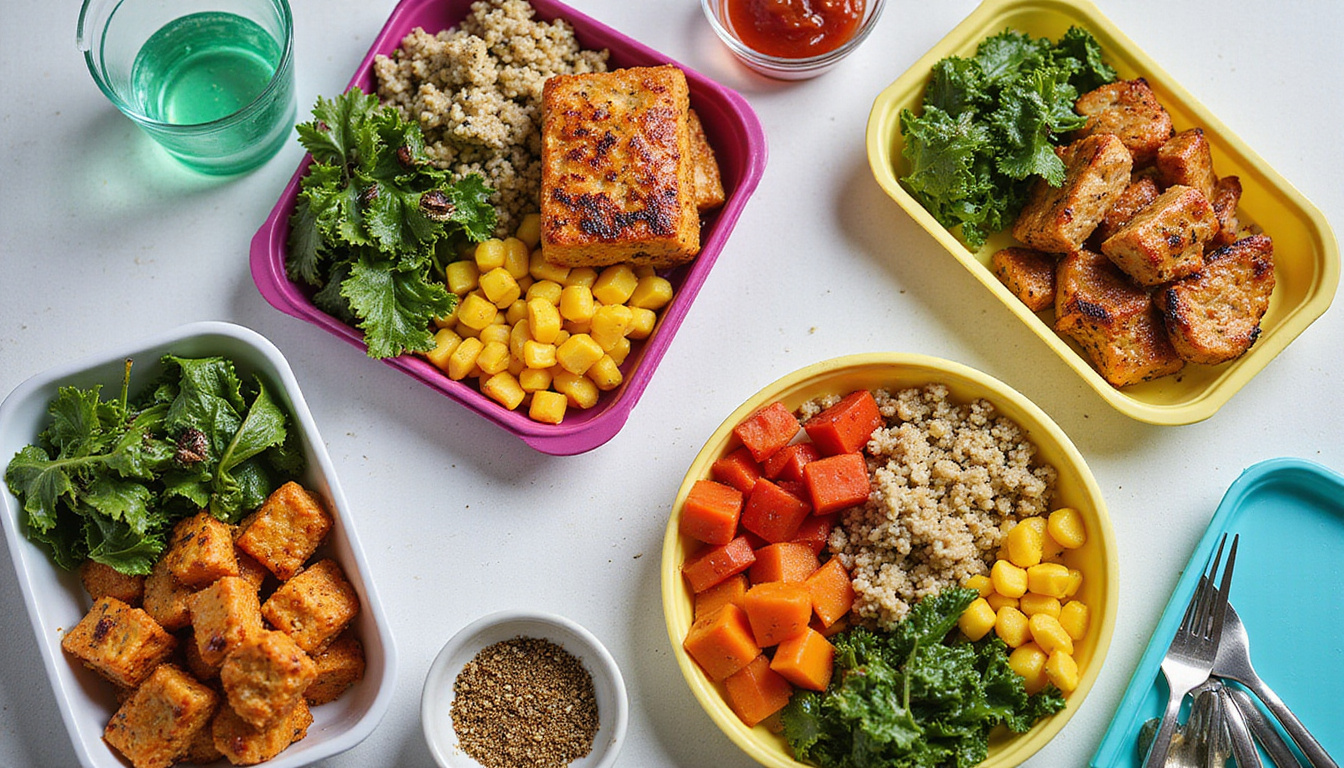
Simple Meal-Prep Hacks the Low Carb Community Swears By
A big win in a low-carb group is finding fast tricks.
Many members do some meal prep each week.
1. Cook Protein in Bulk
• Grill, roast, or slow-cook 2–3 lbs of chicken, ground beef, or pork at once.
• Keep it in the fridge and use for salads, wraps, bowls, or quick stir-fries.
2. Pre-Chop Veggies
• Wash and chop low-carb vegetables (lettuce, cucumber, peppers, celery, broccoli) one or two times a week.
• Store them in clear containers so you pick them up instead of high-carb snacks.
3. Make “Emergency” Meals
Keep fast, low-carb items on hand for busy days:
• Canned tuna or salmon
• Pre-cooked sausages or burgers (with low sugar)
• Frozen cauliflower rice and vegetables
• Pre-washed salad mixes
• Rotisserie chicken (read labels for sugar)
4. Make Extra Portions
When you cook, make twice as much and pack leftovers in containers.
Your future self will be thankful.
Easy Low-Carb Swaps That Cut Calories Fast
Small changes add up.
These swaps help cut carbs and calories with little work:
- Swap bread with lettuce wraps, low-carb tortillas, portobello mushrooms, or cloud bread.
- Swap pasta with zucchini noodles, spaghetti squash, or shirataki noodles.
- Swap rice with cauliflower rice or small pieces of cabbage.
- Swap sugary drinks with water, sparkling water, unsweetened tea, or coffee with cream instead of sugar.
- Swap dessert with berries and whipped cream, sugar-free jello, or a piece of dark chocolate (85% or higher).
People in low-carb groups often share photos of these swaps for new ideas.
Making them at home prevents feeling left out.
Battle-Tested Hacks to Overcome Cravings and Plateaus
Even with good support, you face hard times.
Members share how they fight cravings and slow progress.
Managing Carb Cravings
• Eat enough protein and fat. Too little food may cause more cravings.
• Drink water first. Thirst can seem like hunger.
• Delay a treat by 20 minutes. Cravings may fade.
• Make a low-carb version of pizza, tacos, or burgers.
Breaking Through a Weight-Loss Plateau
• Track your food for 3–7 days. Hidden carbs and calories come from sauces, drinks, or small bites.
• Change how much you eat. A small drop in oils or cheese may help.
• Look at sleep and stress. Poor sleep and high stress slow progress.
• Add more movement. A quick walk can help shift numbers on the scale.
Sharing your struggles in your group lets others see your meals, notice patterns, and give suggestions you may miss.
How to Use a Low Carb Community Without Getting Overwhelmed
The internet can be busy.
To use a low-carb group well, choose and plan.
What to Look For in a Supportive Community
• Good advice that uses facts, not extreme ideas.
• A kind tone so beginners feel welcome.
• Real results that share time and details.
• Support for each person’s own way instead of one set rule.
How to Engage Productively
• Say hello and share your goal and start point.
• Ask clear questions about your issues.
• Share even small wins: “I skipped office donuts today.”
• Encourage others; helping keeps you strong too.
Common Mistakes New Low-Carb Dieters Make (and How Community Fixes Them)
New dieters sometimes fall into easy traps.
A wise low-carb group can help you fix these fast.
1. Not Eating Enough
Cutting carbs and food too much can bring:
• Tiredness
• Heavy cravings
• Binge eating
Tip from the group: Keep an eye on both quality and amount of carbs.
Make sure each meal has enough protein and some fat.
2. Avoiding Fats
Low-carb does not mean no fats.
A very low intake may leave you hungry.
Most groups suggest a fair amount of good fats so you stay full and skip snacks.
3. Skipping Electrolytes
Fewer carbs can drop insulin and push water out.
This loss also drains sodium, potassium, and magnesium.
This can cause weak feelings, headaches, and cramps.
Many experienced members say to:
• Salt food to taste
• Drink broth
• Eat magnesium and potassium foods like spinach or avocado
• Think about supplements after talking with a doctor
4. All-or-Nothing Thinking
One day of high carbs does not erase progress.
Members remind you:
• Do not let one slip start a chain reaction.
• Return to your plan with the next meal.
• Look at what led to the slip so you can plan better next time.
Sample Grocery List for Low-Carb Weight Loss
Use this list as a start and change it to fit your taste and group tips.
Proteins
• Chicken breasts or thighs
• Ground beef or turkey
• Salmon or another fatty fish
• Eggs
• Bacon or sausage (watch for extra sugar)
• Canned tuna or salmon
Dairy (if you can have it)
• Unsweetened Greek yogurt
• Cheese (cheddar, mozzarella, feta, etc.)
• Butter or ghee
• Heavy cream or half-and-half
Vegetables
• Leafy greens (spinach, romaine, kale)
• Broccoli and cauliflower
• Zucchini and squash
• Bell peppers
• Cucumbers
• Asparagus
• Green beans
• Brussels sprouts
Fats and Extras
• Olive oil, avocado oil, or coconut oil
• Avocados
• Nuts and seeds (almonds, walnuts, chia, flax)
• Olives and pickles (watch for extra sugar)
• A tomato sauce with little sugar
• Herbs and spices
Beverages
• Water and sparkling water
• Coffee and tea (unsweetened)
• Low-carb electrolyte powders
Frequently Asked Questions About Low-Carb Communities and Weight Loss
1. How can a low-carb weight loss community help me stay consistent?
A low-carb community gives support, keeps you honest, and gives you real ideas.
When you share your goals and daily wins, you stick with your plan longer.
You also learn recipes, meal plans, and fixes when cravings or stalls come.
Seeing people who face the same challenges helps you keep on track.
2. What should I eat on a low carbohydrate meal plan to lose weight?
A low-carb meal plan should have protein (meat, fish, eggs, tofu), low-carb vegetables (greens, broccoli, cauliflower, zucchini), and healthy fats (olive oil, avocado, nuts, seeds).
Avoid too much sugar, bread, pasta, rice, and sweets.
Many low-carb group members aim for 20–75 g net carbs each day.
They change the amount based on results and how they feel.
3. Is there a best low-carb diet community for beginners?
No one group is best for all.
Choose a group that you will use.
Look for a group where members are kind, share real results, and allow each person to find their own way.
Many new dieters do well in moderated Facebook groups, low-carb subreddits, or forum-based apps with tools to help.
Take the Next Step: Do Not Go Low-Carb Alone
You do not need to find every recipe, trick, or habit on your own.
With a clear low-carb meal plan, basic swaps, and help from a group, you can build a path that shifts the scale and feels steady over time.
Pick one or two changes from this guide—try the 7-day meal plan and cook protein in bulk.
At the same time, join a group that fits your style and aims.
Say hello and share where you are starting from.
When you have a clear plan and human support, low-carb weight loss stops feeling hard and becomes a journey you can trust.
Start today: plan one week of low-carb meals, join a supportive group, and watch your next win begin.
[center]Always consult with your doctor prior to making drastic diet changes.[/center]
[center]As an Amazon Affiliate, Savvy Keto makes a small commision (at no extra cost to you) on any purchases you make thru affiliated links you click on.[/center]