

For active people who want keto’s fat‑burning benefits without losing speed, power, or muscle, targeted keto can work well. It uses timed carbs near workouts. This plan supports hard training yet keeps you in ketosis most of the day. This guide shows how targeted keto works, how you start it, and when it fits your goals.
What Is Targeted Keto?
Targeted keto (often called TKD: Targeted Ketogenic Diet) works like this:
- You eat a low‑carb, high‑fat diet most days
- You add a small, fast‑digested carb boost right before or after workouts

The goal is to give just enough carbs to:
- Power high‑intensity exercise
- Reduce muscle loss
- Speed up recovery
…all without loading up on carbs that push you out of ketosis for long.
How Targeted Keto Differs from Other Keto Approaches
Think of targeted keto in a group of keto styles:
- Standard Keto (SKD): 20–50 g net carbs per day in regular meals with little change.
- Targeted Keto (TKD): SKD rules with 15–50 g carbs only during training sessions.
- Cyclical Keto (CKD): Several days strict keto followed by 1–2 days of high‑carb eating.
Targeted keto is simpler than CKD and works well for those who train hard several times a week and want steady performance.
Why Use Targeted Keto for Fat Loss and Performance?
Fat Loss Benefits
Used correctly, targeted keto can help you:
-
Keep ketosis most of the day
Instead of raising carbs overall, you control when and how much you eat. For many, blood ketones stay up outside the workout time. -
Keep lean muscle while losing fat
Hard training already shields muscle. A small carb dose near workouts may boost muscle repair and cut muscle breakdown so you lose fat, not muscle. -
Stick to your diet plan
The strength of targeted keto lies in its timing. Extra carbs outside workouts weaken the plan.
Performance Benefits
High‑intensity work (such as sprints, heavy lifting, or CrossFit) depends on muscle glycogen, which holds stored carbs.
Even if some keto athletes perform well with few carbs, many see:
- Less peak power
- Slower sprint times
- Fatigue earlier in repeated high‑effort work
Targeted keto helps by:
- Refilling glycogen where you need it most: your muscles
- Giving quick fuel during the effort
- Supporting better training quality over time for more strength, muscle, and gains
Many studies show keto works for endurance athletes after the shift to fat as fuel, but high‑intensity power can drop without enough carbs. TKD makes a solid attempt to fix that issue.
Who Is Targeted Keto Best For?
Targeted keto does not suit everyone. It is best if you:
- Train hard 3–6 times per week (strength work, CrossFit, HIIT, sprints, combat sports)
- Feel at ease on a standard ketogenic diet
- Wish to lose fat while keeping or boosting performance
- Prefer clear carb timing rather than complex cycling or refeed plans
It may be less useful if you:
- Are mostly inactive or only do light exercise
- Are new to keto (you should first adjust)
- Have health issues that need strict carb cuts—check with your doctor
How Targeted Keto Works Physiologically
Understanding its steps can help you fine‑tune the method.
1. Using and Replenishing Glycogen
During hard exercise:
• Your muscles use glycogen fast.
• Active muscles grow more sensitive to insulin.
• They then absorb the incoming sugar like a sponge.
In targeted keto, you use this phase:
• Carbs eaten near exercise go into muscles first.
• Little sugar shows up in your blood or refills liver glycogen.
• This keeps ketosis almost intact compared with random carb intake.
2. Controlling Insulin Spikes
A small carb dose taken with:
• Low overall daily carbs
• High energy spent in training
…leads to a brief, steady insulin rise. Because low insulin and few carbs drive ketone production, brief sugar rises rarely disturb ketosis when the rest of your day stays keto.
3. Quick Return to Ketone Production
After your workout and carb dose:
• Your body burns the available sugar fast.
• It goes back to using fat for energy within a few hours.
• It produces ketones again, especially overnight and between meals.
The end result: You stay keto most of the day while giving your body quick energy when you train.
Step‑by‑Step: How to Implement a Targeted Keto Diet
Step 1: Build a Solid Standard Keto Base
Before switching to targeted keto, follow a standard ketogenic diet for 3–6 weeks:
- Carbs: 20–50 g net per day
- Protein: About 0.7–1.0 g per pound of lean body mass
- Fat: Enough to meet your calorie needs
This way you form:
• Fat‑using enzymes
• Fewer signs of keto adjustment later
• A better idea of your body’s carb response
Step 2: Set Your Training Sessions
TKD works best for very hard workouts, such as:
- Heavy strength moves (squats, deadlifts, presses)
- CrossFit workouts or metabolic sessions
- Sprint runs or track work
- High‑intensity martial arts sessions
Light cardio (like easy jogging or cycling) usually does not need extra carbs and stays on standard keto.
Step 3: Choose Your Carb Amount
Many start with 15–30 g of fast‑digesting carbs around workouts. Adjust this as you see changes in performance and recovery.
- If you are smaller or lighter: about 15–25 g
- If you are bigger or your sessions are very hard: about 25–50 g
It is best to start low and add more later if needed.
Step 4: Time Your Carbs
Common timing choices on targeted keto:
-
Pre‑workout only
- 15–30 g carbs about 20–40 minutes before training
- This works if you need quick energy and wish to keep carbs low overall
-
Split into pre‑ and post‑workout
- 10–15 g before and 10–15 g after
- This choice helps both the training push and the recovery afterward
-
Post‑workout only
- 15–30 g within an hour after training
- This can work if pre‑workout carbs upset your stomach
Test each method for 2–3 weeks to find which one gives steady energy, strong performance, and good digestion.
Step 5: Pick the Right Carb Foods
Choose fast‑digesting, low‑fiber carbs that are easy on your belly and simple to keep track of:
- Dextrose (glucose powder) in water
- Highly branched cyclic dextrin (in intra‑workout drinks)
- White rice (small portion; used before or after training)
- Rice cakes with a little honey
- A small banana (if you are less strict)
Keep fat low with these carbs as fat slows digestion and delays the quick energy you aim for.
Building a Targeted Keto Meal Plan
Beyond the workout window, your eating follows a standard keto pattern.
Macro Guidelines
A starting plan for many active people might be:
- Carbs (total):
• Base keto: 20–30 g net
• Workout carbs: 15–50 g, based on training - Protein: 0.8–1.0 g per pound of body weight (or lean mass for higher body fat)
- Fat: Calories left after carbs and protein
If your goal is fat loss, use a moderate calorie cut (about 250–500 kcal per day) instead of a very strict cut. Targeted keto relies on steady training; too few calories can hurt performance.
Sample Day on Targeted Keto (Strength Training Day)
Assume an afternoon workout with 30 g targeted carbs (15 before and 15 after):
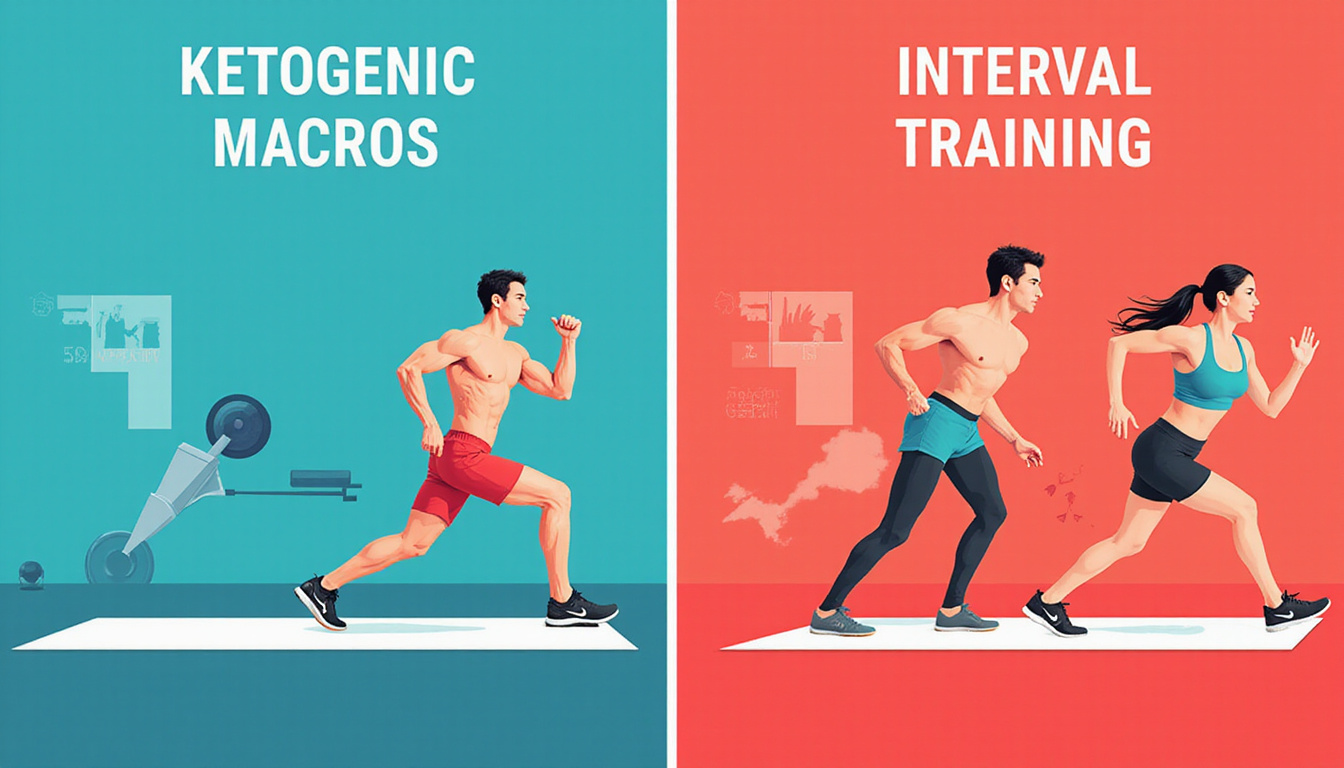
• Morning (Keto Breakfast)
- 3 eggs cooked in butter or ghee
- 2 slices of bacon or sausage (watch the sugar)
- Half an avocado
- Coffee with heavy cream or unsweetened almond milk
• Midday (Keto Lunch)
- Grilled chicken thigh
- A large mixed‑green salad with olive oil and vinegar
- A handful of olives or some nuts
• Pre‑Workout (20–30 minutes before)
- 15 g dextrose or cyclic dextrin in water
- Optionally, a scoop of whey isolate if you train after fasting since lunch
• Post‑Workout (within 1 hour)
- 1 scoop whey isolate
- 15 g carbs from rice cakes with a bit of honey or extra dextrose in water
• Evening (Keto Dinner)
- Salmon or steak
- Roasted non‑starchy vegetables (broccoli, cauliflower, zucchini) cooked in olive oil or butter
- A side salad with olive‑oil dressing
• Before Bed (Optional)
- A small serving of full‑fat Greek yogurt (if it works for you) or a few macadamia nuts
On days without training, simply skip the added carbs and keep the rest similar.
Monitoring Ketosis and Adjusting Targeted Keto
How to See If Your Plan Works
Signs that targeted keto is working for you include:
• Good or rising gym performance
• Gradual fat loss over weeks
• Steady energy and mood during the day
• Few cravings or binge urges
You can also track:
• Blood ketone levels: Test in the morning, away from recent workouts or carb intake. Many see 0.5–2.0 mmol/L.
• Body weight and measurements: Check every 1–2 weeks.
• Training details: Note your weights, reps, times, and how hard the session felt.
When to Adjust Your Carbs
You might add a few more carbs if:
• You often hit a performance wall in high‑intensity sessions
• Your strength or speed drops even with good sleep and rest
• You feel extra fatigue that lasts more than 1–2 weeks
Reduce your carbs if:
• You notice ongoing bloating or slow movements
• You see that you lose your ketosis all day (if that matters to you)
• Fat loss seems to stop and your calories seem balanced
Change your carb amount in small steps (5–10 g) and let each new plan run for at least a week.
Common Mistakes on Targeted Keto
Avoid these errors to get the best from your approach:
-
Using extra carbs all day instead of only when needed
The strength of targeted keto lies in its timing. Extra carbs outside workouts weaken the plan. -
Overestimating your carb needs
Many do well with 15–30 g per session. Jumping to 50–75 g can slow fat loss and break ketosis more than needed. -
Picking the wrong carb foods
Candy bars or high‑fat desserts are a poor choice before workouts. Aim for simple carbs with little fat. -
Forgetting protein and key minerals
Keto performance needs enough sodium, potassium, magnesium, and protein. Muscle cramps, fatigue, or headaches might come from lacking these, not from too few carbs. -
Expecting perfect results right away
It may take weeks to find the right carb amount, timing, and food types for your body. See this as a careful test, not a one‑day fix.
Frequently Asked Questions About Targeted Keto
1. Is targeted keto only for athletes?
Not at all. While targeted keto helps competitive athletes and serious lifters, it may also work for those who:
• Join regular HIIT classes
• Practice intense martial arts
• Do hard circuit or boot‑camp sessions
If your exercise mostly involves walking, yoga, or light cardio, standard keto works well and is simpler.
2. Will targeted keto push me out of ketosis?
For a short while, it might – especially soon after your carb intake. Still:
• The carb dose stays small
• Your muscles are sensitive to insulin during training
• You remain low‑carb the rest of the day
Most people see a return to ketosis within a few hours. When testing with a blood ketone meter, check in the morning after fasting to see your usual state.
3. How does targeted keto compare to cyclical keto for fat loss?
Both can work, but they are different:
-
With targeted keto:
• You take small carb doses only on training days near your workout
• You keep ketosis more steadily
• The plan fits well for frequent training -
With cyclical keto:
• You have high‑carb days for 1–2 days weekly
• The approach suits those with very high training volumes
• It needs more planning to avoid extra eating
For most who balance fat loss with regular hard training, targeted keto is easier to follow over the long run.
Turn Knowledge into Results
Targeted keto gives you a practical and performance‑oriented way to use keto’s fat‑burning benefits while keeping strength, speed, and power with smart carb use. You can do this by:
• Building a strong base with standard keto
• Adding 15–50 g of fast‑digested carbs only around your hardest sessions
• Watching your performance, body shape, and how you feel
• Making small, careful changes
If you are serious about fat loss and athletic gains, plan your training week and set a clear targeted keto schedule. Write down what you will eat before and after each tough workout, and track your progress. Stick with the plan for at least three weeks, then adjust it bit by bit. With a focused approach, you can move past guessing and match your diet with your athletic aims.
[center]Always consult with your doctor prior to making drastic diet changes.[/center]
[center]As an Amazon Affiliate, Savvy Keto makes a small commision (at no extra cost to you) on any purchases you make thru affiliated links you click on.[/center]