Managing carb grams works best when you keep words and ideas close. It cuts down cravings and helps you lose weight without a sense of constant loss. You do not need to remove all carbs or follow a strict diet. Instead, you can discover the right amount of carbs for your body, choose the best sources, and adjust a bit so hunger lessens.
This guide shows you simple, real-life tips to manage carb grams in a way that you can keep over time—no overthinking the food, no hard math.
Why carb grams matter for cravings and weight loss

Carbs break into glucose. Glucose raises blood sugar. When you eat more carb grams than your body uses—especially from foods like white bread, sugary drinks, and cakes—blood sugar goes high and then falls. That fall can:
• Cause strong cravings (often for more carbs)
• Make you feel tired and unclear
• Push your body to store fat over time
When you change the amount and type of carb grams you eat, you can:
• Keep blood sugar steady
• Cut down hunger swings
• Lower calorie intake on its own
• Support weight loss that lasts
Research shows that diets with low and moderate carbs work well to cut hunger and improve body markers (source: Harvard T.H. Chan School of Public Health).
How many carb grams per day do you really need?
No number fits all. The best amount depends on your body size, how active you are, and your health.
General carb gram ranges
These totals work for most adults:
• Very low carb / keto: 20–50 g per day
Used for quick weight loss or for some medical needs (with doctor help). Hard to keep up every day.
• Low carb: 50–100 g per day
Works for many by cutting cravings, keeping blood sugar steady, and helping weight loss. Allows some fruit, yogurt, and whole grains.
• Moderate carb: 100–150 g per day
A good choice for active people or for balanced meals that still limit too many carbs.
• Higher carb: 150+ g per day
May suit those who eat whole, unprocessed carbs and stay very active. For many, this amount can bring problems.
A simple way to pick your starting carb grams
• If you have strong cravings, big energy dips, or issues with blood sugar (check with your doctor):
Try 50–90 g per day.
• If you are moderately active and want steady weight loss:
Try 90–130 g per day.
• If you are very active or athletic:
You might do best with 130–180 g per day or more, as long as you choose good quality carbs.
Test one range for 2–3 weeks. Then shift up or down by 10–20 grams, based on hunger, energy, and progress.
Not all carb grams are equal: choose these over those
Where your carbs come from matters as much as the number. Two snacks with the same carb grams can affect you in different ways.
“Fast” carbs that spark cravings
These foods digest fast and can spike then drop your blood sugar:
• Sugary drinks like soda, sweetened coffee/tea, and energy drinks
• Candy, cakes, cookies, and pastries
• White bread, pasta, and rice
• Most chips, crackers, and snack foods made with white flour
• Sugary breakfast cereals and bars
These foods use up carb grams without lasting fullness, protein, or fiber.
“Slow” carbs that keep you full
Pick carbs that come with fiber, water, and nutrients. They digest slowly and help control hunger:
• Non-starchy vegetables like broccoli, spinach, peppers, zucchini, and cauliflower
• Lower-sugar fruits like berries, apples, pears, kiwi, and citrus
• Legumes such as lentils, black beans, and chickpeas
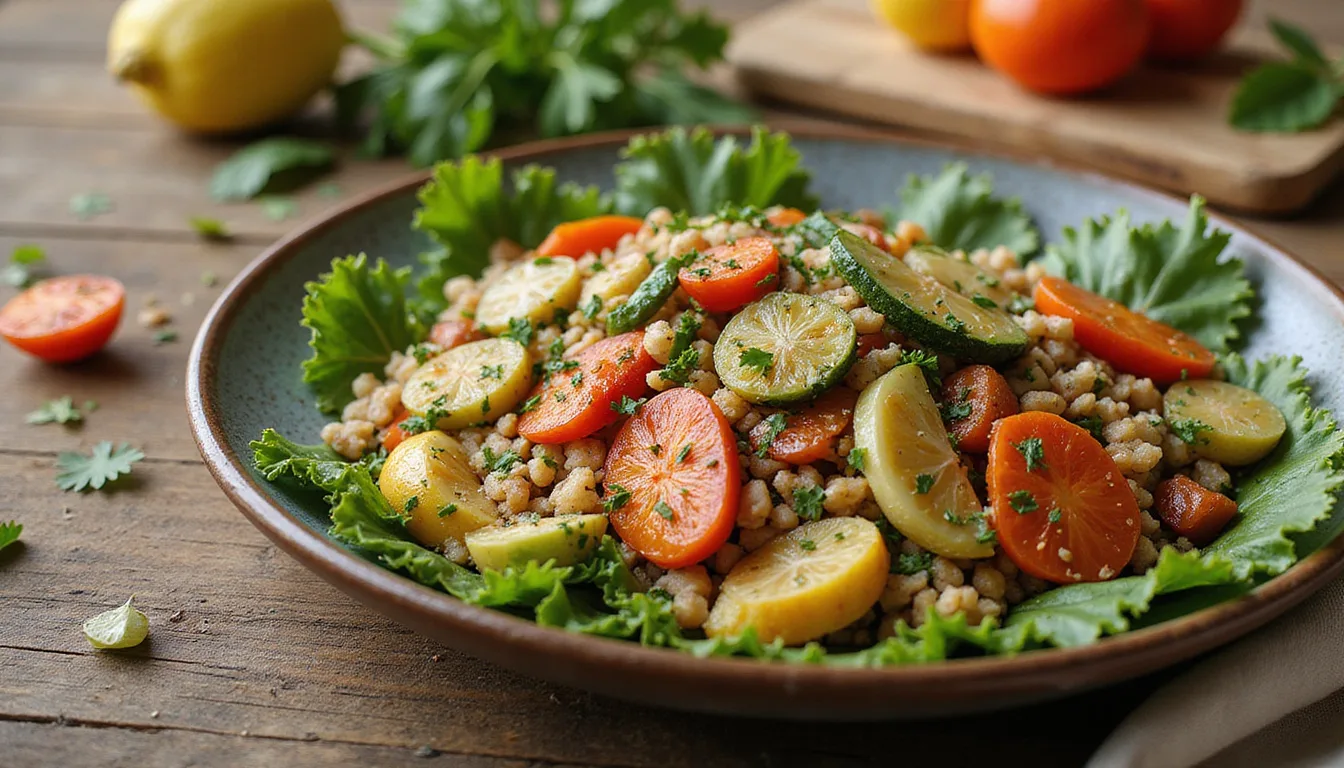
• Whole grains like oats, quinoa, barley, farro, brown or wild rice
• Tubers in small portions like sweet potatoes or potatoes (best with skin, baked or boiled)
Most of your carb grams should come from these foods. They help you feel full with fewer carbs.
The power trio: balancing carb grams with protein and fat
Carb grams work better when you do not eat them alone. Pairing them with protein and a bit of fat slows digestion and helps you feel full.
• Protein builds muscle and keeps hunger low.
• Healthy fats (from foods like olive oil, nuts, and avocado) help keep blood sugar steady and make meals satisfying.
Simple meal formula
For every meal or snack, try this plan:
• Protein + Fiber + Healthy Fat + Smart Carb Grams
Examples:
• Greek yogurt (protein) with berries (carb/fiber) and chia seeds (fat/fiber)
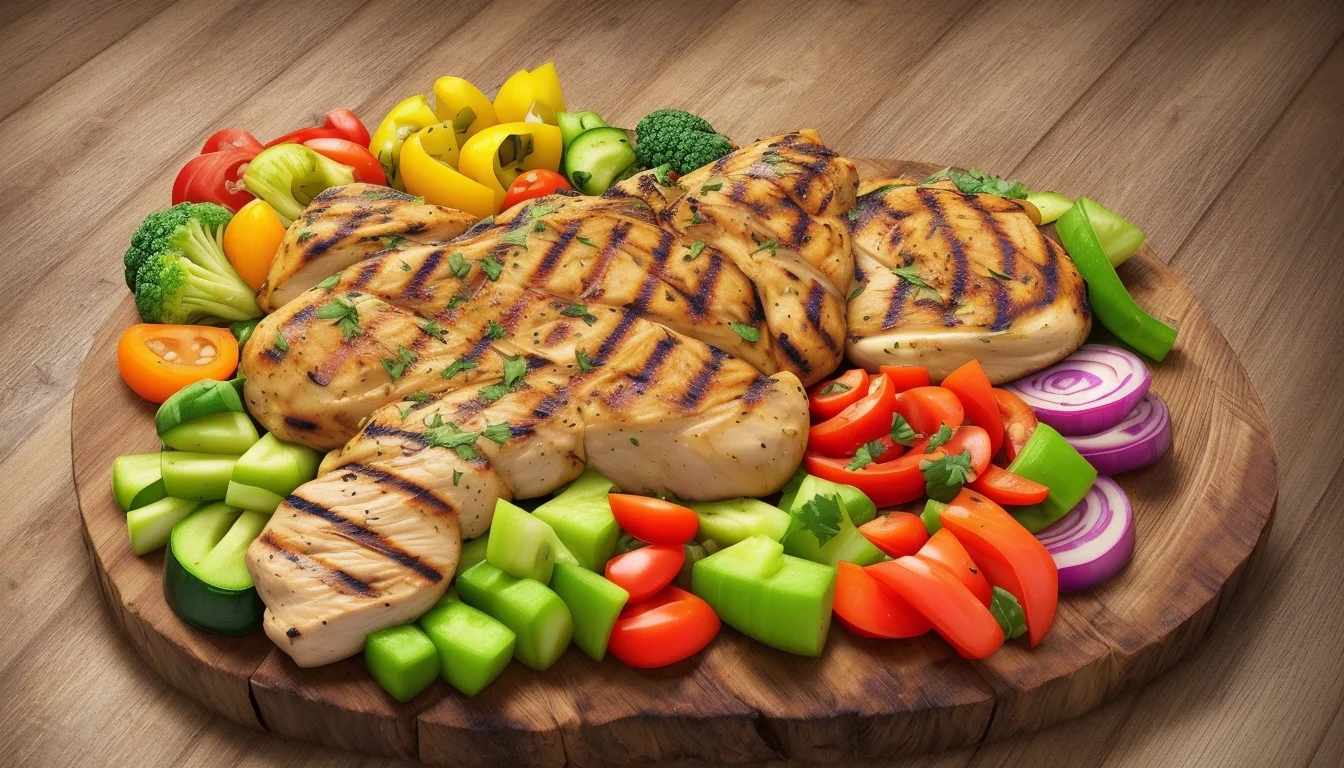
• Grilled chicken (protein) with a big salad (fiber) dressed in olive oil (fat) and a small part of quinoa (carb)
• Eggs (protein/fat) with sautéed spinach and mushrooms (fiber) and a small roasted sweet potato (carb)
When you use moderate carb grams with protein and fat, cravings drop in about a week.
Simple tricks to cut carb grams without feeling deprived
You do not need to change everything at once. Use these swaps to cut carb grams in small, clear steps.
1. Shrink, don’t erase, starchy portions
Instead of taking out rice, pasta, or potatoes, use less and add more vegetables.
Try:
• Half the usual rice or pasta along with double the veggies
• One small potato with a big side salad instead of a large potato
• Replace some pasta with spiralized zucchini or spaghetti squash mixed with a little pasta
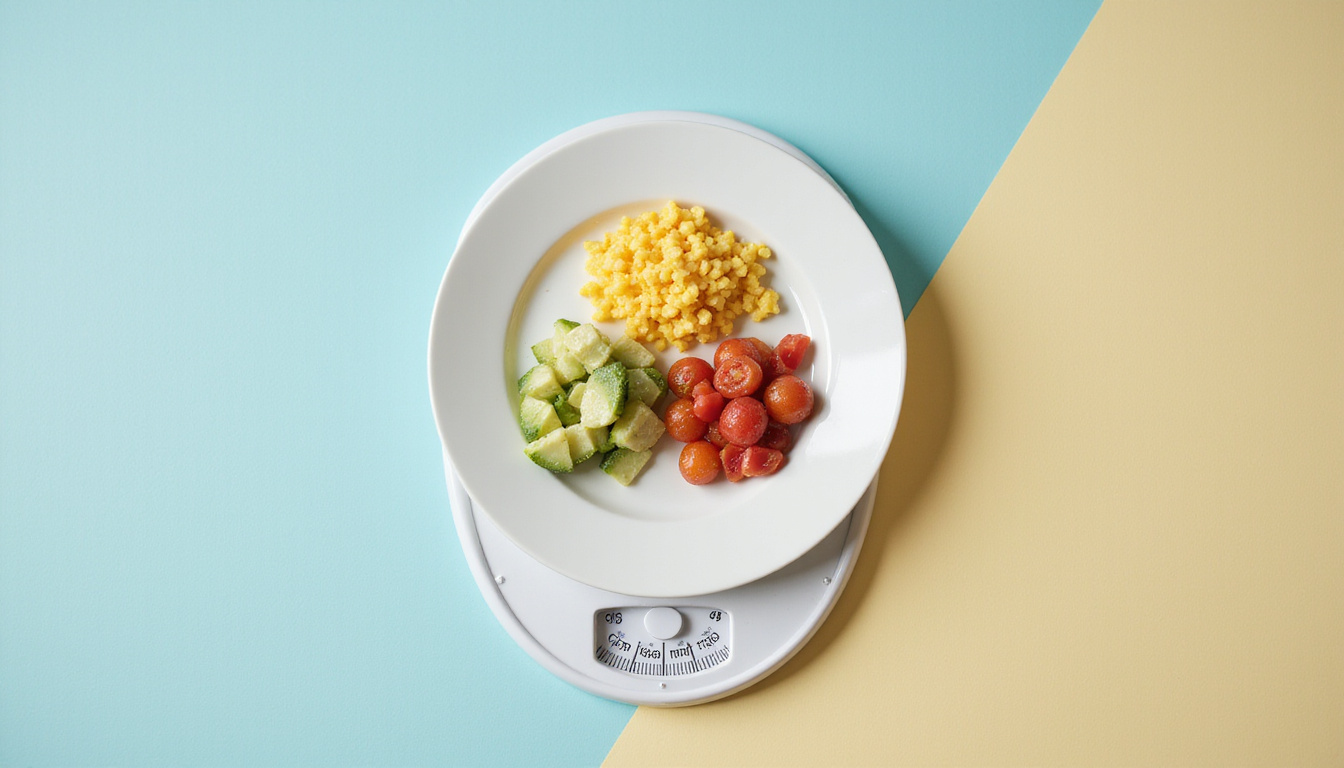
This trick alone can cut 20–40 carb grams from a meal.
2. Cut out liquid sugars first
Drinks with sugar add carbs fast and hit your body quickly.
Try:
• Swap soda for fizzy water with lemon or lime
• Use unsweetened tea or coffee with a small bit of sweetener, and then use less over time
• Change fruit juice for whole fruit (more fiber, fewer net carbs)
This change can make a big difference in weight loss.
3. Load protein in the morning
A breakfast high in carbs (like cereal, toast, juice, pastries) can lead to all-day cravings.
Instead, aim for 20–30 g of protein at breakfast and use only moderate carb grams:
• Scrambled eggs with veggies and a small piece of whole grain toast
• Greek yogurt with berries and nuts
• Cottage cheese with cucumber, tomato, and a piece of fruit
Many see fewer cravings in the afternoon and evening with this change.
4. Count carb grams for snacks, not for perfection
You do not have to count every gram every day. But knowing the carb grams in snacks stops aimless eating.
Better snack choices:
• A small handful of nuts or seeds (watch the portions; they are high in calories but low in carbs)
• Cheese slices or string cheese with cucumber or bell pepper
• A small apple with a spoon of peanut or almond butter
• A hard-boiled egg
• Veggies with hummus or guacamole
Keeping most snacks under 10–15 carb grams helps you meet your daily target.
5. Use the “10-gram rule” for packaged foods
When you read labels, check both Total Carbohydrate and Dietary Fiber.
For common daily foods (bread, tortillas, bars, cereals), aim for:
• 10–15 g net carbs or less per serving (net carbs = total carbs minus fiber)
• At least 3–5 g of fiber when you can
If a serving has 40–50 carb grams and you eat it often, it may work against your goals.
What does a day of smart carb grams look like?
Below is one sample day set around 90–110 g of carbs. Many find this moderate low-carb plan helpful.
Breakfast (25–30 g carbs)
• 2 eggs scrambled with spinach and mushrooms
• 1 slice of whole grain toast (~12–15 g carbs) with butter or avocado
• ½ cup berries (~8–10 g carbs)
Lunch (25–30 g carbs)
• Grilled chicken breast
• A large mixed green salad (leafy greens, cucumber, tomato, peppers) drizzled with olive oil and vinegar
• ½ cup cooked quinoa or brown rice (~20 g carbs)
Snack (10–15 g carbs)
• A small apple (~15 g carbs)
• 1 tablespoon almond butter (almost no carbs, mostly fat and protein)
Dinner (25–30 g carbs)
• Baked salmon or tofu
• Roasted non-starchy veggies (broccoli, cauliflower, Brussels sprouts)
• ½ medium roasted sweet potato (~15–20 g carbs)
Total: About 85–105 carb grams, based on portions
You do not remove carbs entirely; you place them in the right spots with whole, satisfying foods.
How to adjust carb grams to meet your own needs
Your best carb amount is a personal choice. Let your body guide you.
Track for a short time
For 5–7 days, do this:
- Write down what you eat every day.
- Use a tracking app or read labels to count carb grams.
- Write down how hungry you feel on a scale of 1–10 before meals and 1–10 after meals.
Watch for these signs:
• If you feel hungry or crave sweets soon after meals, even when full:
Try lowering your carb grams a bit or add more protein and fat.
• If you feel tired or not clear in your head, especially on very low carbs:
Try adding more carb grams, mainly from vegetables, fruit, and whole grains.
Make small changes each week
Adjust one item at a time:
• Week 1: Move from sugary drinks to drinks with no calories.
• Week 2: Reduce starchy sides by half and double the veggies.
• Week 3: Boost protein at breakfast and lower cereal, bread, or juice.
• Week 4: Aim for a specific carb range (for example, 80–120 g/day) and note how you feel.
Small shifts can turn into lasting habits.
Common carb gram mistakes that keep cravings alive
Watch out for these pitfalls that may slow down weight loss even when you try to manage carb grams.
1. “Low carb” but low protein
When you drop carbs but do not get enough protein, you may feel:
• Hungry soon after eating
• Weak or tired
• Too focused on food
Try for about 0.7–1.0 grams of protein per pound of goal body weight (often 80–120 g/day) unless your doctor suggests otherwise.
2. Cutting carbs but eating too many fats and calories
Fats fill you up, but they also have many calories. A low-carb plan is not a free pass for unlimited cheese, oils, and nuts.
• Measure oils and nut butters (about 1–2 tablespoons)
• Watch snacks like nuts and cheese; they add up fast
3. Dropping from high carb to ultra-low carb overnight
A sudden drop can cause:
• Headaches
• Feeling irritable
• Strong cravings
• Flu-like symptoms
Slowly reduce your carb grams over 1–3 weeks so your body can adjust.
4. Overlooking “hidden carbs”
Keep an eye on:
• Sauces and dressings (many have sugar)
• Coffee drinks (syrups, milk, creamers)
• Granola and “healthy” snack bars
• Restaurant meals with sugary sauces or glazes
A few of these can push your carb grams much higher than you intend.
Quick list: practical ways to manage carb grams now
Use this checklist to try these ideas today:
- Pick a starting carb gram range (e.g., 80–120 g/day).
- Cut out or reduce sugary drinks first.
- Get 20–30 g protein at breakfast along with moderate carbs.
- Reduce starchy portions by half and fill up with non-starchy veggies.
- Choose whole, high-fiber carbs like vegetables, legumes, and small amounts of whole grains.
- Build meals with protein, fiber, healthy fat, and smart carb grams.
- Keep most snacks under 10–15 g carbs and include protein or fat.
- Use food labels or apps to learn where your carb grams come from.
- Adjust each week based on hunger, cravings, and energy.
- Be flexible—consistency matters more than perfection.
FAQs about carb grams, cravings, and weight loss
1. How many carb grams per day should I eat to lose weight?
Many start between 70–130 carb grams per day for weight loss. This plan focuses on vegetables, some fruit, legumes, and a bit of whole grains. Lower ranges (50–70 g) may speed up loss but feel strict. Higher ranges (100–150 g) often work better for active folks. Begin in the middle and change by about 10–20 grams based on hunger and progress.
2. What are “net carb grams,” and do they count?
Net carb grams come from:
Total Carbohydrates minus Dietary Fiber
Since fiber does not raise blood sugar much, net carb grams show the carbs that count for blood sugar and cravings. With whole foods like vegetables, fruit, and legumes, you can focus on the total. With packaged items, net carbs help you compare better.
3. Can I still lose weight if I eat many carb grams but choose healthy sources?
Yes, you can lose weight on higher carb grams if you keep calories in check, choose mostly unprocessed foods (like fruits, vegetables, whole grains, and legumes), and get enough protein and fats. However, if you see strong cravings, energy drops, or blood sugar issues, keeping carb grams moderate often makes weight loss smoother.
Managing carb grams is not about perfection. It is about making your carbs work with you. By choosing carbs that digest slowly, pairing them with protein and a bit of fat, and finding the carb amount that keeps hunger low and energy steady, you set a strong base for long-term weight loss.
If you are ready to see real progress, start now. Pick a carb range that fits your life. Try one or two of these simple swaps. Track how you feel for a week. With a few clear changes, you can quiet cravings, enjoy your food more, and move steadily toward your health goals.
[center]Always consult with your doctor prior to making drastic diet changes.[/center]
[center]As an Amazon Affiliate, Savvy Keto makes a small commision (at no extra cost to you) on any purchases you make thru affiliated links you click on.[/center]