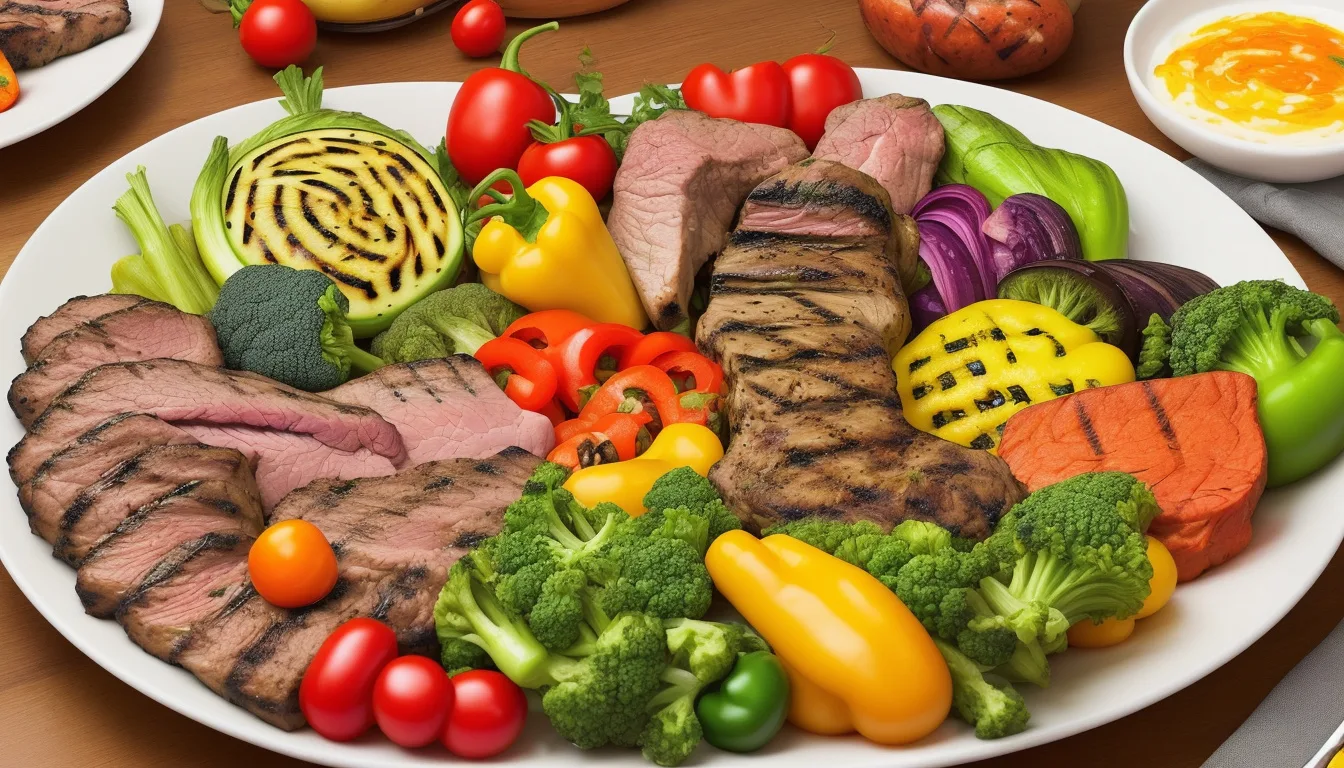
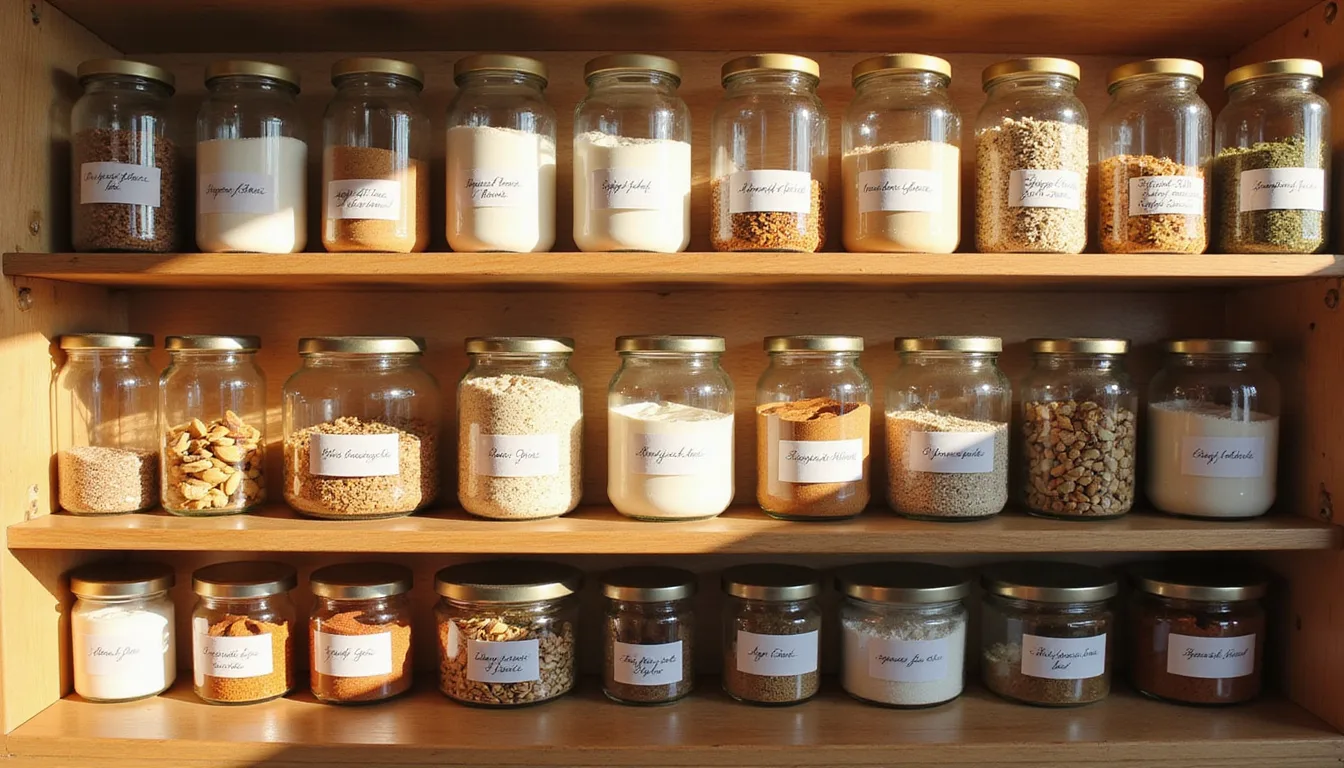
Building a smart low carb pantry makes cooking healthy meals feel easy instead of heavy. You place the right ingredients on your shelves, and you mix meals fast, avoid last-minute takeout, and stick to your goals—whether you aim for weight balance, blood sugar care, or fewer refined carbs.
Below is a guide that shows low carb pantry staples, explains how to use them, and helps you stock smartly so you cook more, waste less, and enjoy cooking.
Why a well-stocked low carb pantry matters

A low carb pantry that you build with care does three things:
- It cuts down on choices. Fewer, strong ingredients let you mix many meals without extra thought.
- It keeps you steady. When low carb foods sit ready, you skip high-carb snacks or quick foods.
- It brings out flavor. Herbs, spices, and sauces change basic proteins and veggies into tasty plates.
Low carb cooking is not a maze. Mix a protein, a low carb vegetable, a good fat, and flavor. Your pantry holds the heart of this plan.
Core principles for building your low carb pantry
Before listing foods, keep these ideas in mind:
• Use whole foods that stay close to nature, not packaged “diet” goods.
• Check labels for hidden sugars or thick starches in sauces and cans.
• Pick fats that come from nature—choose unsaturated fats or natural saturated fats and skip harmful trans fats.
• Go for foods that work in many dishes and tastes.
• Stock what fits your daily life. Choose foods you enjoy and prepare with time.
Healthy fats and oils: the foundation of taste
Fats give your meals body and keep you full. They help with hormones and brain work. They also make each bite richer.
Best oils for a low carb pantry
Keep these oils within reach when you cook or finish a dish:
• Extra-virgin olive oil
Use on salads, steamed veggies, or for low-heat frying.
• Avocado oil
It has a mild taste and stands heat well for roasting or quick sautés.
• Coconut oil
Works for higher heat and adds a hint of coconut.
• Ghee or clarified butter
It feels rich and works for searing meats and quick sautés.
Even as you use these fats in small amounts, know that they can help you stay full and support your body.
Proteins to keep in your low carb pantry
You need fresh or frozen proteins daily, yet your pantry also holds stable foods for busy days.
Shelf-stable protein staples
• Canned tuna, salmon, and sardines
Pack them in water or olive oil, and skip sugary sauces. They suit salads, wraps, or patties.
• Canned chicken
Use for warm soups, casseroles, or chicken salads when you lack cooked meat.
• Canned tofu and tempeh (for those who prefer plants)
They are not free of carbs, yet they come low in carbs compared to many plant proteins.
• Protein powders (whey, pea, or egg white)
Choose unsweetened or lightly sweetened with low-glycemic sweeteners to mix into shakes or low carb pastry.
• Shelf-stable sausages or meat sticks
Pick those with less additives and no sugar or fillers.
Low carb pantry vegetables and tomato items
Fresh or frozen vegetables are best. Still, a few pantry vegetables help when needed.
Canned and jarred vegetables
• Canned tomatoes (diced, crushed, purée)
Find versions with no sugar added. Use in sauces, stews, or chili.
• Tomato paste
A spoonful gives a deep taste to sauces.
• Artichoke hearts (in water or small brine)
They make salads, casseroles, or dips more lively.
• Roasted red peppers (jarred)
They add taste to sauces, spreads, or frittatas.
• Pickles, sauerkraut, and other fermented veggies
Choose plain ones without extra sugar. They add crunch and a tangy bite.
Tomato items hold some carbs, but small amounts work well for flavor.
Nuts and seeds: ready-to-eat fats and texture
Nuts and seeds stand as the base of your pantry. They pack energy and many nutrients.
Best nuts for a low carb pantry
Stick with plain nuts. Watch your amount so you do not eat too many.
• Almonds – Eat by themselves, turn them into flour, or slice over salads.
• Walnuts – Great in salads, low carb granola, or with yogurt.
• Pecans – Use for toppings or in low carb sweets.
• Macadamia nuts – They have very few carbs and taste rich.
• Hazelnuts and Brazil nuts – Fill you up if eaten in small handfuls.
Best seeds for low carb cooking
• Chia seeds – They thicken drinks and make pudding.
• Ground flaxseeds – Mix into yogurt, shakes, or baked treats.
• Hemp hearts – Sprinkle on salads or dishes for extra protein.
• Pumpkin and sunflower seeds – Add crunch to snacks or roasted dishes.
Nut and seed butters: quick fats with bold taste
Nut butters add creaminess and a deep taste to many dishes.
• Almond butter – Works well in sauces (for Asian flavors), smoothies, or as a dip.
• Peanut butter – Pick natural, unsweetened types to mix in sauces or treats.
• Tahini (sesame paste) – It suits dressings, dips, or veggie sauces.
• Sunflower seed butter – A good choice when you avoid nuts.
Always check the label. Some nut butters hold sugar or syrup you can skip.
Low carb flours and baking basics
If you love to bake or want low carb comfort foods, keep a few flours and thickeners in your pantry.
Key low carb pantry flours
• Almond flour – Your main flour for low carb baking; use in muffins, pancakes, cookies, or crackers.
• Coconut flour – It holds water well; you need only a bit. It works best with almond flour.
• Ground flaxseeds – They add fiber and can sometimes stand in for eggs.
• Psyllium husk powder – It gives a bread-like texture to low carb loaves.
Other baking ingredients
• Baking powder and baking soda
Check the baking powder if you want options without aluminum.
• Xanthan gum (optional)
It makes bread and dough feel smoother.
• Unsweetened cocoa powder
Add this for low carb chocolate desserts or drinks.
• Unsweetened shredded coconut
Mix it into granola, desserts, or use as a coating.
Beans and lentils: when to use them
Beans and lentils bring in fiber and protein, yet they hold more carbs. Use them in small servings:
• Black soybeans (canned) – They have far fewer net carbs than regular beans; put them in stews or chilis.
• Lentils and chickpeas – Use them lightly, either as a topping or side note rather than the main dish.
If you wish to keep very low carb intake, you might skip these; if you are content with a moderate level of carbs, small amounts work.
Herbs, spices, and seasoning blends
Real taste in your low carb pantry comes from your spice shelf.
Must-have dried herbs
• Oregano, Basil, Thyme, Rosemary, Parsley, Dill
Essential spices
• Cumin, Smoked paprika, Chili powder, Turmeric, Coriander, Cinnamon, Garlic powder, Onion powder, Crushed red pepper flakes, Black pepper
Blends to keep on hand
Examine the labels, as many blends hide added sugar or extra fillers.
• Taco seasoning (sugar-free)
• Italian seasoning
• Curry powder or garam masala
• Cajun or Creole seasoning
• Everything bagel blend
With a few proteins, low carb vegetables, and these spices, you can cook Mexican, Mediterranean, Indian, or American dishes from your pantry.
Sauces, condiments, and flavor boosters
Pick sauces with care. Many condiments hide high sugar or starch.
Wise condiment choices
• Mustard (Dijon, yellow)
They are almost free of carbs; check the label.
• Mayonnaise
Choose versions made with olive or avocado oil; skip those with added sugar.
• Hot sauces without sugar
They add heat and liveliness.
• Soy sauce, tamari, or coconut aminos
Use these for Asian dishes (mind that coconut aminos can bring more sweetness and slight carbs).
• Vinegars in forms like apple cider, red wine, white wine, or rice
They work well for dressings or marinades.
• Salsa without added sugar
Mix onto eggs, meat, or bowls.
• Pesto found in a jar
It makes chicken, fish, eggs, or veggies taste rich; check for fillers.
• Olives and capers
They add a strong taste with few carbs.
• Ketchup and BBQ sauce that skip sugar
They may help when you need a comforting touch to burgers or grilled foods.
Low carb sweeteners and how to use them
When you want a bit of sweet without the sugar, a few sweeteners come in handy:
• Erythritol – A sugar alcohol that is about 70% as sweet as sugar.
• Stevia – Very sweet, so use just a little. Choose pure stevia free of maltodextrin.
• Monk fruit blend – A good mix when combined with erythritol.
• Allulose – A rare sugar with little effect on blood sugar and bakes much like sugar.
Use these sparingly, as too much can keep your taste for sugar alive.
Broths, stocks, and soups
A low carb pantry holds bases to build warm soups and stews fast.
• Chicken, beef, or vegetable stock (boxed or in cubes)
Pick low-sodium kinds with no added sugar.
• Bone broth
Choose versions in cartons or jars that last on the shelf.
• Canned soups (read the label well)
Avoid those with noodles, rice, or potatoes and check the carb count.
These bases let you turn leftovers and a few veggies into a full meal with little work.
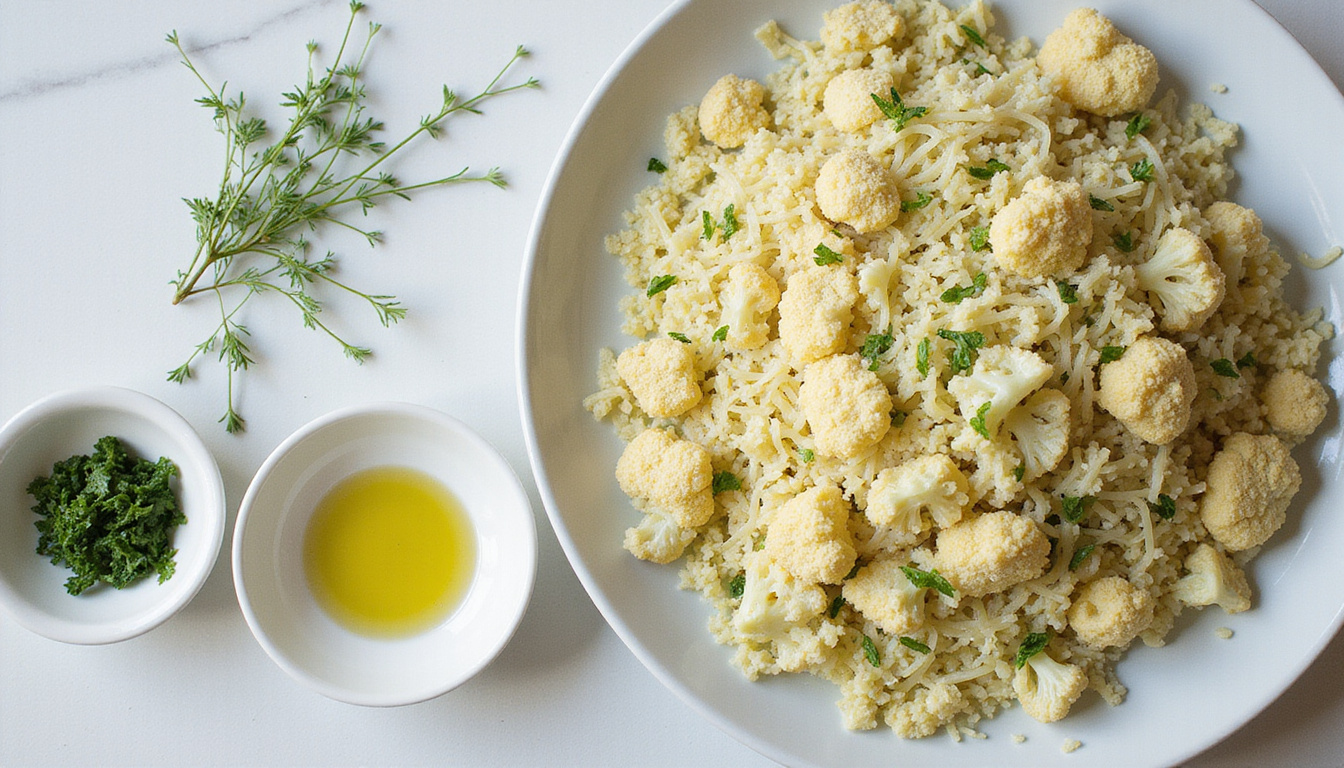
Low carb “pasta,” rice, and bread alternatives
Fresh zucchini or cauliflower gets used often; yet some shelf foods help, too:
• Shirataki (konjac) noodles
These hold very few carbs and calories and suit many noodle dishes.
• Hearts of palm “pasta”
They work in sauces and come in a jar or can.
• Cauliflower rice (in shelf-stable pouches)
Some brands offer a version that stays long; check the ingredients.
For bread, most low carb types come from almond or coconut flour or are kept in the freezer. A few shelf breads or tortillas exist; inspect labels for wheat or gluten and true net carb claims.
Low carb snacks and grab-and-go items
Keep a few ready snacks to help you avoid vending machines.
Smart snack options
• Canned fish like tuna, salmon, or sardines
• Beef jerky or meat sticks (with no added sugar)
• Nuts and seeds
• Small packets of nut butter
• Plain pork rinds
• Seaweed crackers
• Olives in small packs
• Dark chocolate (85% cocoa or higher) in modest amounts
Plan snacks that mix protein and fat. They keep hunger low better than fat alone.
A sample low carb pantry checklist
Use this list as a start. Adjust it to what you like, your funds, and your shelf space.
• Oils & Fats
– Extra-virgin olive oil
– Avocado oil
– Coconut oil
– Ghee or butter
• Proteins
– Canned tuna, salmon, sardines
– Canned chicken
– Protein powder (unsweetened)
– Shelf-stable tofu or tempeh (if you choose plant-based)
• Vegetable & Tomato Items
– Diced or crushed tomatoes (no sugar added)
– Tomato paste
– Artichoke hearts (in water)
– Roasted red peppers
– Sauerkraut or pickles (without added sugar)
• Nuts & Seeds
– Almonds, walnuts, pecans, macadamias
– Pumpkin, sunflower, chia, flax, and hemp seeds
• Nut & Seed Butters
– Natural almond butter
– Natural peanut butter
– Tahini
– Sunflower seed butter
• Low Carb Flours & Baking
– Almond flour
– Coconut flour
– Ground flaxseed
– Psyllium husk
– Baking powder and baking soda
– Unsweetened cocoa powder
• Herbs & Spices
– Garlic and onion powder
– Oregano, basil, thyme, rosemary
– Cumin, paprika, chili powder, turmeric
– Black pepper, red pepper flakes
– Blends as in taco, Italian, or curry seasoning
• Condiments
– Mustards (Dijon, yellow)
– Mayonnaise (made with olive or avocado oil)
– Sugar-free hot sauce
– Soy sauce, tamari, or coconut aminos
– Vinegars (apple cider, red wine, rice)
– Salsa (no added sugar)
– Pesto
– Olives and capers
• Sweeteners (optional)
– Stevia
– Monk fruit blend
– Erythritol or allulose
• Broths & Bases
– Chicken, beef, or vegetable stock
– Bone broth
– Low carb bouillon cubes or paste
• Pasta/Rice Alternatives
– Shirataki noodles
– Hearts of palm pasta
– Shelf-stable cauliflower rice (if available)
• Snacks
– Jerky or meat sticks
– Pork rinds
– Seaweed snacks
– Dark chocolate (85% cocoa or higher)
How to switch to a low carb pantry without waste
You need not toss all of your current foods. Switch over slowly:
- Mark high-carb foods—white rice, regular pasta, sugary cereals, crackers, sweet sauces, and baked treats.
- When a food runs out, fill the gap. Replace pasta with shirataki or zucchini noodles, and rice with cauliflower rice.
- Keep a box for high-carb treats if others share your kitchen; this keeps them out of sight.
- Add a few new foods at a time. Learn to use each one well before you add more.
This easy plan helps you change your pantry in a steady way.
Fast low carb meal ideas from the pantry
See how these ideas join pantry basics into meals:
• 10-minute tuna pesto salad
Mix canned tuna, jarred pesto, olives, and chopped pickles or artichokes over lettuce or cucumber slices.
• Pantry chili
Combine ground beef (or canned chicken), canned tomatoes, black soybeans, chili powder, cumin, and smoked paprika.
• Eggs in spicy tomato sauce
Use canned tomatoes, garlic powder, cumin, paprika, and crack eggs on top while you let them simmer.
• Coconut curry soup
Mix bone broth, a bit of canned coconut milk (if you have it), curry powder, canned chicken or tofu, and any low carb veggies.
• “Nacho” bowl with pork rinds
Use pork rinds as a crunchy base, top with seasoned ground meat or canned chicken, salsa, cheese, olives, and hot sauce.
When your low carb pantry sits ready, these meals come with little work.
FAQ about low carb pantry essentials
What should I skip in a low carb pantry?
– Limit white flour, regular pasta, rice, sugary cereals, most crackers, cookies, sweetened sauces like ketchup or BBQ sauce, and many canned soups with noodles, rice, or potatoes. If others in your home use these, keep them out of your main cooking space.
How do I build a low carb pantry on a budget?
– Choose basics that work in many dishes: eggs, canned fish, bulk nuts and seeds, olive oil, plain spices, and canned tomatoes. Buy store brands, shop sales, and add novelty items like almond flour or shirataki noodles slowly.
Are there low carb snacks that do not need chill?
– Yes. Pick beef jerky or meat sticks (with no sugar), canned tuna or salmon, nuts, seeds, pork rinds, seaweed snacks, and dark chocolate (85% cocoa or above). They store well at room temperature.
A low carb pantry that you plan well turns healthy eating into a habit. Instead of fighting the urge at meal times, you set your kitchen with foods that let the healthy choice win.
Start with a few groups from this guide—maybe the oils, canned proteins, and a couple of low carb flours—and build step by step. Each small change gives you more options, more taste, and more control over your meals.
Feel free to share what you have in your pantry and the meals you like. I can help you make a custom low carb plan and a week of simple meal ideas just for you.
[center]Always consult with your doctor prior to making drastic diet changes.[/center]
[center]As an Amazon Affiliate, Savvy Keto makes a small commision (at no extra cost to you) on any purchases you make thru affiliated links you click on.[/center]