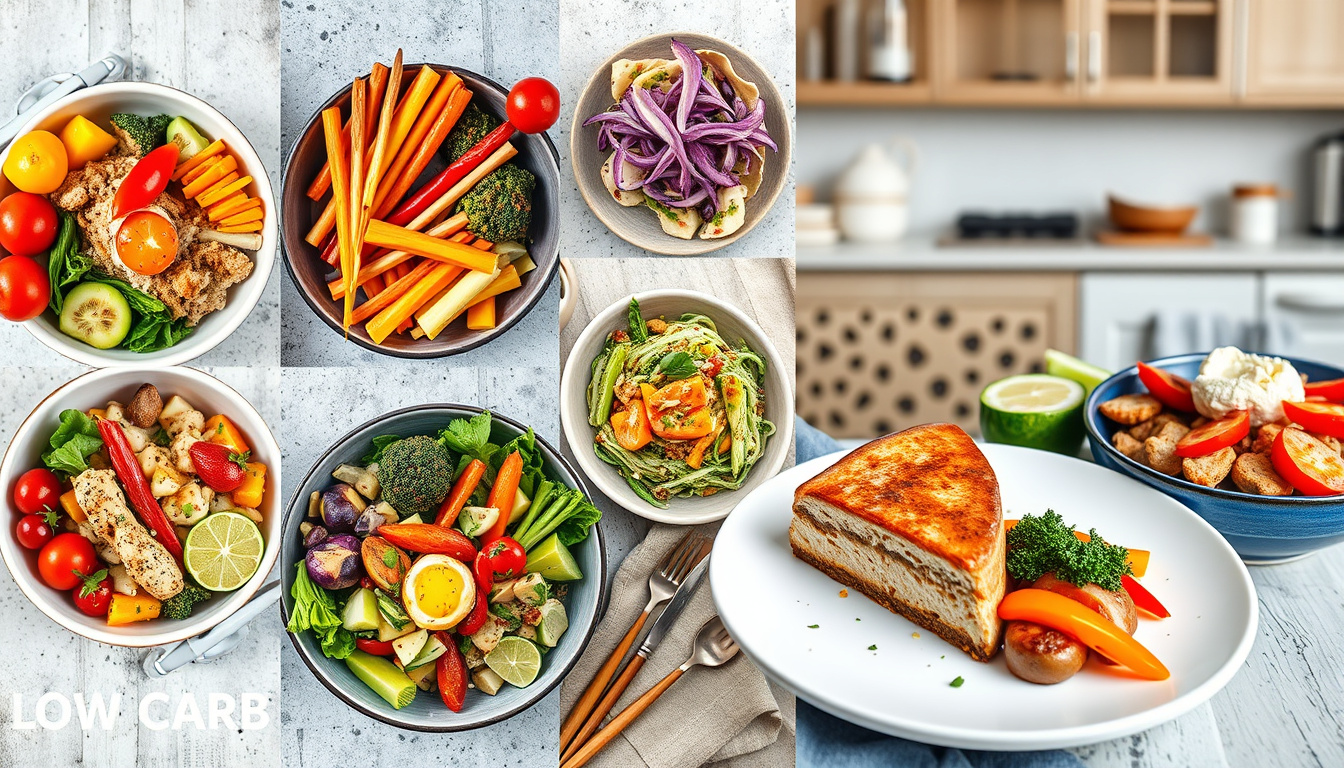
If you have tried to control your blood sugar, lose weight, or just eat in a healthier way, you may know the glycemic index. You may not know glycemic load as well. Glycemic load ties two ideas close together: the speed of a food’s impact and the size of the carbohydrate portion. Many users see steadier energy, fewer cravings, and easier weight control after a few weeks of using glycemic load. This happens without a feeling of harsh dieting.
This guide breaks down what glycemic load is, why it matters more than you have heard, and how to use it in a clear, lasting way.
Glycemic Load vs. Glycemic Index: Why the Difference Matters

Most advice still focuses on the glycemic index (GI). GI uses a scale from 0 to 100 to show how a food raises blood sugar compared with pure glucose.
• High GI: 70 or more
• Medium GI: 56–69
• Low GI: 55 or less
The main point is that glycemic index shows the speed of the rise, not the quantity.
The Blind Spot of Glycemic Index
Glycemic index tests food with a fixed 50 grams of carbohydrates. This test does not match how you usually eat. Three problems come from this:
-
Portion Issues
You rarely eat 50 g of carbs from one food alone. For example, to get 50 g of carbs from carrots, you would have a very large portion—usually more than you normally eat. -
Skips Carb Density
A food may have a high GI but offer very few carbs in a real meal. Its overall effect on blood sugar stays small. -
Not How We Eat
GI tests one food on an empty stomach. In real life, you mix carbs with fat, protein, and fiber. This mix changes your body’s response.
Glycemic load brings together the speed and the amount in a way that fits real life.
What Is Glycemic Load, Exactly?
Glycemic load ties two parts together:
- How fast a food raises blood sugar (its GI)
- How many carbohydrates a serving contains
The simple formula is:
Glycemic Load (GL) = (Glycemic Index × grams of available carbs per serving) ÷ 100
(Available carbs mean the total carbs minus fiber.)
How to Read Glycemic Load
Per serving, you see these values:
• Low GL: 0–10
• Medium GL: 11–19
• High GL: 20 or more
A low glycemic load means the food is not likely to spike your blood sugar, even if its GI seems high.
Why Glycemic Load Often Tells a Truer Story
Many do not learn that using only glycemic index may cause worry about healthy foods and may allow some less healthy foods to slip by.
The Carrot vs. Doughnut Example
• Carrots
– GI: about 60 (moderate)
– Carbs per serving: very low
– GL: roughly 3 (low)
• Doughnut
– GI: sometimes moderate
– Carbs per serving: high
– GL: over 20 (high)
Focusing only on GI can make carrots and doughnuts seem similar. In truth, glycemic load shows that carrots barely push blood sugar, while doughnuts push it much more.
Fruit Examples
Some fruits seem to have high sugar or a high GI. When you check portion sizes and fiber, many fruits have a moderate or even low glycemic load. This means you can include them in a balanced eating plan.
Glycemic Load’s Impact on Blood Sugar and Insulin
When you eat carbohydrates, your blood sugar rises and then your body releases insulin. If you eat many high-GL meals, you may see:
• Large blood sugar jumps
• Sharp drops afterward
• Strong cravings for fast carbs
• Sleepiness and foggy thinking after meals
Over time, this pattern may link to:
• Higher insulin resistance
• A higher risk of type 2 diabetes
• Weight gain, especially around the belly
• Inflammation and a higher heart risk
(source: Harvard T.H. Chan School of Public Health)
By choosing foods with a lower glycemic load, you work for:
• Smaller, steadier blood sugar rises
• A smoother insulin release
• More lasting energy between meals
Glycemic Load and Weight Loss: The Quiet Key
Many diets look only at calories and neglect how your body responds to food. The quality of carbohydrates and their glycemic load affect:
• Hunger hormones like ghrelin
• Fullness signals like leptin
• How much you want quick sugars between meals
Eating foods with a lower glycemic load can:
• Calm sudden hunger bursts
• Help you feel full on fewer calories
• Make it easier to stick to a calorie deficit without constant hunger
That is why many report feeling less hungry or not thinking of food all day when they lower the glycemic load in their meals.
Practical Examples: Glycemic Load in Everyday Foods
You do not need a calculator every time you eat. A few comparisons can show the differences.
(Note: Numbers are approximate and may change with source and preparation.)
Breakfast
• Instant flavored oatmeal packet
– GI: about 79
– Carbs: about 30 g
– GL: about 24 (high)
• Steel-cut oats with nuts and berries
– GI: about 50
– Carbs (net): about 25 g
– GL: roughly 13 (moderate; fat and fiber help lower the effect)
• White toast with jam
– GI: between 70 and 75
– Carbs: about 30 g
– GL: around 21–23 (high)
Lunch
• White rice (1 cup cooked)
– GI: about 73
– Carbs: about 40 g
– GL: near 29 (high)
• Quinoa (1 cup cooked)
– GI: about 53
– Carbs: about 30 g
– GL: around 16 (moderate)
• A large salad with grilled chicken, mixed vegetables, olive oil, and a small serving of beans
– Mixed GI, few carbs
– Overall GL: low to moderate
Snacks
• Sugary soda (12 oz)
– GI: about 63
– Carbs: about 39 g
– GL: about 25 (high)
• Apple with peanut butter
– Apple GI: about 38
– Carbs: around 20 g
– GL: about 8 (low)
Plus, the fat and protein help keep blood sugar steady.
Watch the pattern: less refined food, more fiber, and a mix with protein or fat tend to show a lower glycemic load.

How to Make a Low Glycemic Load Meal (Without Obsession)
Keep these ideas in mind as you plan meals. Do not worry about each number. Simply follow these simple steps:
1. Start with Non-Starchy Vegetables
Fill at least half your plate with:
• Leafy greens like spinach and kale
• Vegetables like broccoli, cauliflower, or cabbage
• Veggies like peppers, cucumbers, zucchini, beans, and mushrooms
These foods have few carbohydrates and a very low glycemic load. They also supply vitamins, minerals, and fiber.
2. Add Protein to Every Meal
Protein does not raise glycemic load. It also keeps your blood sugar steady. Think about:
• Fish, chicken, or eggs
• Lean meats
• Tofu or tempeh
• Greek yogurt or cottage cheese
• Lentils or beans (they also bring fiber)
3. Choose Carbs in Smart Portions
Both the type of carb and its amount matter. Try:
• Whole grains like oats, barley, quinoa, farro, or a small amount of brown rice
• Whole fruits instead of juices
• Legumes such as lentils, chickpeas, and black beans
• Root vegetables in moderate portions (sweet potato, carrots, beets)
A typical serving is about half a cup of cooked grains. Let the other parts of your plate balance the meal.
4. Use Fats in a Thoughtful Way
Healthy fats slow digestion and can soften a meal’s glycemic effect. Good fats include:
• Olive oil or avocado oil
• Nuts and seeds
• Avocado
• Fatty fish like salmon or sardines
Be mindful of calories, but a small amount of fat can help your blood sugar and feelings of fullness.
5. Cut Back on Highly Processed, High-GL Foods
Some foods can push a high glycemic load quickly:
• Sugary drinks like soda or sweet tea
• Candy and sweets
• White bread, bagels, or pastries
• Big portions of white rice or instant potatoes
• High-sugar cereals low in fiber
You do not need to avoid them forever. Try to have them as small treats or mix a little with protein and fat.
One Simple Framework: The “GL-Aware Plate”
When you plan your plate, think of these parts instead of numbers.
A GL-aware plate looks like:
- 1/2 plate: non-starchy vegetables
- 1/4 plate: protein
- 1/4 plate: smart carbohydrates (whole grains or starchy veggies)
- 1–2 tablespoons: healthy fat (olive oil, nuts, seeds, avocado, etc.)
This method naturally holds the glycemic load to a moderate range and keeps your meal full of nutrients.
A Quick Glycemic Load “Check” Before Eating
Before you take a bite, ask:
• Is most of this meal made of refined carbohydrates (like white bread, pasta, rice, or sweets)?
• Does the meal include at least one good protein source?
• Are there non-starchy vegetables on the plate?
• Does the main carbohydrate part take up too much of the plate?
A meal that is mostly refined starch and has little protein or fiber will often have a high glycemic load. Changing one or two parts—adding vegetables or cutting back on the starch—can lower the load.
Common Myths and Misunderstandings About Glycemic Load
Myth 1: “If the sugar is natural, glycemic load is not important.”
You may see honey, maple syrup, agave, or fruit juice called natural sugar. Each still raises blood sugar. Whole fruit stands apart because it comes with fiber, water, and structure.
Myth 2: “Only very low-carb diets help control blood sugar.”
You can keep blood sugar steady with moderate carbs too. The mix of carbs with low glycemic load, protein, and fat works well for many people. Some do low-carb diets, while many do well with balanced meals.
Myth 3: “All foods with high GI cause problems.”
A high GI does not tell the whole story. Some foods with high GI have a low glycemic load in real servings. For example, a small serving of white potato eaten with meat and salad is different from a large plate of fries with soda.
When Glycemic Load Matters Most
Everyone wins from knowing glycemic load. It is even more helpful if you:
• Have prediabetes or type 2 diabetes
• Experience large shifts in energy or mood after meals
• Feel strong carb cravings or sudden hunger
• Find it hard to lose weight because you are always hungry
• Live with conditions like PCOS (always check with a doctor)
Glycemic load is a lifestyle tool. It does not replace care or medicine. Be sure to talk with your healthcare worker before making big diet changes, especially if you use medications for sugar control.
Simple Steps to Start Using Glycemic Load Today
Small changes count. Try this progression:
-
Swap one high-GL item.
Replace sugary drinks with water, sparkling water, or unsweetened tea. -
Change breakfast.
Instead of sugary cereal or white toast, try eggs with vegetables, Greek yogurt with berries, or steel-cut oats with nuts. -
Reduce starch at lunch and dinner.
If half your plate is pasta or rice, cut it to a quarter and add more vegetables and protein. -
Turn snacks into balanced bites.
Pair a small carb with protein or fat, such as:
• Apple and nuts
• Carrots with hummus
• Berries with cottage cheese -
Plan one low-GL dinner you enjoy.
For example, have grilled salmon, a mixed salad with olive oil, and a small portion of quinoa or sweet potato.
FAQ: Glycemic Load, Glycemic Index, and Sugar Facts
-
What is the practical difference between glycemic index and glycemic load?
GI measures how fast a food raises blood sugar for a fixed number of carbs. GL checks how much you eat and takes the serving into account. GI tells speed; GL tells total impact. -
How can low glycemic load foods help control blood sugar spikes?
Build meals with non-starchy vegetables, whole fruits, legumes, and a moderate amount of whole grains. Mix these with protein and fat. This slows digestion and keeps blood sugar more steady. -
Is a low glycemic load diet good for weight loss and health?
Many people find that low glycemic load foods help control hunger, cut cravings, and support steady weight loss. Research shows they can also help lower the risk of type 2 diabetes and heart problems when part of a balanced diet.
Take Control of Sugar’s Impact with Glycemic Load
You do not have to worry over every gram of sugar or deal daily with energy drops. Understanding glycemic load gives you a flexible way to manage blood sugar without tracking every bite.
• Fill your plate with non-starchy vegetables.
• Include a solid protein at every meal.
• Choose smarter, smaller portions of carbohydrates.
• Limit high-GL, heavily processed foods.
Try these steps at your next meal. Adjust your plate with a GL-aware approach, swap one high-GL item for a lower one, and notice how you feel in the hours that follow. Your body’s response will show that glycemic load is a simple yet powerful way to manage sugar’s effect on your health.
[center]Always consult with your doctor prior to making drastic diet changes.[/center]
[center]As an Amazon Affiliate, Savvy Keto makes a small commision (at no extra cost to you) on any purchases you make thru affiliated links you click on.[/center]