
Sustainable Low Carb Meal Plan Hacks for Lasting Weight Loss and Energy
Designing a sustainable low carb lifestyle is not about being perfect or feeling deprived. It means building small habits that work well over time. Low carb done right brings steady fat loss, stable energy, fewer cravings, and clear focus. It helps you avoid constant hunger and strict limits.
This guide shows you simple, real steps for a low carb life. You will learn how to plan, shop, cook, eat out, and stay on track when things get busy.
Why “Sustainable Low Carb” Beats Quick-Fix Diets

Many low carb plans promise fast fixes, but they often feel too strict and can burn you out. A sustainable low carb way rests on:
- Eating foods you enjoy
- Preparing meals that fit your budget and your day
- Keeping room for social meals and trips
- Making progress step by step
In contrast to high refined-carb diets, eating fewer carbs helps control blood sugar, supports weight loss, and fills you up for a longer time (source: Harvard T.H. Chan School of Public Health).
The point is not to cut out all carbs. It means choosing smarter carbs, building steady habits, and shaping a plan that fits your life.
Step 1: Set a Realistic Low Carb Range You Can Maintain
Before you plan a meal, pick a carb range that feels real for you. You do not need the strictness of keto to lose weight and feel better.
Daily carb ranges can be:
- Moderately low carb: ~75–125 g net carbs/day
- Often the easiest to keep over time
- Good for steady fat loss and steady energy
- Low carb: ~50–75 g net carbs/day
- More structure with added appetite control
- Very low carb / Keto: ≤20–30 g net carbs/day
- May lead to faster early weight loss but hard to hold
If strict keto has been tough before, try a sustainable low carb level of about 75–100 g. Watch how you feel and adjust over time.
Hack: Keep a record of your carb intake for 3–5 days. With a food label or an app, you can spot which foods raise your carbs and where small changes help a lot.
Step 2: Build a Simple Meal Framework (So You Don’t Think So Much)
Overthinking meal choices is a common reason to give up. Instead, set up a basic pattern:
- Breakfast: Protein plus healthy fat and a low carb plant
- Lunch: Protein, plenty of veggies, and some healthy fat
- Snack (if needed): Protein along with fiber
- Dinner: Protein with 2 veggies (or 1 veggie and a little smart-carb)
Once you have a frame, fill in with your favorite foods.
Sample One-Day Sustainable Low Carb Meal Plan
Breakfast (15–20 g net carbs)
- 2 scrambled eggs with spinach and feta
- ½ avocado
- 1 small apple or a serving of berries
Lunch (15–20 g net carbs)
- Grilled chicken over a salad of mixed greens, cucumbers, tomatoes, and olives with an olive oil–lemon drizzle
- A small handful of nuts if you wish
Snack (5–10 g net carbs)
- Unsweetened Greek yogurt with a pinch of cinnamon and a few raspberries
or - Cheese sticks paired with sliced cucumber
Dinner (20–30 g net carbs)
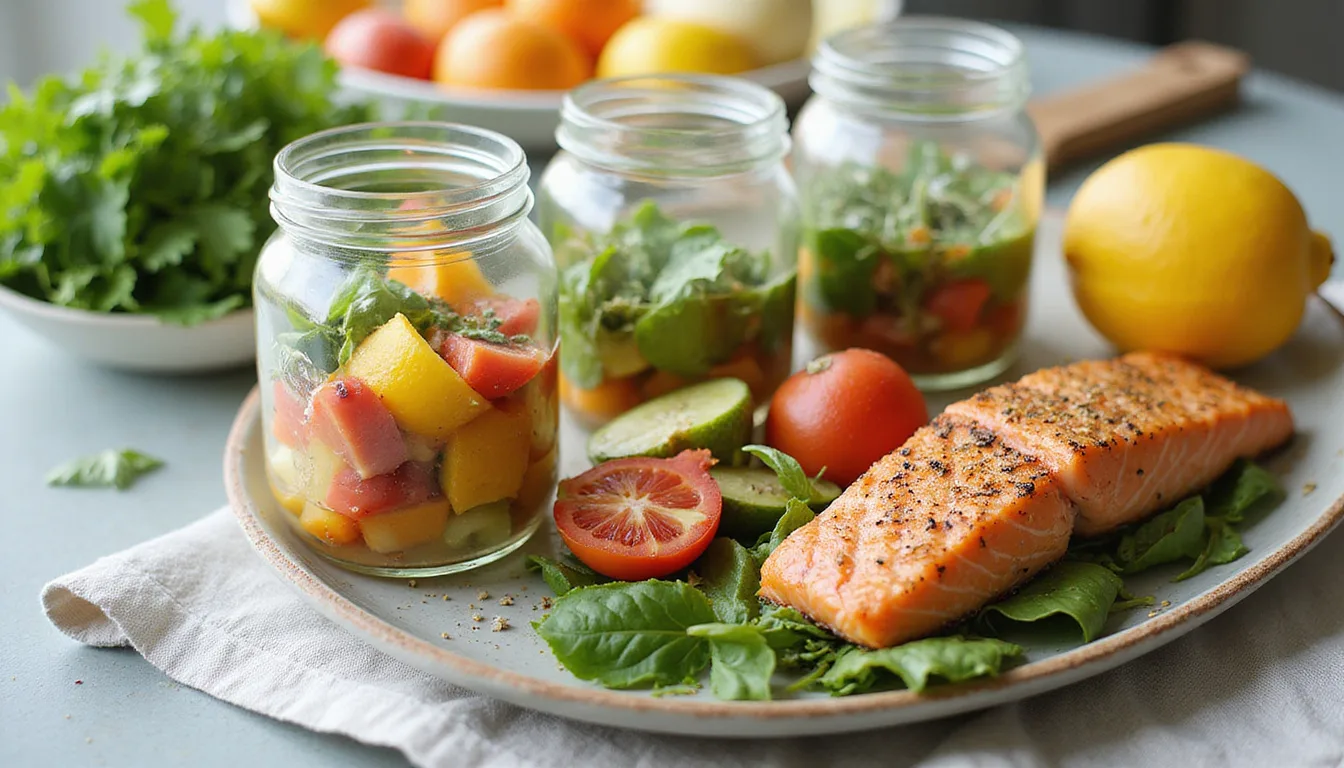
- Baked salmon with lemon and herbs
- Roasted broccoli
- A small serving of roasted sweet potato
This plan keeps you in the range of 55–80 g net carbs. It is low enough to help with weight loss and steady energy while still being easy to maintain.
Step 3: Master Smart Carb Swaps (Without Feeling Deprived)
You do not have to say goodbye to all comfort foods. Swap them with choices that work with your plan.
Easy Everyday Swaps
- Bread becomes lettuce wraps, low-carb tortillas, or an open-faced sandwich
- White pasta becomes zucchini noodles, spaghetti squash, or pasta made from lentils or chickpeas
- White rice becomes cauliflower rice or a mix of half rice and half cauliflower
- Sugary cereal becomes a bowl of Greek yogurt with nuts and berries
- Chips become nuts, seeds, pork rinds, cheese crisps, or veggie sticks with a dip
- Sugary soft drinks become water with lemon, sparkling water, unsweetened tea, or coffee with a splash of cream
Pick one or two big swaps first, such as switching drinks or changing evening snacks. That way, you can build a sustainable low carb plan step by step.
Step 4: Protein and Fiber—Your Secret Weapons for Lasting Energy
A low carb plan can fall short when protein and fiber are low. Inadequate protein and fiber can keep hunger high and energy low.
Get Protein First
Aim for about:
• 0.7–1.0 g of protein per pound of your goal body weight (or 1.6–2.2 g per kg)
Good protein sources are:
• Eggs
• Chicken, turkey, lean beef, and pork
• Fish and other seafood
• Greek yogurt or cottage cheese
• Tofu, tempeh, and edamame
Protein helps you feel full, preserves muscle, and keeps your energy stable.
Don’t Forget Fiber
Low carb is not the same as no plants. Non-starchy veggies and low-sugar fruits aid your digestion, balance hormones, and keep your energy on track.
High-fiber, low carb foods include:
• Broccoli, Brussels sprouts, and cauliflower
• Leafy greens like spinach, kale, and romaine
• Berries such as strawberries, blueberries, and raspberries
• Avocado
• Chia seeds, flaxseed, and hemp hearts
A sustainable low carb plan fills your plate with plenty of produce along with protein and fats.
Step 5: One-Hour Weekly Prep Makes Low Carb Feel Routine
When healthy food is hard to reach, fast food wins. One short prep session each week can change that.
Try This 60-Minute Prep Routine
-
Cook 1–2 proteins in bulk
• Roast a tray of chicken or bake a batch of fish
• Brown ground turkey or beef with simple spices -
Prepare 3–4 vegetables
• Wash and chop salad greens, cucumbers, and peppers
• Roast a tray of mixed vegetables like broccoli, cauliflower, carrots, or Brussels sprouts -
Make 1 basic fat-based sauce
• For example: mix olive oil, lemon, garlic, and herbs
• Or stir Greek yogurt with herbs and lemon -
Portion out smart carbs
• Prepare a small batch of quinoa, brown rice, or sweet potatoes
• Divide into small containers for measured servings -
Set up grab-and-go snacks
• Pre-portion nuts and seeds
• Fill small boxes with hummus or guacamole with veggie sticks
These steps let you mix and match quick meals all week without having to cook from scratch daily.
Step 6: Low Carb Hacks for Busy Weekdays
On busy days, your sustainable low carb success comes from small shortcuts.
Fast Breakfast Ideas (5 Minutes or Less)
• A bowl of Greek yogurt with a few berries and some nuts
• Two boiled eggs, one piece of fruit, and a few olives
• A protein shake made with unsweetened almond milk, spinach, and frozen berries
Easy Lunches
• A rotisserie chicken over a bed of salad with olive oil dressing
• Lettuce wraps filled with leftovers like meat, cheese, salsa, and avocado
• Sliced turkey or ham rolled with cheese and crisp veggies
Simple Dinners
• A stir-fry of frozen vegetables mixed with pre-cooked protein and a dash of soy sauce or tamari
• A one-pan meal: chicken or sausage with veggies roasted at 400°F/200°C
• An omelet using leftover vegetables and cheese
Using ready-made vegetables, pre-cut produce, or a store-bought salad helps keep your plan on track without extra stress.
Step 7: Eating Out on a Sustainable Low Carb Plan
You can dine out and still work toward your goals if you follow a few simple steps.
Restaurant Tips
• Build your meal around protein and vegetables
- Look for steak, chicken, fish, or a bunless burger and pair with a side salad, steamed, or grilled vegetables.
• Skip the extra starch - Ask for more veggies or salad instead of fries, rice, or bread.
• Watch out for hidden carbs - Sauces, glazes, and dressings often hide sugars and starches. Ask for the sauce on the side and choose grilled foods.
• For drinks, pick water, sparkling water, unsweetened tea, black coffee, or zero-sugar drinks.
One high-carb meal now and then will not ruin a sustainable low carb plan. Keep most choices low carb and treat extra indulgences as a special choice.
Step 8: Handling Cravings, Social Events, and “Off” Days
No plan is perfect. How you handle difficult moments will help you stick with it over time.
When Cravings Hit
• Check if you have enough protein and calories; under-eating can spark cravings.
• Drink water and wait for 10 minutes—it may be thirst or habit.
• Enjoy a planned treat such as:
- One or two pieces of dark chocolate
- A small bowl of berries with whipped cream
- A low-sugar protein bar
Social Events and Parties
• Do not go out hungry—eat a protein-rich snack before you leave.
• Use the plate method to fill half with veggies or salad, one-quarter with protein, and one-quarter with your chosen carbs.
• Pick one treat to enjoy, whether it is a small dessert, a few bread or pasta items, or a drink. You do not need all three in one meal.
A sustainable low carb plan lets you be flexible. If one meal feels off, simply return to your plan at the next meal.
Step 9: Sleep, Stress, and Hydration Are Parts of Your Plan
Your meal plan sits within your overall life. Sleep, stress, and the water you drink affect hunger, cravings, and energy.
Sleep
• Aim for 7 to 9 hours each night.
• Not enough sleep can make hunger hormones spike and stir carb cravings.
• Try a steady bedtime and lower screen time 30–60 minutes before sleep.
Stress Management
• Ongoing stress can push you toward extra eating, which slows progress.
• Try a short walk, deep breathing for a few minutes, or light stretching to offset stress.
Hydration
• Try to drink 2–3 liters of water each day, adjusting for your size and activity.
• Add a bit of salt or electrolytes if you feel light or low on energy, especially when starting this diet.
When sleep, stress, and hydration work well, your sustainable low carb plan feels easier and your mood stays more even.
Step 10: Track What Matters (Without Obsessing)
You do not need to count every gram forever. A little tracking in the beginning helps set your course.
Helpful Metrics
• Look at your weekly average weight instead of daily changes.
• Track measurements such as waist, hips, or take photos every few weeks.
• Notice your energy, hunger, mood, and sleep quality.
• Check how your clothes fit and your strength in daily activities or workouts.
Watch these trends. Sustainable low carb weight loss may be slower, but it is steady and more likely to stick.
A Simple Weekly Action Plan
Here is an easy checklist to build your own sustainable low carb routine:
- Pick your carb range (moderate, low, or very low).
- Set up a basic meal plan for breakfast, lunch, snacks, and dinner.
- Choose 5–10 meals you like and can quickly prepare.
- Reserve one 60-minute session each week to do your food prep.
- Fill your kitchen with low carb staples like protein, veggies, healthy fats, and smart carbs.
- Plan backup options for busy days (frozen items, rotisserie chicken, protein shakes).
- Decide ahead on what to do when eating out or at a social event.
- Check in weekly on your weight, energy, and how your clothes feel; adjust your portions and carb levels if needed.
- Aim for a steady approach by making 80–90% of your choices low carb.
- Review each month what goes well and what is hard, then make small changes to ease your plan.
This guide helps you build a low carb lifestyle that is flexible and easy to stick with.
FAQ: Sustainable Low Carb Meal Planning
Q1: What does a sustainable low carb diet look like day to day?
A sustainable low carb diet builds each meal around protein, non-starchy vegetables, healthy fats, and a moderate share of smart carbs like berries or sweet potatoes. Most days you skip sugary drinks, refined grains, and heavy desserts, but you allow an occasional treat. The goal is steady progress rather than perfection.
Q2: How many carbs should I eat for sustainable low carb weight loss?
For most people, a sustainable low carb range is about 50–125 g of net carbs each day. Your needs depend on your size, activity, and body signals. Active folks might do better with more carbs, while others may feel best at a lower level. Many find that starting around 75–100 g works well, and then they adjust after a few weeks.
Q3: Can I build muscle and keep my energy on a sustainable low carb plan?
Yes. With enough protein, proper calories, and strength training, you can build or keep muscle on a sustainable low carb plan. Many see a more even energy level once their body learns to use both fat and carbs. If you exercise a lot, you might choose a slightly higher carb intake near workout times while keeping low overall.
Start Your Sustainable Low Carb Journey Today
You do not need a perfect plan, countless cookbooks, or endless willpower to succeed. What matters is a simple plan you can follow, foods that you enjoy, and a mindset that accepts small steps over perfection.
If you want to lose weight, boost energy, and feel more in control of your eating, try these three steps this week:
- Pick your daily carb range.
- Choose 5 simple low carb meals that you truly like.
- Set aside one hour to prep proteins and veggies.
Keep fine-tuning your sustainable low carb routine until it feels natural. If you need help with a personalized weekly plan, including shopping lists and prep hints that fit your life and goals, design your first 7-day low carb menu and put it into action this coming week. Your energized self will thank you.
[center]Always consult with your doctor prior to making drastic diet changes.[/center]
[center]As an Amazon Affiliate, Savvy Keto makes a small commision (at no extra cost to you) on any purchases you make thru affiliated links you click on.[/center]