
If you fight sugar cravings, know you are not alone.
Your body, your habits, and your stress all pull together to spark that sweet urge.
Modern life shows the trigger at 3 p.m. and late at night.
Your brain, your biology, and even ads work together to push you toward sugar.
The good news is that smart, steady changes can cut sugar cravings without leaving you feeling empty or low.
This guide lays out nine science-backed fixes that root out sugar cravings and give you clear actions to try today.
Why You Get Sugar Cravings in the First Place

Before you tackle sugar cravings, learn what drives them.
Several factors pull on your body at the same time:
- When you eat refined carbs and sugary foods, your blood sugar shoots up and then drops fast, leaving you hungry.
- Sugar fires up your brain’s reward links, sending out dopamine that makes you want more.
- When stress builds, your body makes more cortisol, which stokes your hunger for sweet and fatty foods.
- Lack of sleep shifts hormones like ghrelin and leptin, drawing you to quick energy like sugar.
- Daily habits and set cues—such as specific times, places, or feelings—spark the desire for sweets.
These cues and signals work together in your body and world.
You are not weak; you face strong physical and situational pulls.
Sustainable little shifts count more than crash diets ever can.
1. Balance Your Blood Sugar With Protein and Healthy Fats
Fix your blood sugar if you wish to cut down on sugar cravings.
When your blood sugar falls, your body yells for energy in the form of carbs and sweets.
Steady blood sugar keeps your energy and hunger in check.
How to do it
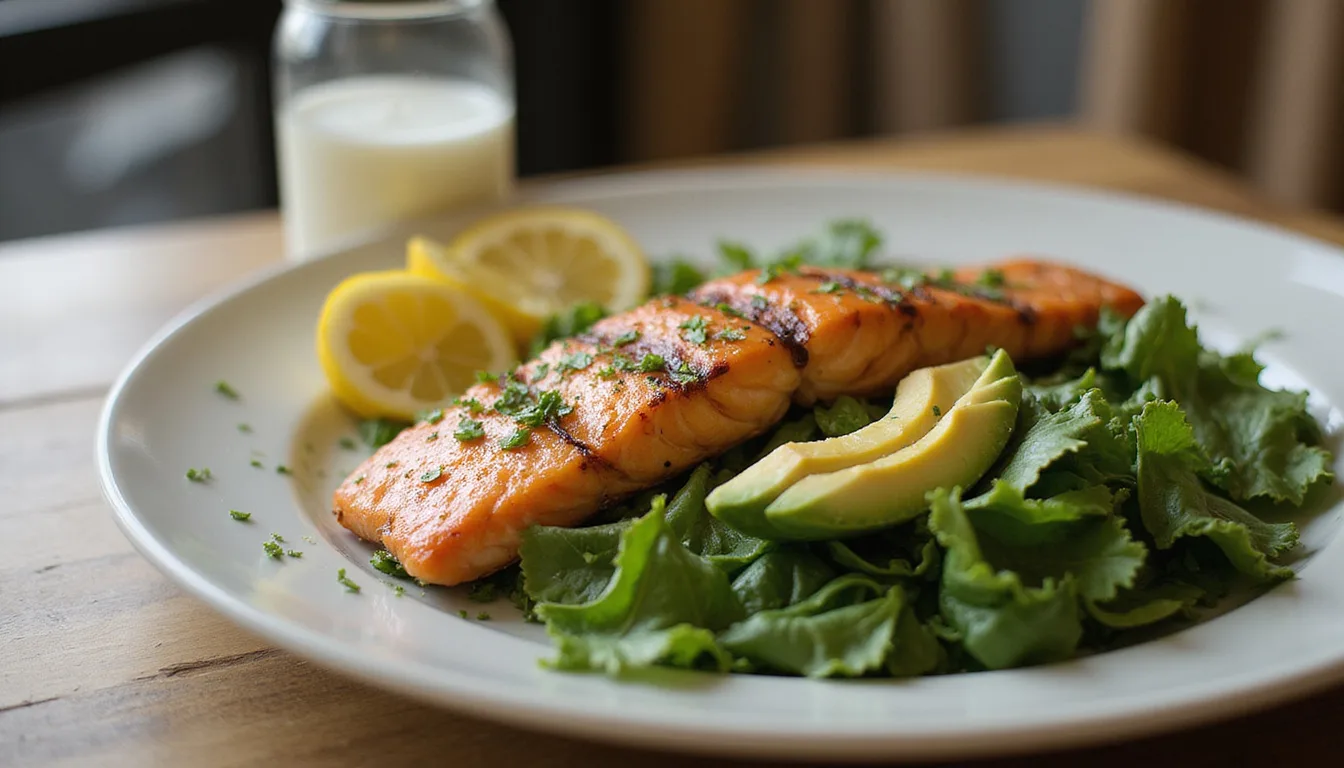
- Make sure you include about 20–30 grams of protein at each meal (chicken, fish, tofu, Greek yogurt, eggs, beans, lentils).
- Add good fats like avocado, nuts, seeds, olive oil, or fatty fish to make digestion slower and help you feel full.
- Pick fiber-full carbs such as whole grains, beans, lentils, fruit, and vegetables for steady glucose release.
A breakfast of sweet cereal and juice sets you up for sugar cravings later.
A breakfast of eggs, avocado, whole-grain toast, or Greek yogurt with berries and nuts holds your energy steady.
2. Don’t Let Yourself Get “Hangry”
Long gaps between eating often spark intense sugar cravings.
When hunger grows too strong, your brain goes into survival mode and yells for the fastest energy it finds.
Create a regular eating rhythm
- Eat meals every 3–5 hours. Choose timing that fits your day.
- If more than 4–5 hours pass between meals, grab a balanced snack (protein paired with fiber).
• Apple with peanut butter
• Cheese and whole-grain crackers
• Hummus and carrots
• Nuts with a piece of fruit
Plan ahead to cut off that “emergency hunger” that pushes you toward sugary fixes.
3. Prioritize Sleep to Reduce Sugar Cravings
Not enough sleep makes you reach for sugary, high-calorie snacks.
Lack of sleep sends these signals:
- Your body makes more ghrelin, the hormone that makes you hungry.
- Your body makes less leptin, the hormone that tells you when you are full.
- Your brain’s reward sites wake up and urge you to choose sweet foods. (source)
This is not just a thought; your body’s hormones act on it.
Sleep habits that help
- Aim for 7–9 hours of sleep each night.
- Keep your sleep and wake times steady, even on weekends.
- Avoid screens or bright light 30–60 minutes before sleep.
- Skip heavy meals and too much sugar or caffeine close to bedtime.
Better sleep may not erase cravings at once, but over weeks you may see fewer and milder cravings.
4. Hydrate First—Thirst Is Often Mistaken for Cravings
Sometimes, you may feel a weak pull, a headache, or low energy because you are a bit dehydrated.
This feeling can make you reach out for a sugary snack or drink.
Simple hydration strategy
- Keep a water bottle close and sip during the day.
- When a sugar craving appears, drink a full glass of water and pause for 10–15 minutes.
- In place of soda or juice, try unsweetened tea or sparkling water with a squeeze of lemon or lime.
Drinking water can ease the lean towards sugar and give you a moment to choose better.
5. Manage Stress Instead of Filling It with Sugar
Stress and strong feelings can make sugar feel like the answer.
When stress hits, your body makes more cortisol.
This hormone boosts hunger, nudges you toward quick energy, and makes it hard to stop once you start eating.
Often, sugar feels like a safe friend in moments of stress.
Build a non-food stress toolbox
When you sense stress, try one of these steps:
- Go for a short walk—even just 5 to 10 minutes.
- Breathe deeply (try 4-7-8: inhale for 4 counts, hold for 7, exhale for 8).
- Write down your thoughts.
- Stretch or try a few yoga moves.
- Call or text a friend.
- Listen to music or a podcast that calms you.
These steps give you more ways to cope so that sugar is not your only answer.
6. Upgrade Your Environment: Make the Sweet Choice the Hard Choice
Your space often sets the stage for cravings.
When candy, cookies, and soda sit in view, your mind links them to reward, and you pull them out more often.
Reshape your surroundings
- Keep trigger sweets hidden away. Use closed containers or high shelves, or leave them out of your home.
- Stock up on easy swaps like:
• Fresh fruit
• Nuts and seeds
• Plain or lightly sweet Greek yogurt
• A small piece of dark chocolate (70%+ cacao) - Change up your work space:
• Keep water, tea, or a healthy snack on your desk.
• Sit farther from common candy spots when you can. - Change your go-to drinks:
• Swap sodas and energy drinks for water, seltzer, or unsweetened tea.
Here, you plan your space so the healthy choice sits close to you.
7. Use Smart Substitutions Instead of Rigid Restriction
Trying to cut sugar out completely can lead to frustration and rebound eating.
A smart swap may help you meet your sweet wish with less sugar and more good stuff.
Practical substitution ideas
- For dessert, try:
• Fruit with a spoon of Greek yogurt and a bit of granola
• A baked apple with a sprinkle of cinnamon instead of pie
• Chia pudding made with fruit as the sweetener - For drinks, try:
• Replacing soda with seltzer plus a dash of 100% juice
• Unsweetened coffee or tea with a splash of milk and a pinch of warm spices like cinnamon or nutmeg instead of a syrupy mix - In baking, you can cut the sugar by 25–30% (most treats still taste fine) or use mashed banana or applesauce to replace some of the sugar.
These swaps may not be perfect at first, but they slowly cut down the total sugar you take in while still giving you a touch of sweet taste.
8. Break Habit Loops by Identifying Your Craving Triggers
Not every sugar pull comes from hunger.
Often, habits and cues—after dinner, during TV time, while on your phone, or when you pass a bakery—bring the craving to life.
Here is a simple three-step check:
- Note the cue. Look at the time, place, emotion, or action that starts the craving.
- See the routine. What do you usually do (grabbing a cookie, a soda, or a treat from the machine)?
- Understand the reward. What do you get (a break, a sense of comfort, a sweet taste, a hand-to-mouth habit)?
Then: Swap the routine, keep the reward
If your 3 p.m. pull at work is about a break from the screen, try:
- Taking a brief walk outdoors.
- Making a cup of tea or coffee with little or no sugar.
- Chatting briefly with a coworker.
- Eating a few nuts and a piece of fruit instead of a candy bar.
This way, you still get the break and reset for your mind, but you do not depend only on sugar.
9. Allow Planned, Mindful Treats to Prevent Rebound Binges
Cutting sugar out completely can make the craving stronger and lead you to think in all-or-nothing ways.
A balanced path is to plan a treat now and then.
How to enjoy sweets without a slip
- Set a time for treats instead of eating them by chance. For example, have a treat twice a week after dinner, or a small sweet part of an afternoon snack.
- Mix a treat with other food. Try a cookie with a glass of milk or some nuts, not by itself.
- Pre-set a portion. Serve a treat on a plate rather than eating from the package.
- Eat slowly. Sit down and really notice the taste without distractions.
By giving sweets a set time and place, they lose some of their strong pull, and you may feel more in control when cravings hit.
Putting It All Together: A Simple Daily Framework
Here is a way to blend these steps into a normal day:
-
Morning
• Start with a balanced meal that has protein, fat, and fiber (for example, a veggie omelet with whole-grain toast).
• Drink water or unsweetened tea as you wake. -
Midday
• Eat a lunch full of vegetables, protein, and whole grains or beans.
• Keep a water bottle close by.
• If you feel a 3 p.m. pull, plan a snack like an apple with nuts or yogurt with berries. -
Afternoon / Early Evening
• Take a short break from stress: walk, stretch, or breathe deeply instead of turning to sweets.
• Look for habit cues that push you toward sugar and try a new routine. -
Evening
• Enjoy a balanced dinner (again, choose protein, fiber, and healthy fat).
• If you want dessert, enjoy it with care and not too near bedtime.
• Begin a calm pre-sleep routine that helps you get 7–9 hours of good sleep.
It does not need to be perfect. Even small changes can lead to fewer sugar cravings over time.
Quick-Reference: 9 Science-Backed Fixes to End Sugar Cravings
• Balance blood sugar with protein, fat, and fiber at each meal.
• Prevent deep hunger by scheduling regular meals and planned snacks.
• Aim for 7–9 hours of sleep per night.
• Drink water regularly and sip before sugar calls your name.
• Use safe stress tools that do not rely on food.
• Arrange your space so that sweet foods are hard to reach.
• Find less sugary swaps instead of trying to avoid sugar completely.
• Spot your habit loops and the triggers behind them.
• Plan and enjoy treats mindfully to ward off extreme cravings.
FAQ: Common Questions About Sugar Cravings
1. Why are my sugar cravings worse at night?
At night, tiredness, low energy, and unmet hunger from earlier in the day can bring on sugar cravings. Eating balanced meals, planning an evening snack with protein and fiber, and shaping a calm bedtime routine can reduce this pull.
2. How do I stop sugar cravings quickly?
While you cannot banish a craving in an instant, you can cut its strength by:
• Drinking a full glass of water
• Eating a small, balanced snack (protein plus fiber)
• Moving your body for a few minutes
• Shifting your focus with a non-food task
If the pull lasts more than 10–15 minutes and you stay truly hungry or really want something sweet, choose a small, thoughtful portion rather than forcing through.
3. Are sugar cravings a sign of a lack of nutrients?
Most sugar pulls come from blood sugar swings, daily habits, stress, or sleep issues. Rarely, an extreme craving—especially for certain foods or non-food items—can be linked to low nutrient levels or other health issues. If your sugar cravings feel very strong or come with signs like extra thirst, too-frequent urination, or odd weight changes, talk with a health expert to check for concerns like prediabetes or diabetes.
Take Control of Sugar Cravings—Without Deprivation
You do not have to cut out all sugar or fight with your willpower alone to ease sugar cravings.
By balancing your blood sugar, improving sleep, managing stress, shaping your space, and planning for treats in a mindful way, you can change how you deal with sweets.
If you want to try these steps, begin with one or two changes this week. Perhaps start with a balanced breakfast and a planned snack in the afternoon. Notice how your cravings change, and then add more shifts over time.
If you need extra help to reduce sugar cravings, boost your energy, and build an eating plan that fits your life, think about working with a registered dietitian or nutrition expert.
Your future self, with steadier energy, fewer cravings, and more freedom around food, will thank you for taking these steps today.
[center]Always consult with your doctor prior to making drastic diet changes.[/center]
[center]As an Amazon Affiliate, Savvy Keto makes a small commision (at no extra cost to you) on any purchases you make thru affiliated links you click on.[/center]