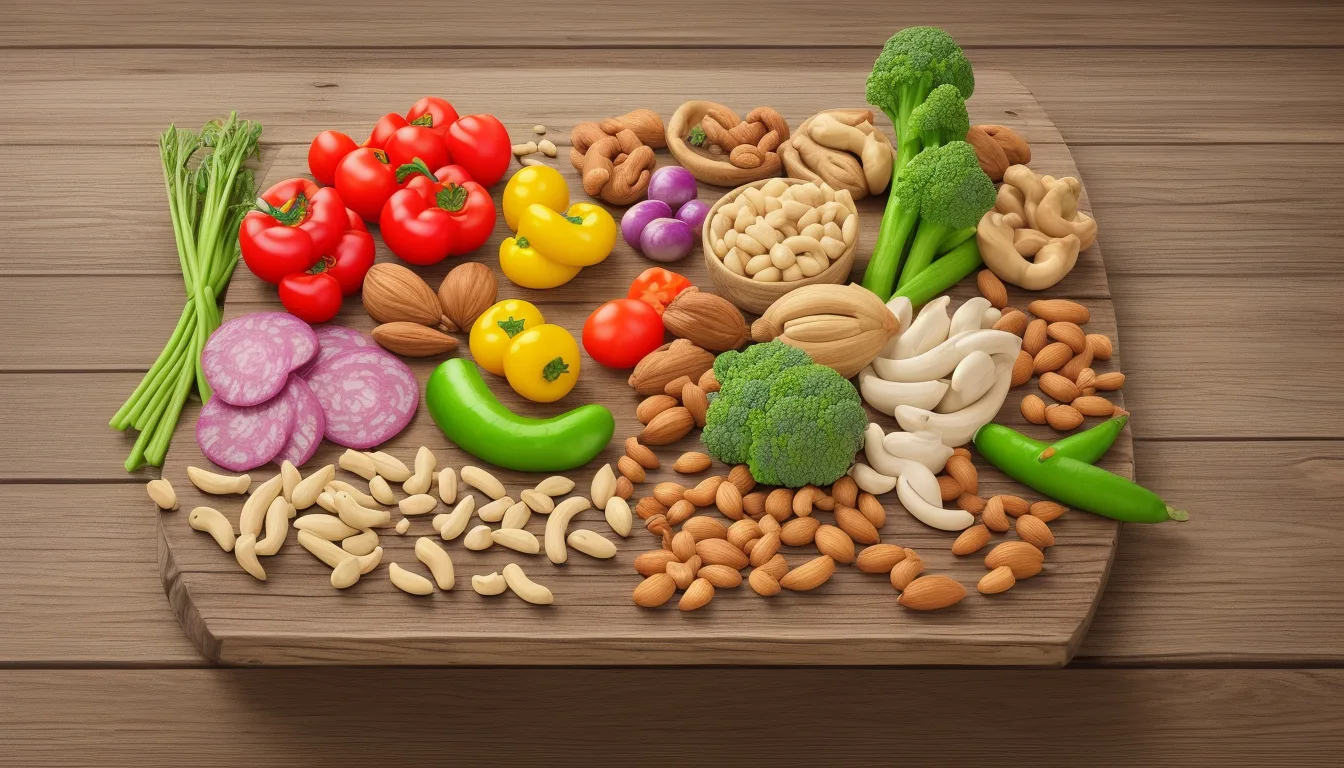

Blood Sugar Breakthrough: Simple Doctor-Backed Steps to Stabilize Levels
Keeping blood sugar steady matters for everyone. It supports long-term health, steady energy, and good aging. When glucose levels jump around, you feel the effects—brain fog, low energy, irritability, strong cravings, and later, a higher chance of conditions such as type 2 diabetes, heart problems, and nerve harm. This guide shares simple, doctor-approved routines that improve blood sugar stability without wild diets or tricks.
Below you see a science-based guide to understand and keep blood sugar steady. Follow these tips to feel better today and care for your future.
Why Blood Sugar Control Matters More Than You Think

Blood sugar, or blood glucose, fuels your brain and muscles. Your body works with hormones like insulin to keep it in a good range.
When this system stays on track, you:
- Enjoy even energy all day
- Recover faster after exercise
- Experience fewer cravings
- Support a healthy weight and steady metabolism
When it does not, big ups and downs lead to:
- Insulin resistance – cells ignore insulin over time
- Pre-diabetes and type 2 diabetes
- Higher triglycerides, blood pressure, and body inflammation
- A greater risk of heart problems, stroke, and some forms of dementia
Your goal is not a perfect flat line but fewer wild swings and a healthy average. Daily habits make a big difference.
Step 1: Build a Blood-Sugar-Friendly Plate (Without Going Extreme)
You do not need a complex diet to care for your blood sugar. Small shifts in what and when you eat can change things.
Focus on Balance: The “3 + 1” Formula
Most doctors and diet experts suggest including three key parts at every meal with one extra twist:
- Protein
- Fiber-rich carbohydrates
- Healthy fats
- (Extra) Non-starchy vegetables
This mix slows digestion. It keeps glucose from rising too high.
Practical examples for meals:
-
Breakfast:
- Greek yogurt, berries, chia seeds, and a few walnuts
- Scrambled eggs with spinach, half an avocado, and a slice of whole-grain toast
-
Lunch:
- Grilled chicken, quinoa, roasted vegetables, and a bit of olive oil
- Lentil soup with a green salad that includes chickpeas and pumpkin seeds
-
Dinner:
- Baked salmon with brown rice or farro, broccoli, and a drizzle of tahini
- Tofu stir-fry with mixed veggies and edamame over cauliflower rice
Tame High-Glycemic Foods Instead of Cutting Them Out
You do not need to ditch carbs completely. Use them smartly:
- Choose whole, less-processed carbs like oats, beans, lentils, quinoa, brown rice, whole fruit, and root vegetables.
- Limit refined starches (white bread, pastries, sugary cereals, white rice, fries). If you do have them, pair them with protein, fat, or fiber.
- Watch out for liquid sugars from soda, juice, sweet coffee drinks, and energy drinks.
A useful trick is to add extra protein, fat, or fiber to carb foods. For example, spread peanut butter on toast, add nuts to fruit, or pair hummus with crackers.
Step 2: Time and Order Your Meals for Steadier Glucose
How you eat matters as much as what you eat.
Eat in a Regular Rhythm
Long breaks without food, followed by large, carb-laden meals, can make blood sugar jump. Try to:
- Eat regular meals every 3 to 5 hours while you are awake.
- Avoid saving all your calories for one large meal.
- Have a light, balanced snack if you go more than 5 hours between meals.
Use the “Food Order” Trick
Research and clinical work show that eating protein and vegetables before starch lowers blood sugar rises after a meal. Try this order:
- Start with a salad, non-starchy vegetables, or your protein.
- Follow with whole grains, potatoes, or other starch sources.
- If you want dessert, keep it small and save it for after a full, mixed meal.
This small change does not alter what you eat; it only changes the order. Many people see real improvements with this switch.
Step 3: Move Your Muscles—The Fastest Way to Lower Blood Sugar Naturally
Exercise works well to keep blood sugar steady. Your muscles take up extra glucose for fuel, which lowers blood sugar levels.
Aim for a Weekly Movement Mix
Most health guidelines suggest:
- 150 or more minutes per week of moderate-intensity aerobic work.
- Try brisk walking, cycling, swimming, or dancing.
- 2 to 3 strength training sessions per week.
- Use bodyweight moves like squats, push-ups, and lunges, resistance bands, or free weights.
The “10–15 Minute Walk” Trick After Meals
One tip many doctors back is to take a 10–15 minute walk after meals, especially after the meal with the most carbs. Even light movement like walking around your home or doing gentle housework helps muscles use more glucose.

If formal workouts seem too hard, simply cut down on sitting time by:
- Standing or walking during phone calls.
- Taking the stairs when you can.
- Taking short movement breaks every 60–90 minutes of sitting.
Step 4: Use Fiber as Your Secret Weapon
Fiber slows down digestion and sugar absorption. This helps keep glucose levels smooth.
Aim for 25–35 Grams of Fiber Daily
Many people need more fiber. Try to include:
- Vegetables: leafy greens, broccoli, Brussels sprouts, carrots, and peppers.
- Fruits: berries, apples, pears, and oranges (eat the whole fruit, not juice).
- Legumes: lentils, chickpeas, black beans, and kidney beans.
- Whole grains: oats, barley, quinoa, farro, and brown rice.
- Seeds and nuts: chia, flax, pumpkin seeds, almonds, and walnuts.
Simple tips:
- Swap sugary cereal for oatmeal with berries and nuts.
- Add a side salad or extra veggies to lunch and dinner.
- Toss beans or lentils into soups, stews, or salads.
- Use chickpea or whole-grain pasta in place of refined pasta.
Increase fiber slowly. Drink water to avoid stomach discomfort.
Step 5: Master Blood-Sugar-Balancing Snacks
Snacks can help or hurt your blood sugar. The key is to combine protein, fiber, and healthy fat in moderate portions.
Smart Snack Ideas
- Apple slices with almond or peanut butter.
- Carrot sticks with hummus.
- A handful of nuts with a few berries or a small piece of dark chocolate.
- Plain or low-sugar Greek yogurt with cinnamon and chia seeds.
- Cottage cheese with cucumber slices or cherry tomatoes.
- Edamame with a sprinkle of sea salt.
Try to steer clear of:
- Candy, pastries, and cookies as frequent snacks.
- Sugary coffee drinks or energy drinks.
- Plain crackers or white toast without something to add protein or fat.
When you enjoy treats, pair them with protein or fat and eat slowly. This tactic cuts down the blood sugar spike.
Step 6: Sleep, Stress, and Hormones: The Hidden Blood Sugar Drivers
Not just food and exercise affect blood sugar. Sleep and stress have a big impact too.
Get Quality Sleep
Poor or short sleep can make insulin work less well and change hunger hormones, making it hard for blood sugar to stay steady.
Try to get:
- 7 to 9 hours of sleep each night.
- A stable sleep schedule with the same bedtime and wake-up time each day.
- A calming routine before sleep using dim lights, reading, stretching, or soft music.
Cut out:
- Large meals right before bed.
- Caffeine late in the day.
- Blue light from screens in the hour before sleep when you can.
Calm Your Stress to Steady Glucose
When you feel stress, your body makes hormones like cortisol and adrenaline. These can raise blood sugar.
Try simple stress-relief methods:
- Deep breathing—inhale for 4 seconds and exhale for 6 to 8 seconds.
- A short walk outside.
- Basic yoga or stretching.
- Journaling or talking with someone you trust.
- A few minutes with a mindfulness or meditation app.
Even 5 to 10 minutes of calm time a day can help a lot.
Step 7: Know Your Numbers and Work With Your Doctor
Knowing your blood sugar numbers is key. The goal is to learn and plan your steps well.
Key Lab Tests to Know
Ask your doctor about tests like:
- Fasting blood glucose
- A1C (HbA1c), which shows your average blood sugar over 2 to 3 months
- Oral glucose tolerance test (for some cases)
- Other markers like your lipid panel, blood pressure, and waist size
Common A1C ranges include:
- Normal: usually below 5.7%
- Pre-diabetes: 5.7% to 6.4%
- Diabetes: 6.5% or more (often confirmed by repeated tests or other criteria)
If you have pre-diabetes or diabetes, regular follow-ups and any needed medicine work best with lifestyle changes.
Think About Glucose Monitoring
Some people benefit from a home blood glucose meter or a continuous glucose monitor. This tool shows how your body responds to food, movement, stress, and sleep.
Talk with your doctor to see if this fits your needs and to learn how to read the results.
Step 8: Alcohol, Coffee, and Other Daily Influences
A few daily habits can change your blood sugar, too.
Alcohol
Alcohol may raise or lower blood sugar. It depends on the type and if you drink with food.
Guidelines suggest:
- Drink moderately and always with food.
- Be careful with sweet cocktails, sugary mixers, and dessert wines.
- If you use insulin or certain medications, follow your doctor’s advice to avoid low blood sugar.
Coffee and Caffeine
Plain black coffee has few calories and little effect on blood sugar. Still:
- Syrups, sugar, or creamers in your coffee can push blood sugar up.
- Caffeine might change how your body uses insulin.
Try options like:
- Unsweetened or just a dash of sweetener in coffee
- A small lift of cinnamon or unsweetened milk or plant milk
- Watching your body’s answer and cutting back if needed
A Simple, Doctor-Backed Daily Checklist for Stable Blood Sugar
Use this guide each day to help keep blood sugar steady:
Morning
• Eat a protein-rich breakfast soon after waking.
• Include fiber, such as fruit, oats, or seeds, and add a small amount of healthy fat.
• Drink coffee with food, not on an empty stomach if you are sensitive.
Midday
• Do not skip lunch; aim for a balanced meal with protein, fiber-rich carbs, vegetables, and healthy fats.
• Take a 10–15 minute walk after eating if you can.
Afternoon
• If you need a snack, choose one with both protein and fiber (like nuts with fruit, hummus with veggies, or yogurt with seeds).
• Get up for a short movement break to cut long periods of sitting.
Evening
• Enjoy a balanced dinner. Try to avoid very large or heavy meals right before bed.
• Consider a short walk after dinner.
• Wind down with a relaxing routine to help bring on quality sleep.
Weekly
• Aim for at least 150 minutes of moderate exercise.
• Have 2 to 3 sessions of strength training.
• Plan simple meal prep and grocery trips to keep protein- and fiber-rich foods close at hand.
FAQ: Common Questions About Blood Sugar and Daily Life
1. What are early warning signs of high blood sugar?
Early signs may include:
• Frequent trips to the bathroom
• Increased thirst
• Blurry vision
• Feeling very tired
• Cuts or infections that take longer than normal to heal
These signs might come slowly. If you see them and have risk factors like extra weight, a family history, or little movement, talk with your doctor about testing.
2. How can I lower blood sugar fast without medicine?
If your doctor has not given emergency advice and your blood sugar is only a bit high, you might try:
• A short 10–20 minute walk or light movement
• Drinking water to stay hydrated
• Eating a meal low in carbs and rich in fiber and protein, while avoiding sugary foods and drinks
For anyone with serious concerns, always follow your doctor’s guidelines.
3. Which foods help keep blood sugar steady?
Foods that help often mix protein, fiber, and healthy fats. Good choices include:
• Beans and lentils
• Non-starchy vegetables like leafy greens, broccoli, peppers, or zucchini
• Nuts and seeds
• Whole grains such as oats, quinoa, and barley
• Lean proteins like fish, eggs, poultry, tofu, and plain Greek yogurt
Focusing most of your meals around these foods while reducing added sugars and refined carbs helps support steady blood sugar.
Turn Knowledge Into Your Personal Blood Sugar Breakthrough
Steady blood sugar does not mean perfection, strict rules, or cutting out whole food groups. It means choosing smart moves day by day:
• Build balanced plates with protein, fiber, and healthy fats.
• Move your body regularly—especially after meals.
• Get enough sleep and manage stress well.
• Check your numbers and work with your healthcare team.
There is no need to change everything at once. Start with one or two of these steps—for example, add post-meal walks and a protein-rich breakfast. Stick with your choice for a few weeks before trying another change.
If you are ready to take care of your blood sugar, improve your health for the long run, and feel more energetic and clear-headed, start today. Speak with your doctor or a registered dietitian about a plan just for you, and use these doctor-backed steps as your daily guide. Your future self and your body will thank you.
[center]Always consult with your doctor prior to making drastic diet changes.[/center]
[center]As an Amazon Affiliate, Savvy Keto makes a small commision (at no extra cost to you) on any purchases you make thru affiliated links you click on.[/center]