
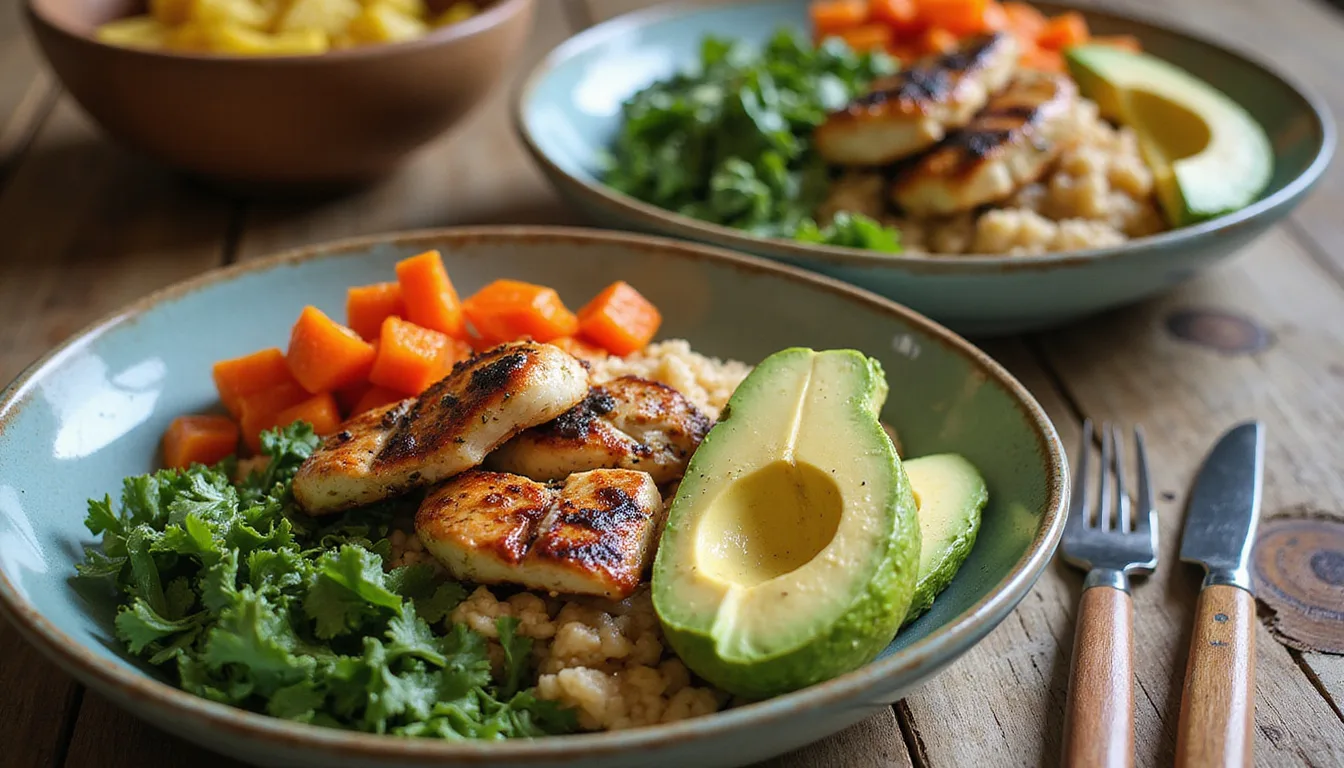
If you want to lose fat and not feel hungry, set a daily carb limit. This plan works fast and shows clear results. In this article you learn how to choose a smart daily carb limit for your goals, find an easy meal plan, and get real tips to stick with your plan without counting every crumb.
Why a Daily Carb Limit Helps Kickstart Fat Loss
Lowering carbs cuts the insulin spike after meals. This change helps your body use stored fat more easily. A fixed carb limit makes food choices simpler and tames cravings by keeping blood sugar steady. Many people see that a set carb target helps form steady, calorie-aware eating that leads to fat loss.

How to Determine Your Daily Carb Limit
Your best daily carb limit depends on your goals, how active you are, and your metabolism. Use this simple guide:
- Sedentary or insulin-resistant: 20–50 grams net carbs/day (in a therapeutic or ketogenic range).
- Moderately active with steady fat loss in mind: 50–100 grams net carbs/day.
- Very active or strength athletes: 100–150+ grams net carbs/day.
Begin at the lower end for a short "kickstart" (2–4 weeks) to start fat loss and cut cravings. Then, slowly move up until you reach a level you can stick with.
Important Considerations
- Net carbs = total carbs minus fiber. Many people count net carbs. This way, fibrous vegetables still count while limiting sugars and starches.
- Protein matters. Choose moderate to high protein to keep muscle while losing weight.
- Healthy fats help you feel full and make meals more satisfying.
- If you have diabetes, take medications, or have kidney issues, talk with your healthcare provider before changing your carbs.
What to Eat — The Right Carb Sources
Pick carbs that bring fiber and nutrients. These choices help you feel full and support long-term health:
- Nonstarchy vegetables (leafy greens, broccoli, zucchini)
- Berries (small portions)
- Legumes and whole grains if they fit your daily carb limit
- Avoid refined sugars, sugary drinks, pastries, and many processed foods
(For a review of low-carb methods and health outcomes, see Harvard Health Publishing) (https://www.health.harvard.edu/staying-healthy/low-carb-diets).
Simple 7-Day Meal Plan for a 50g Daily Carb Limit
Below is a straightforward weekly plan based on a 50g daily carb goal. It is a smart start for many who want to lose fat and stay energized. Portions can change; track net carbs to stay near the target.
Day 1
- Breakfast: 2 scrambled eggs cooked in butter with spinach and 1/4 avocado (net carbs ~4g)
- Lunch: Grilled chicken salad (mixed greens, cucumber, cherry tomato halves, olive oil) (net carbs ~7g)
- Snack: 10 almonds (net carbs ~2g)
- Dinner: Pan-seared salmon with roasted asparagus and mixed greens (net carbs ~6g)
Total net carbs ≈ 19g (you may add a small serving of berries to reach ~30–50g)
Day 2
- Breakfast: Greek yogurt (full-fat, plain) with 1/4 cup raspberries and chia seeds (net carbs ~8–10g)
- Lunch: Bunless burger with lettuce, a tomato slice, and cheddar, with a side salad (net carbs ~6–8g)
- Snack: Celery sticks with 2 tbsp almond butter (net carbs ~6g)
- Dinner: Stir-fry beef with broccoli, mushrooms, and coconut aminos (net carbs ~6–8g)
Total net carbs ≈ 26–32g
Day 3
- Breakfast: Omelet with mushrooms, a few peppers, and goat cheese (net carbs ~5–7g)
- Lunch: Tuna salad (tuna, mayo, celery) on mixed greens (net carbs ~3–4g)
- Snack: 1 ounce cheese and 4 radishes (net carbs ~1–2g)
- Dinner: Roast chicken thigh with cauliflower mash (with butter and cream) (net carbs ~6–8g)
Total net carbs ≈ 15–21g
Day 4
- Breakfast: Smoothie with unsweetened almond milk, 1/4 cup blueberries, spinach, and protein powder (net carbs ~8–10g)
- Lunch: Cobb salad (eggs, bacon, avocado, blue cheese, greens) (net carbs ~6–7g)
- Snack: 1 hard-boiled egg (net carbs ~0.5g)
- Dinner: Shrimp sautéed with zucchini noodles and pesto (net carbs ~6–8g)
Total net carbs ≈ 21–26g
Day 5
- Breakfast: Cottage cheese (full-fat) with a few sliced strawberries (net carbs ~6–8g)
- Lunch: Turkey roll-ups (turkey, cream cheese, spinach) with cucumber slices (net carbs ~4–5g)
- Snack: 1/4 cup macadamia nuts (net carbs ~2–3g)
- Dinner: Pork chops with sautéed Brussels sprouts and bacon (net carbs ~7–9g)
Total net carbs ≈ 20–25g
Day 6
- Breakfast: Fried eggs with a small amount of salsa and avocado (net carbs ~5–6g)
- Lunch: Salmon patty on greens with lemon-tahini dressing (net carbs ~5–6g)
- Snack: A small apple (if it fits your limit) or 10 almonds (net carbs: 15g for apple, 2g for almonds)
- Dinner: Lamb kebabs with grilled peppers and onions (small portion) (net carbs ~8–10g)
Total net carbs ≈ 20–35g (depending on the snack)
Day 7
- Breakfast: Chia pudding (made with unsweetened almond milk) with a few raspberries (net carbs ~7–8g)
- Lunch: Egg salad in lettuce wraps (net carbs ~3–4g)
- Snack: Olives and 1 ounce cheese (net carbs ~1–2g)
- Dinner: Baked cod with lemon, steamed green beans, and butter (net carbs ~6–7g)
Total net carbs ≈ 17–21g
Notes on Counting: Adjust portion sizes and snacks to meet a 50g daily carb goal. It is fine if many days come in under 50g when you start. Use a carb-tracking app for accuracy.
Grocery List (Short and Practical)
- Proteins: eggs, chicken, salmon, tuna, lean beef, turkey
- Vegetables: spinach, kale, broccoli, zucchini, cauliflower, asparagus, bell peppers
- Fats & Dairy: olive oil, butter, avocado, full-fat Greek yogurt, cheese
- Nuts & Seeds: almonds, macadamia, chia
- Berries: raspberries, strawberries (in small amounts)
- Condiments: vinegar, mustard, herbs, coconut aminos
Quick Tips to Stay Under Your Daily Carb Limit
- Pick low-carb vegetables like leafy greens and cruciferous types.
- Swap grains for vegetable substitutes such as zucchini noodles or cauliflower rice.
- Use proteins and fats to keep you full so you can skip carb-heavy snacks.
- Plan two or three favorite meals to avoid tiring choices.
- Measure treats like fruit or yogurt to stay within your limit.
Why Protein and Fats Matter
When you cut carbs, you need enough protein to keep your muscle and support your metabolism. Fats bring steady energy, help your body absorb nutrients, and make meals more satisfying. Most people should aim for 0.6–1.0 grams of protein per pound of body weight during fat loss. Adjust this number based on your age and activity level.

What to Expect During the First Week
Many notice a quick drop in water weight in the first 3–7 days on a lower carb plan. Hunger often goes down and energy levels can improve within a week. Some may feel tired, have brain fog, or get headaches. These signs usually fade as your body adjusts. Drink enough water, keep your electrolytes (sodium, potassium, magnesium) in balance, and sleep well.
Common Mistakes to Avoid
- Skipping on protein. Without enough protein, muscle loss can occur.
- Eating too many low-carb treats that are high in calories. Fats are filling, but an excess of nuts, cheese, or oils can slow fat loss.
- Failing to track net carbs. Some vegetables and sauces can add up quickly.
- Dropping carbs too low too fast. This may not be needed for many and can affect performance.
Tracking and Adjusting Your Daily Carb Limit
Watch how your body responds for 2–4 weeks. If fat loss slows, lower your carb limit a bit or make portions smaller. If energy, workouts, or mood drop, try increasing your carbs slightly. Use body measurements, pictures, and how your clothes feel to guide you rather than just the scale.
Sample 3-Step Plan to Adjust Carbs
- Begin with a realistic daily carb limit (for example, 50g) for two weeks while logging your food.
- If you lose fat and feel good, stick with it for another 4–8 weeks.
- If progress slows for 2–3 weeks, cut the limit by 10–20% or reduce portion sizes. If you feel low on energy, add 10–20% more carbs and then check again.
When to See a Healthcare Provider
If you take medications for diabetes—especially insulin or sulfonylureas—changing your daily carb limit can affect how much medicine you need. Talk with your clinician before you make big changes. Also, check with a provider if you have kidney problems, an eating disorder, or other major health issues.
Three FAQs — Quick Answers with Keyword Variations
Q1: How low should my daily carb limit be to lose fat?
A1: A common start is 20–50 grams net carbs per day for a focused kickstart. Many see weight loss in this range. If you are very active, a higher limit, such as 50–100g, might work better.
Q2: Will a daily carb limit of 100 grams stop weight loss?
A2: Not always. A limit of 100 grams per day can still help lose fat if you eat fewer total calories and get enough protein. It is a balanced choice for many active people.
Q3: How do I decide on a carb limit per day for workouts?
A3: Choose your limit based on your training. Higher-intensity or longer sessions need more carbs. Try 50–100g on light days and 100–150g on tough days. Adjust based on how you perform and recover.
Final Safety Note
Low-carb plans work well for many people, but they do not suit everyone. Always match your carb limit to your tastes, routine, and health needs. And talk with a healthcare professional if you have any chronic conditions or need advice on your medications.
Ready to Choose Your Daily Carb Limit and Start Losing Fat?
If you are set to start fat loss, pick a daily carb limit that fits your activity level (many people start at 50g), try the 7-day meal plan above, and track your results for two weeks. Small, steady changes help build lasting progress. Want a plan that fits your tastes, schedule, and goals? Book a coaching session or download the printable meal plan and grocery checklist now to get started.
[center]Always consult with your doctor prior to making drastic diet changes.[/center]
[center]As an Amazon Affiliate, Savvy Keto makes a small commision (at no extra cost to you) on any purchases you make thru affiliated links you click on.[/center]